Pomp van de Oude Vismarkt — History & Facts
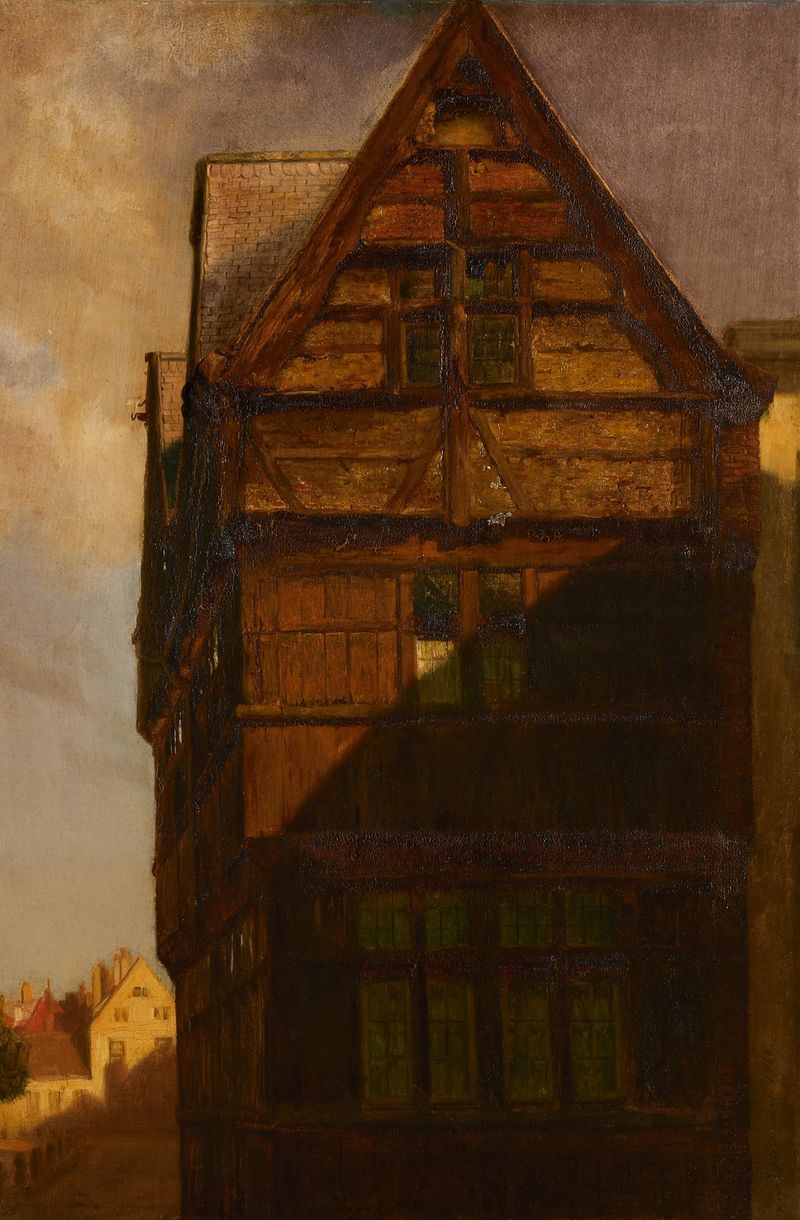
In the gentle embrace of Pomp van de Oude Vismarkt, a quiet ecstasy resonates, whispering stories of life entwined with commerce. The air seems thick with unspoken memories, a kaleidoscope of emotions captured in time, inviting the viewer to delve into the uncharted depths of this bustling market scene. Direct your gaze to the vibrant array of colors that depict the fish and produce, shimmering under the soft glow of daylight. Notice how the artist plays with light and shadow, drawing attention to the gleaming scales of fish displayed with such care.
The lively brushstrokes create a dynamic rhythm, while the figures, engaged in lively transactions or hushed conversations, pulse with the energy of the marketplace. Each color choice and line invites you to step closer, conjuring a vivid tableau that seems almost alive. But beyond the visual splendor lies a deeper narrative. The juxtaposition of the vibrant vitality of the market against the stillness of its patrons reveals the tension between commerce and intimate human connection.
The meticulously rendered details—the fishmonger's weathered hands, a child's curious gaze—speak to a collective human experience, echoing the joy found in simple exchanges. Each element harmonizes to evoke an atmosphere that balances the euphoria of abundance with the melancholy of fleeting moments. Jozef Dyckmans painted Pomp van de Oude Vismarkt during a period when realism was gaining momentum in the art world, a time marked by a keen interest in daily life and the environment. The artist, active in Belgium in the 19th century, found inspiration in the vibrancy of urban settings.
Amidst the shifting tides of societal change, his work stands as a testament to the richness of existence, capturing a world where the mundane radiates beauty and connection.