
Pompeian Fountain And Horse Trough — History & Facts
In the stillness of time, we find ourselves transported to an era where echoes of laughter and life linger, yet the vibrant moments have faded into memory. Nostalgia threads through this vivid portrayal, inviting contemplation of what was and what remains, hidden beneath layers of history. Look to the center of the composition, where the fountain stands proudly, its cascading waters caught mid-flow, glistening in the sunlight. The warm hues of ochre and deep earth tones create a soft contrast against the bluish shadows that dance around the trough.
Notice how the artist captures the texture of the stone, evoking a sense of age and an enduring presence, while the surrounding flora adds a gentle touch of life, hinting at the harmonious relationship between nature and man-made structures. Delve deeper, and you will find delicate details that speak volumes. The quiet juxtaposition of the robust fountain and the humble trough reflects not only the functionality of space but also the passage of time and memory. Each droplet that spills from the fountain seems to carry with it a whisper of the past, while the shadows cast by the trough evoke the weight of unspoken stories.
This interplay between light and dark, between presence and absence, stirs an emotional resonance that lingers long after leaving the painting. In 1880, the artist found himself in the midst of a burgeoning interest in archaeological discoveries, particularly those from Pompeii. Painted during a period of significant exploration and revival in classical themes, the work reveals Holmes’ fascination with antiquity while reflecting the broader artistic currents of his time. As the world turned its gaze toward history, he immortalized a moment that invites us to pause and reflect on our connection to the past.
More Artworks by William Henry Holmes
Browse all →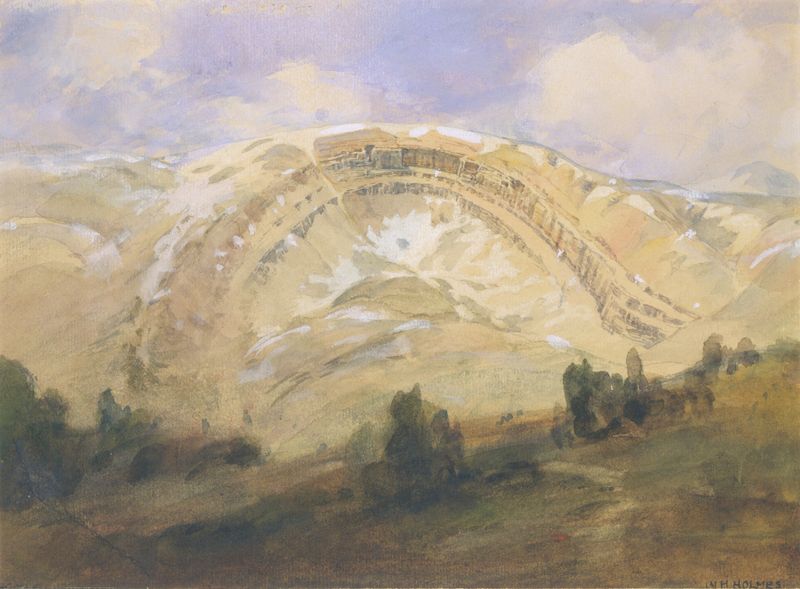
Folded Strata, A Great Geological Arch, Colorado
William Henry Holmes
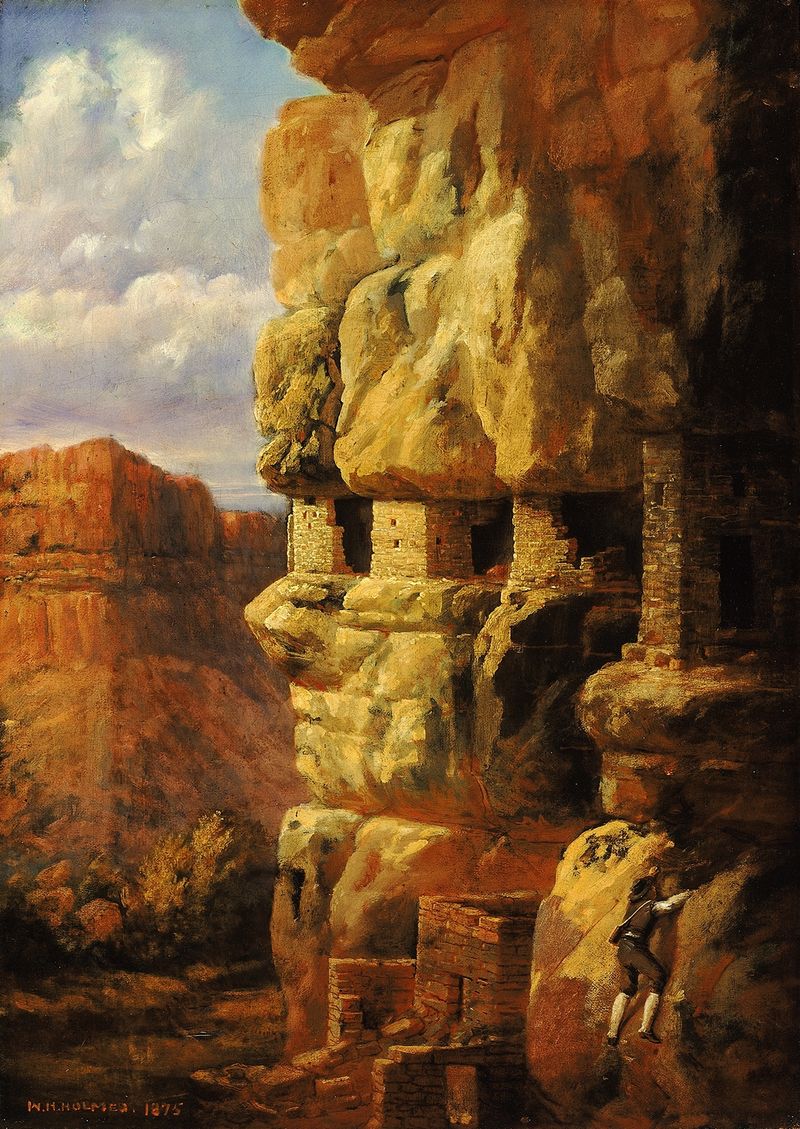
Cliff Houses On The Rio Mancos, Colorado
William Henry Holmes
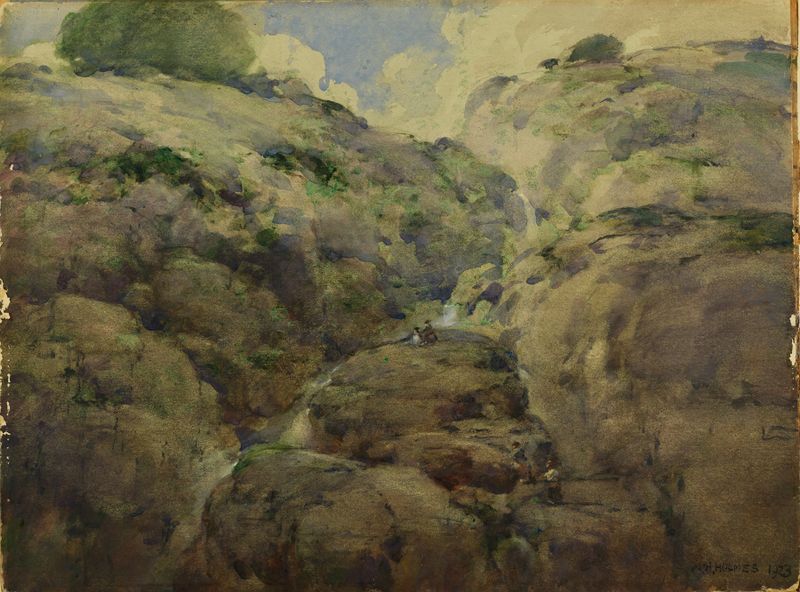
Mountain Gorge, Colorado
William Henry Holmes
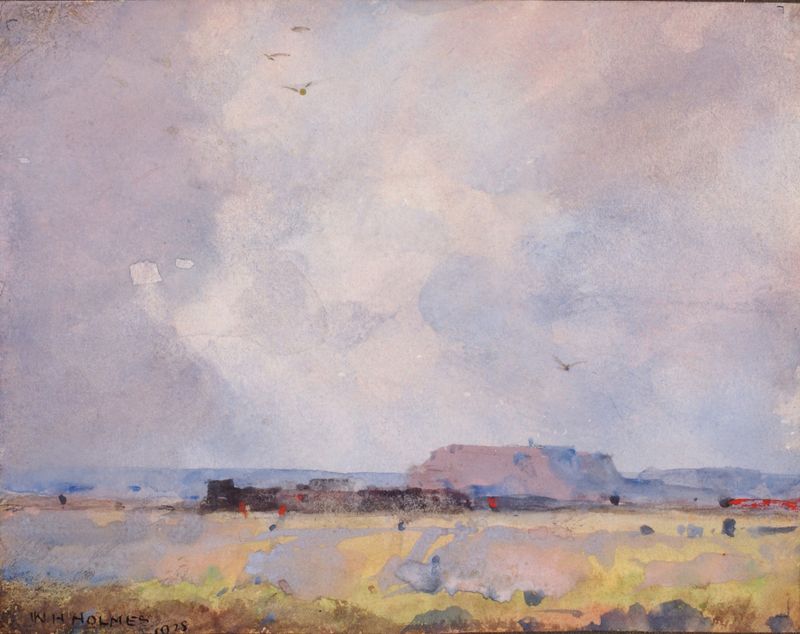
In The Plateau Country, With An Inhabited Pueblo
William Henry Holmes
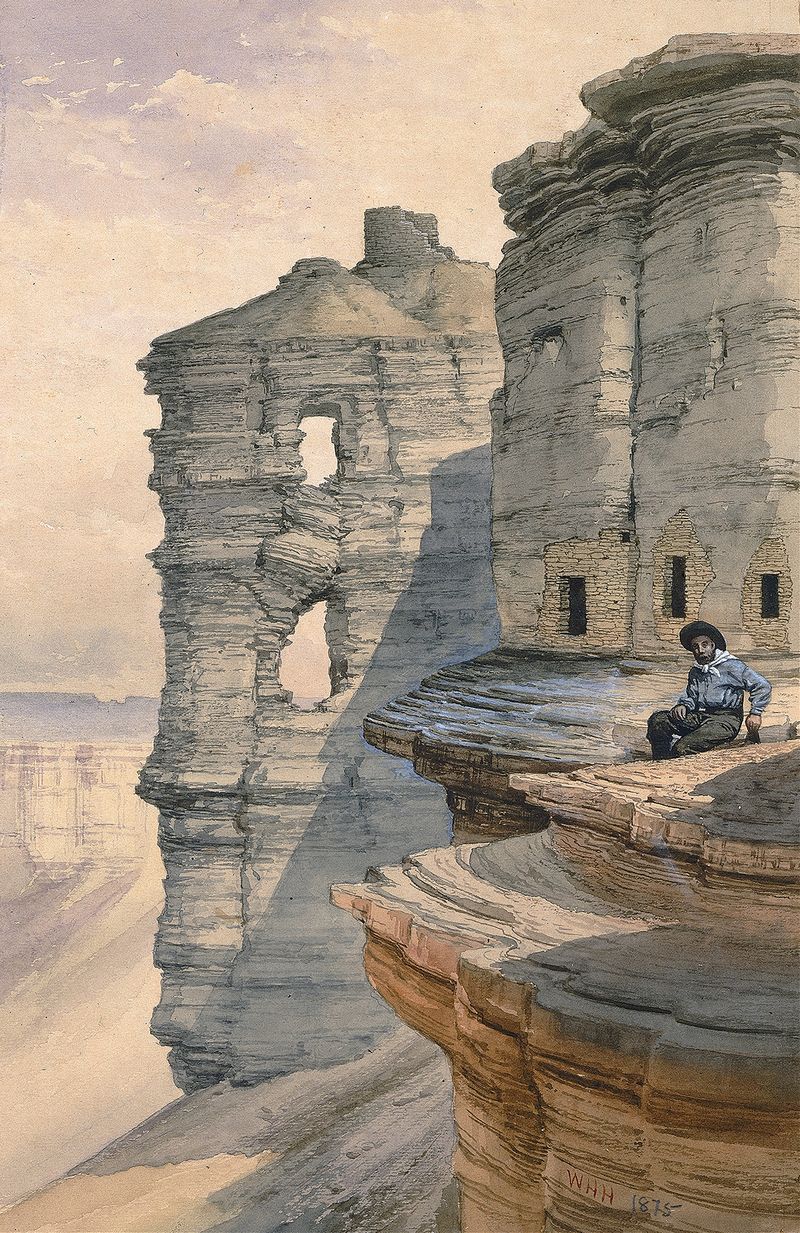
Cliff Houses on the Rio Mancos, Colorado
William Henry Holmes
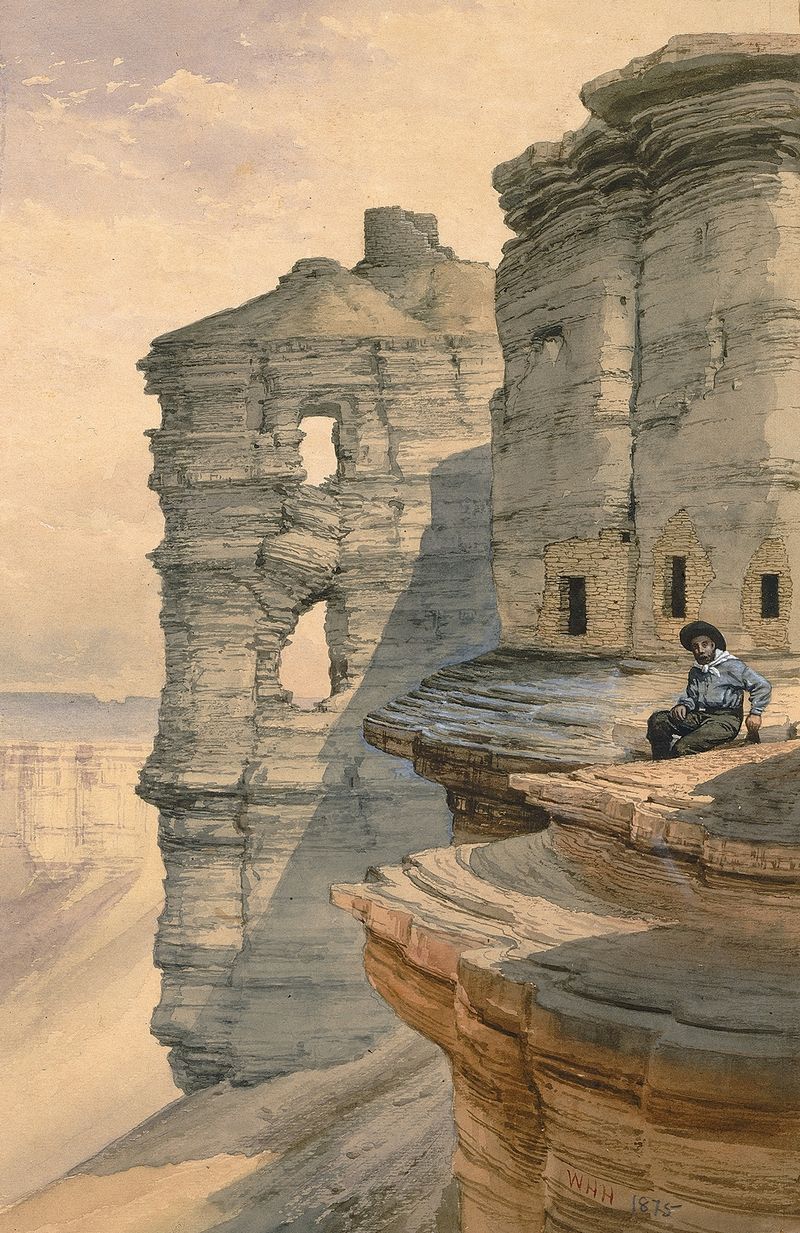
Cliff Houses On The Rio Mancos, Colorado
William Henry Holmes
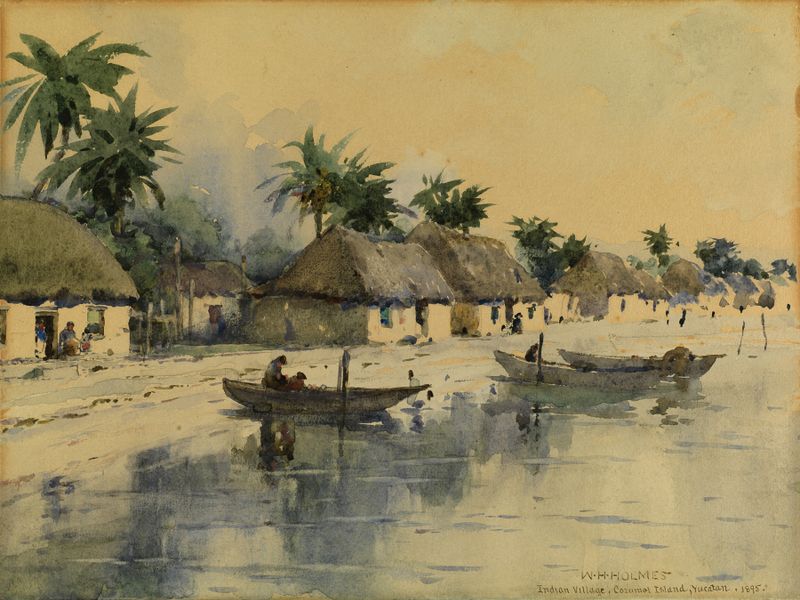
Indian Village, Cozumel Island, Yucatan
William Henry Holmes
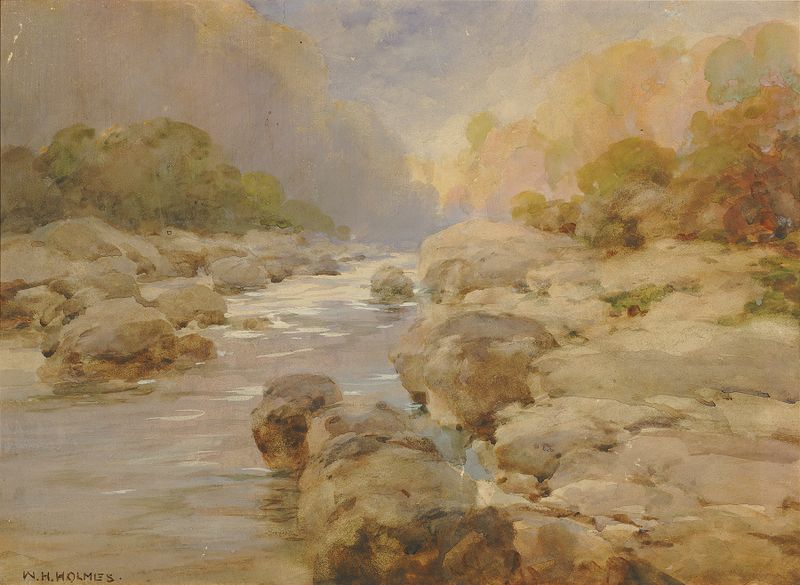
Unmodified Rock Creek, About 1910
William Henry Holmes
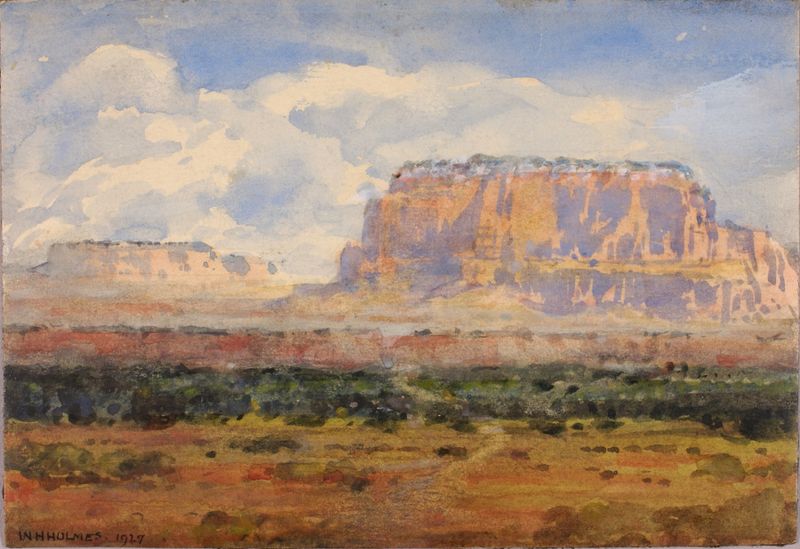
The Enchanted Mesa
William Henry Holmes
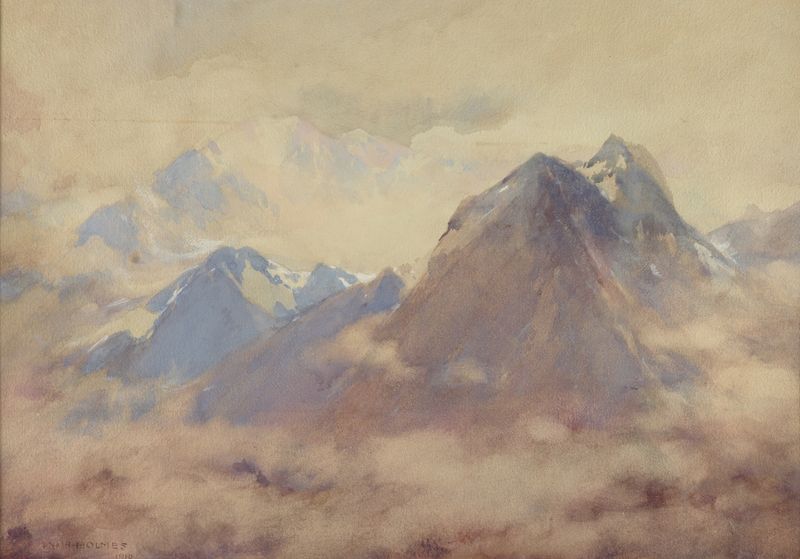
The Almighty’s Own, An Impression Of The High Andes
William Henry Holmes
More Architecture Art
Browse all →
The statue of Liberty
Frédéric Auguste Bartholdi

View of Houses in Delft, Known as ‘The Little Street’
Johannes Vermeer

View of Houses in Delft, Known as ‘The Little Street’
Johannes Vermeer

The Cathedral in Rouen. The portal, Grey Weather
Claude Monet

The yellow house
Vincent van Gogh

The Church in Auvers-sur-Oise, View from the Chevet
Vincent van Gogh