
Pompeii — History & Facts
In the layers of a landscape both vibrant and haunting, we find the echoes of a bygone civilization suspended in time. A painting like this compels you to pause and reflect, luring you into its depths, where every brushstroke tells a story of loss and resilience. Focus first on the bold hues of the sky, a tumultuous blend of oranges and purples that creates an ominous backdrop. The ruins of Pompeii, rendered with haunting precision, rise like memories from the earth.
Notice how the interplay of light and shadow not only highlights the crumbling architecture but also accentuates the desolation of this once-thriving city. Each detail, from the jagged stones to the soft curves of nature reclaiming its space, invites you to contemplate the profound silence left in the wake of devastation. Look closely at the foreground, where delicate wildflowers peek through the rubble, a symbol of hope amidst despair. Their vibrant colors contrast sharply with the somber remnants of civilization, suggesting that life persists even in the darkest of circumstances.
This tension between decay and renewal reverberates throughout the piece, serving as a poignant reminder of the inevitability of time and the layers of history that coexist in our world. In 1890, Jan Ciągliński created Pompeii while living in Paris, a city alive with artistic innovation and change. Influenced by the Symbolist movement, he sought to capture not just the physical beauty of the ruins but their emotional weight. During this time, the fascination with ancient civilizations was surging, spurring artists to explore themes of nostalgia and the passage of time, which resonate powerfully in his work.
More Artworks by Jan Ciągliński
Browse all →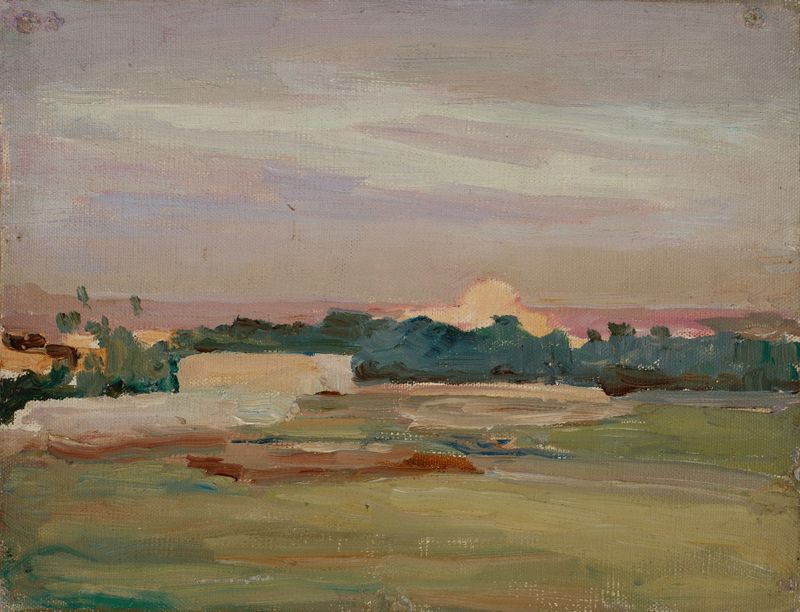
The Sirocco
Jan Ciągliński
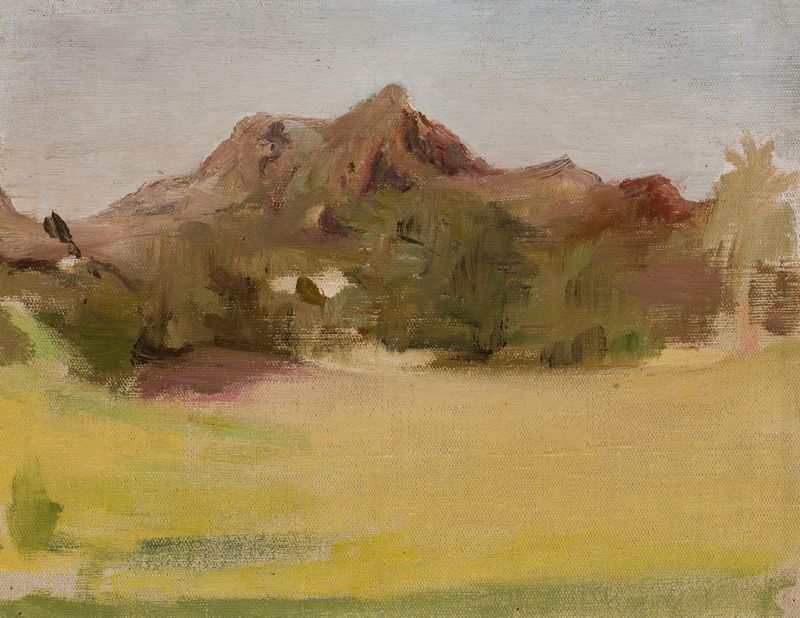
Mountain landscape. From the journey to India
Jan Ciągliński
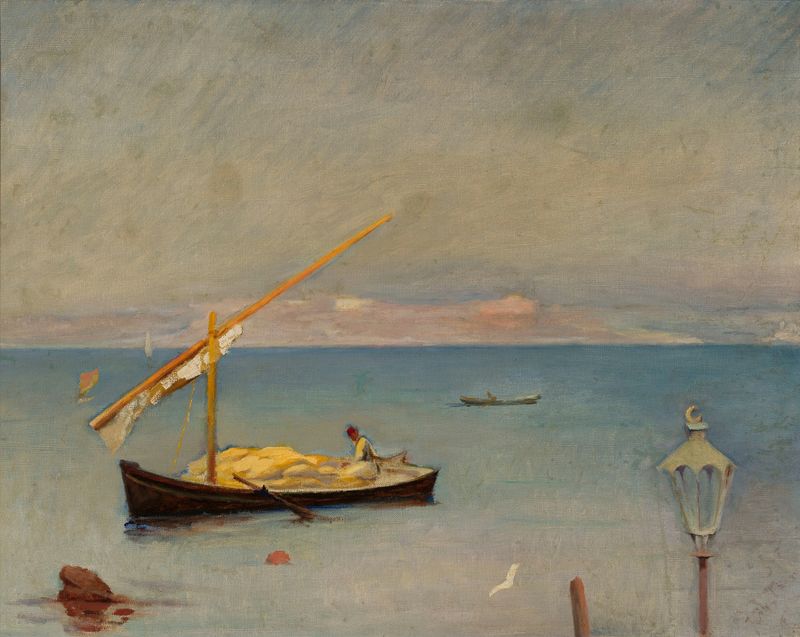
At Bosporus
Jan Ciągliński
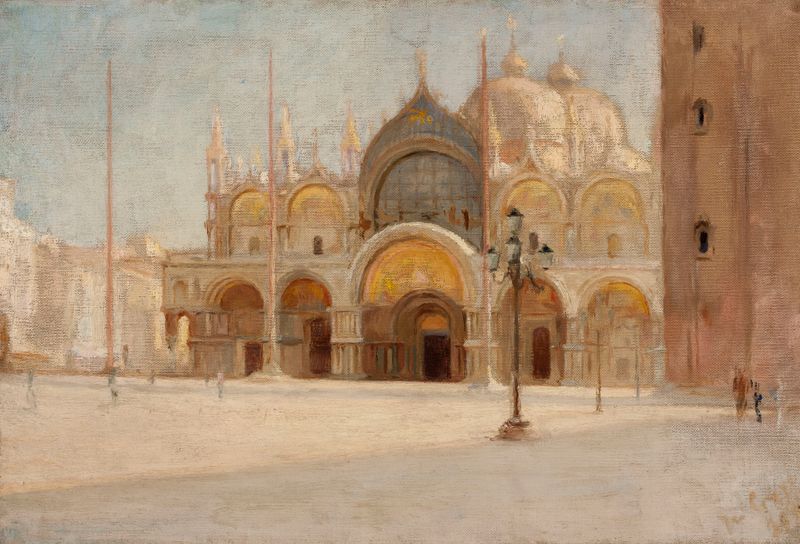
St Mark’s Square in Venice
Jan Ciągliński
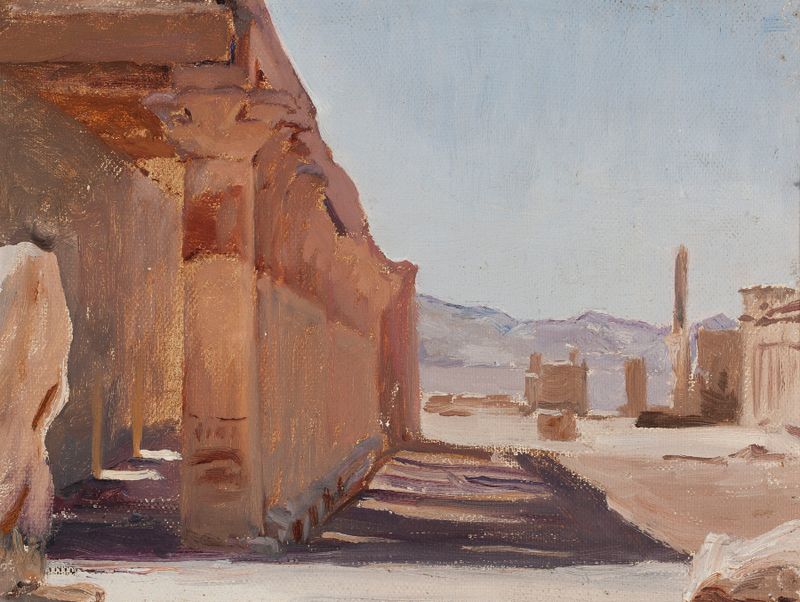
Temple. From the journey to Egypt
Jan Ciągliński
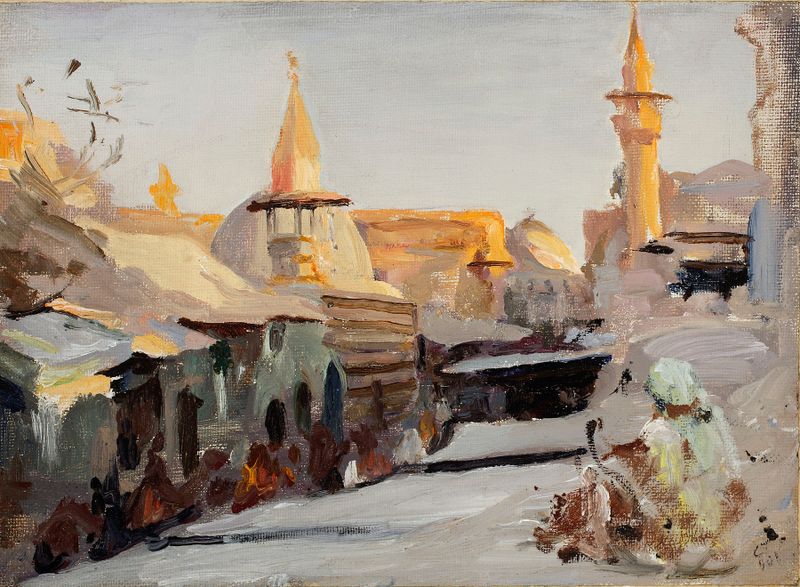
Street in Damascus. From the journey to Palestine
Jan Ciągliński
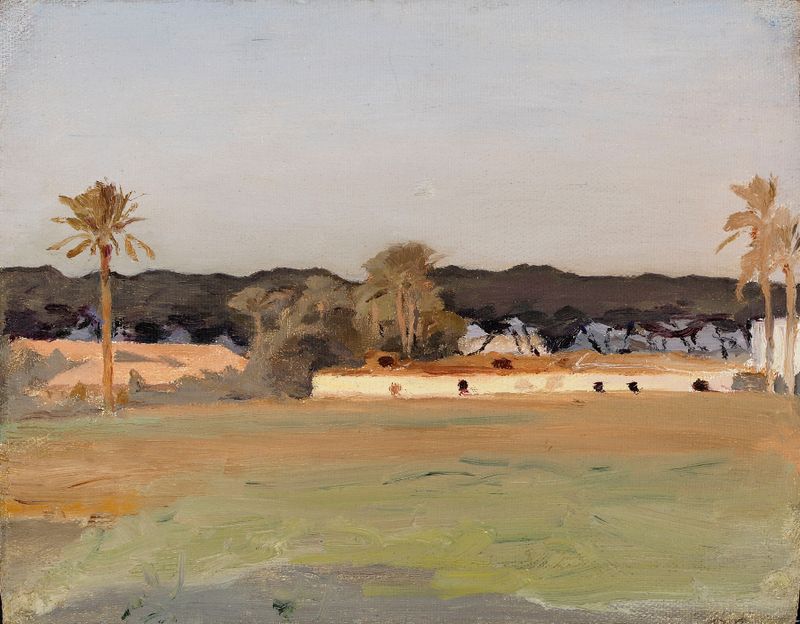
Evening. From the journey to Egypt
Jan Ciągliński
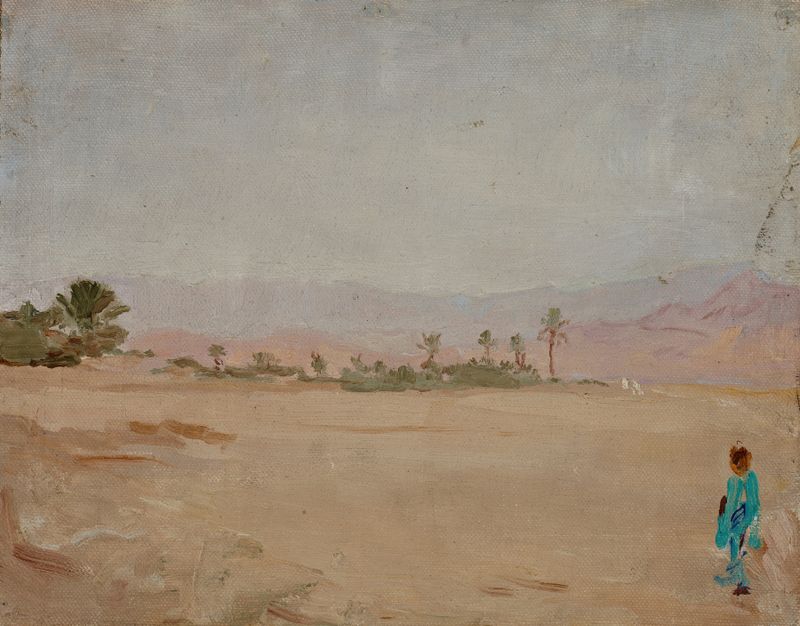
Sahara (Desert)
Jan Ciągliński
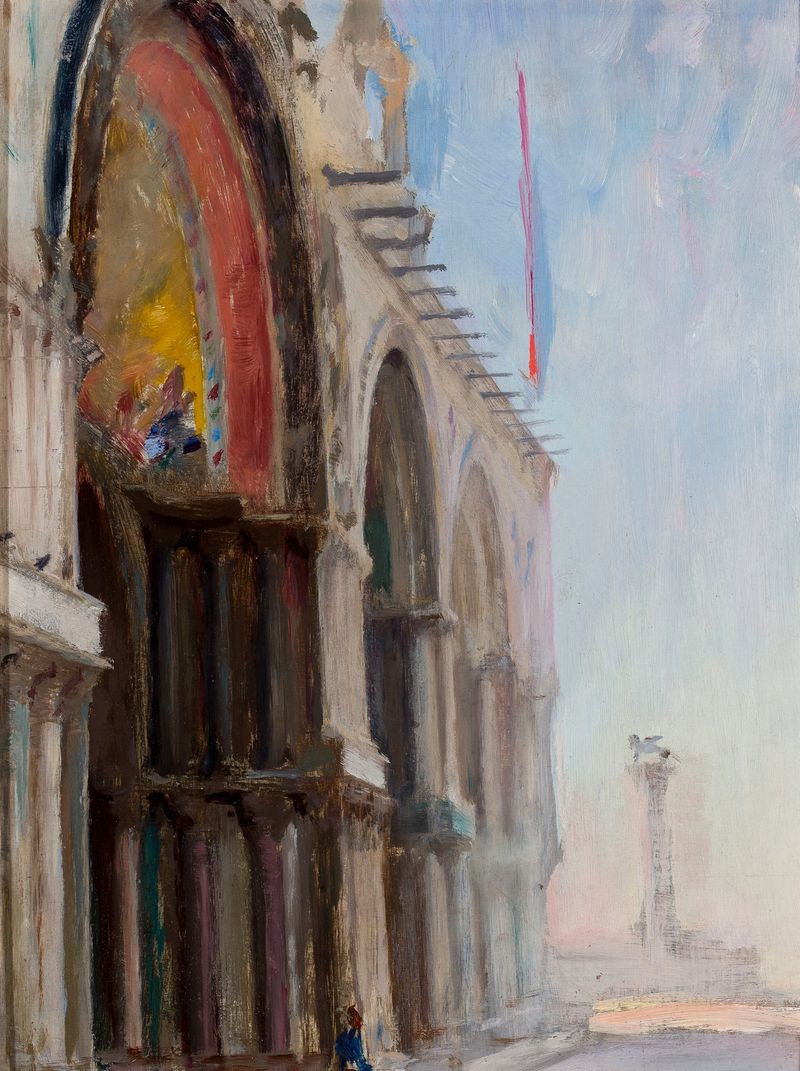
Venice – San Marco. From the journey to Italy
Jan Ciągliński
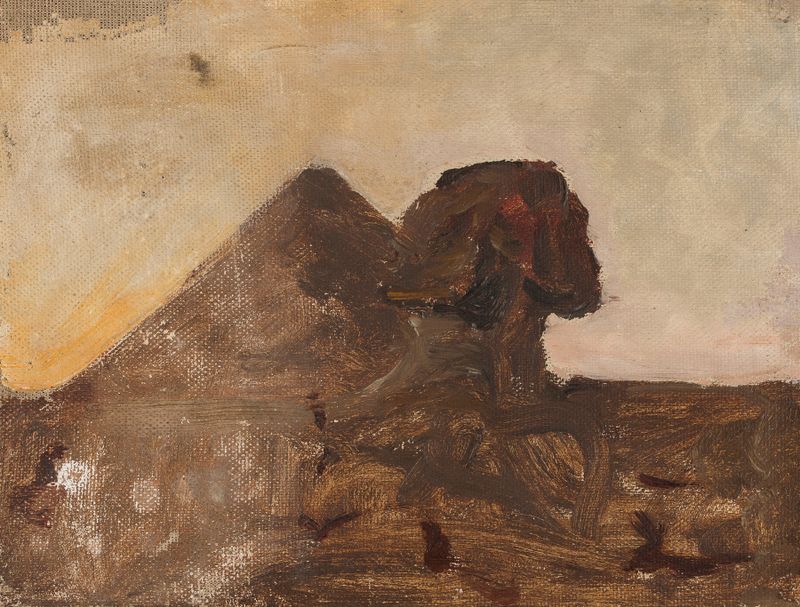
Evening in the desert – Sphinx and pyramid. From the journey to Egypt
Jan Ciągliński





