
Pont à Dornach — History & Facts
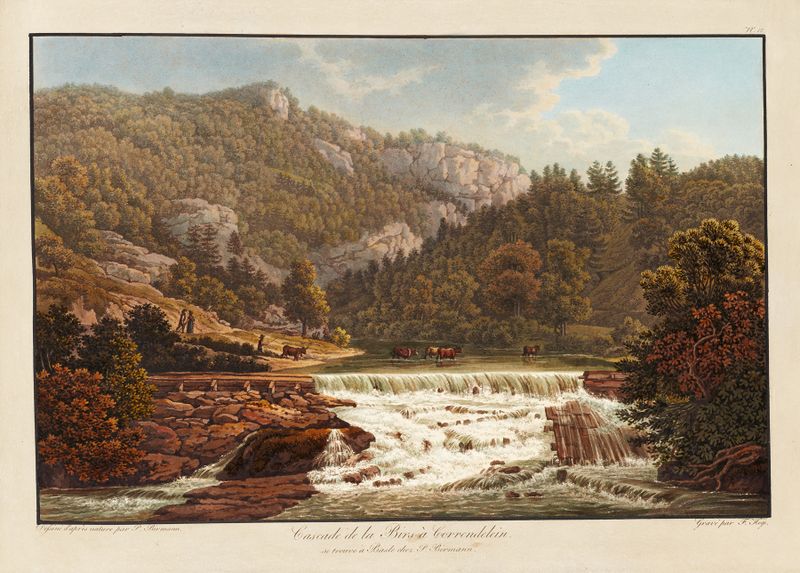
In the stillness of Pont à Dornach, a moment resonates, inviting awe and reflection. The bridge stretches across water not merely as a structure but as a threshold between realms—earth and sky, man and nature, the mundane and the sublime. Look to the left, where the shimmering water mirrors the soft hues of the sky, creating an ethereal connection that pulls the viewer into tranquility. Notice the brushwork, fluid yet deliberate, capturing both the delicate interplay of light and the profound stillness of the scene.
The color palette is a gentle symphony of blues and greens, punctuated by the warm earth tones of the bridge, drawing the eye along its graceful curve and inviting exploration beyond the canvas's edge. Hidden within the serene landscape, there are emotional tensions at play—the juxtaposition of the solid bridge and the fluid water speaks to the balance between permanence and transience. The way the light dances upon the surface creates a fleeting beauty, capturing a moment in time that will never be repeated. Each brushstroke seems to whisper secrets of the place that is at once familiar and distant, evoking a sense of longing and connection. Peter Birmann created Pont à Dornach during a time of artistic exploration, likely in the late 18th or early 19th century.
Influenced by the Romantic movement, his work reflects a growing fascination with nature and the sublime. This period saw artists striving to capture emotional depth through landscapes, responding to a world becoming increasingly industrialized, which made their serene interpretations all the more poignant.
More Artworks by Peter Birmann
Browse all →
View from the Isteinerklotz up the Rhine toward Basel
Peter Birmann

Sursee und Umgebung mit Sempachersee und Alpen
Peter Birmann
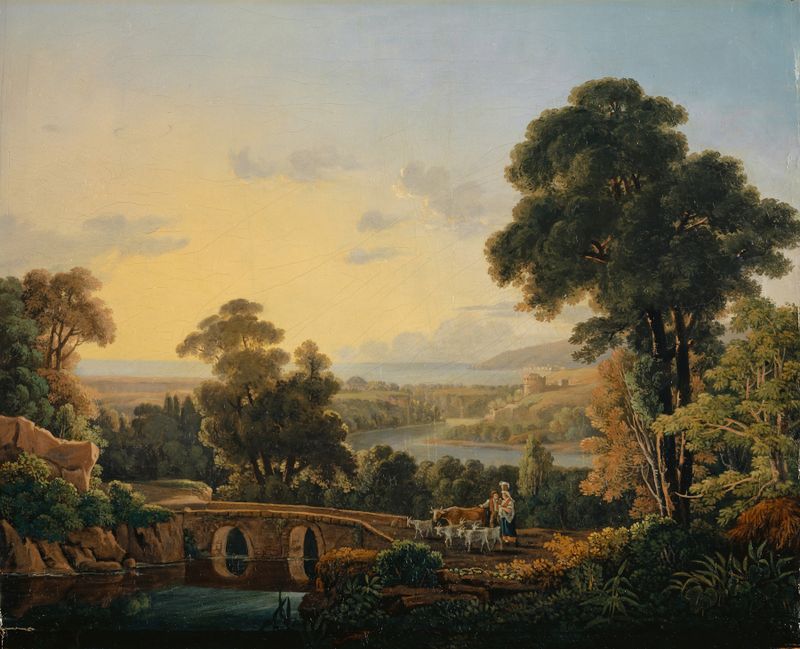
Hilly Landscape with River and Bridge
Peter Birmann
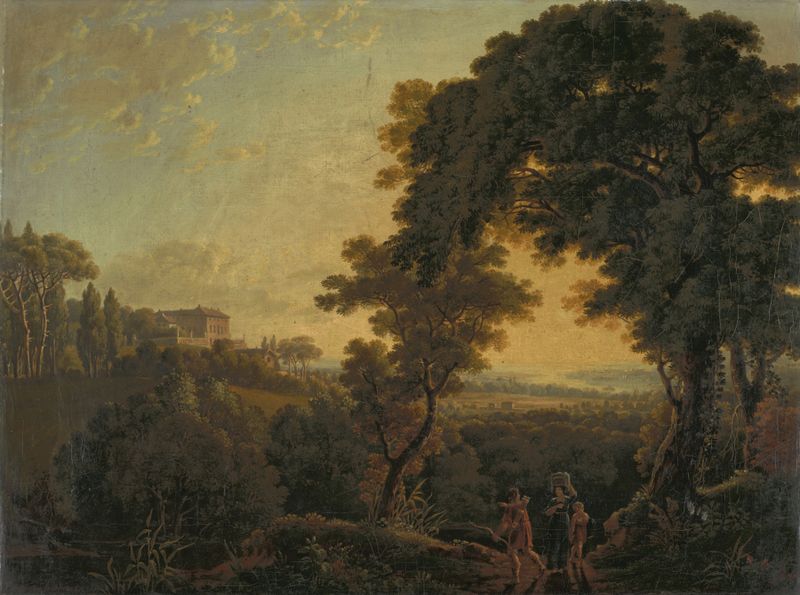
Italian Landscape, Lake Nemi
Peter Birmann

View from the Muttenz Quarry toward Basel
Peter Birmann

Entrée du Val de Moutier
Peter Birmann
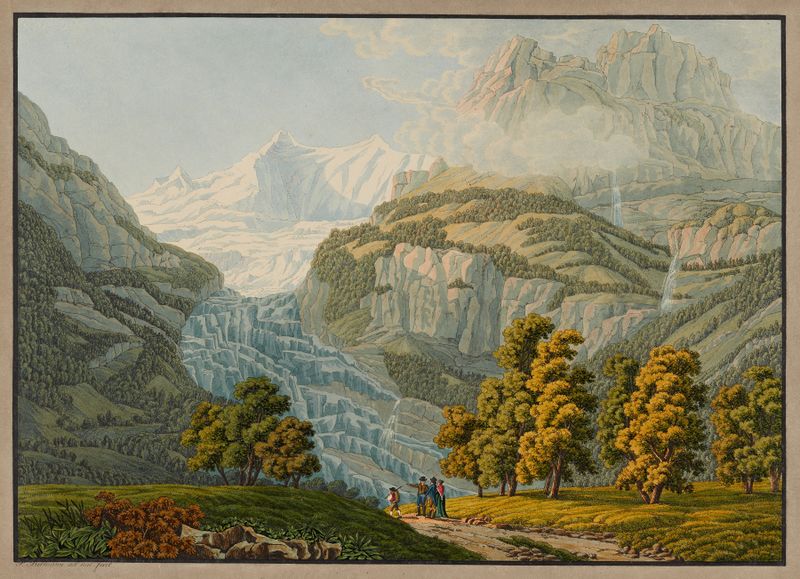
Le Glacier inférieur du Grindelwald, dans le Canton de Berne
Peter Birmann
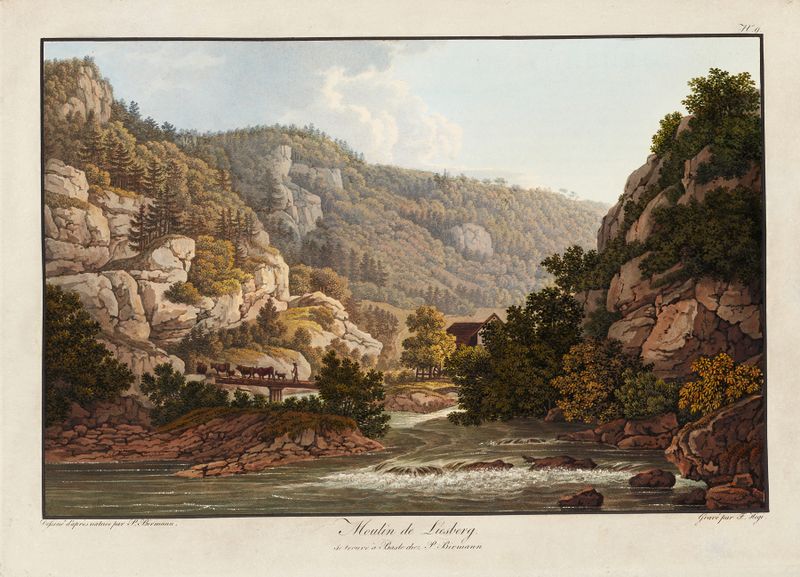
Moulin de Liesberg
Peter Birmann

Blick vom Muttenzer Steinbruch auf Basel (‘Environs de Bâle. prise sur la Carriere de Muttentz’)
Peter Birmann
Cascade de la Birs à Correndelein
Peter Birmann





