
Ponte della Canonica — History & Facts
In the stillness of time, every brushstroke captures a whisper of what remains unseen, lingering in the air like an unspoken memory. As the viewer stands before the unpretentious facade of a Venetian bridge, a sense of loss envelops the moment, inviting contemplation of what has passed through this arch over the waters. Look to the left at the arches of the bridge, their dark reflections rippling in the canal below. The muted palette of earthy tones and gentle blues evokes a somber atmosphere, while the dappled light cutting through the scene gives a fleeting sense of warmth.
Notice how Sargent meticulously balances the stillness of the water with the subtle textures of the stones, harmonizing the tangible with the ephemeral as if to suggest that everything here is both anchored and adrift. Yet, beneath this serene surface lies an emotional tension. The bridge, a passageway built to connect places, stands as a metaphor for the connections that have been lost over time. The quiet, unoccupied space captures solitude and nostalgia, reflecting not only the absence of bustling life but also the fleeting nature of human interactions.
Each element hints at past stories left untold, a reminder that beauty often exists in echoes of what once was. Between 1903 and 1907, Sargent found himself in Venice, a city that profoundly influenced his work during this period. As he painted Ponte della Canonica, he was navigating the complexities of fame and artistic identity, seeking new expressions away from the constraints of his earlier portraits. In this phase of his career, he turned to landscapes that resonated with his introspective reflections on life, loss, and the passage of time.
More Artworks by John Singer Sargent
Browse all →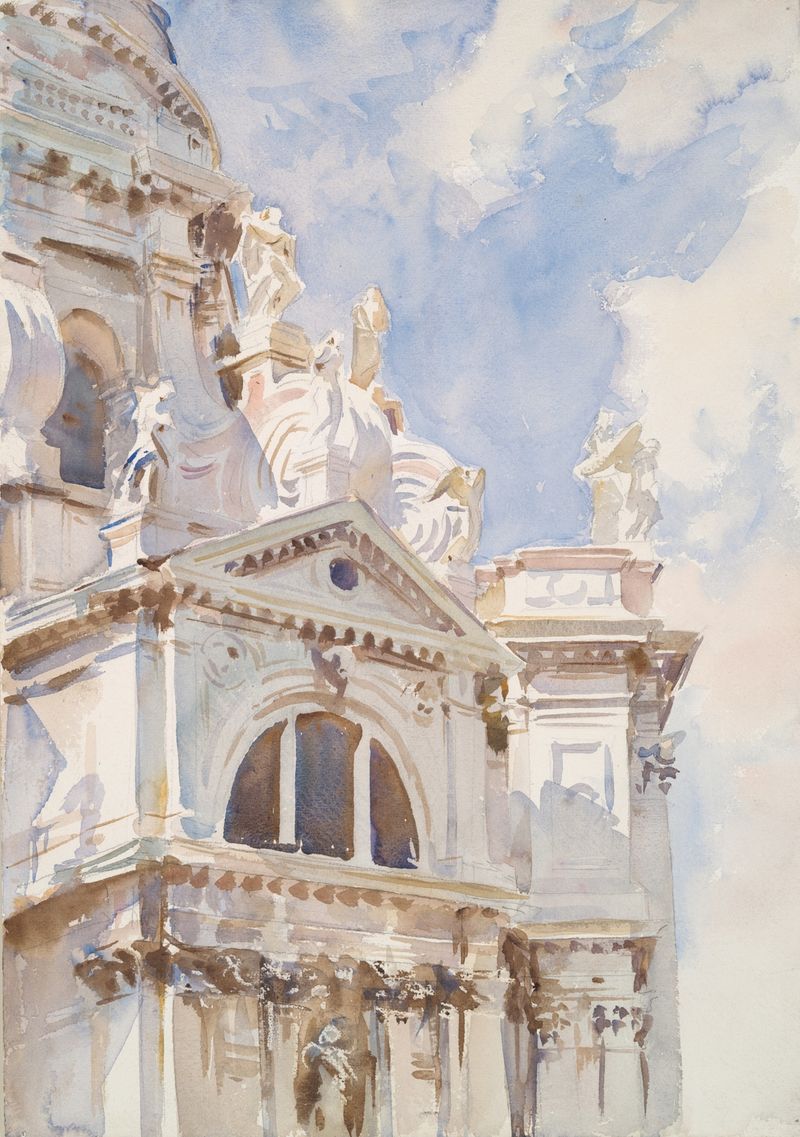
The Salute, Venice
John Singer Sargent

Mrs. Charles Deering (Marion Denison Whipple)
John Singer Sargent
A Moroccan Street Scene
John Singer Sargent
The Salute, Venice
John Singer Sargent
Tyrol
John Singer Sargent
Study for "Gog and Magog," for the Boston Public Library
John Singer Sargent
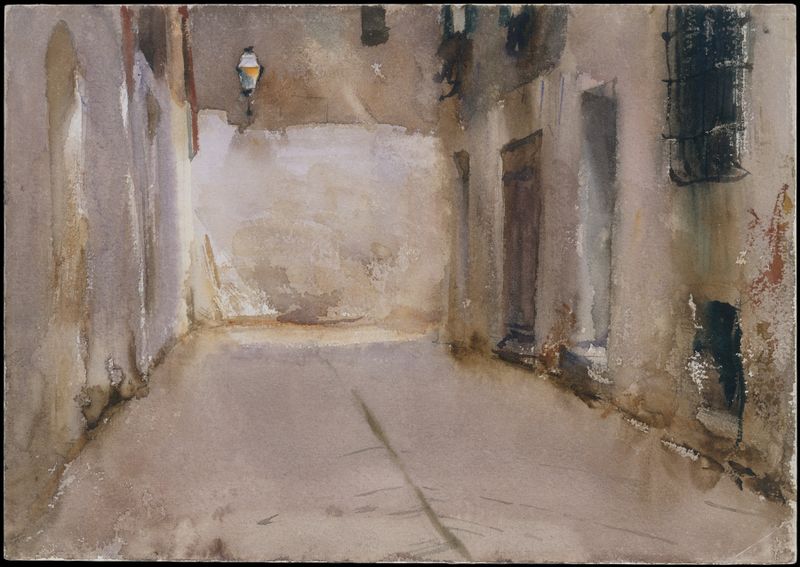
Venice
John Singer Sargent
Alpine Pool
John Singer Sargent
The Piazzetta with Gondolas
John Singer Sargent
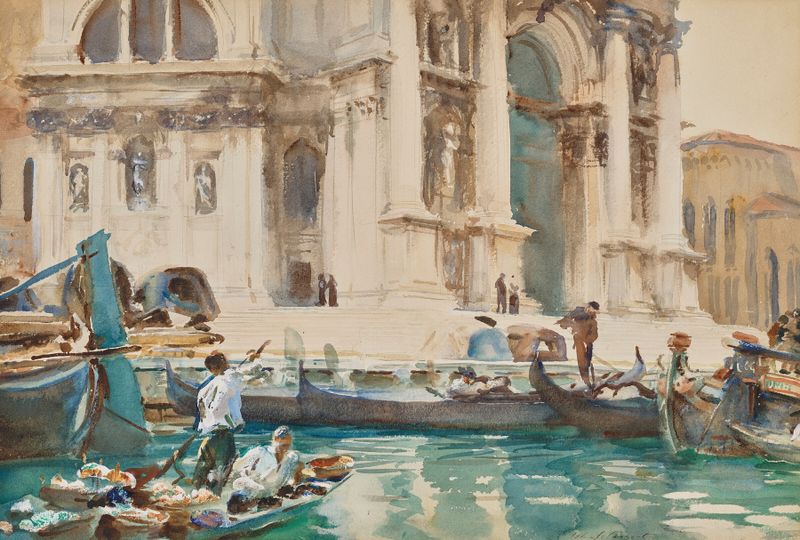
The Façade of La Salute, Venice
John Singer Sargent
More Architecture Art
Browse all →
The statue of Liberty
Frédéric Auguste Bartholdi

View of Houses in Delft, Known as ‘The Little Street’
Johannes Vermeer

View of Houses in Delft, Known as ‘The Little Street’
Johannes Vermeer

The Cathedral in Rouen. The portal, Grey Weather
Claude Monet

The yellow house
Vincent van Gogh

The Church in Auvers-sur-Oise, View from the Chevet
Vincent van Gogh