Poppi in the Casentino, Tuscany — History & Facts
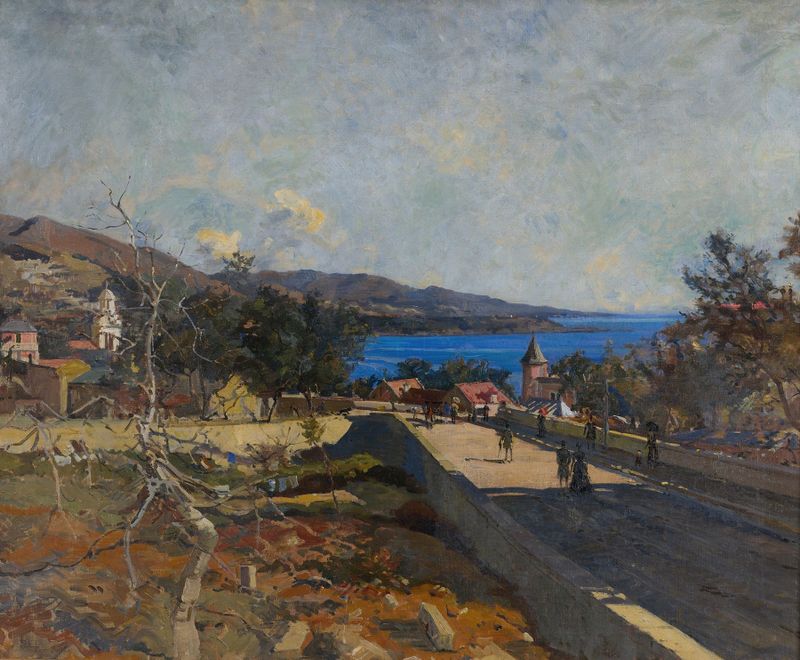
In moments suspended between reality and reverie, the essence of ecstasy emerges, inviting us to pause and reflect. Focus on the sweeping landscapes that cradle the figure in the foreground, drawing your eye first to the lush hills that unfurl into the distance. Notice how the vibrant greens and soft golds intertwine, evoking a sense of warmth and vitality. The light dances across the scene, illuminating patches of wildflowers that seem to pulse with life, while the shadowy contours of the hills create a gentle contrast, grounding the exuberance of nature. Delve deeper, and you’ll find a tapestry of emotional tensions woven through the canvas.
The solitary figure, caught in a moment of introspection, hints at both solitude and connection with the surrounding beauty. The juxtaposition of the expansive landscape against the intimate scale of the figure conveys a sense of both belonging and alienation, echoing the universal search for joy amidst the vastness of existence. Each brushstroke whispers secrets of ecstasy, inviting the viewer to experience a fleeting connection to nature and self. In 1910, the artist created this work while residing in France, reflecting a personal phase of exploration and growth.
As a member of the American expatriate community, he was influenced by the changing art scene around him, experimenting with light and color to evoke deeper emotional resonance. This period in his life marked a profound engagement with landscapes, mirroring his own quest for meaning and beauty within the complexities of the modern world.