Rio di San Barnaba, Venice — History & Facts
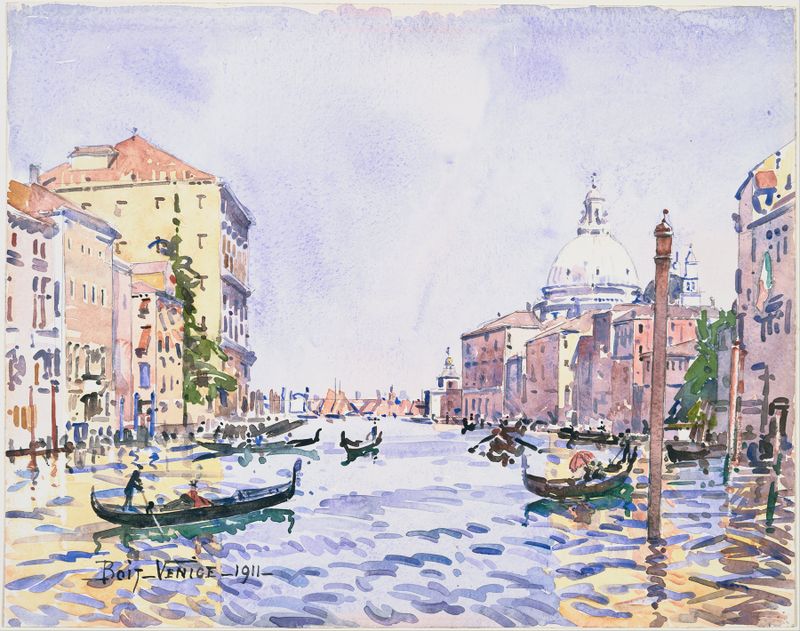
How can a moment in time evoke divinity through mere paint? The answer lies within the transformative power of artistry, where each stroke channels an ethereal essence that transcends the mundane. Look closely at the shimmering water of the canal. Notice how the reflections of the buildings ripple and dance on the surface, blurring the lines between reality and illusion. The palette is a harmonious blend of soft blues and gentle earth tones, evoking a sense of calm amidst the bustling life of Venice.
The composition draws the eye toward the bridge, an architectural embrace that invites exploration, while the soft interplay of light and shadow offers a serene backdrop to the scene. Delve deeper, and the contrasts come alive: the rigidity of the stone architecture stands in opposition to the fluidity of the water, creating a dialogue between permanence and transience. The warm sunlight glancing off the buildings suggests a divine presence, as if the light itself carries whispers of the past. The quiet boats floating serenely reflect both solitude and the eternal dance of existence in this vibrant city, inviting contemplation on the nature of life and divinity. Edward Darley Boit painted this captivating scene in 1911 while residing in Venice, a city that had inspired many artists before him.
At this time, the world was on the brink of change, with modernist movements beginning to challenge traditional forms. Boit's work reflects the tension between the old and the new, capturing Venice’s timeless beauty as he navigated his evolving understanding of art in a rapidly transforming world.