
Porch, Peckenham Church, Kent — History & Facts
Can beauty exist without sorrow? In Porch, Peckenham Church, Kent, we are invited to explore a moment suspended between the past and the present, where the echoes of time resonate through nature and architecture. Look to the left at the delicate archway, its intricate stonework softly illuminated by dappled sunlight filtering through leafy branches above. The warm hues of ochre and earthy green create a serene atmosphere, drawing the eye into the embrace of the church's welcoming porch. Notice how the shadows play along the worn stones, inviting contemplation while the surrounding flora breathes life into the composition, a gentle reminder of nature’s perpetual rhythm. Beneath the surface, a profound transformation unfolds.
The juxtaposition of the sturdy stone structure against the soft, ephemeral foliage suggests a dialogue between man and nature, permanence and transience. The detailed craftsmanship of the porch hints at the devotion of those who built it, while the encroaching greenery signifies nature's unyielding reclaiming of space, capturing both human aspirations and the inevitability of change. James Holland painted this scene in 1830, during a period when Romanticism was at the forefront of artistic expression. Living in England, he captured the shifting landscapes and emotional ties of his time, as the Industrial Revolution began to reshape the country.
This work reflects his fascination with the English countryside and its architectural heritage, indicative of a broader movement toward appreciating the simple beauty found in everyday life.
More Artworks by James Holland
Browse all →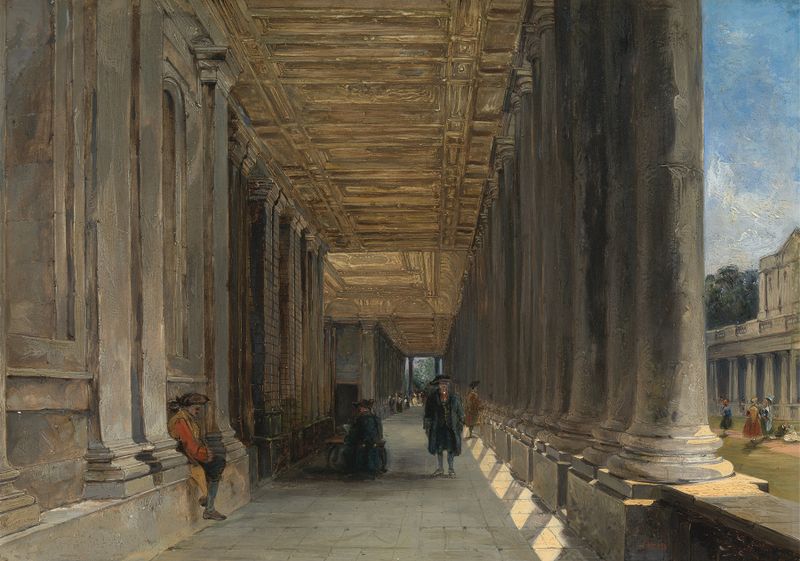
The Colonnade of Queen Mary’s House, Greenwich
James Holland
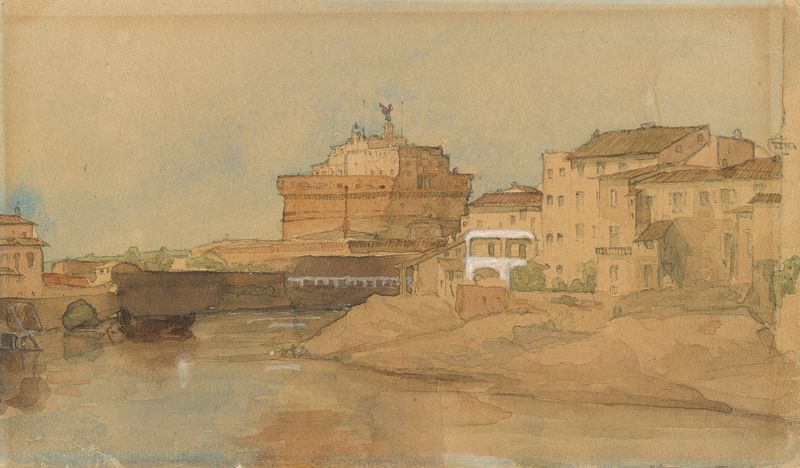
View of Castel Sant’ Angelo from the Tiber
James Holland
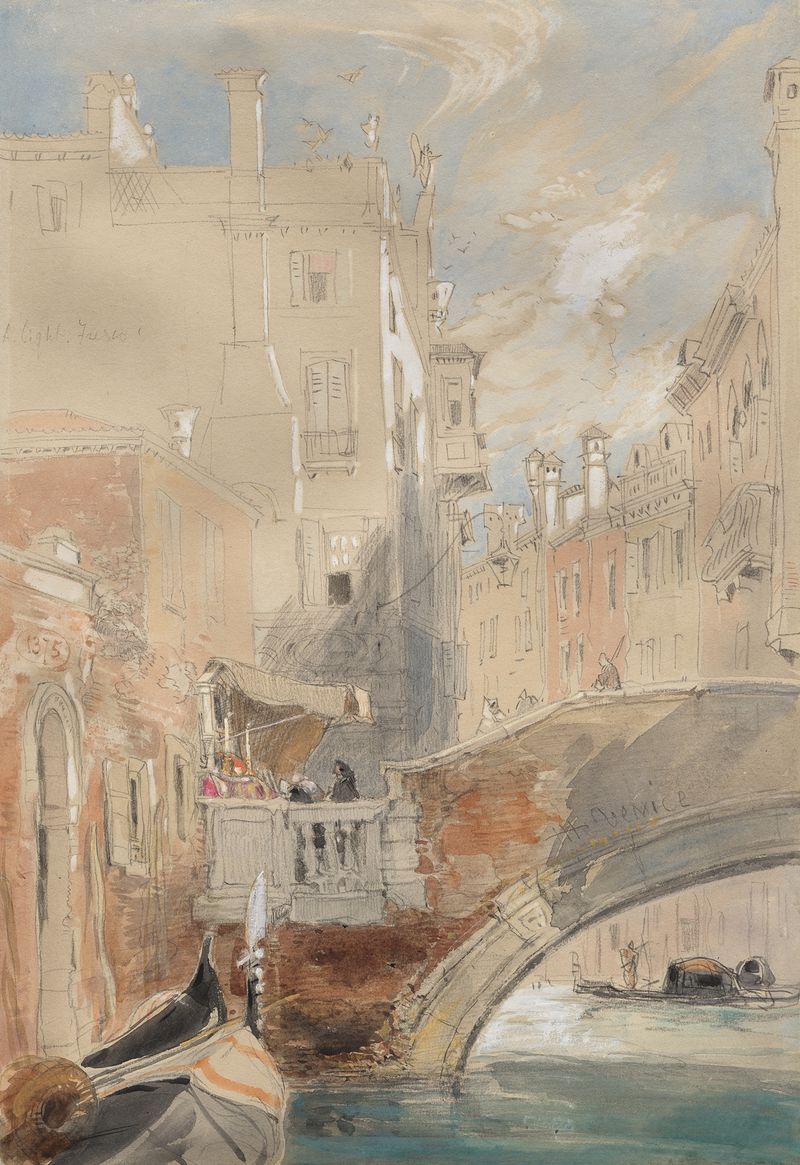
A Canal, Venice
James Holland
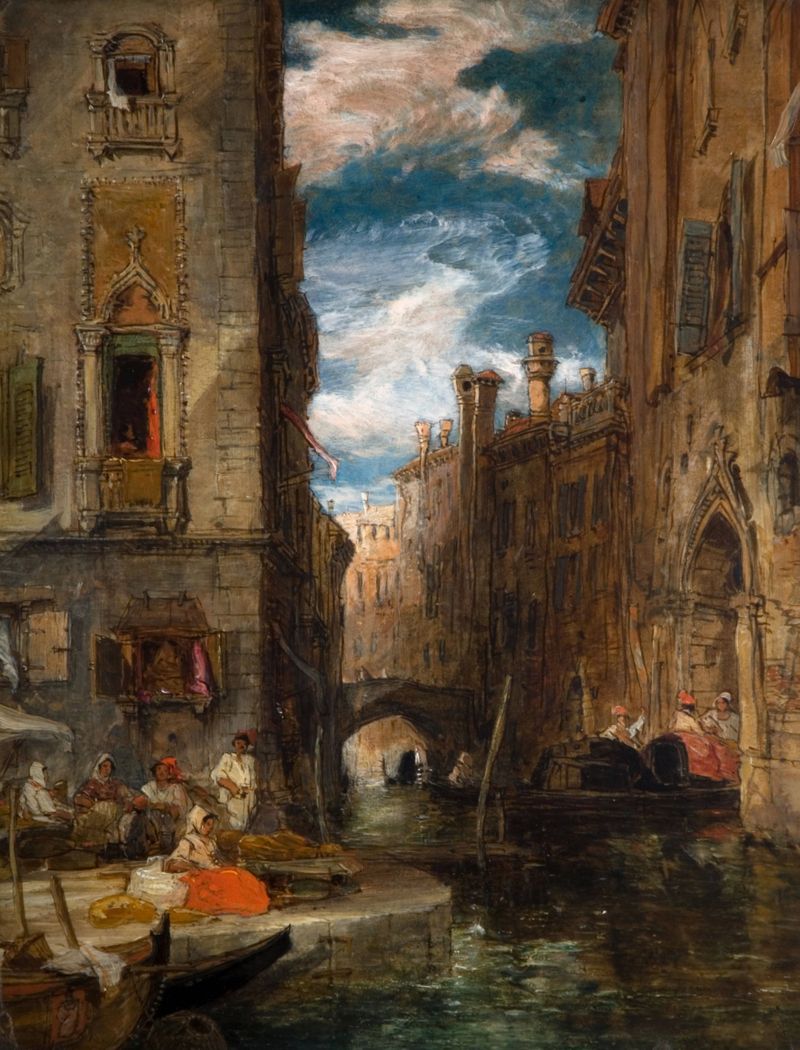
A Recollection Of Venice
James Holland
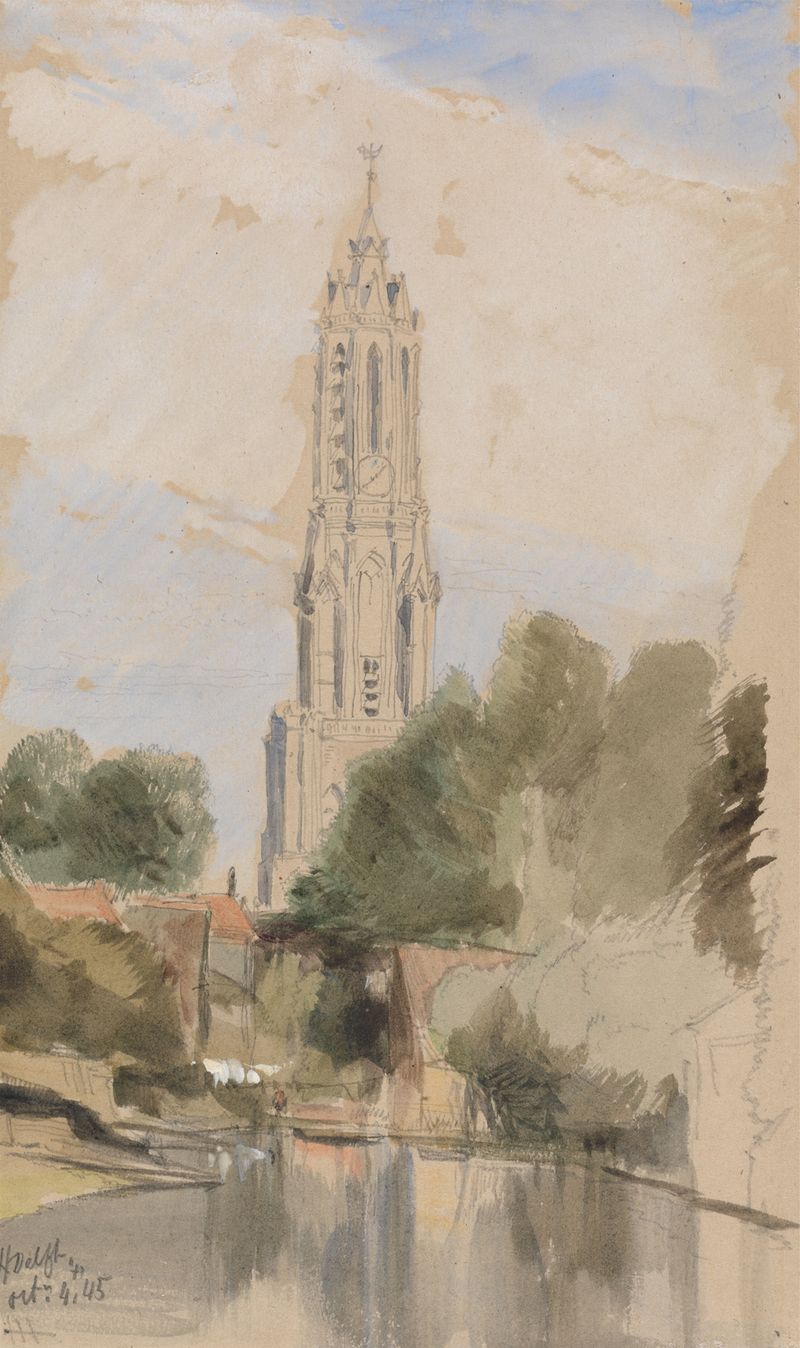
Delft
James Holland
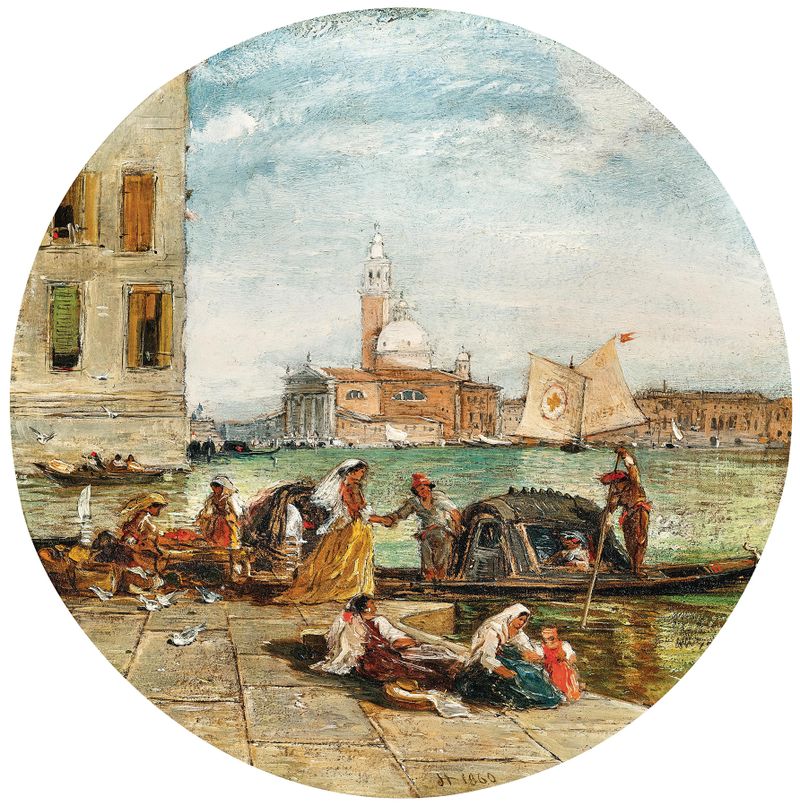
Venice, a view of San Giorgio Maggiore
James Holland
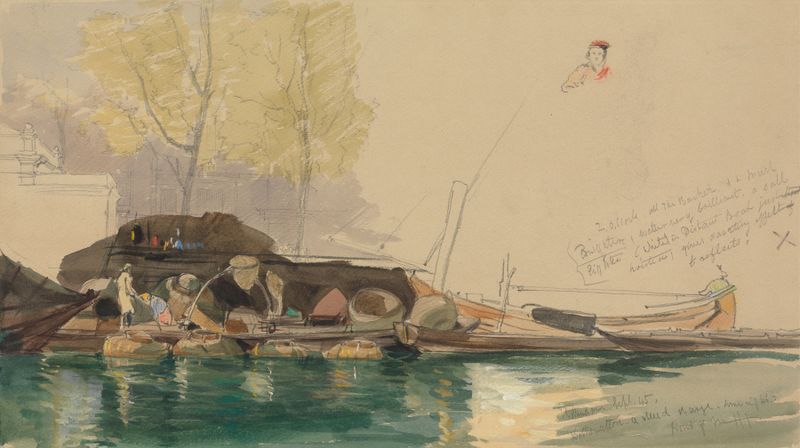
Barges on a Canal in Rotterdam
James Holland

Landschap bij Sintra, Portugal
James Holland
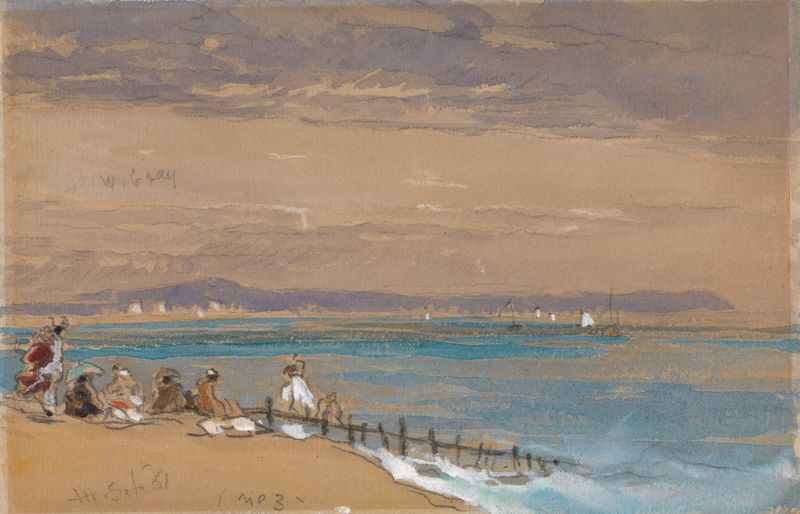
Beach Scene with Figures by a Breakwater
James Holland
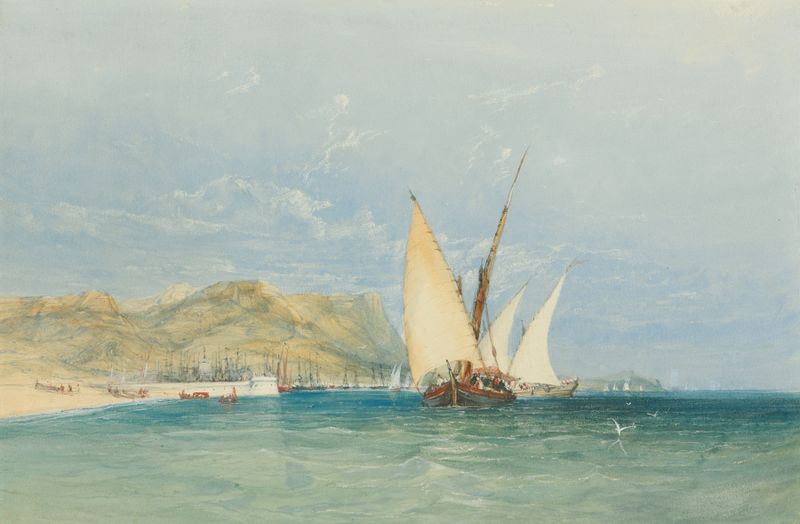
Coast Scene with Sailing Boats
James Holland
More Architecture Art
Browse all →
The statue of Liberty
Frédéric Auguste Bartholdi

View of Houses in Delft, Known as ‘The Little Street’
Johannes Vermeer

View of Houses in Delft, Known as ‘The Little Street’
Johannes Vermeer

The Cathedral in Rouen. The portal, Grey Weather
Claude Monet

The yellow house
Vincent van Gogh

The Church in Auvers-sur-Oise, View from the Chevet
Vincent van Gogh