
Porche et passage intérieur de l’entrée du cimetière de Saint Médard, 41 rue Daubenton — History & Facts
In the stillness of the moment captured, dreams intertwine with the everyday, subtly inviting the viewer into a realm suspended between reality and reverie. Focus on the intricate interplay of light and shadow in this tranquil scene. Look to the left, where sunlight gently filters through the leafy canopy, casting dappled patterns on the cobblestone path that winds toward the cemetery entrance. Notice the muted yet rich colors that evoke a sense of nostalgia, with soft earth tones creating a harmonious dialogue between the natural and the constructed.
The composition, with its carefully balanced elements, draws the eye inward, inviting exploration of the intimate passage depicted. Yet beyond the serene aesthetics lies a profound commentary on life and mortality. The juxtaposition of the vibrant greenery against the somber façade of the cemetery hints at the delicate balance between existence and oblivion. The path, both inviting and foreboding, represents the journey we all must undertake.
In this moment, tranquility exists alongside an undercurrent of unnamed longing, encouraging the viewer to reflect on their own passage through time. Georges-Henri Manesse painted this work in 1909, a period marked by artistic exploration and the shifts of modernity in France. Living in the bustling city of Paris, he was influenced by the Impressionist movement, yet sought to carve out a distinct voice within the world of art. The societal changes and introspective themes of the early 20th century resonate in his work, as he captures not only the physical landscape but also the emotional terrains that accompany the human experience.
More Artworks by Georges-Henri Manesse
Browse all →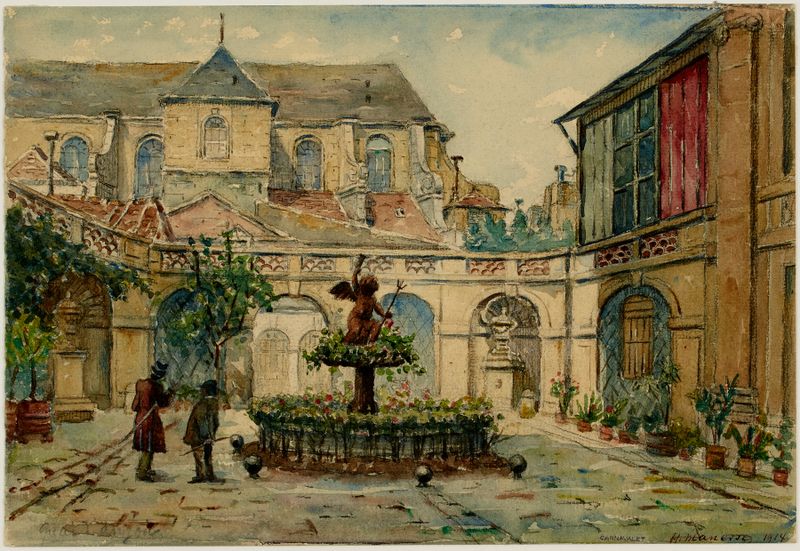
Cour intérieure de l’Hôtel Hesselin, 24 quai de Béthune
Georges-Henri Manesse
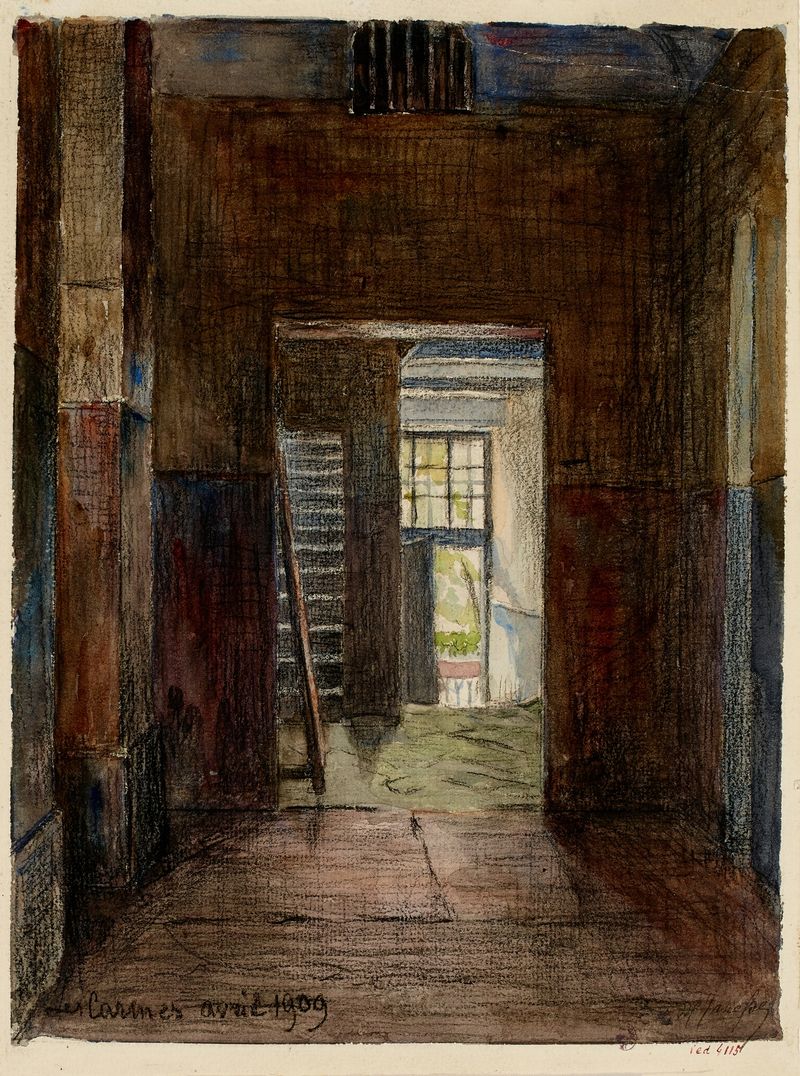
Intérieur du couvent des Carmes, rue de Vaugirard
Georges-Henri Manesse
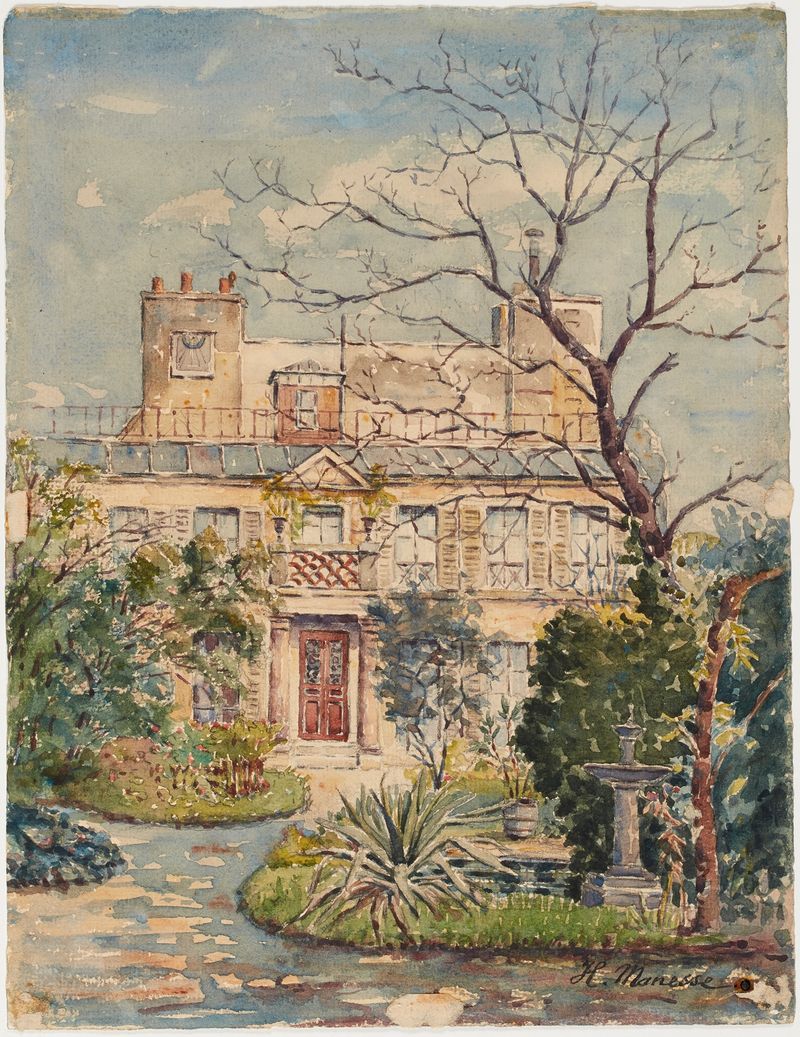
Maison de Victor Hugo, rue du Cherche-Midi
Georges-Henri Manesse
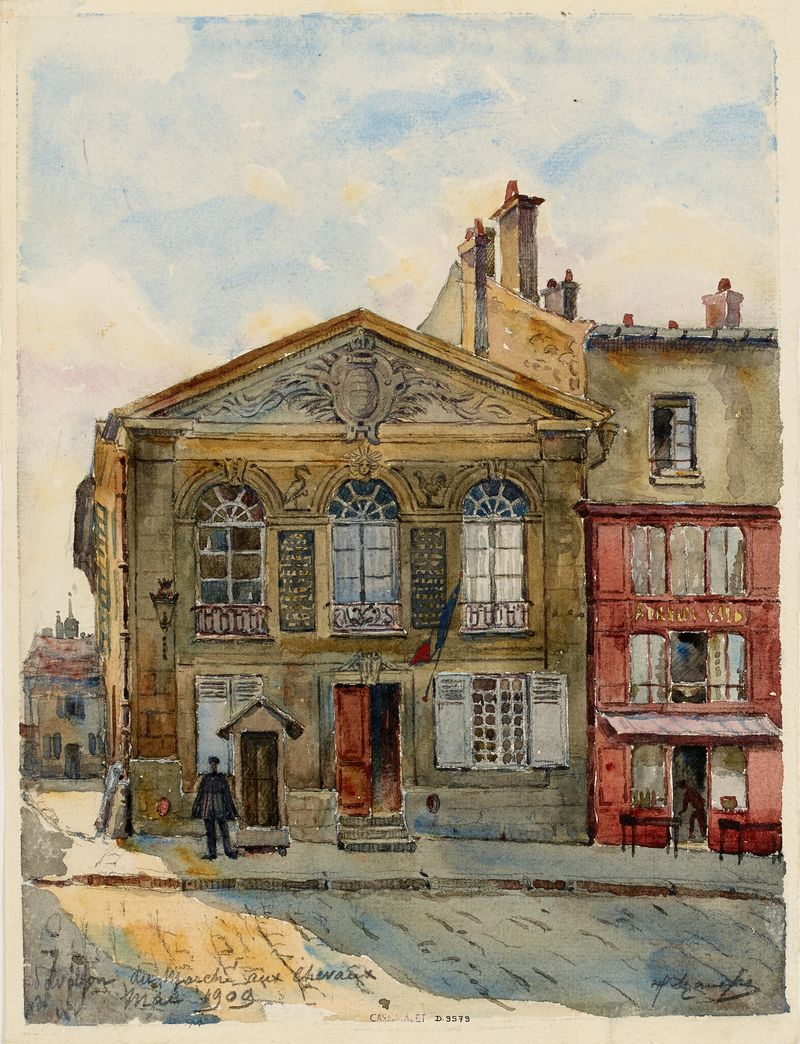
Le pavillon de police du Marché aux chevaux, rue Geoffroy Saint Hilaire
Georges-Henri Manesse

Passerelle des Arts
Georges-Henri Manesse

Vieille maison du XVè siècle, 6 rue Boutebrie
Georges-Henri Manesse
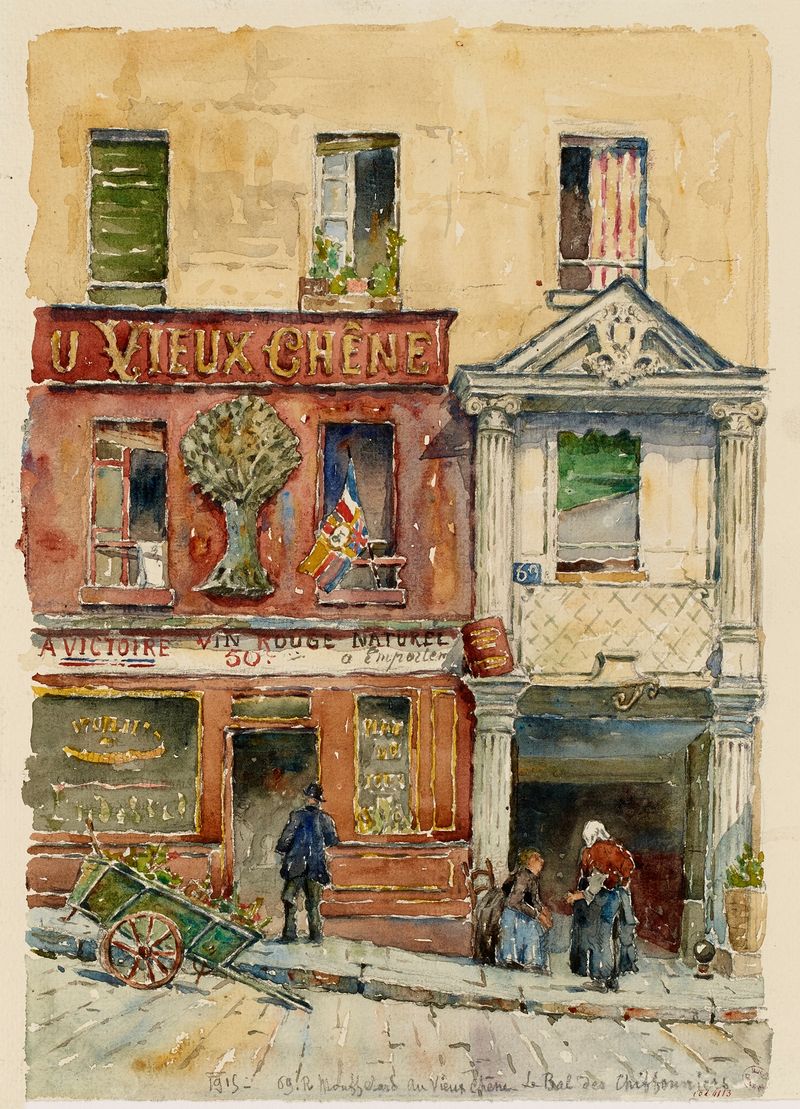
69, rue Mouffetard Boutique de vins à l’enseigne du Vieux chêne
Georges-Henri Manesse
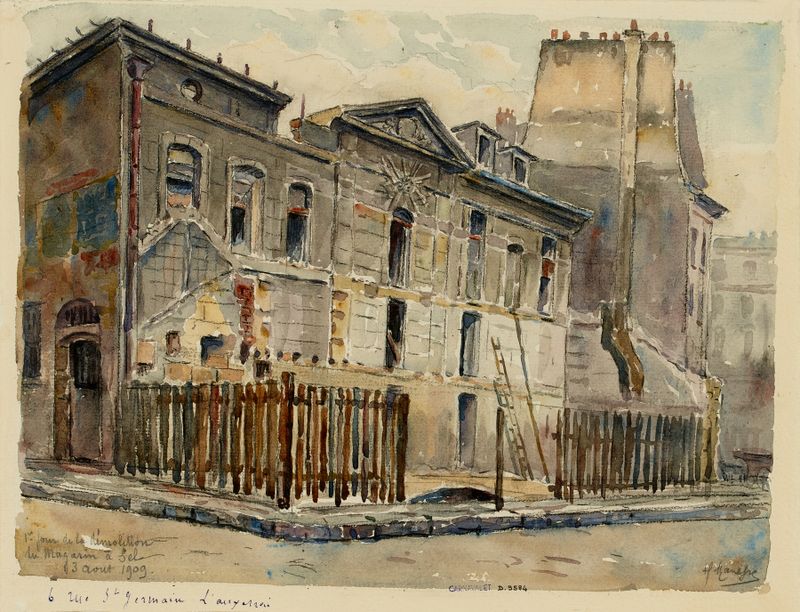
Premier jour de la démolition du magasin à sel, 6 rue Saint Germain de l’Auxerrois
Georges-Henri Manesse
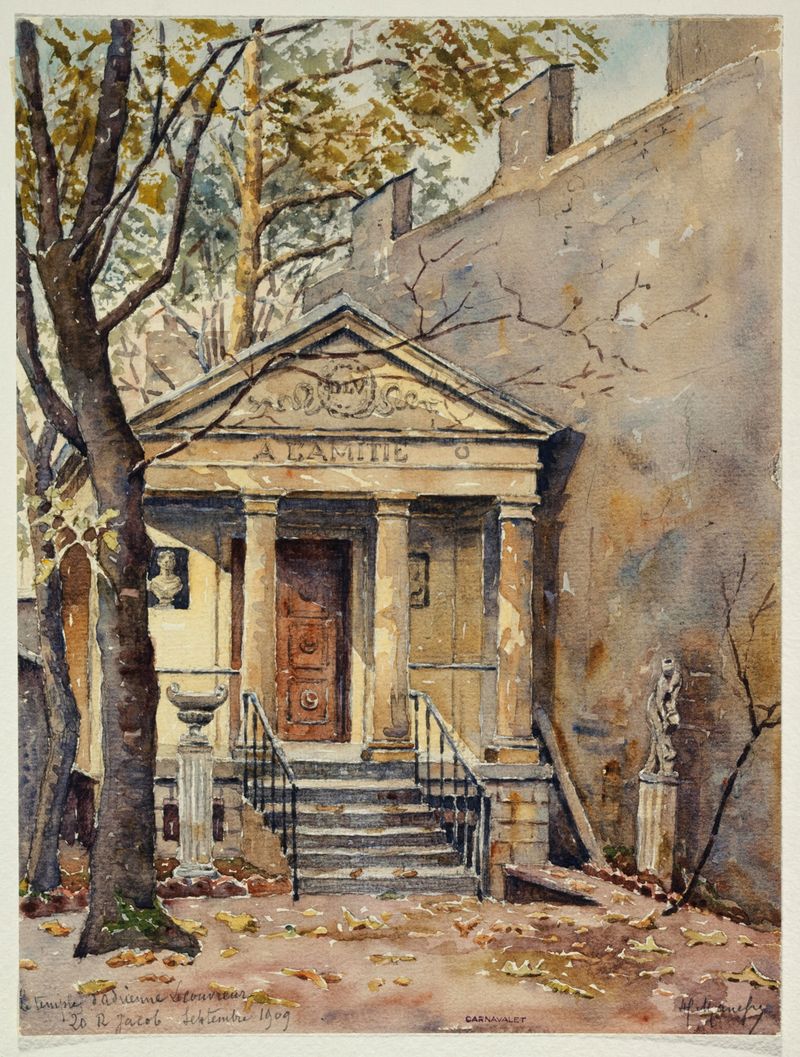
Temple de l’Amitié, 20 rue Jacob où habita Adrienne Lecouvreur
Georges-Henri Manesse

Maison de campagne de Jean-Jacques Rousseau, 20 quai de Passy
Georges-Henri Manesse





