
Port normand — History & Facts
In the delicate dance of hope and despair, art provides a sanctuary for the spirit to breathe. Look to the foreground where vibrant strokes of blue and green intertwine, evoking the restless waters of the port. Notice how the brushwork seems to ripple with life, creating a textured surface that invites the viewer to emerge. The interplay of light and shadow creates an illusion of depth, leading your gaze toward the distant horizon where boats gently sway, their sails catching the dream of dawn.
The vivid hues create an emotional resonance, hinting at the promise of a new day while invoking a sense of nostalgia. Further, observe the contrasting elements within the composition. The lively colors reflect the vitality of the port, yet there’s an underlying stillness that speaks to fleeting moments of introspection. The boats, while active in their surroundings, appear almost paused in time, encapsulating a tension between movement and tranquility.
This duality captures the essence of hope, suggesting that within the chaos of life, there exists a serene beauty waiting to unfurl. Created around 1900, the artist was deeply engaged with the Fauvist movement, experimenting with color and light in new and expressive ways. At this time, Friesz was in Paris, surrounded by fellow avant-garde artists who were reshaping the landscape of modern art. The world was on the cusp of change, and his work reflects not only personal exploration but also a collective yearning for innovation and emotional resonance in a rapidly evolving society.
More Artworks by Emile Othon Friesz
Browse all →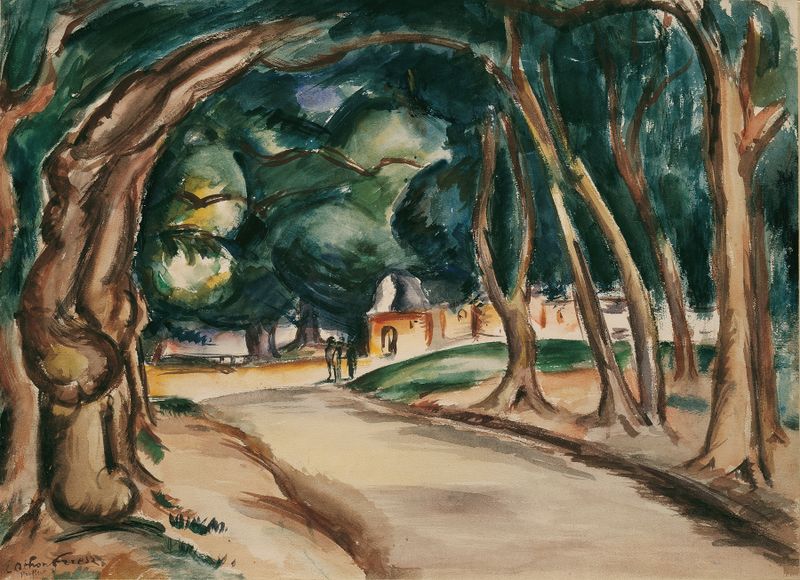
Allee
Emile Othon Friesz
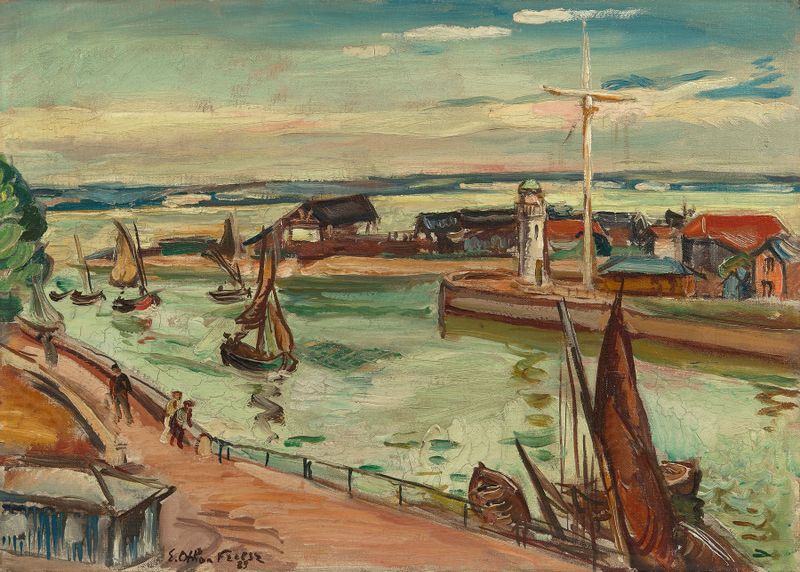
Sortie de port à Honfleur
Emile Othon Friesz
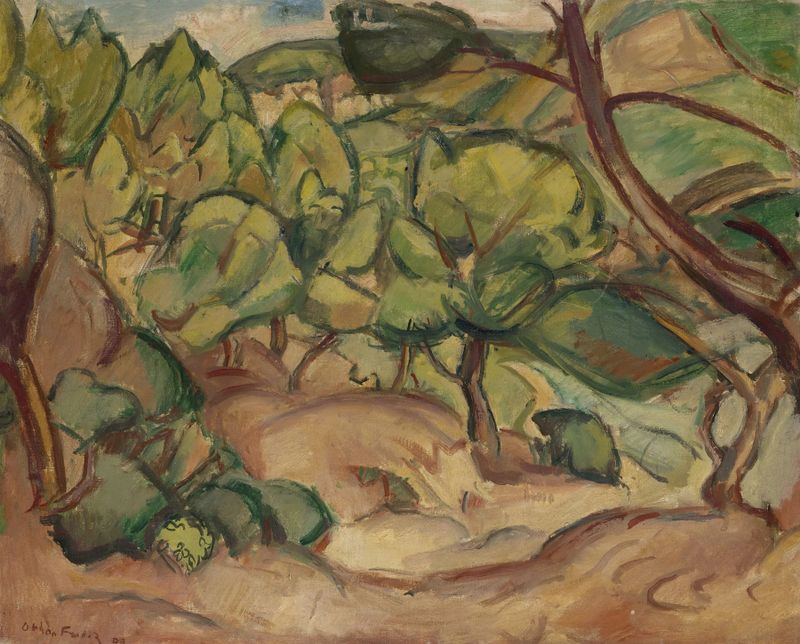
Dans les pins
Emile Othon Friesz
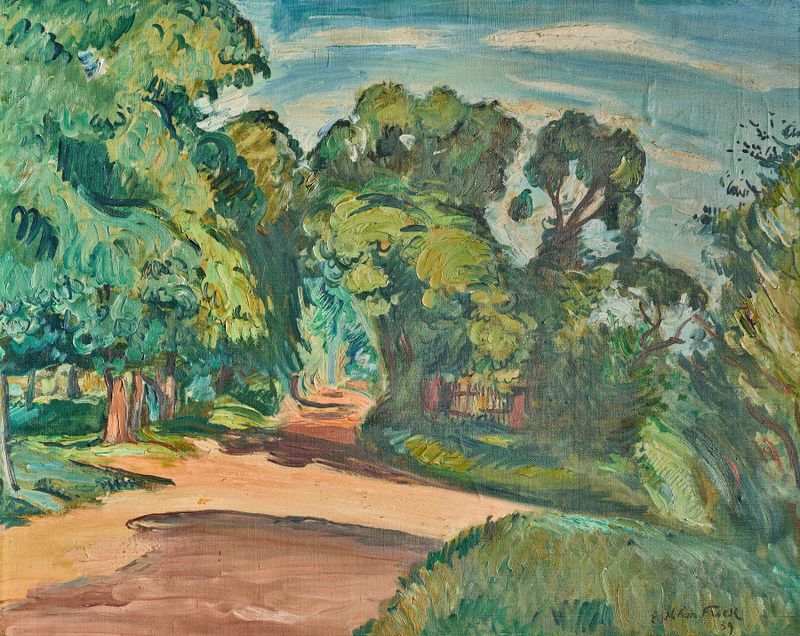
La croisée des chemins
Emile Othon Friesz
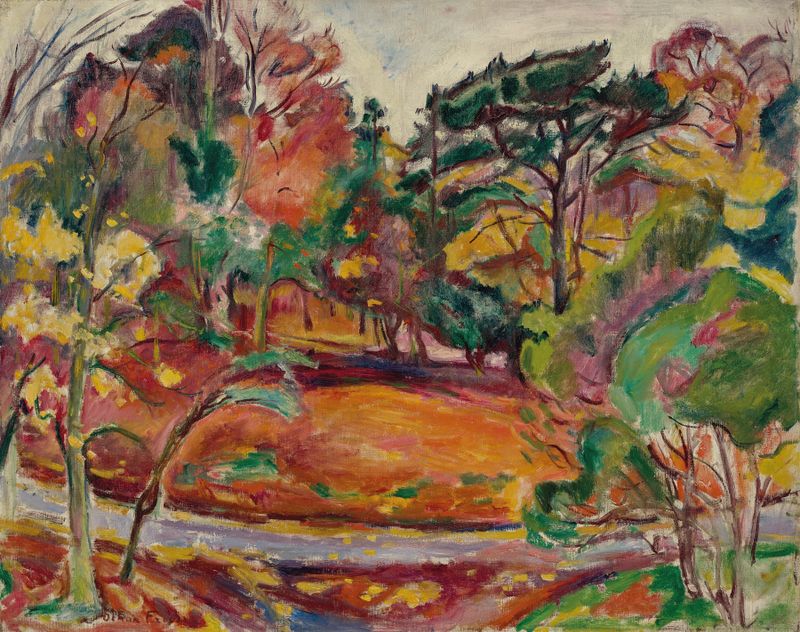
Automne à Honfleur, la Côte de Grâce
Emile Othon Friesz
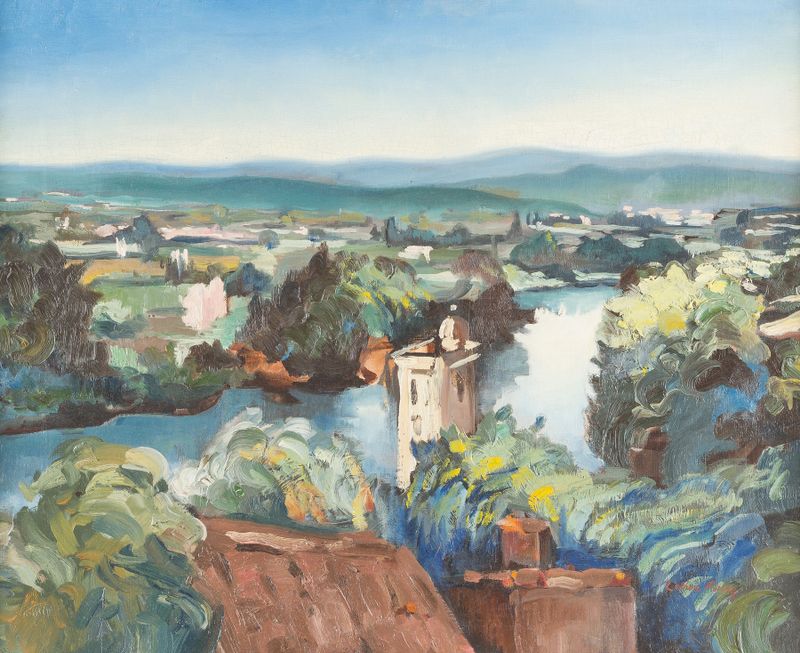
View to the horizon
Emile Othon Friesz
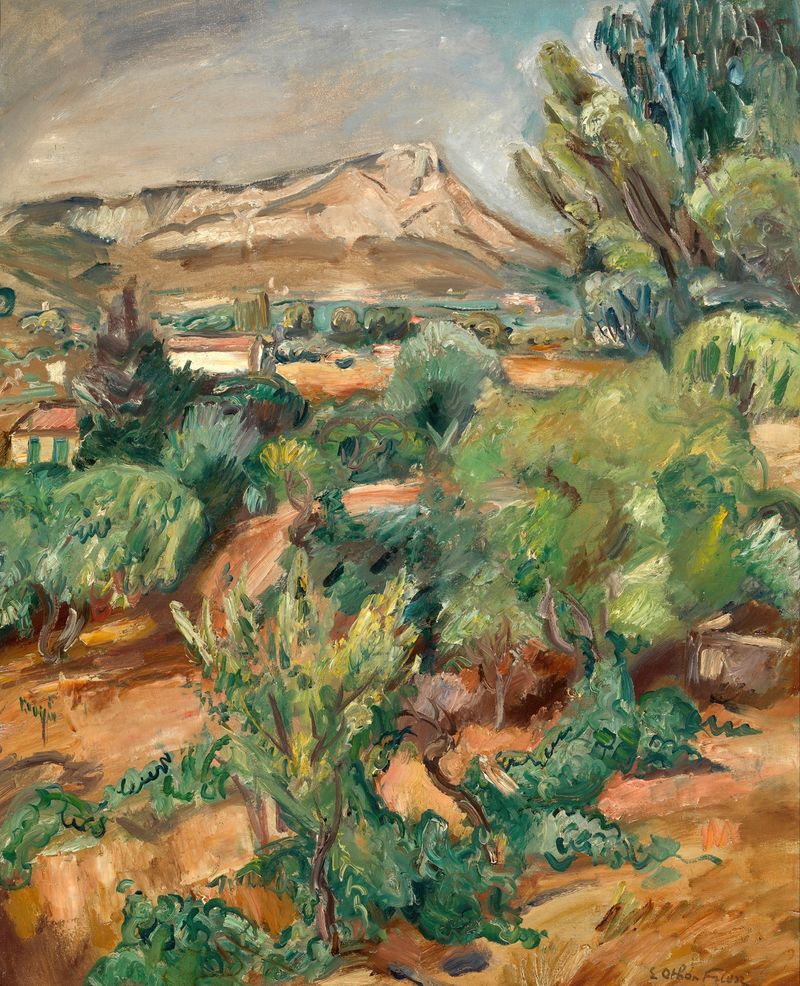
The Mountain Coudon Seen from Cap Brun
Emile Othon Friesz
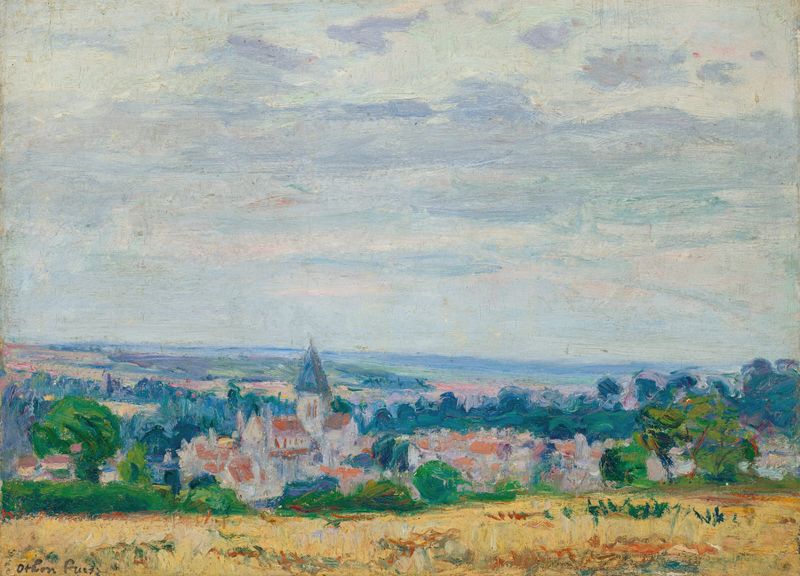
Falaise
Emile Othon Friesz
La Seine À Paris, La Tour Eiffel, Le Jour
Emile Othon Friesz
Falaise
Emile Othon Friesz





