
Portage in Hoarfrost River — History & Facts
A shimmering illusion graces the canvas, inviting contemplation of what lies beneath the surface. Look to the upper portion of the painting, where an ethereal light filters through frost-laden branches, illuminating the snowy path below. The cool palette of blues and whites subtly contrasts with glimmers of sunlight, while the delicate details capture the icy textures of the hoarfrost, drawing the eye inward. The composition is balanced yet dynamic, guiding the viewer's gaze along the river's winding edges, as if beckoning them to embark on a journey through this serene wilderness. However, beneath the tranquil beauty lurks an underlying tension.
The frozen landscape represents both the elegance of nature and the harshness of survival, hinting at the struggles inherent in exploration and endurance. The reflections in the water mirror not just the scene, but also the duality of existence—beauty intertwined with the realities of cold isolation. This illusion of serenity masks a deeper narrative of vulnerability, portraying the fragile dance between admiration and hardship. In this period of his career, the artist created this piece amid the shifting tides of the early 19th century, a time when romanticism was gaining traction in the art world.
Charles Hamilton Smith was immersed in the landscapes of Britain, driven by a fascination with nature’s untamed essence. This work reflects his quest to capture the transient moments of beauty in the wild, a pursuit that resonated with his contemporaries while establishing a personal connection to the romantic ideals of his era.
More Artworks by Charles Hamilton Smith
Browse all →
Situation of H.M.S. Hecla & Griper
Charles Hamilton Smith
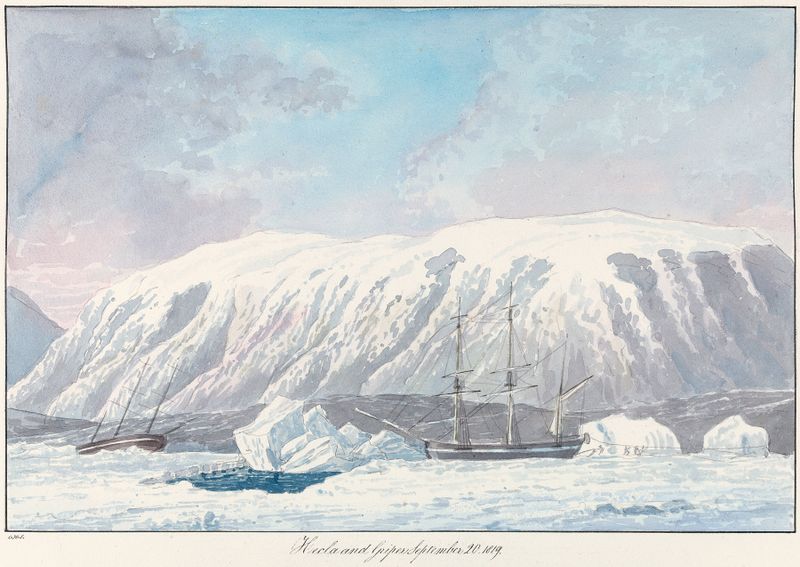
Hecla and Griper
Charles Hamilton Smith

Friendly Cove, Nootka Sound
Charles Hamilton Smith

Iceberg in Baffin’s Bay
Charles Hamilton Smith
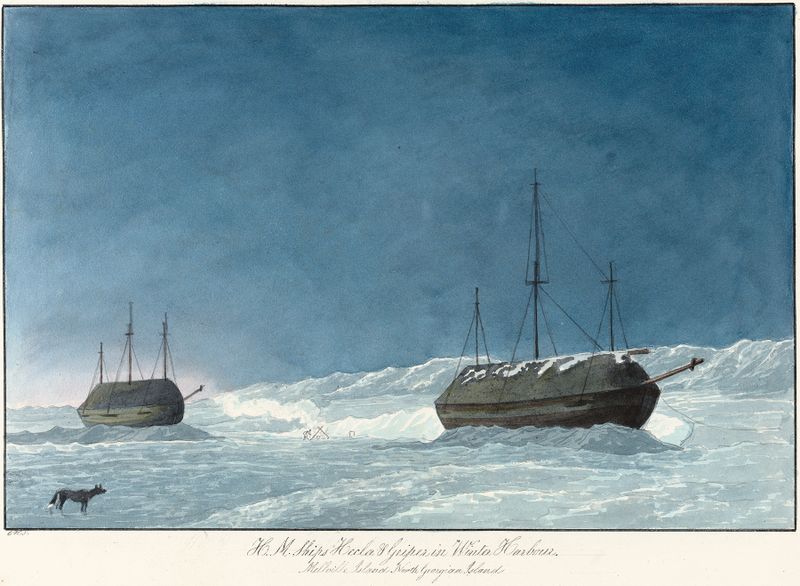
H. M. Ships Hecla and Griper in Winter Harbour
Charles Hamilton Smith

The Erebus & Terror in a Gale in the Pack of the Ice
Charles Hamilton Smith
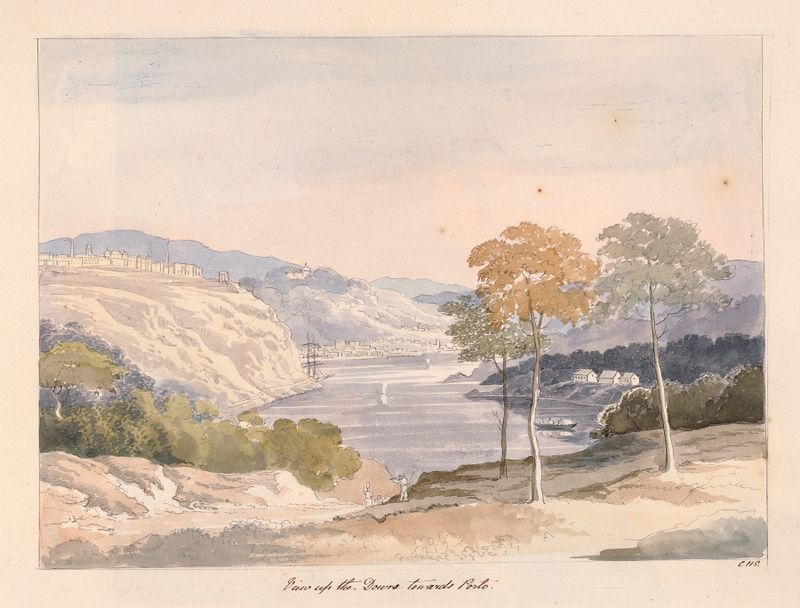
View of the Douro towards Porto
Charles Hamilton Smith
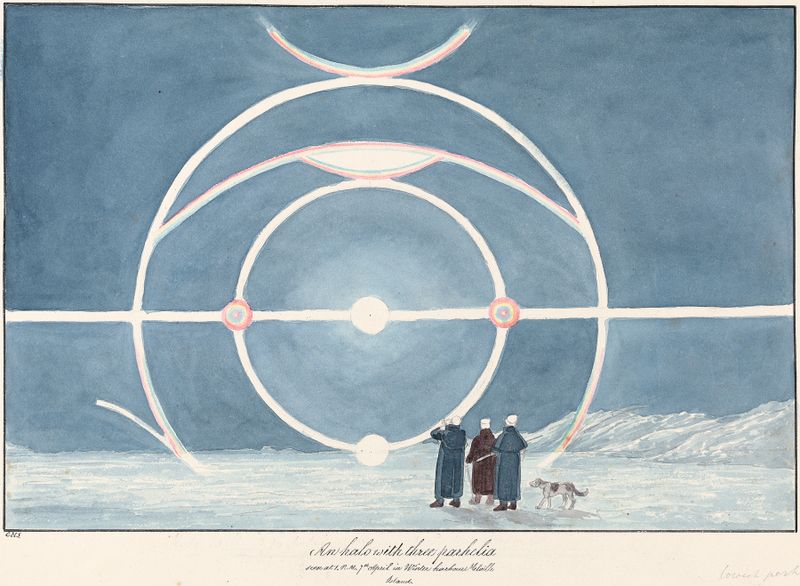
Halo with Three Parhelia, Winter Harbour Melville Island
Charles Hamilton Smith
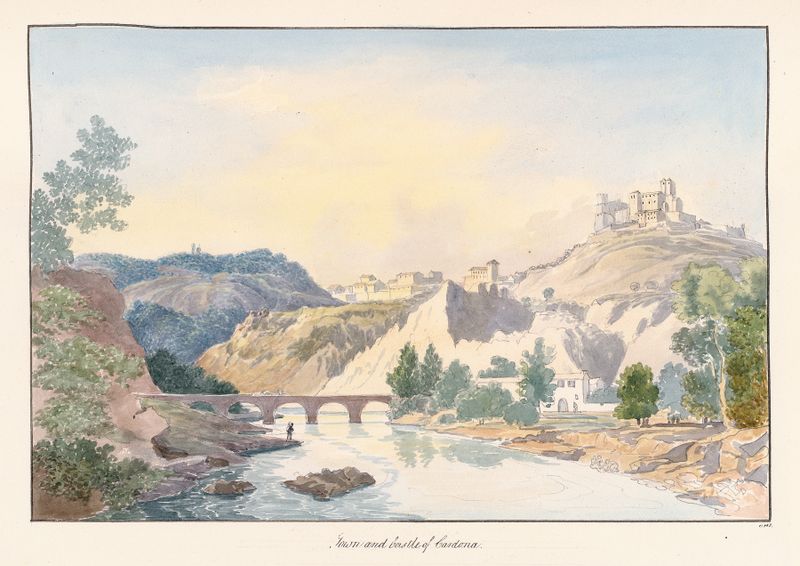
Town and Castle of Cardona
Charles Hamilton Smith
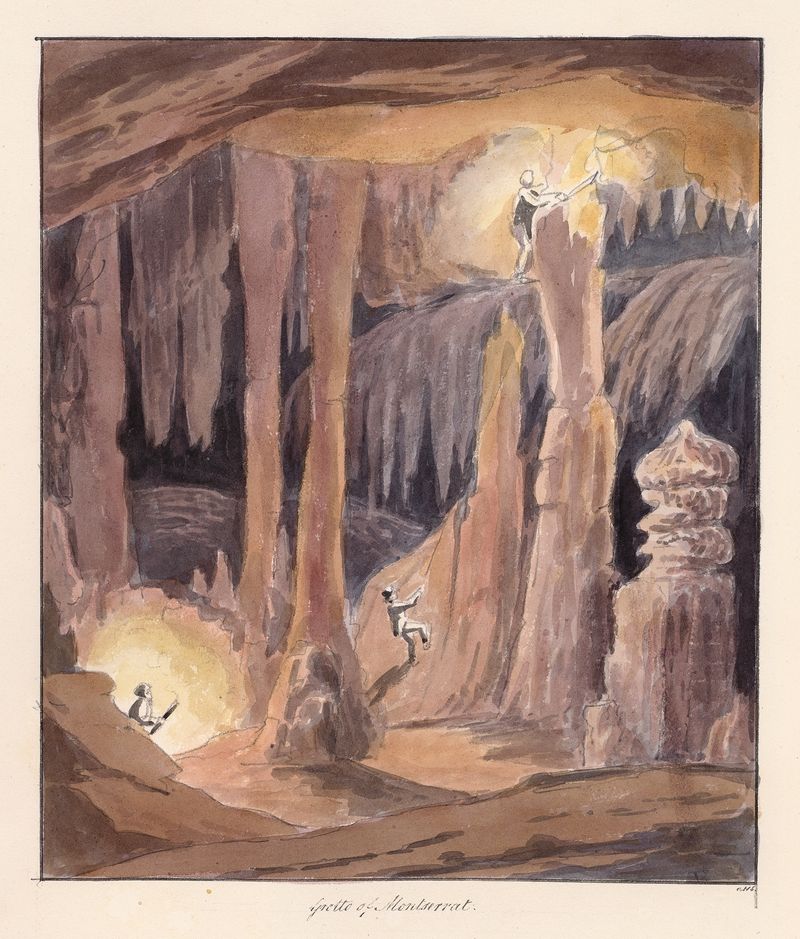
Grotto of Montserrat
Charles Hamilton Smith





