Porte de Cherbourg — History & Facts
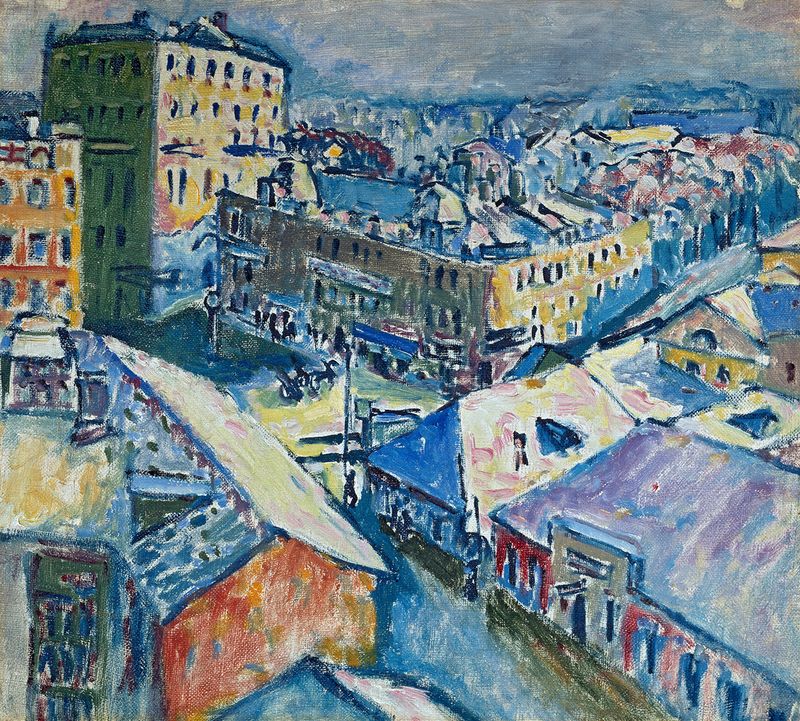
This paradox encapsulates the essence of transformation, where the tumult of life finds its rhythm anew. In the world of art, rebirth emerges as a powerful narrative, leading us to explore the complexities of our existence. Look to the vibrant swirls of color that dominate the canvas, a tempest of blues, greens, and fiery oranges. Notice how these hues intertwine, drawing the eye toward the center, where hints of structure begin to emerge from the chaos.
A skyline suggests the silhouette of a city, yet it floats in an abstract realm, reflecting both familiar and unfamiliar aspects of life. The delicate brushstrokes imbue a sense of movement, a pulse that invites viewers to breathe in the energy contained within. Amidst the vivid tumult, there lies an underlying tension between disorder and harmony. Fragments of form signal the presence of civilization amid nature’s raw beauty, suggesting the eternal dance between the two.
Each nuanced stroke speaks of transformation, hinting at personal and societal rebirth, while the juxtaposition of dark and light evokes the struggles we face on the path to renewal. The artwork becomes a visual metaphor for the cyclical nature of existence, where out of chaos, new beginnings unfurl. Frank Edwin Scott created this piece during an undefined period, perhaps reflecting a transitional phase in his artistic journey. While records of his life remain sparse, this work aligns with an era characterized by a search for meaning and identity in an evolving world.
The artistic landscape at the time was marked by experiments in abstraction and a desire to convey deeper emotional truths, resonating with the themes of rebirth that pulse within this painting.
More Artworks by Frank Edwin Scott
Browse all →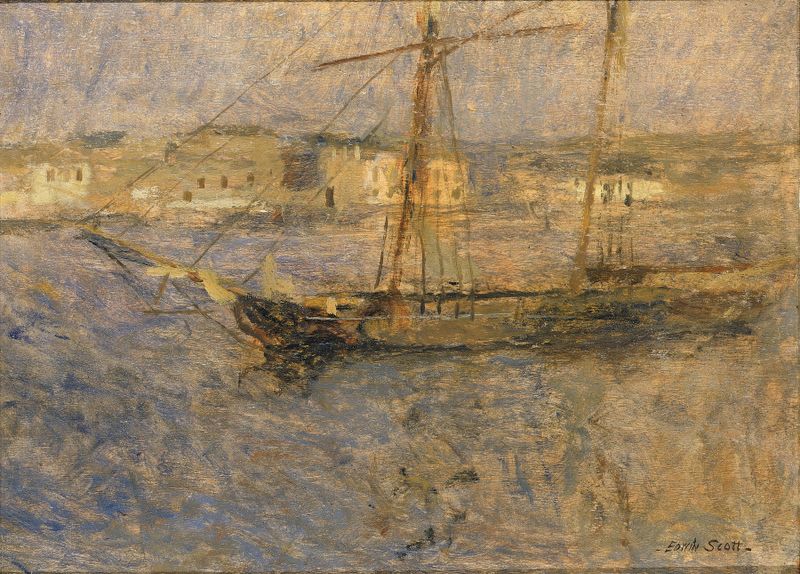
Ships at Anchor, Cherbourg no. I
Frank Edwin Scott
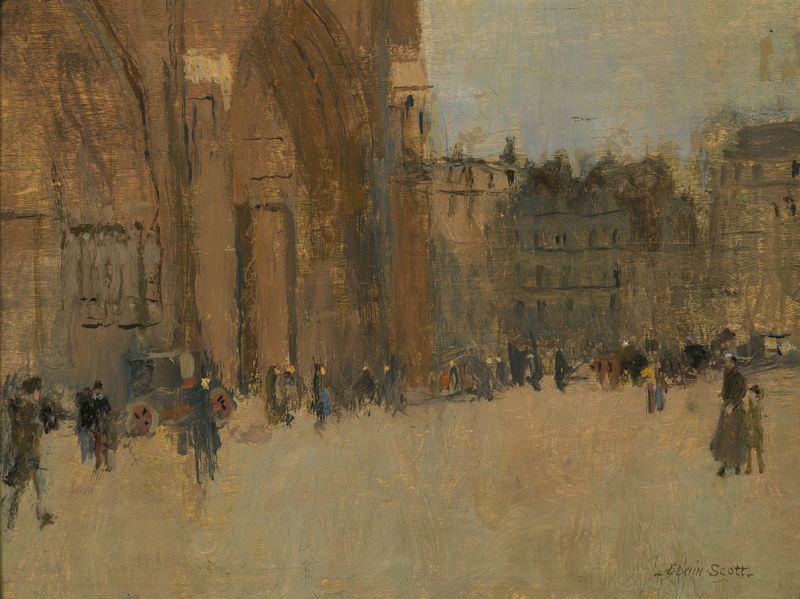
Notre Dame no. III
Frank Edwin Scott
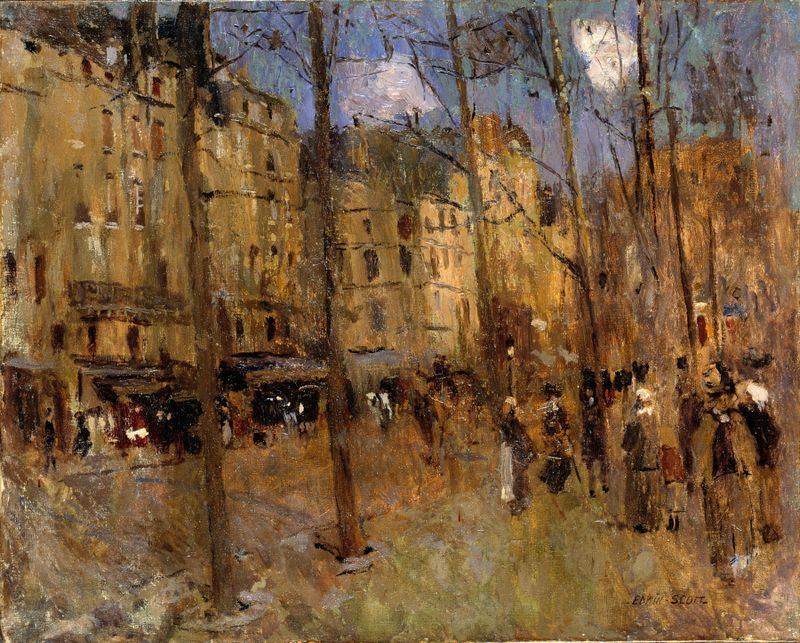
Boulevard St. Germain
Frank Edwin Scott
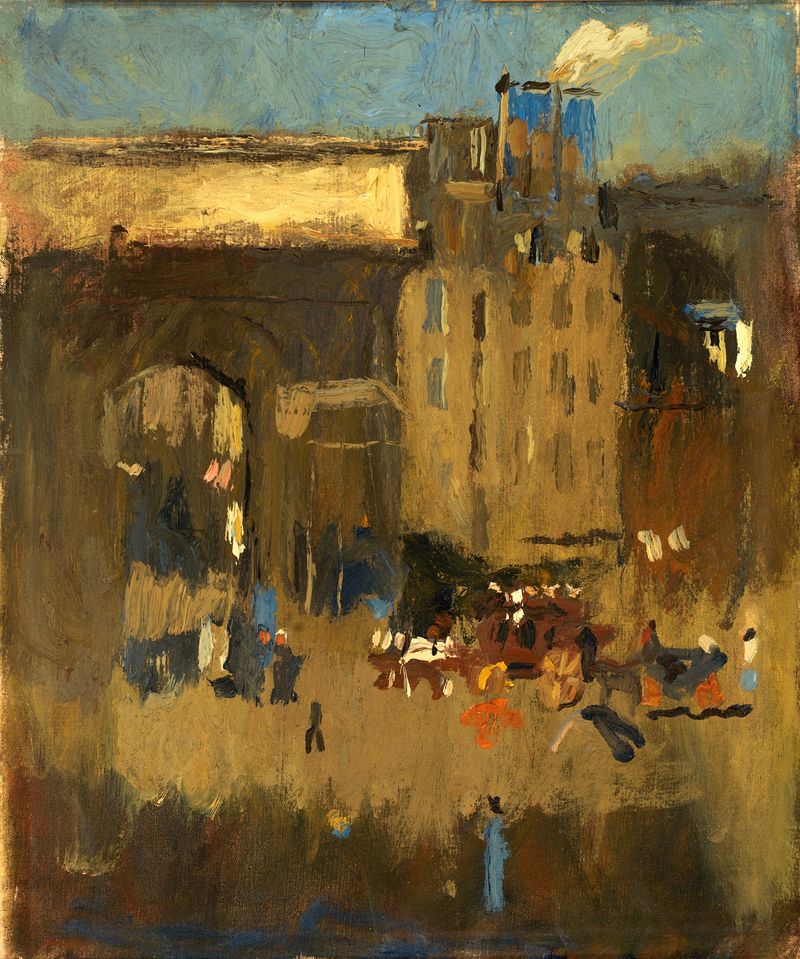
Porte St. Martin et Enterrement
Frank Edwin Scott
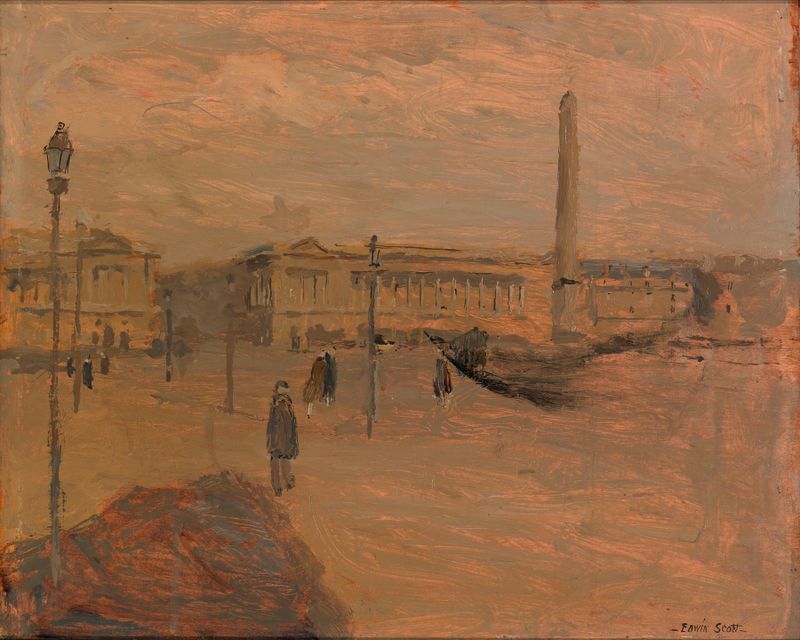
La Concorde
Frank Edwin Scott
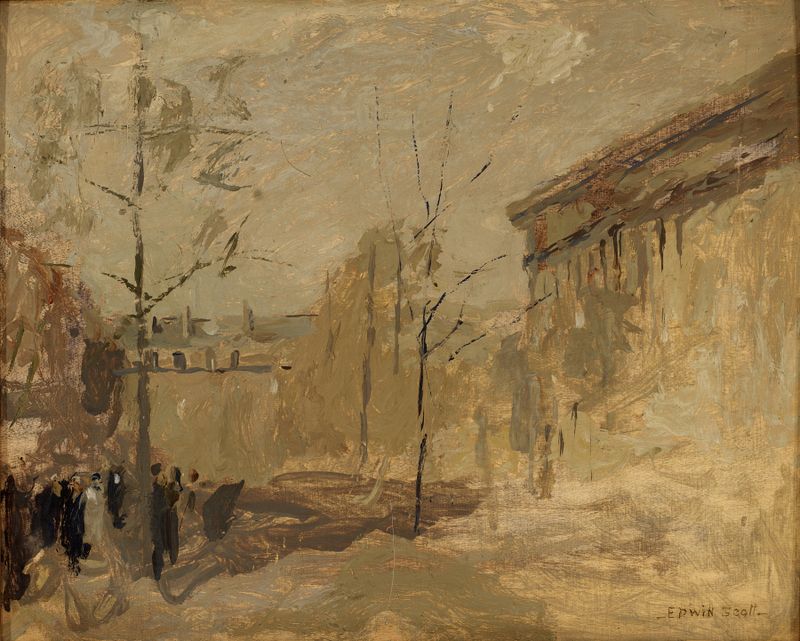
Place de la Madeleine no. II
Frank Edwin Scott
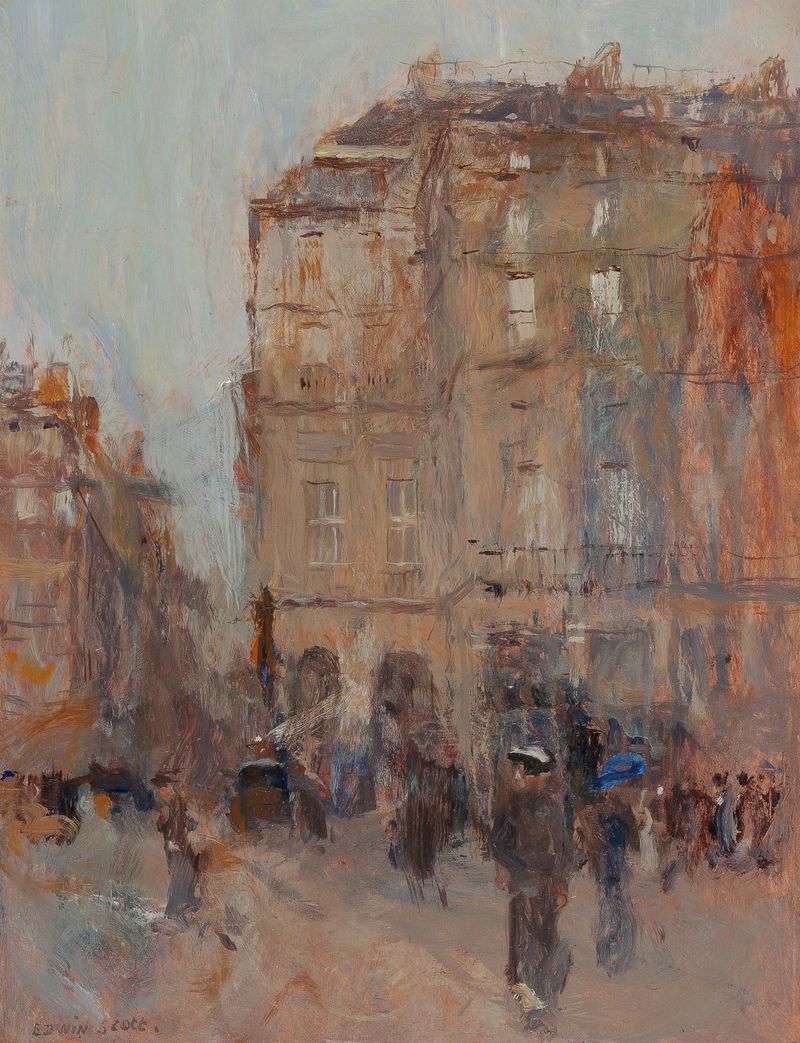
A Gray Day in Paris
Frank Edwin Scott
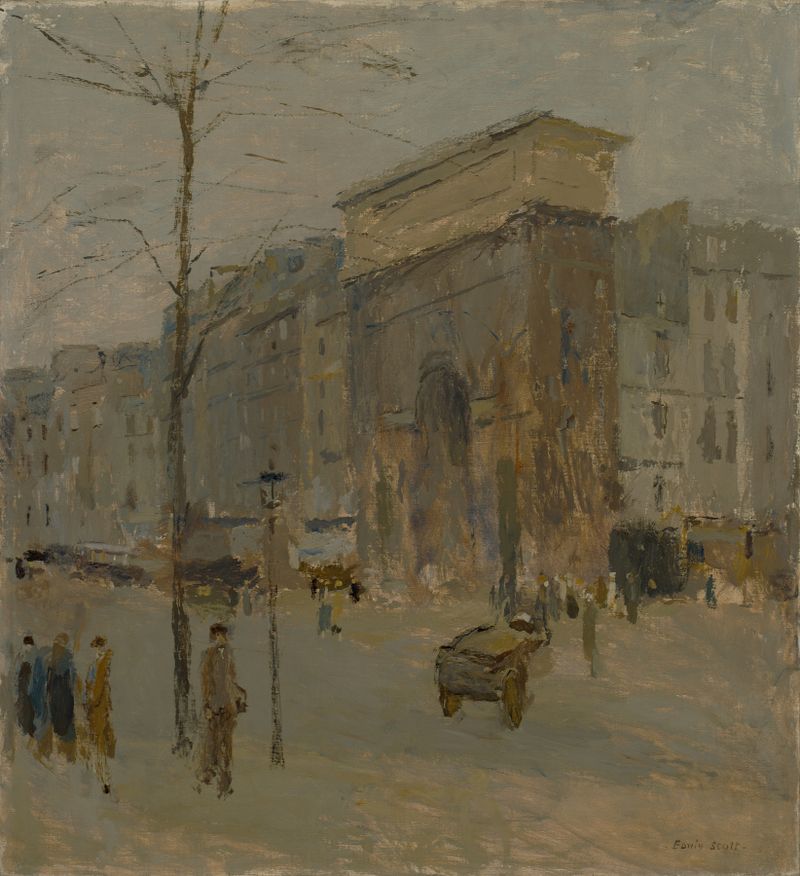
Porte St. Martin no. II
Frank Edwin Scott
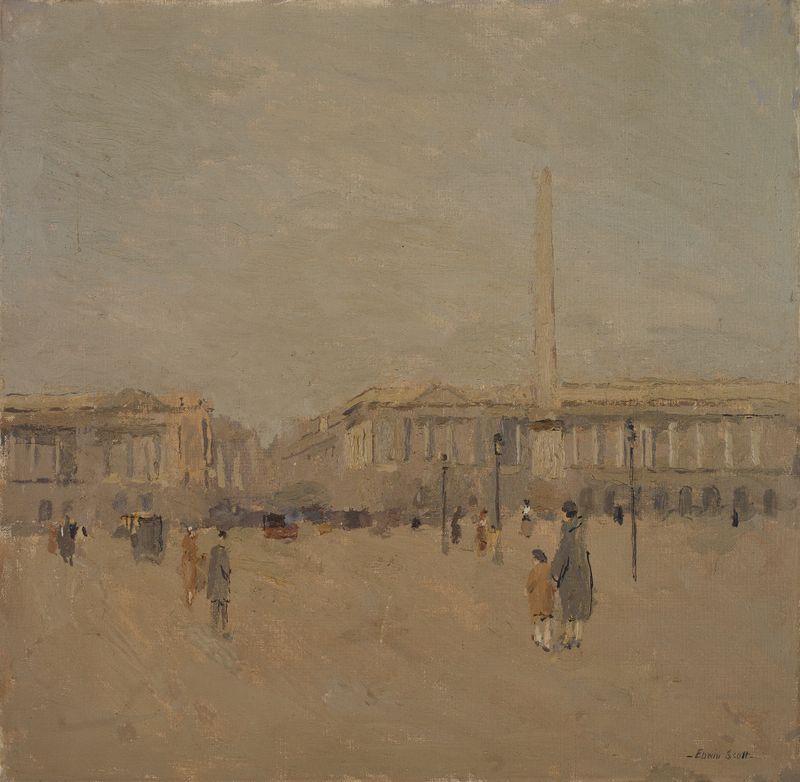
Place de la Concorde no. II
Frank Edwin Scott
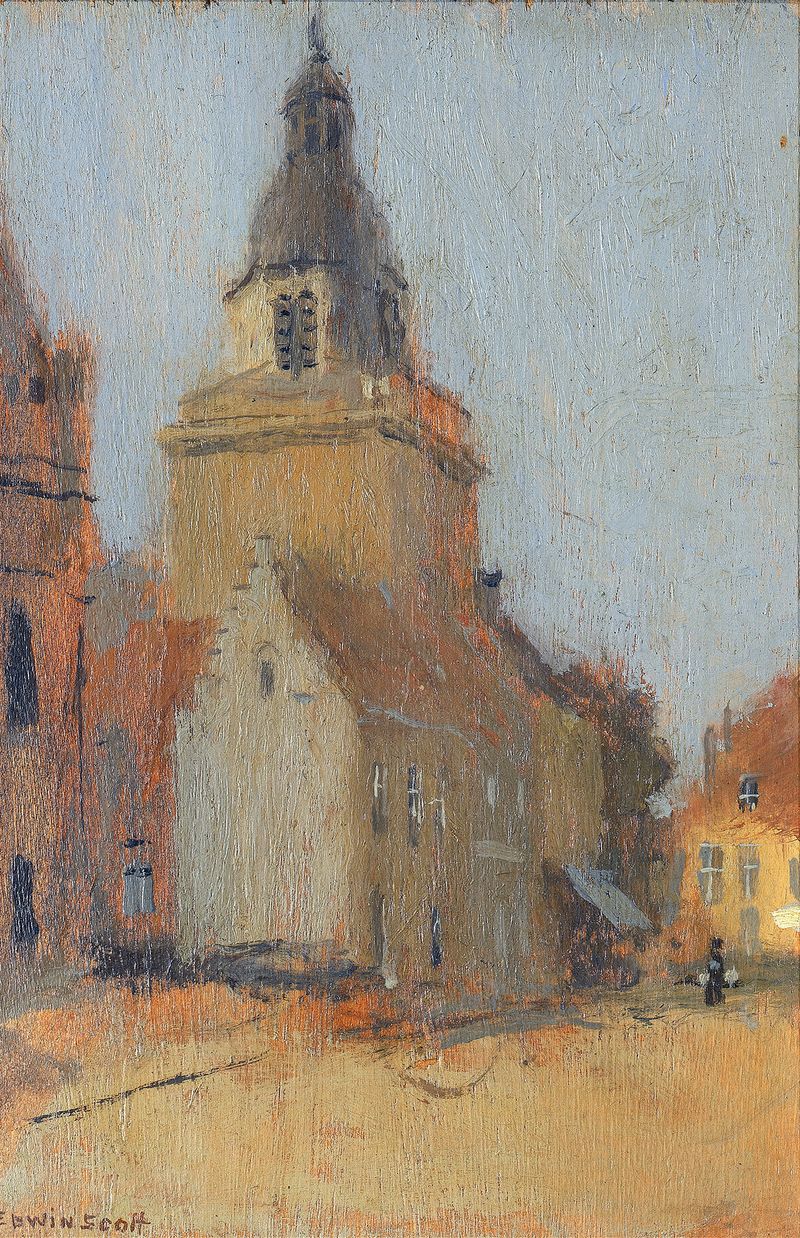
Eglise de Ville
Frank Edwin Scott