
Porte du Prieuré de Torteval (Calvados) — History & Facts
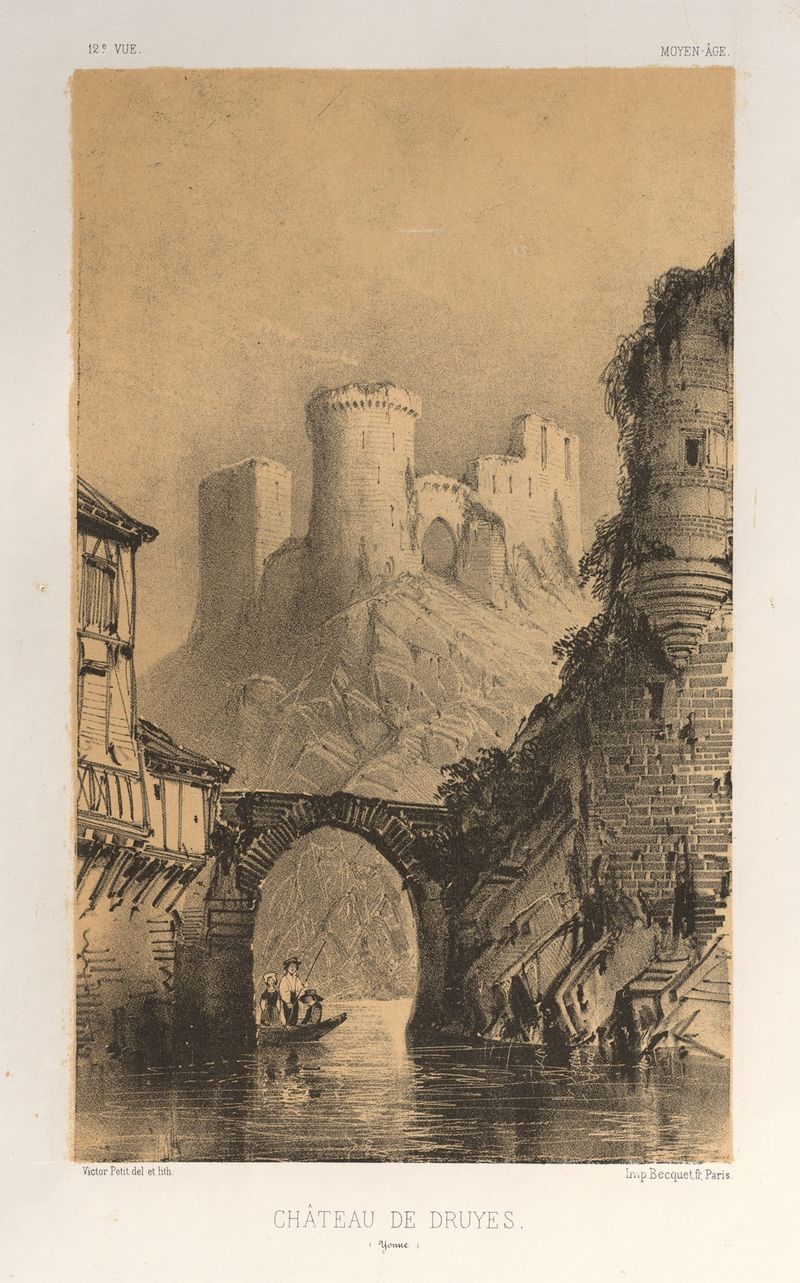
When did color learn to lie? In a world where every hue whispers secrets, the interplay of light and shadow in this painting reveals the transformative power of perception. Look to the left at the cool, inviting tones of the stone archway, where shadows drape like soft veils over the textured surfaces. The artist employs a palette of muted grays and earthy browns that harmoniously contrast with the vibrant greens of the surrounding foliage. Notice how the light seems to cascade onto the pathway, inviting the viewer into a serene yet enigmatic realm.
Each brushstroke captures not just a physical space, but an emotional landscape filled with anticipation. Beneath this pastoral beauty lies an unspoken tension. The archway, while a structural detail of the scene, serves as a metaphorical threshold — a passage between the known and the unknown. The juxtaposition of the solid, enduring stone against the ephemeral flickers of light suggests a shift; the world is on the brink of change.
These colors, while natural, also hint at a deeper revolution, challenging the viewer to question what lies beyond that archway. Created in 1860, this work emerged during a period of great upheaval in France. Victor Petit, painting amidst the shifting tides of artistic movements and societal change, found himself exploring new depths of realism while also touching on the romantic notions of nostalgia. His art reflects not only his own experiences but also the broader currents of a world in transformation, poised on the cusp of modernity.
More Artworks by Victor Petit
Browse all →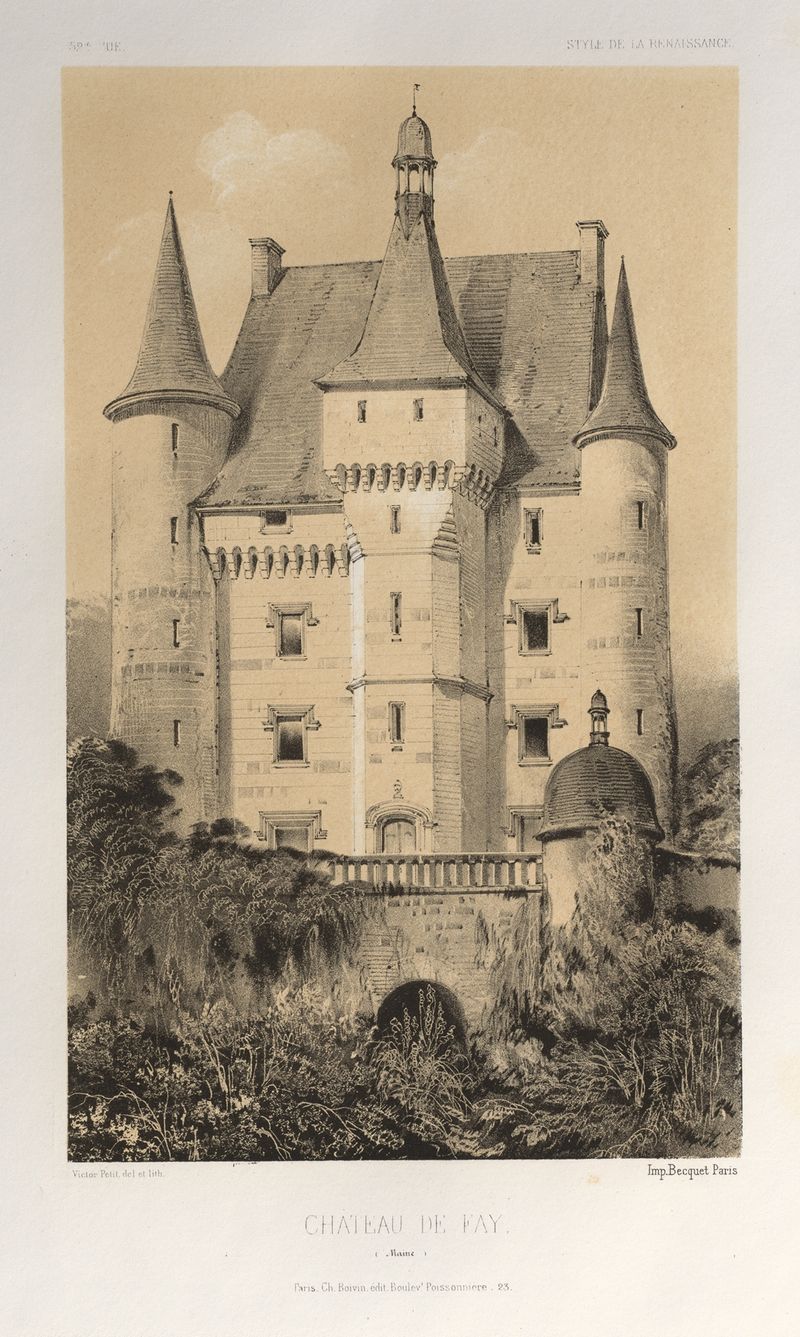
Château De Fay (Maine)
Victor Petit
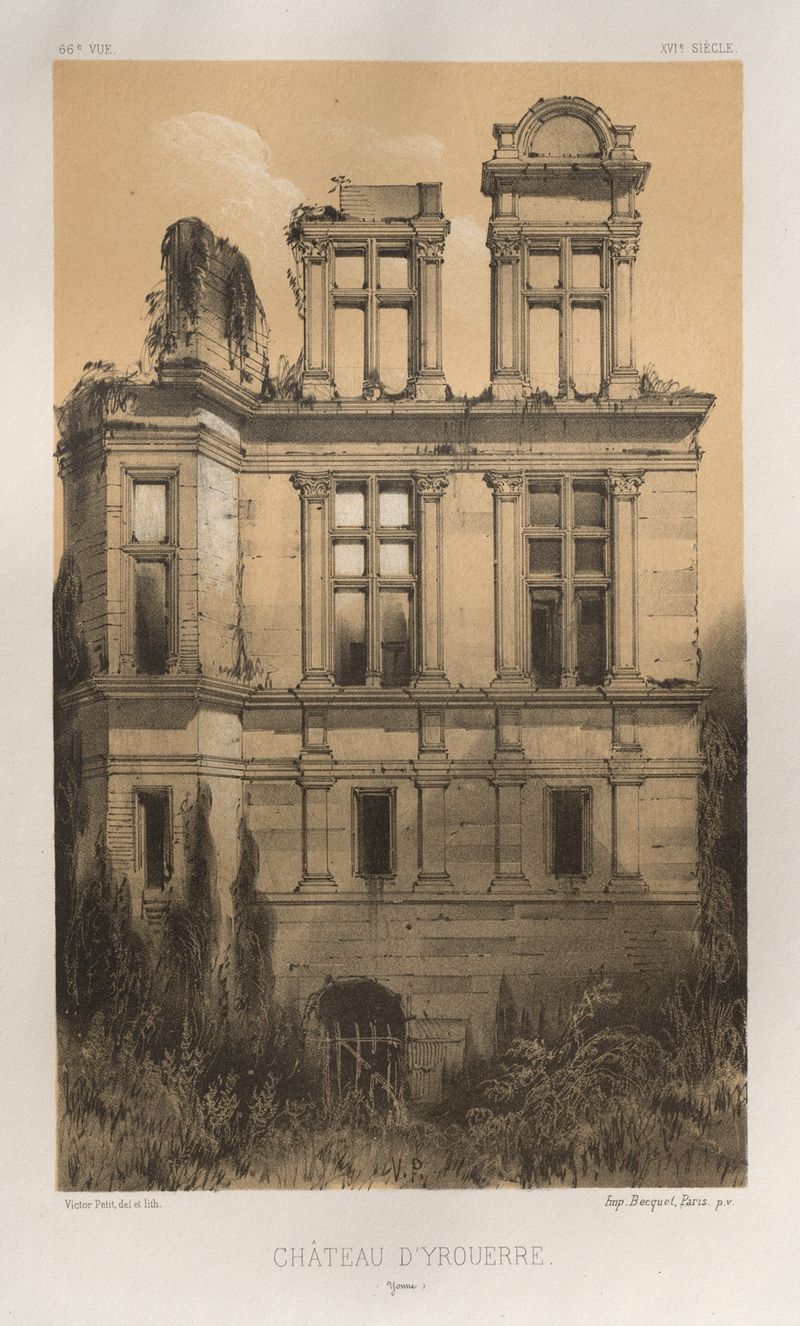
Château D’Yrouerre (Yonne)
Victor Petit
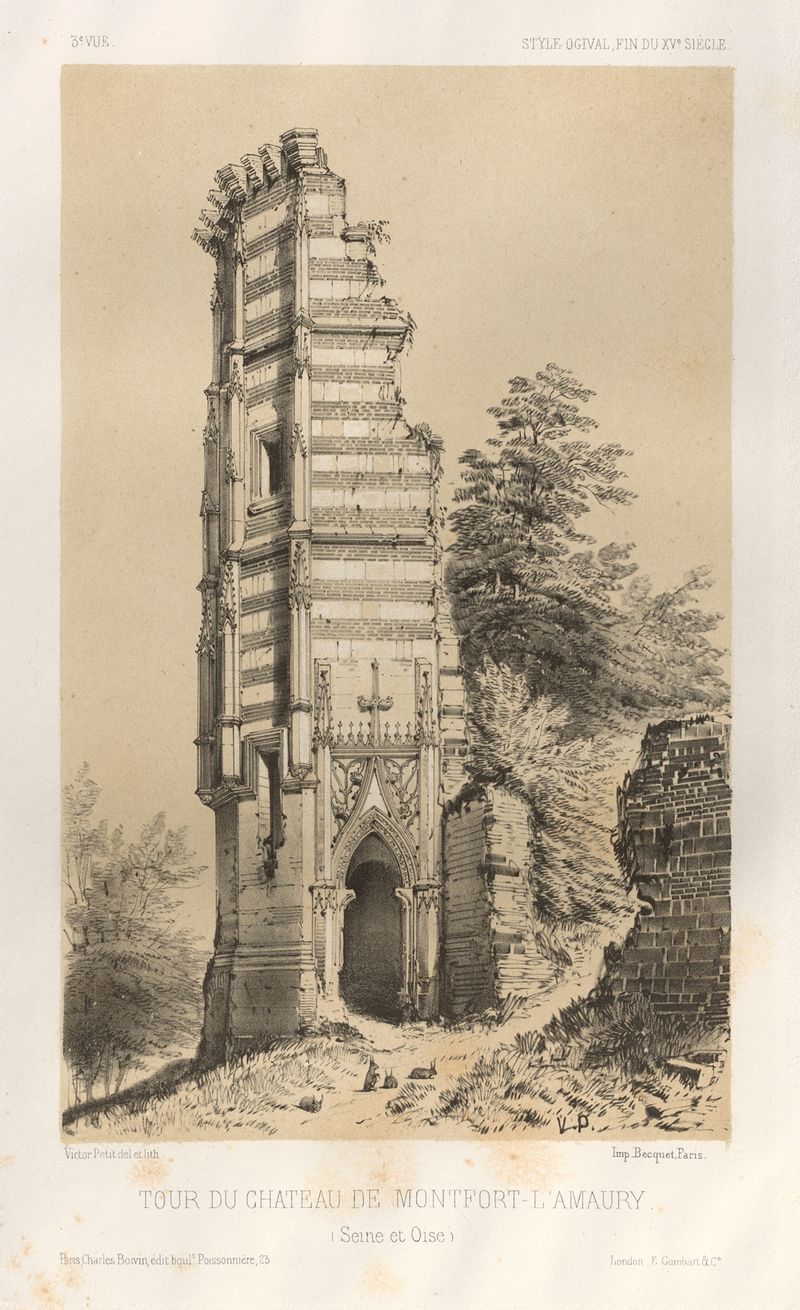
Tour du chateau de Montfort-l’Amaury (Seine-et-Oise)
Victor Petit

Tour Du Port De Marseille (Bouches Du Rhône)
Victor Petit
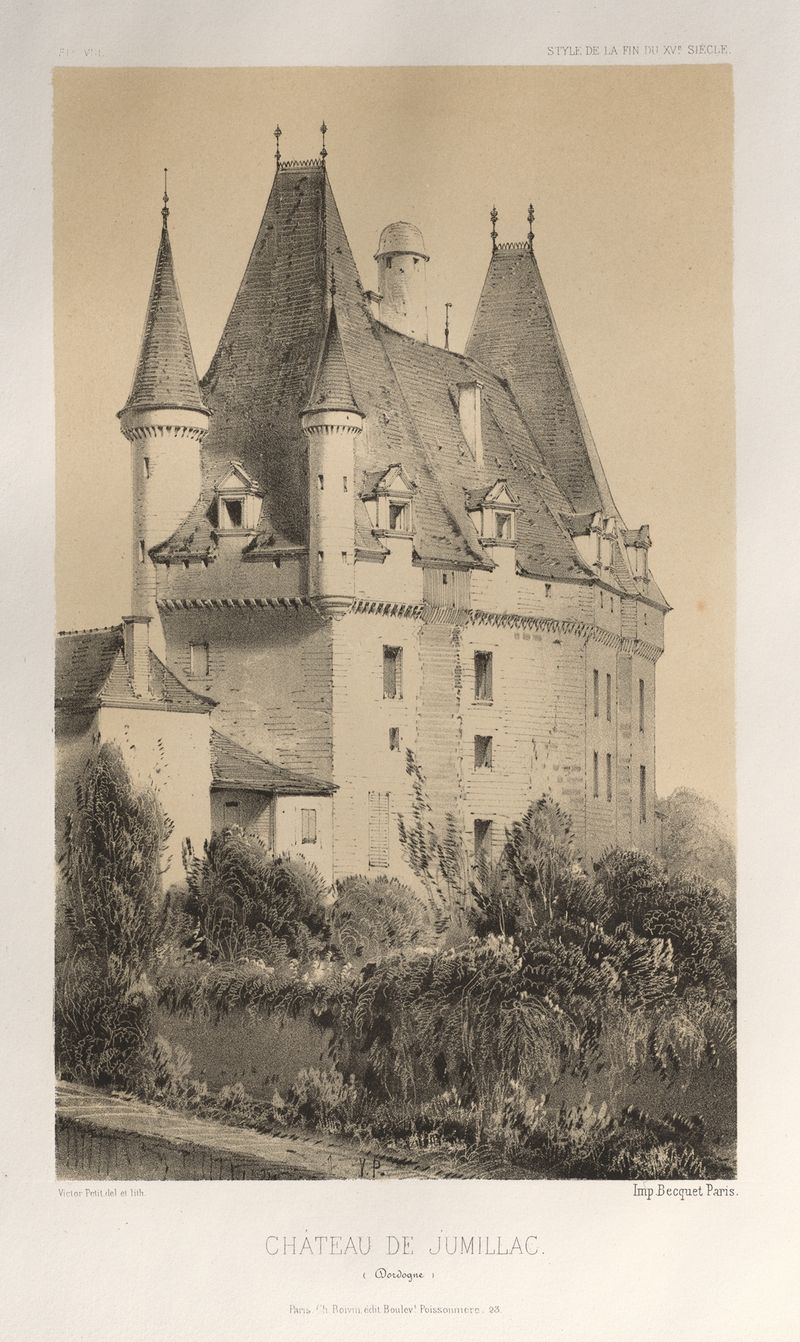
Château De Jumillac (Dordogne)
Victor Petit

Château de Tévray (Eure)
Victor Petit

Galerie Du Château De Jouancy (Saone et Loire)
Victor Petit

Château De Mello (Oise)
Victor Petit
Chateau De Druyes (Yonne)
Victor Petit

Le ChasteLet-Neuf (Corrèze)
Victor Petit





