
Portrait de femme — History & Facts
What first catches the eye in Portrait de femme by Achille Laugé is the direct, unwavering gaze of the sitter—a look that seems to weigh the viewer as much as she is observed herself. The background, a field of warm, textured brown, sets off the clarity of her face and the crisp whites of her lace collar, drawing all attention to her expression. The artist has chosen a restrained palette, using subtle gradations of color to model the woman’s features and the folds of her clothing, while the gold jewelry—earrings and a delicate necklace—adds a quiet note of elegance.
The unfinished, raw edges of the canvas and the visible weave give the portrait a sense of immediacy and intimacy, as if we are seeing a private moment preserved. Works like this, painted after 1880 and before 1944, belong to a period when portraiture was shifting from formal, commissioned likenesses to more personal, psychological studies. Achille Laugé, active in southern France, was part of a generation that bridged academic tradition and modern experimentation. Portraits such as this one, now in the Musée des Beaux-Arts de Carcassonne, were often created for local patrons or family, intended to capture not just appearance but presence.
History has kept few traces of many sitters from this era, but the careful attention to detail and the quiet dignity in her face invite us to linger, searching for the story behind her steady eyes.
More Artworks by Achille Laugé

Ruelle au balcon fleuri
Achille Laugé
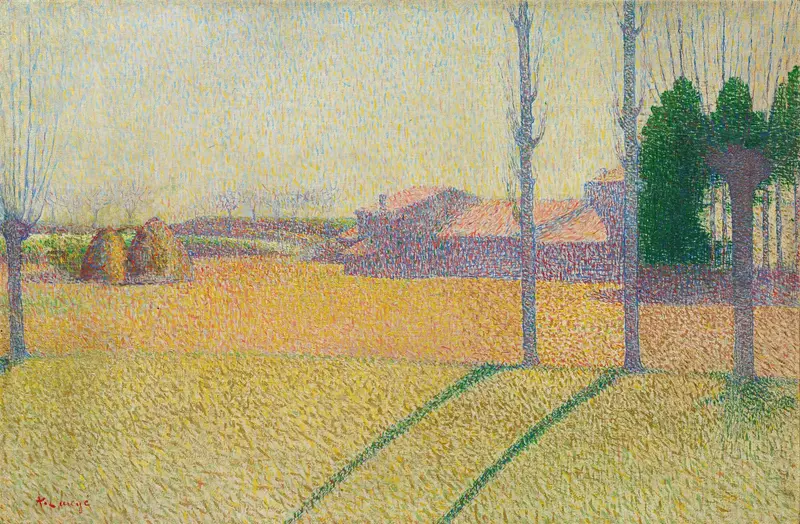
L’hort À Cailhau
Achille Laugé
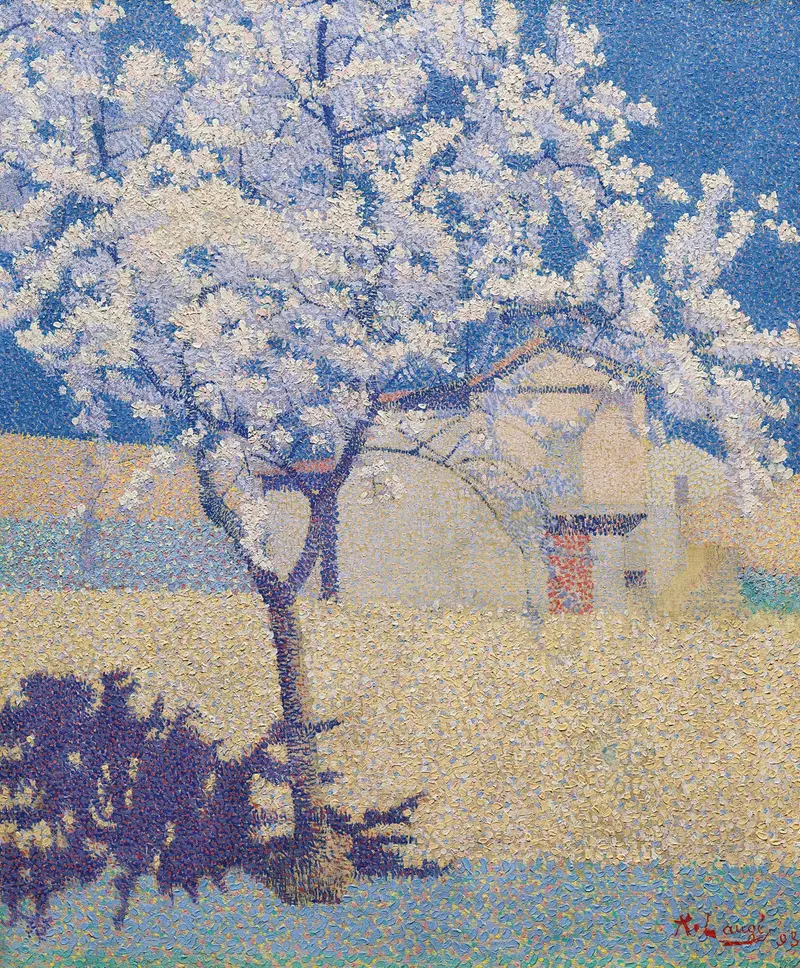
L’Arbre En Fleur
Achille Laugé
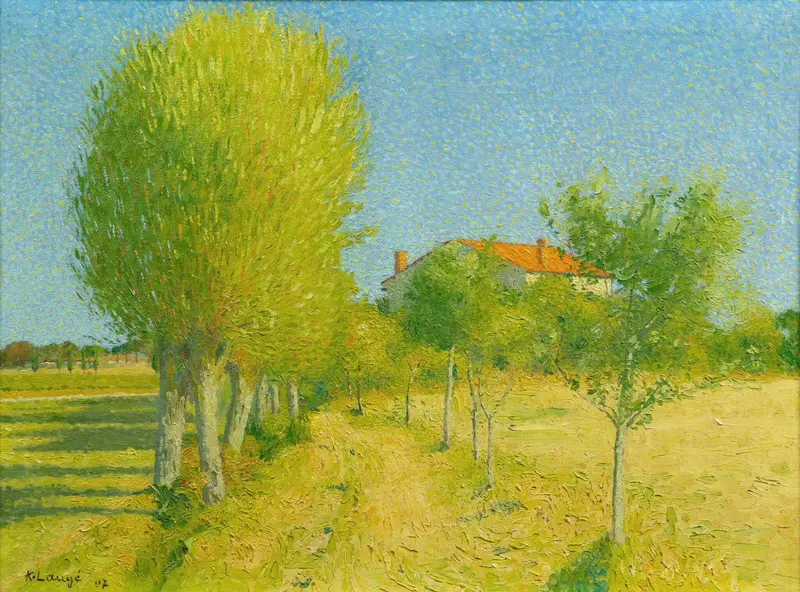
L’allée de saules derrière l’Alouette à Cailhau
Achille Laugé
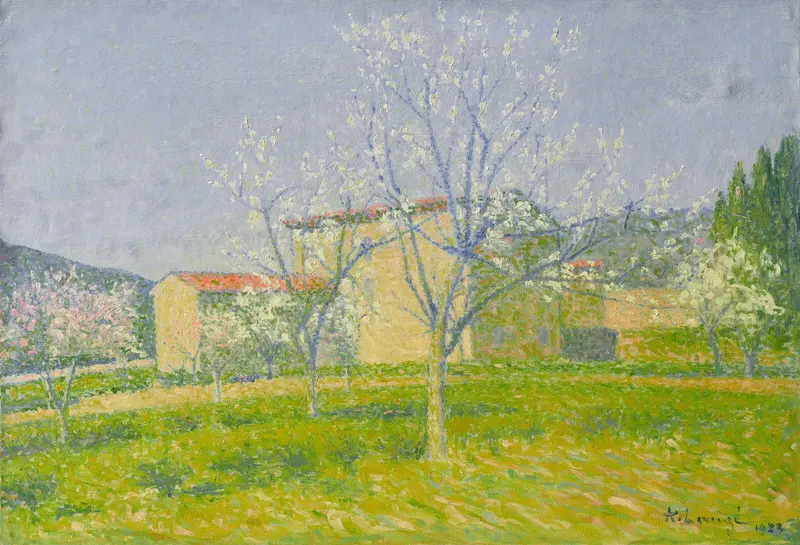
Verger en fleurs à Alet-les-Bains (Aude)
Achille Laugé
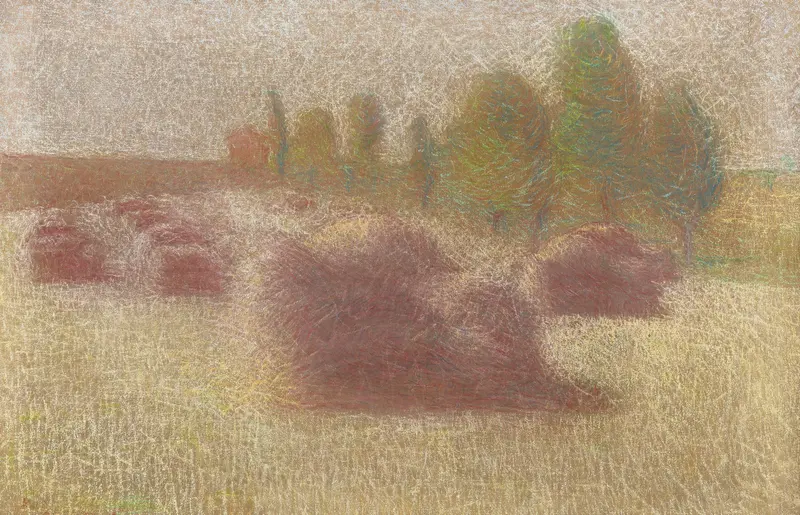
Les Gerbes
Achille Laugé
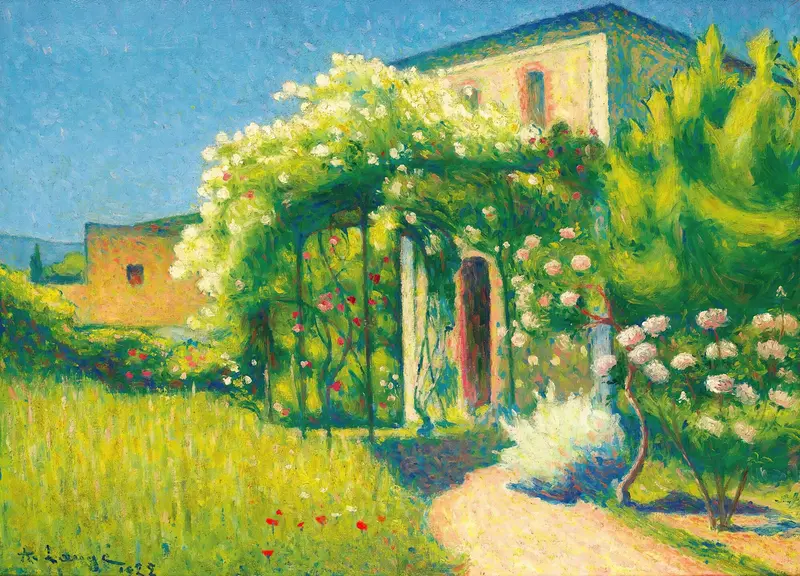
L’Atelier À Alet-Les-Bains
Achille Laugé
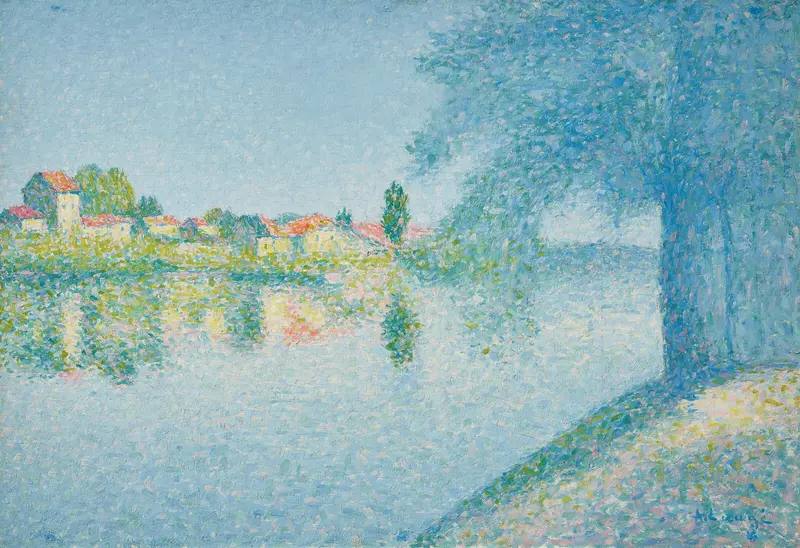
Vue des quais de la Garonne
Achille Laugé
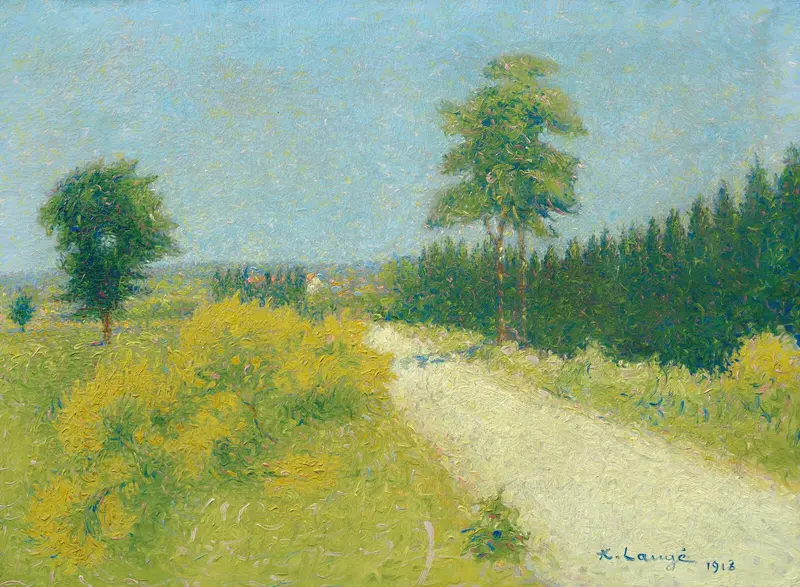
La route de Belvèze vers le relais
Achille Laugé
La route (The Road)
Achille Laugé





