
Portrait of a gentleman — History & Facts
In Portrait of a Gentleman, the subject is depicted in a refined manner, dressed in elegant attire typical of the 18th century. The color palette features rich, warm tones, enhancing the gentleman's dignified appearance. The background is softly rendered, allowing the figure to stand out prominently.
The overall composition reflects the Rococo style, characterized by its emphasis on grace and charm. The painting is executed in oil on canvas, a medium that allows for vibrant colors and fine details. Batoni's technique showcases smooth brushwork and a keen attention to the textures of the clothing and skin. The dimensions are approximately 75 x 100 cm, making it a sizable portrait that commands attention.
The use of light and shadow adds depth, highlighting the gentleman's features. Pompeo Batoni was a prominent Italian painter known for his portraits during the 18th century. This work exemplifies his ability to convey personality and status through careful attention to detail. An interesting fact about this painting is that it was likely commissioned by a wealthy patron, reflecting the social dynamics of the time.
Batoni's portraits often served as a means for individuals to assert their social standing.
More Artworks by Pompeo Batoni
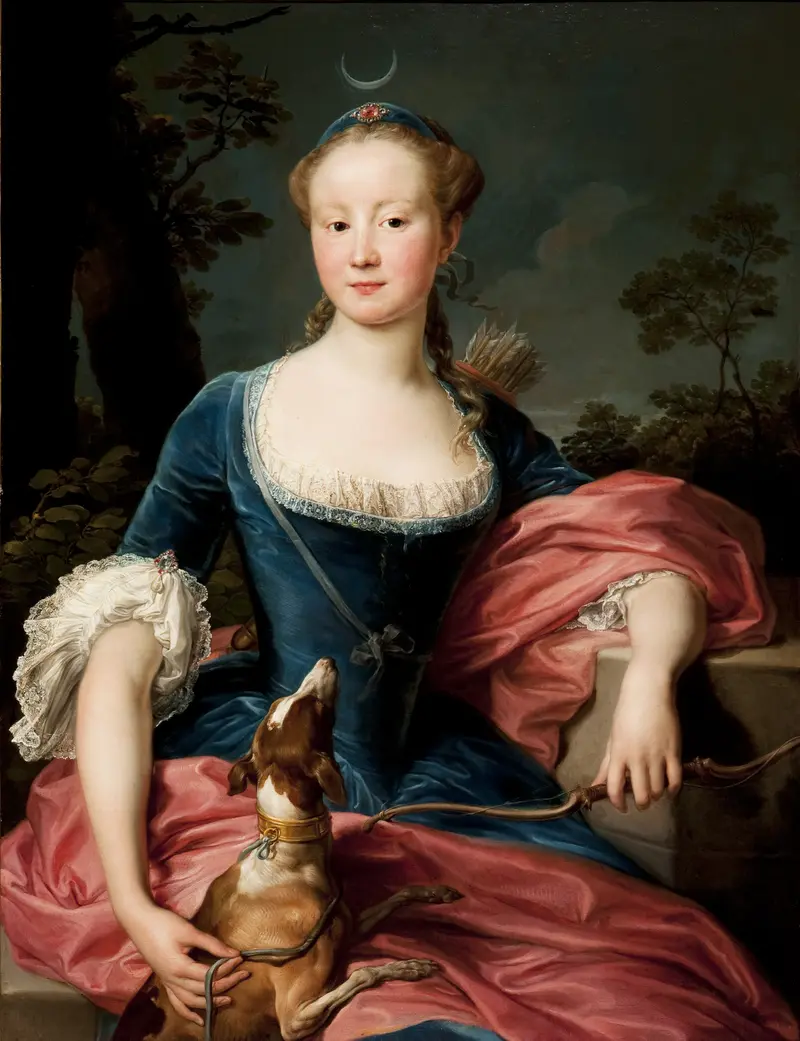
Portrait of a Lady as Diana the Huntress
Pompeo Batoni
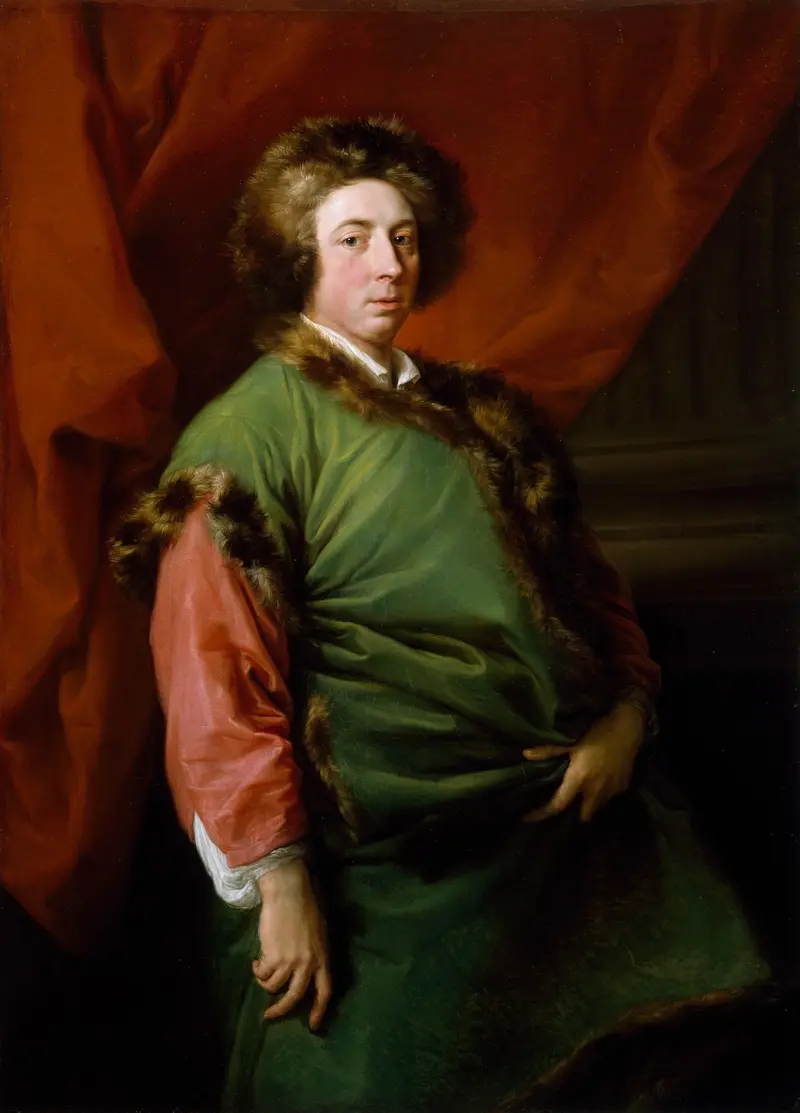
Portrait of Joseph Leeson, later 1st Earl of Milltown (1711-1783)
Pompeo Batoni
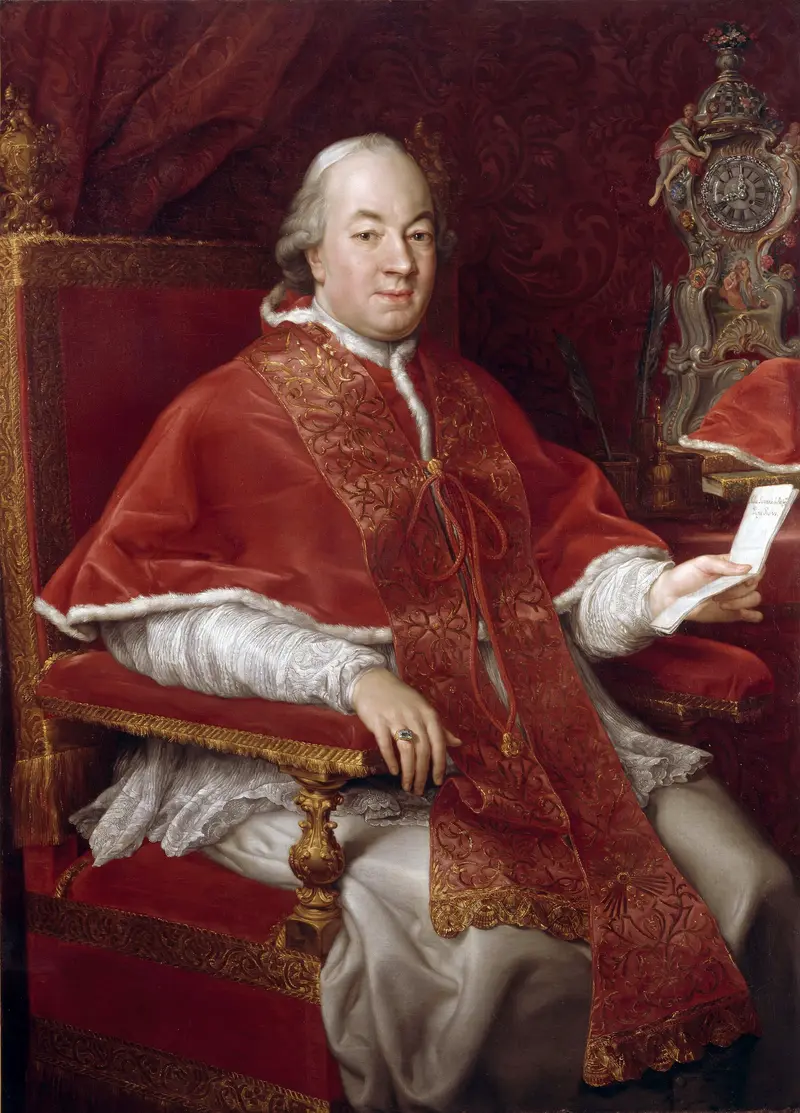
Portrait of Pope Pius VI, Giovanni Angelo Braschi (1717-1799)
Pompeo Batoni
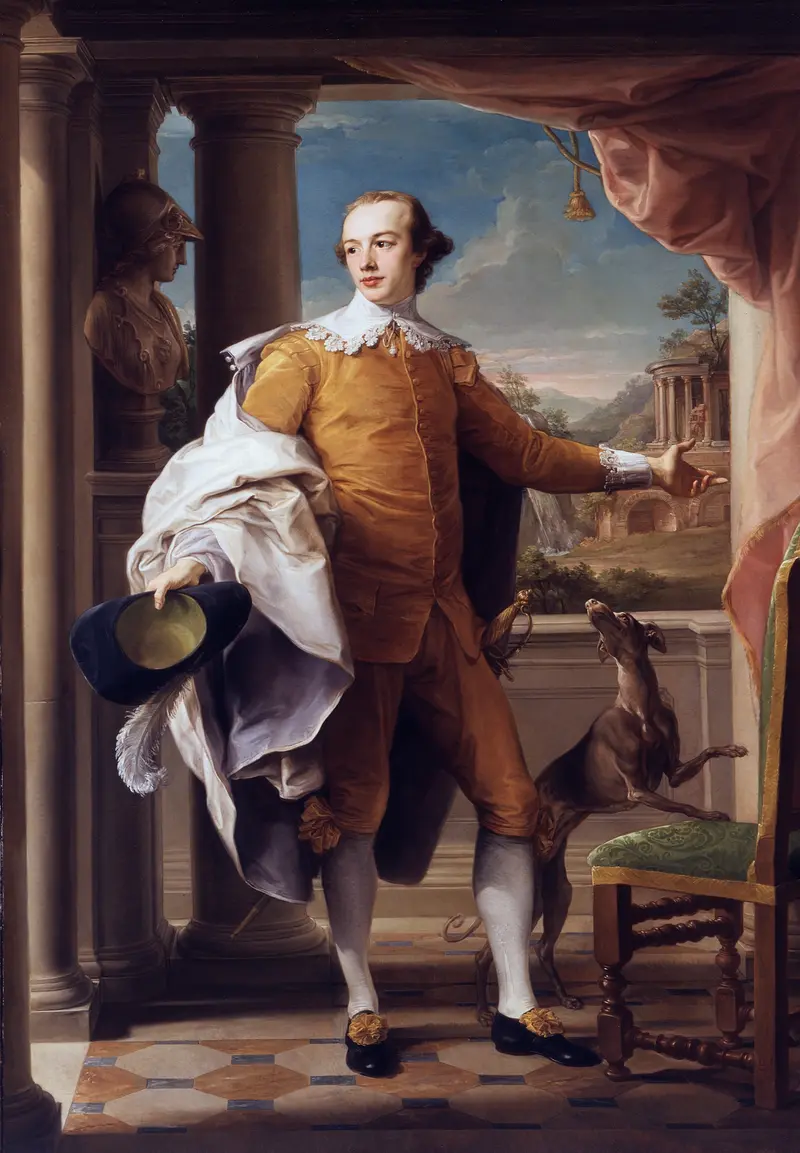
Portrait of Sir Wyndham Knatchbull-Wyndham
Pompeo Batoni
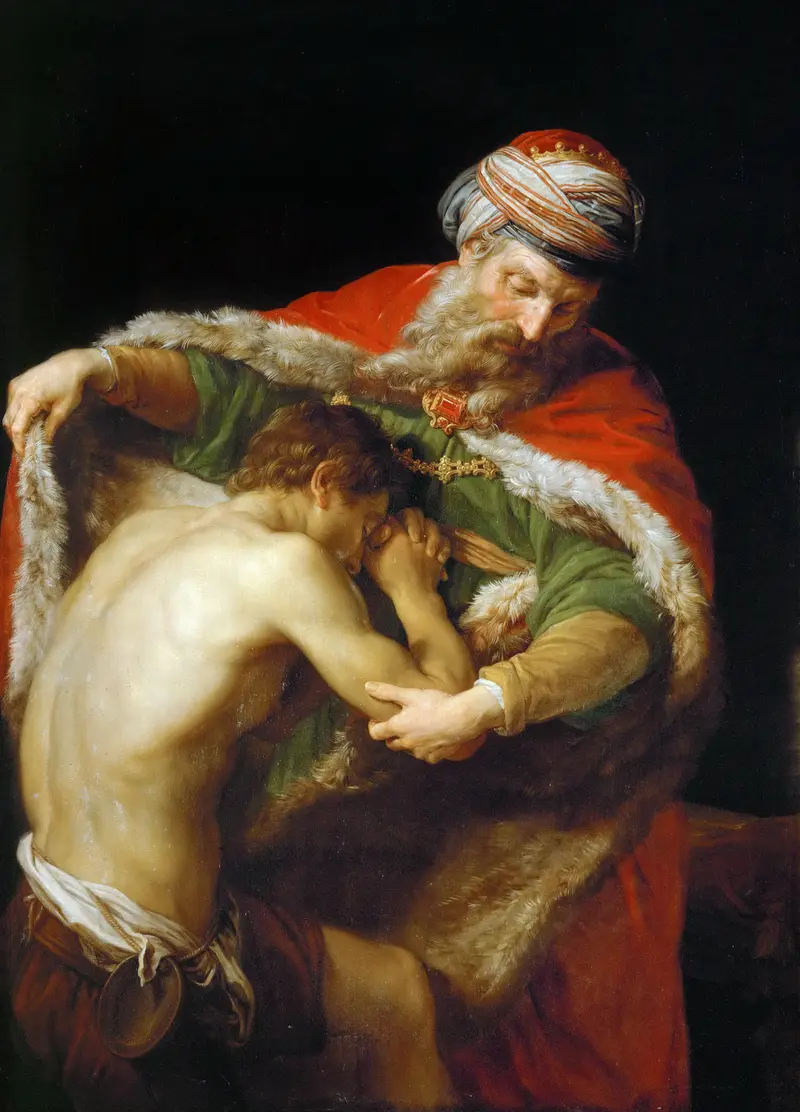
The Return Of The Prodigal Son
Pompeo Batoni
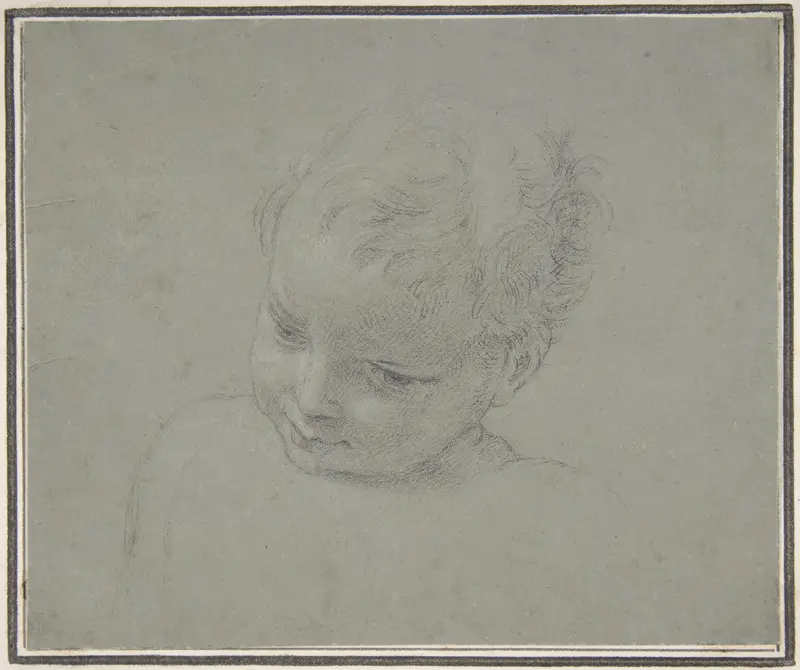
Bust-Length Study of a Child
Pompeo Batoni
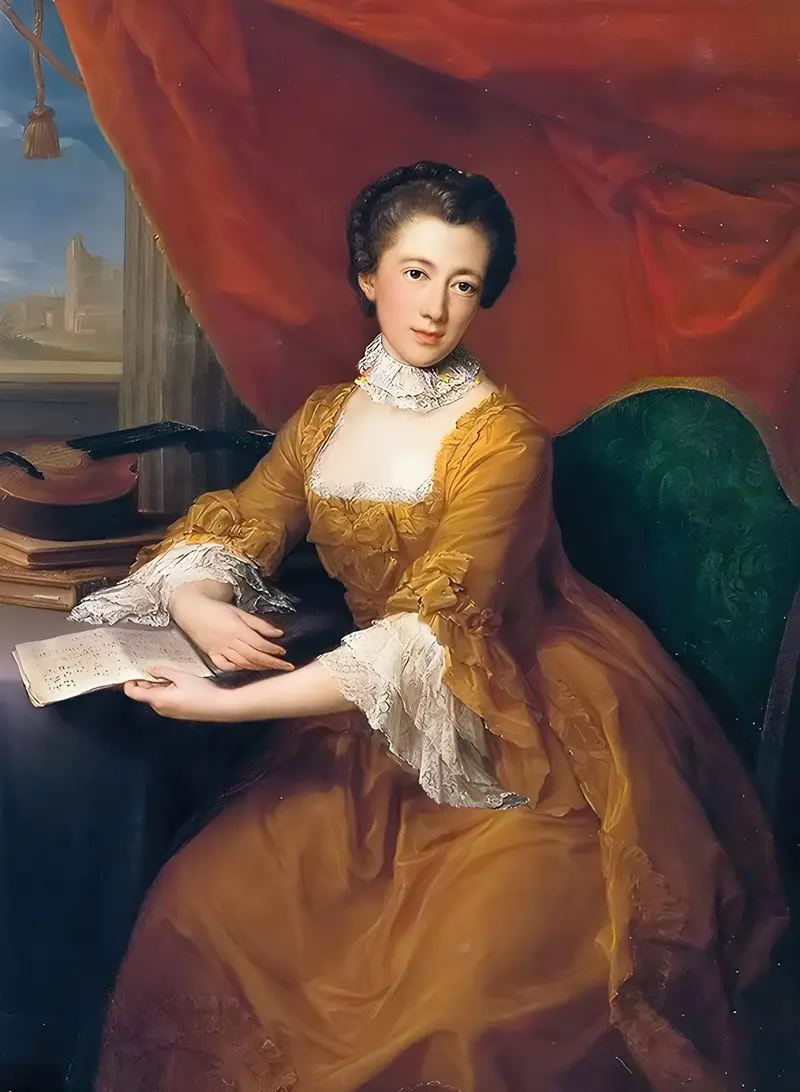
Portrait of Lady Margaret Georgiana Poyntz
Pompeo Batoni
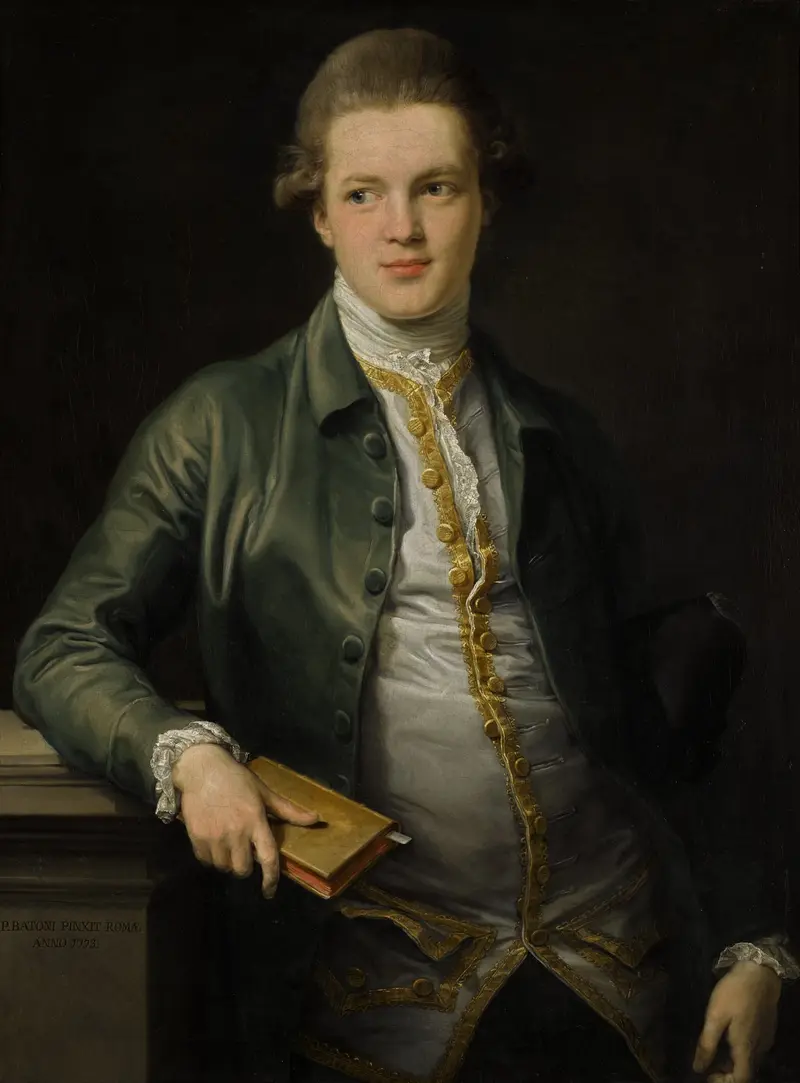
Portrait of Thomas Orde, later Orde-Powlett and 1st Baron Bolton
Pompeo Batoni

Male Nude Reclining on a Bed
Pompeo Batoni
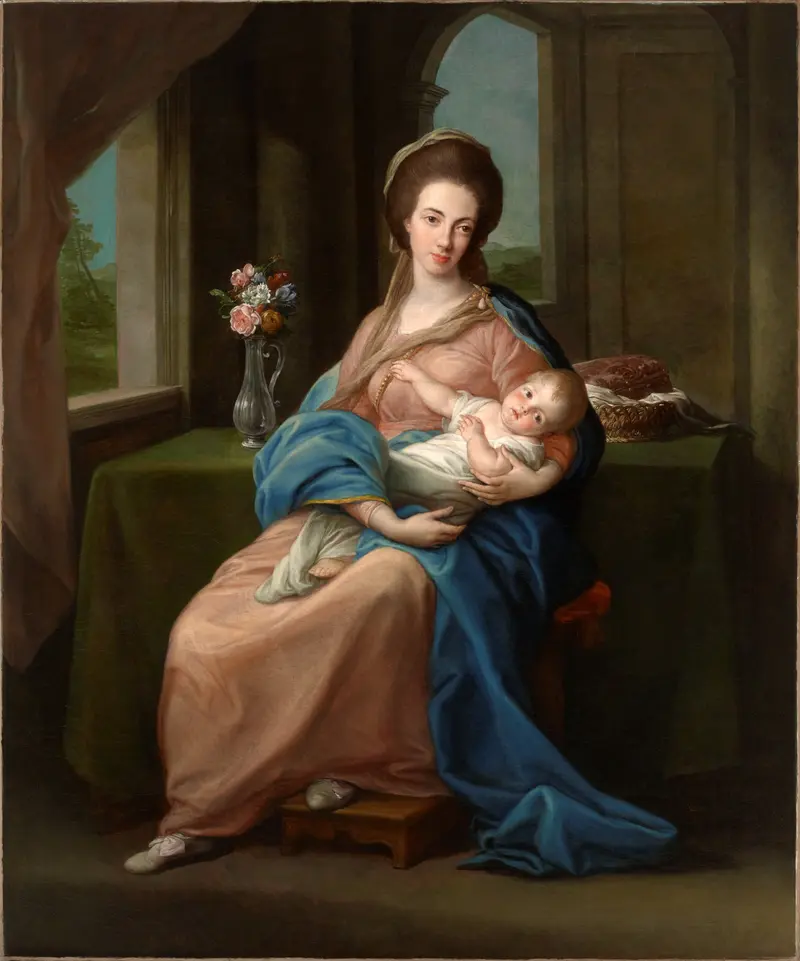
Mary Taylour, Viscountess of Headfort, later Countess of Bective and Marchioness of Headfort
Pompeo Batoni





