
portrait of a gentleman with his dog — History & Facts
What first catches the eye here is the crisp, almost theatrical ruff framing the gentleman’s face, its intricate lacework a badge of both wealth and taste. The sitter meets our gaze directly, his expression steady and composed, while his hand rests with easy confidence on the hilt of his sword. At his side, a loyal dog peers out, its head emerging from the folds of his cloak—an emblem of fidelity and status, as much a part of his identity as the sword or the fine garments.
The landscape behind him is no mere backdrop: classical ruins and distant villas evoke a world of learning and cultivated leisure, drawing the viewer into a story of privilege and aspiration. Every detail, from the geometric pattern of his doublet to the carefully modeled hand, signals the sitter’s place in a society where appearances spoke volumes. Painted in 1527, this portrait belongs to a moment in Italian art when the boundaries of portraiture were being reimagined by artists like Agnolo Bronzino. Portraits of this kind were commissioned by the elite to assert lineage, virtue, and worldly accomplishment—often intended for both private pride and public display.
The inclusion of the dog and the classical setting would have been instantly legible to contemporary viewers, referencing both personal loyalty and the humanist ideals of the Renaissance. While history has kept few traces of this particular sitter, the painting now resides in the collection of the Deutsches Historisches Museum, where it invites us to look closely and imagine the ambitions and anxieties of a long-vanished world.
More Artworks by Agnolo Bronzino

Eleonora Of Toledo
Agnolo Bronzino
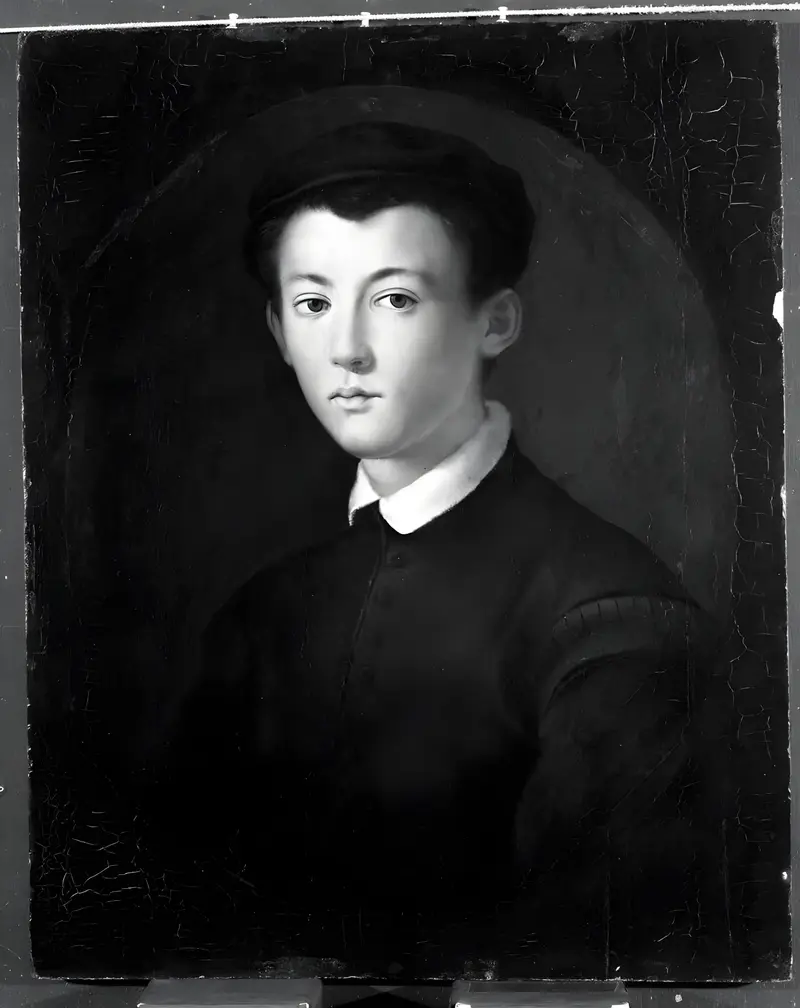
Portrait of a Young Man
Agnolo Bronzino
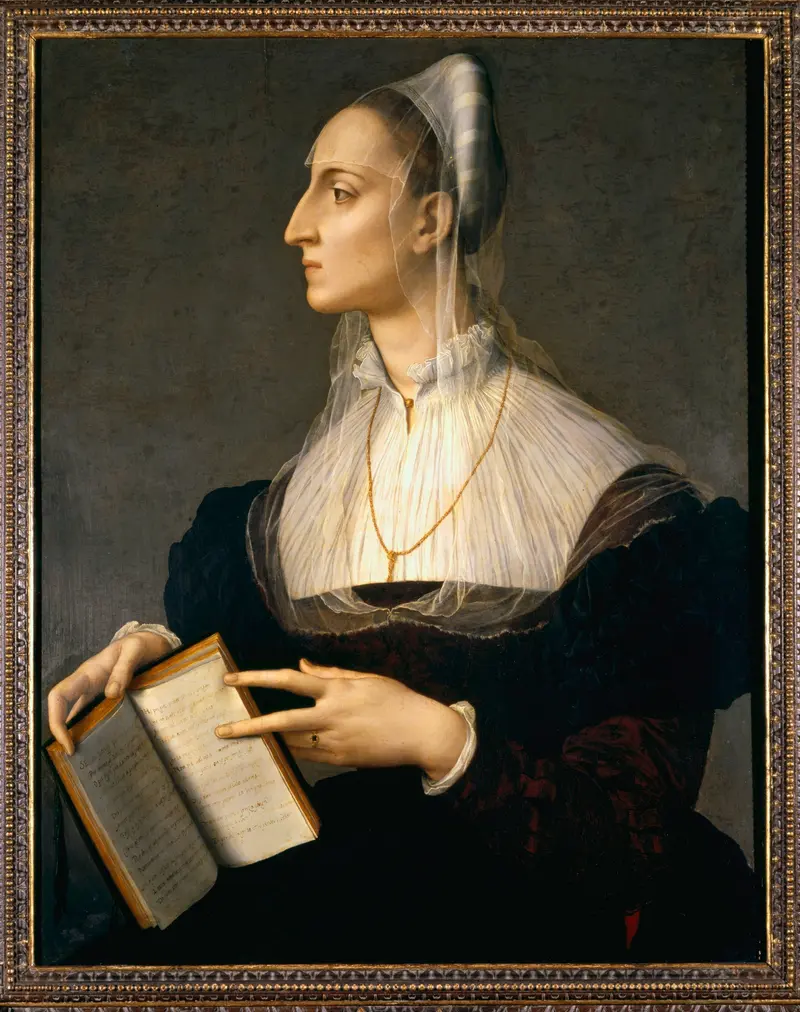
Portrait Of Laura Battiferri
Agnolo Bronzino
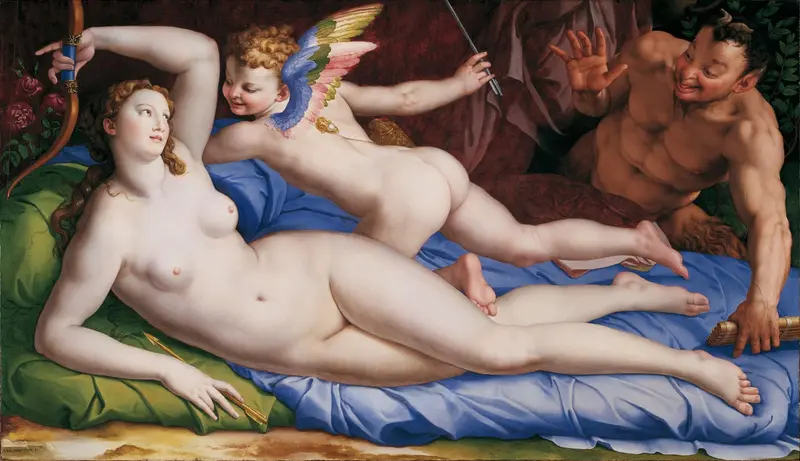
Venus, Cupid And Satyr
Agnolo Bronzino
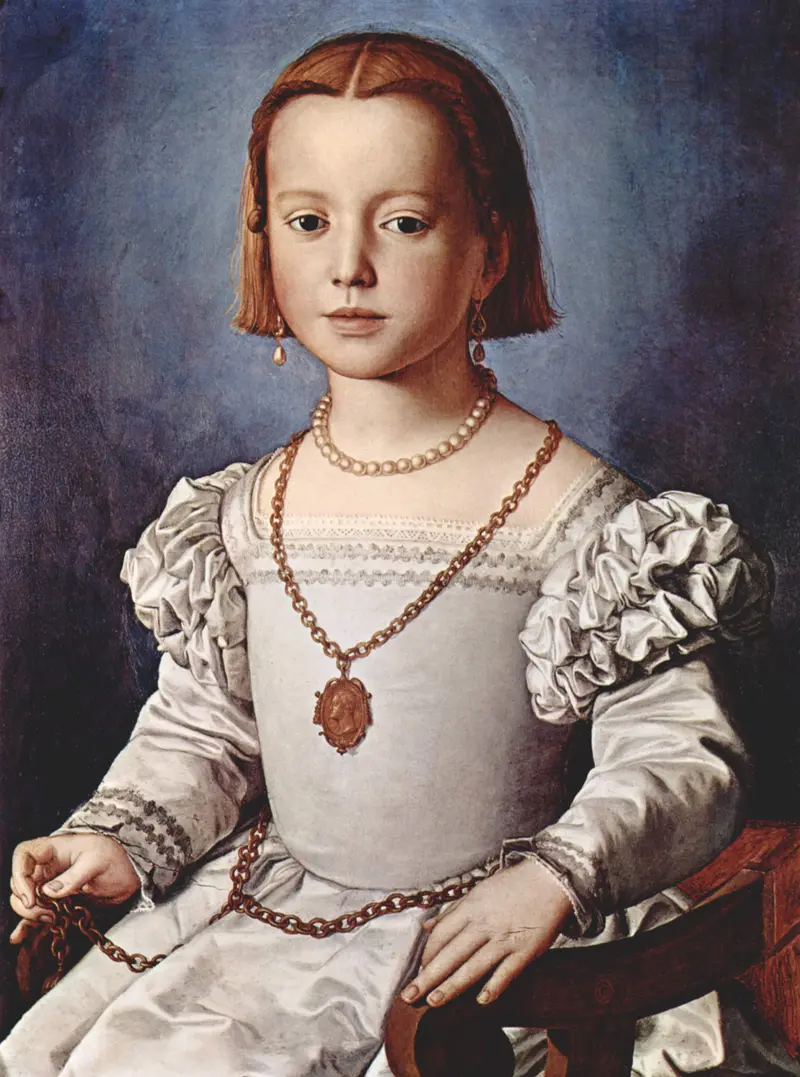
Bia Di Cosimo De‘ Medici
Agnolo Bronzino
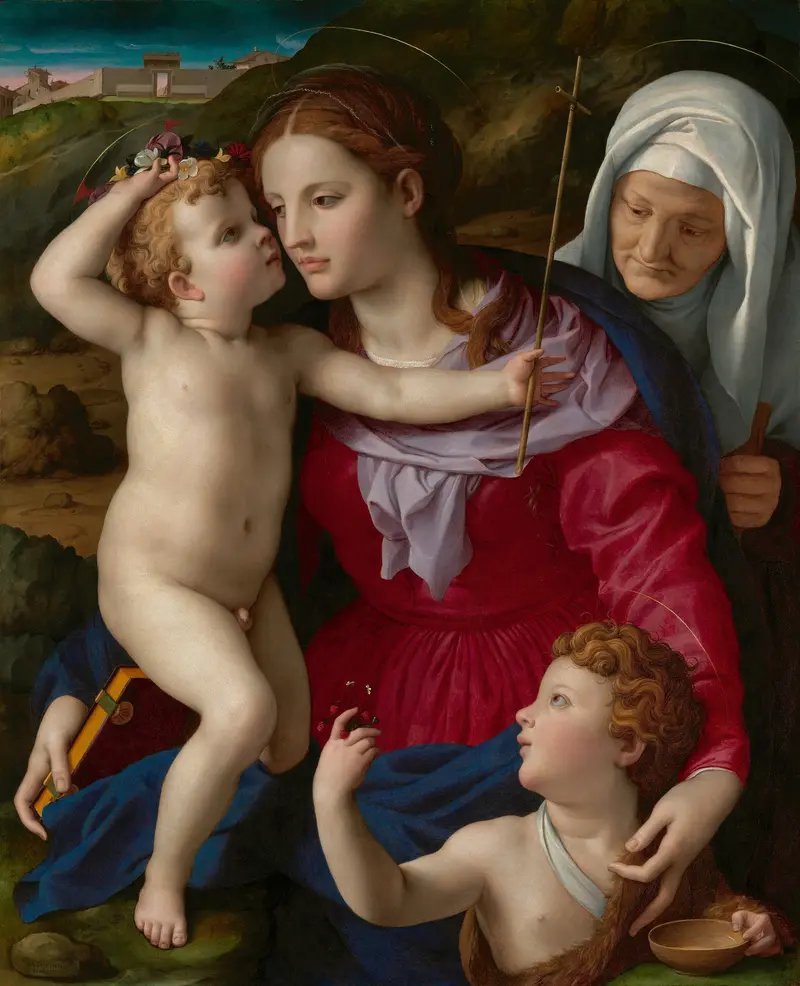
Virgin and Child with Saint Elizabeth and Saint John the Baptist
Agnolo Bronzino
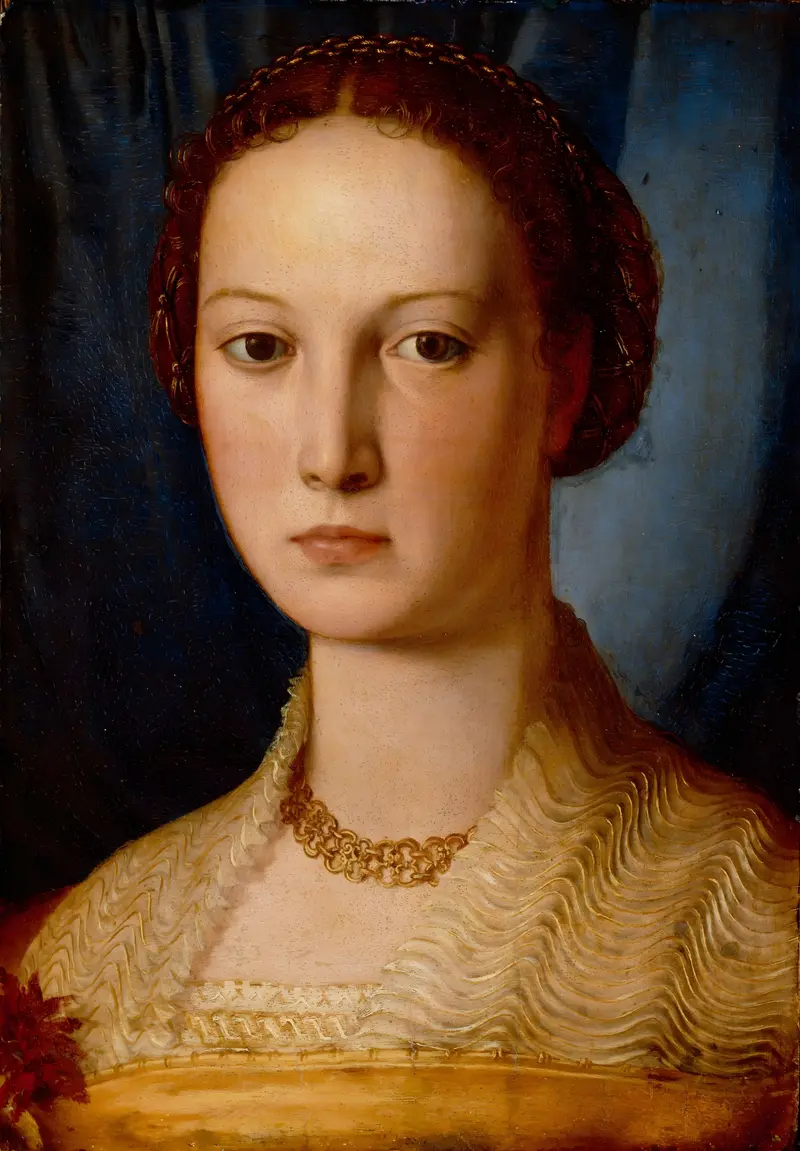
Costanza Da Sommaia
Agnolo Bronzino
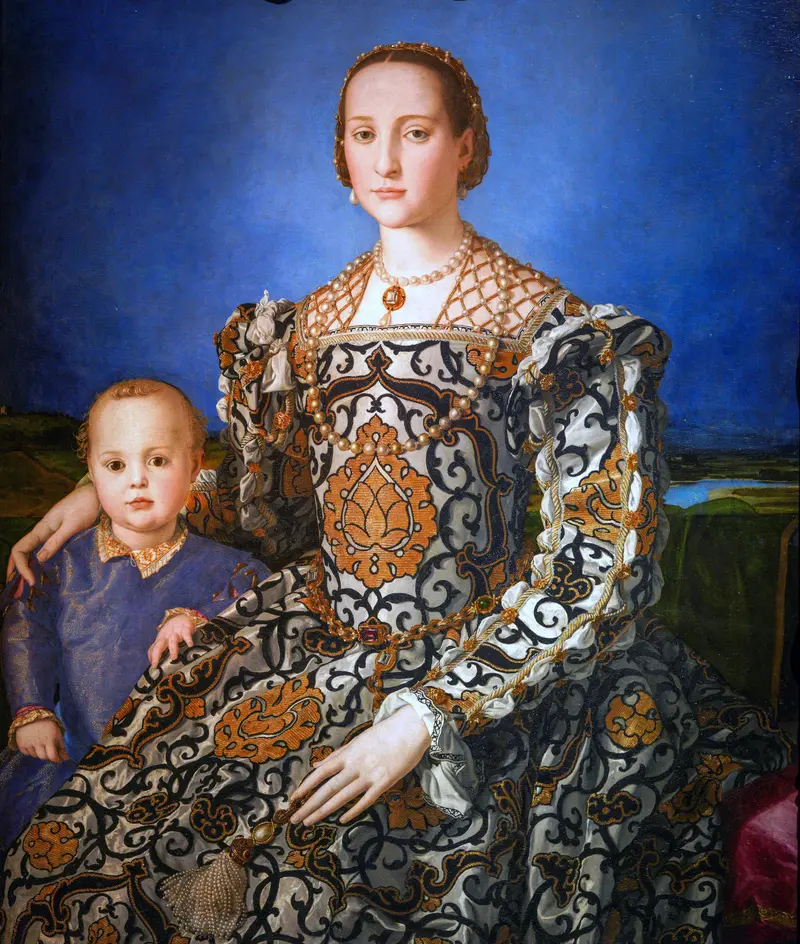
Portrait of Eleanor of Toledo with Her Son Giovanni de’ Medici
Agnolo Bronzino
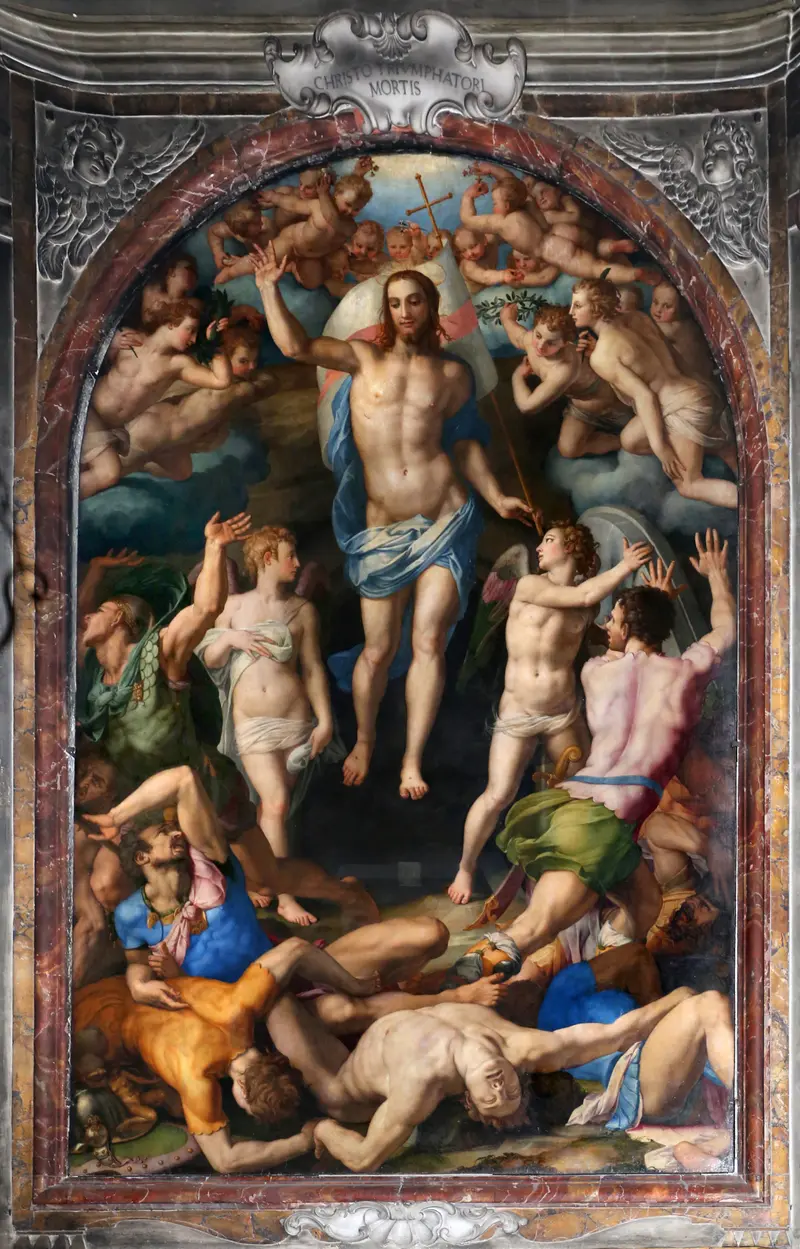
Resurrection Of Christ
Agnolo Bronzino
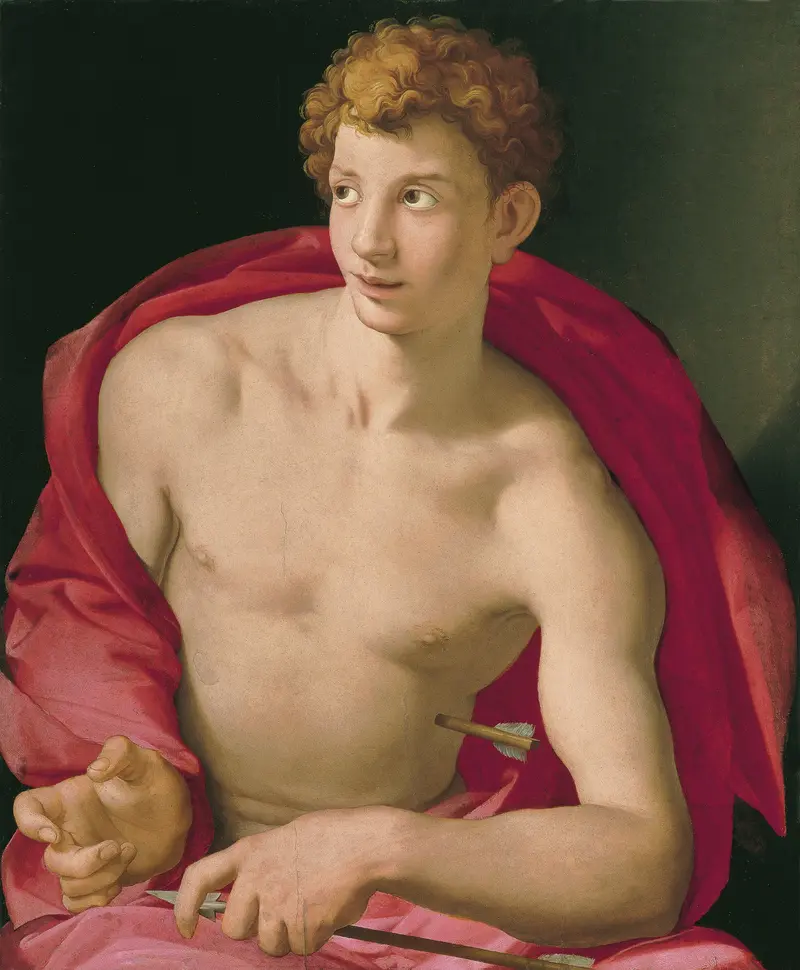
Saint Sebastian
Agnolo Bronzino





