
Portrait of a Lady — History & Facts
What first catches the eye in Portrait of a Lady by Agnolo Bronzino is the sitter’s unwavering gaze, as if she is weighing the viewer with the same quiet authority she brings to her own presence. The folds of her coral-red robe are rendered with such care that the fabric itself becomes a second skin, each crease and shimmer a testament to both her status and the painter’s fascination with surface. Her right hand, adorned with a ring, rests with calculated ease on the arm of a carved chair, while her left delicately holds a small, closed book or mirror—an object that hints at learning or self-reflection.
The striped drapery behind her, almost theatrical in its bold pattern, frames her like a stage curtain, drawing the eye back to her composed face. Every element in the painting seems chosen to communicate a self-assured dignity, from the geometric jewelry to the subtle interplay of gold and red. Painted between 1550 and 1555, this portrait emerges from the world of mid-sixteenth-century Florence, when likenesses such as this were not mere records but declarations of identity and power. Portraits by Bronzino—court painter to the Medici—were prized by the elite for their ability to immortalize not only appearances but the virtues and aspirations of their subjects.
While the sitter here may possibly be Eleonora da Toledo, as some sources suggest, the painting’s true story lies in its style: the cool reserve, the almost sculptural clarity, and the meticulous attention to costume all speak to the values of a society in which image was inseparable from influence. Today, the painting’s journey is known only through its inclusion in The Yorck Project’s collection, a reminder that many such works survive as fragments of a once-vivid social world. The lady’s gaze invites you to linger, to wonder what secrets might be held in the book she holds—or in the silence she keeps.
More Artworks by Agnolo Bronzino

Eleonora Of Toledo
Agnolo Bronzino
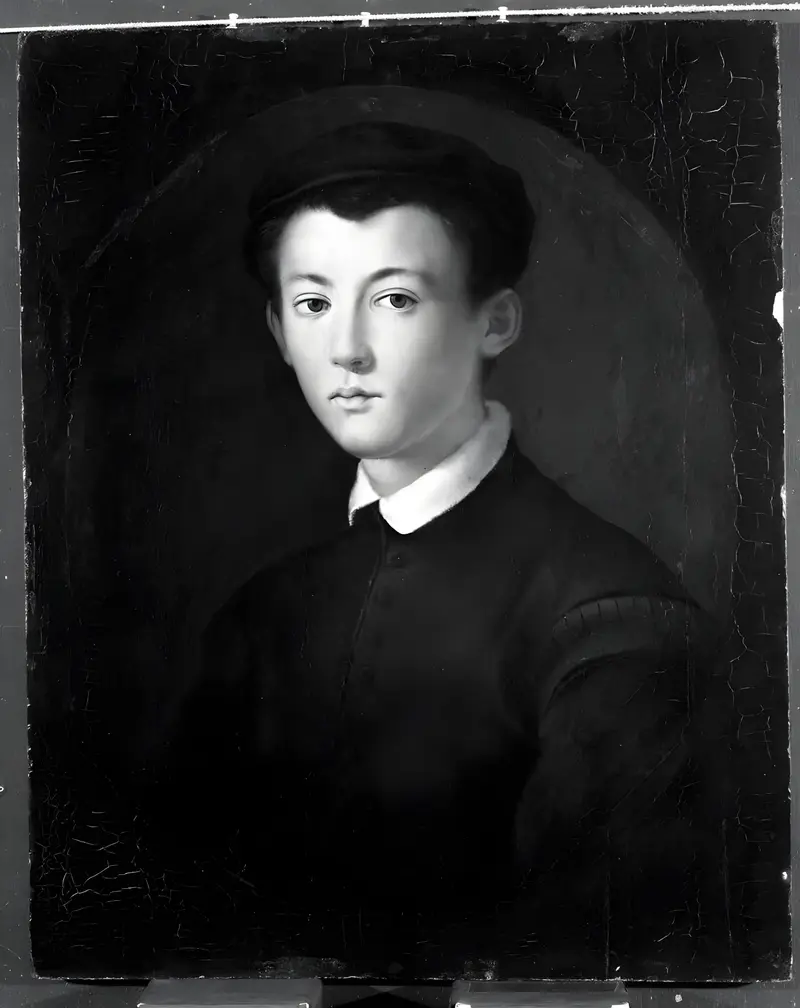
Portrait of a Young Man
Agnolo Bronzino
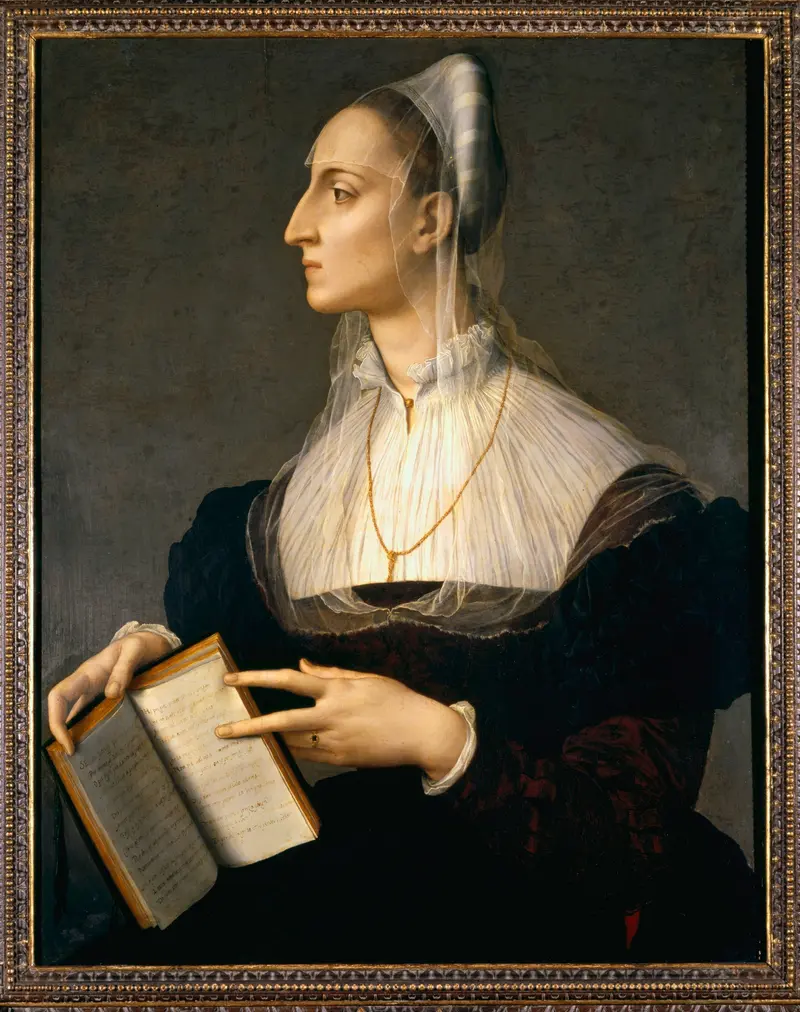
Portrait Of Laura Battiferri
Agnolo Bronzino
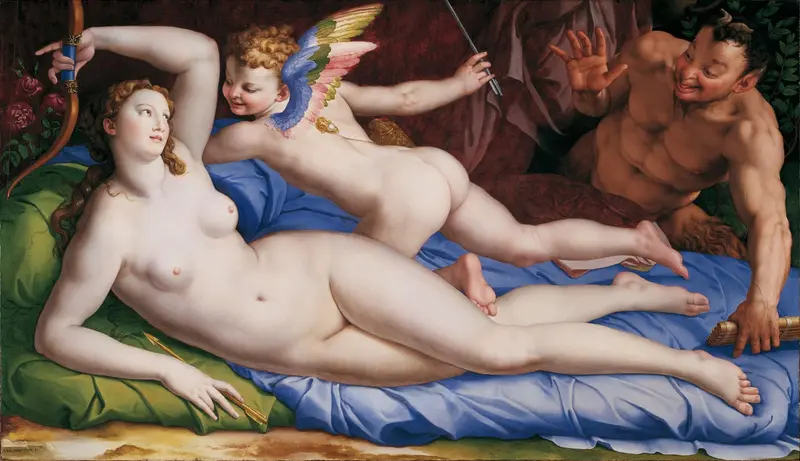
Venus, Cupid And Satyr
Agnolo Bronzino
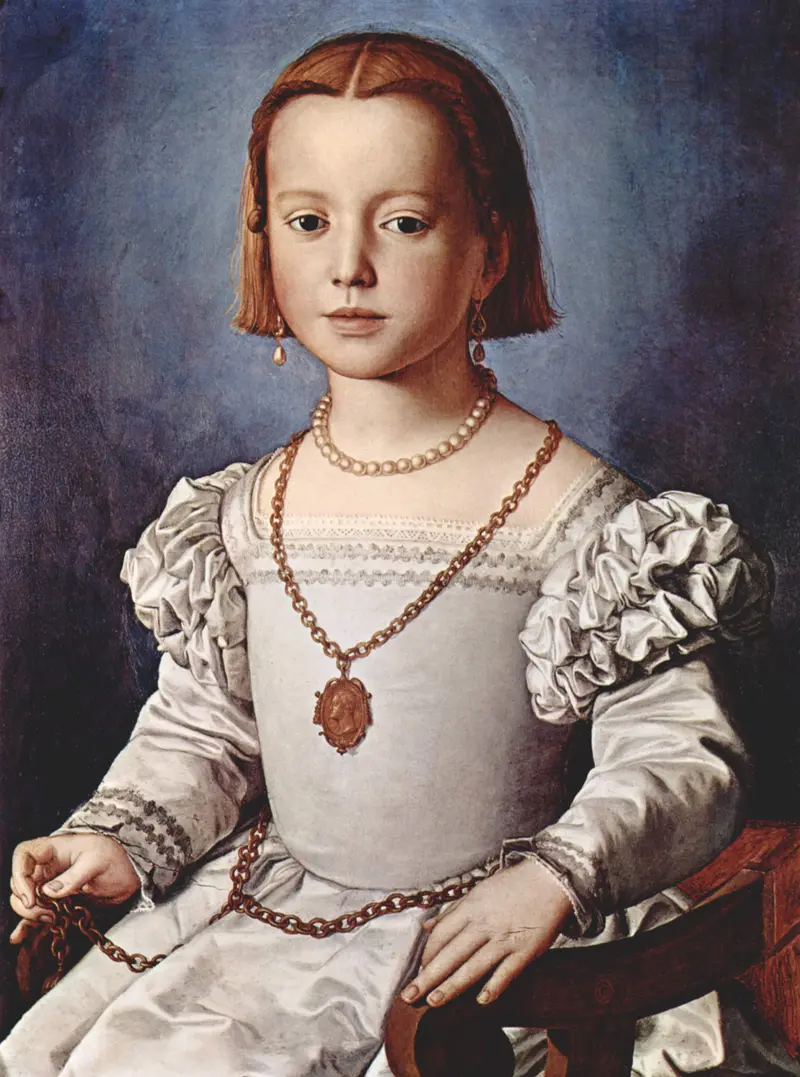
Bia Di Cosimo De‘ Medici
Agnolo Bronzino
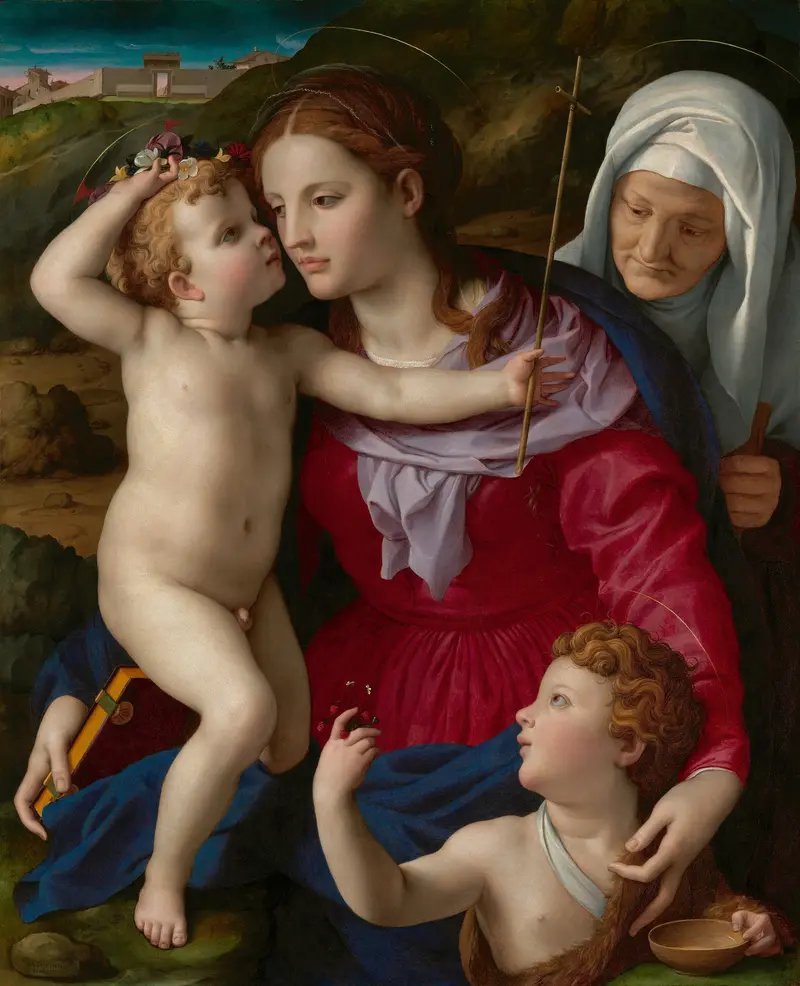
Virgin and Child with Saint Elizabeth and Saint John the Baptist
Agnolo Bronzino
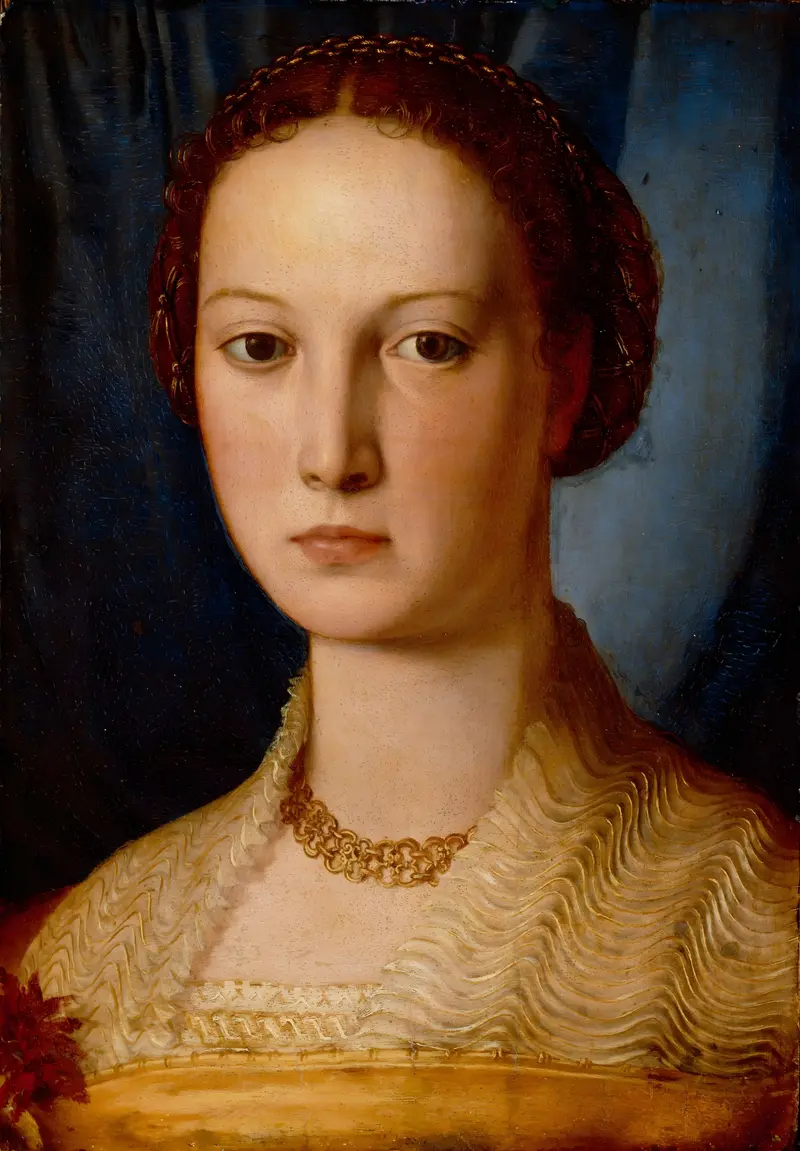
Costanza Da Sommaia
Agnolo Bronzino
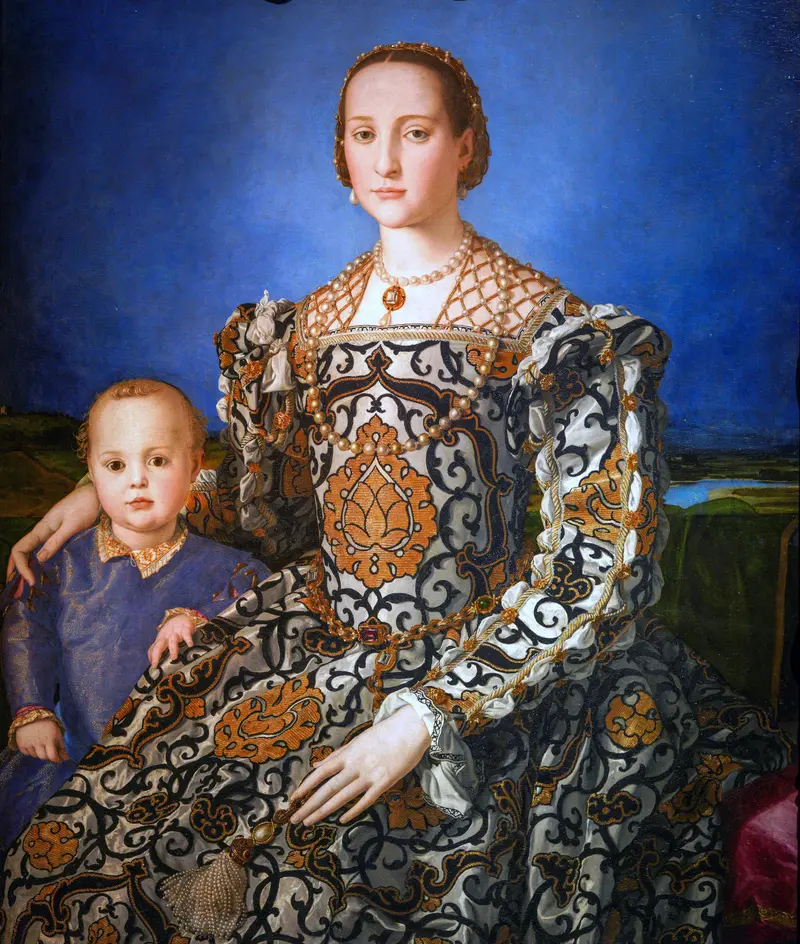
Portrait of Eleanor of Toledo with Her Son Giovanni de’ Medici
Agnolo Bronzino
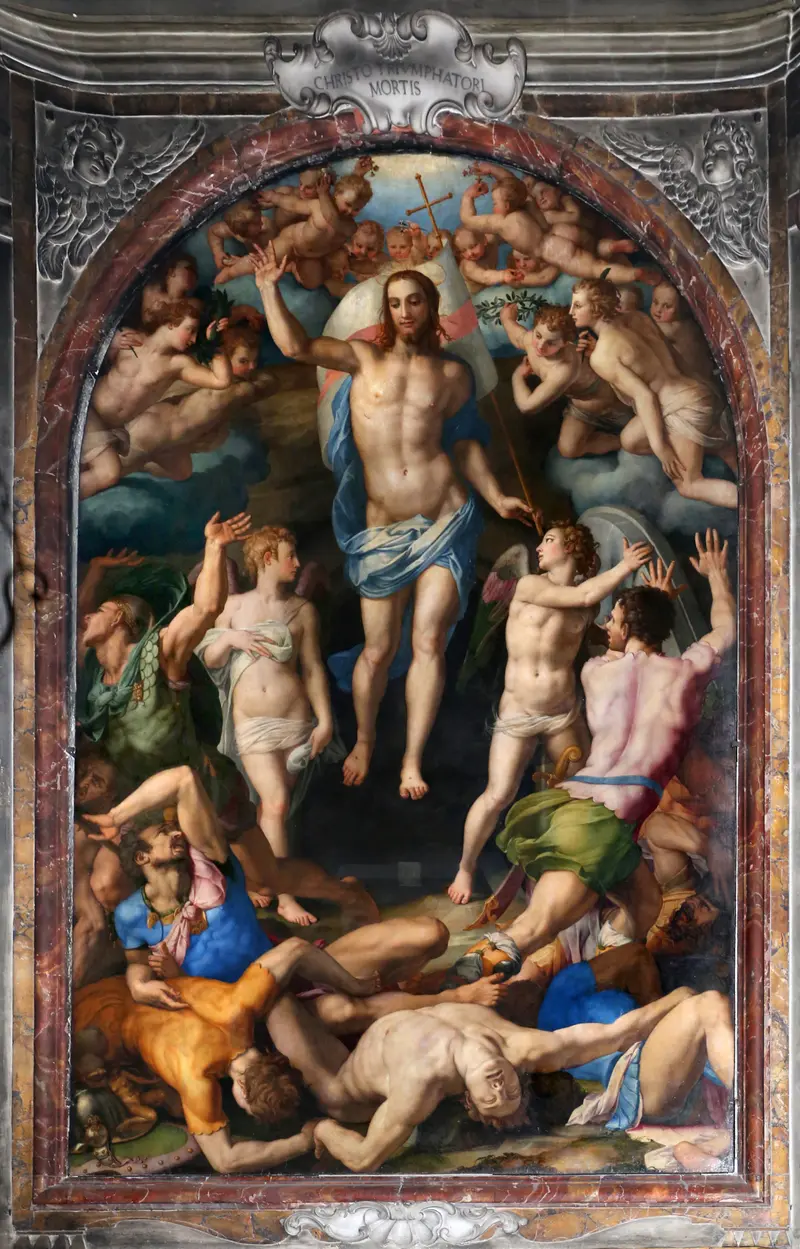
Resurrection Of Christ
Agnolo Bronzino
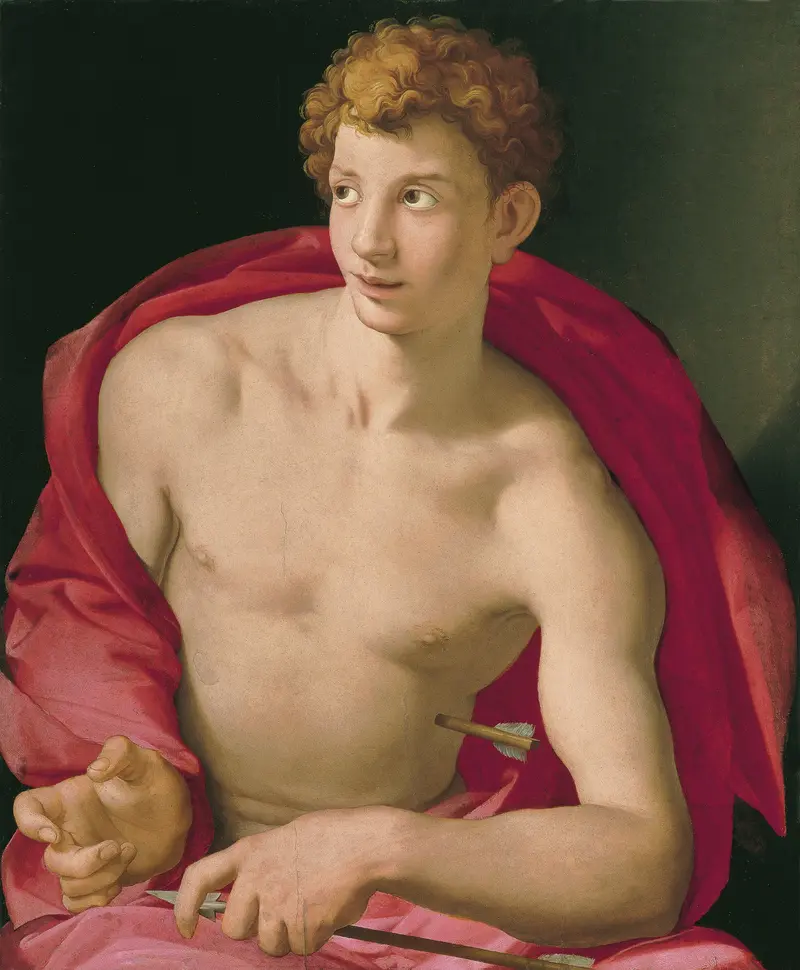
Saint Sebastian
Agnolo Bronzino





