
Portrait of a lady as Flora — History & Facts
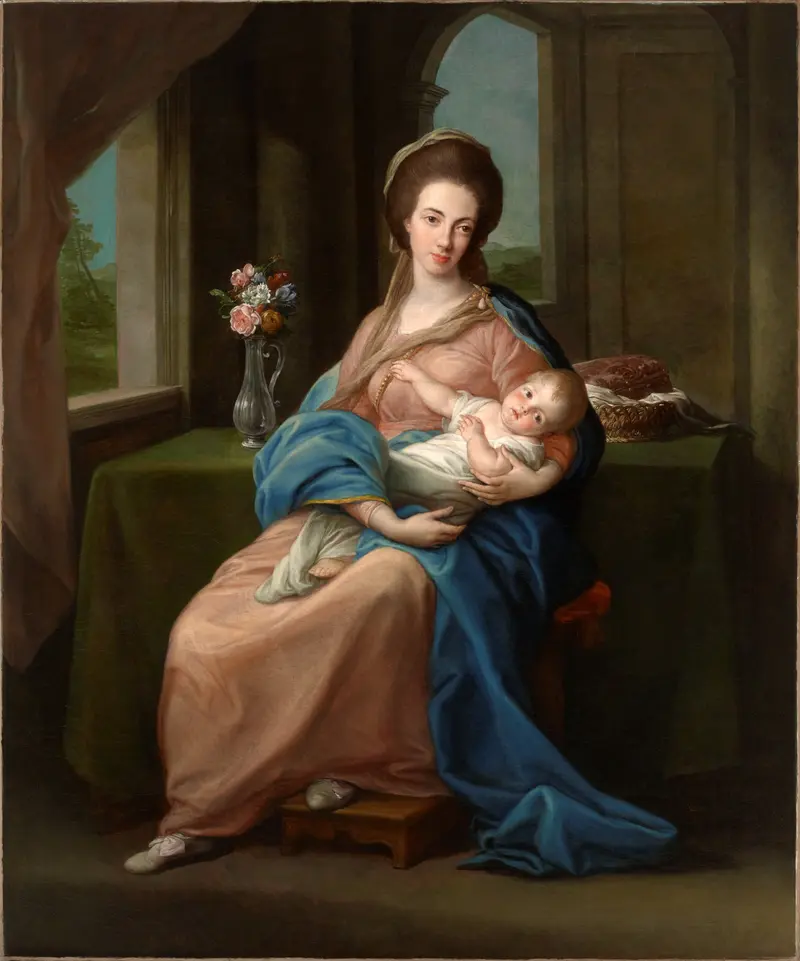
In Portrait of a Lady as Flora, the viewer sees a woman adorned in a flowing gown, embodying the Roman goddess of flowers. The colors are vibrant, with lush greens and soft pastels creating a lively atmosphere. The figure is set against a delicate background, enhancing her elegance and grace.
Floral motifs are present, emphasizing her connection to nature. The painting is executed in oil on canvas, typical of the Rococo style, which emphasizes lightness and decorative elements. Batoni's technique showcases his skill in rendering textures, particularly in the fabric of the gown and the intricate floral details. The composition is balanced, drawing the eye to the figure while allowing the background to complement her presence.
This work exemplifies the Rococo fascination with beauty and nature. Pompeo Batoni was an influential Italian painter of the 18th century, known for his portraits and mythological scenes. Portrait of a Lady as Flora reflects the Rococo style's emphasis on elegance and charm. An interesting fact about this work is that it not only serves as a portrait but also as an allegorical representation of nature's beauty.
Batoni's ability to blend realism with idealism is evident in this piece.
More Artworks by Pompeo Batoni
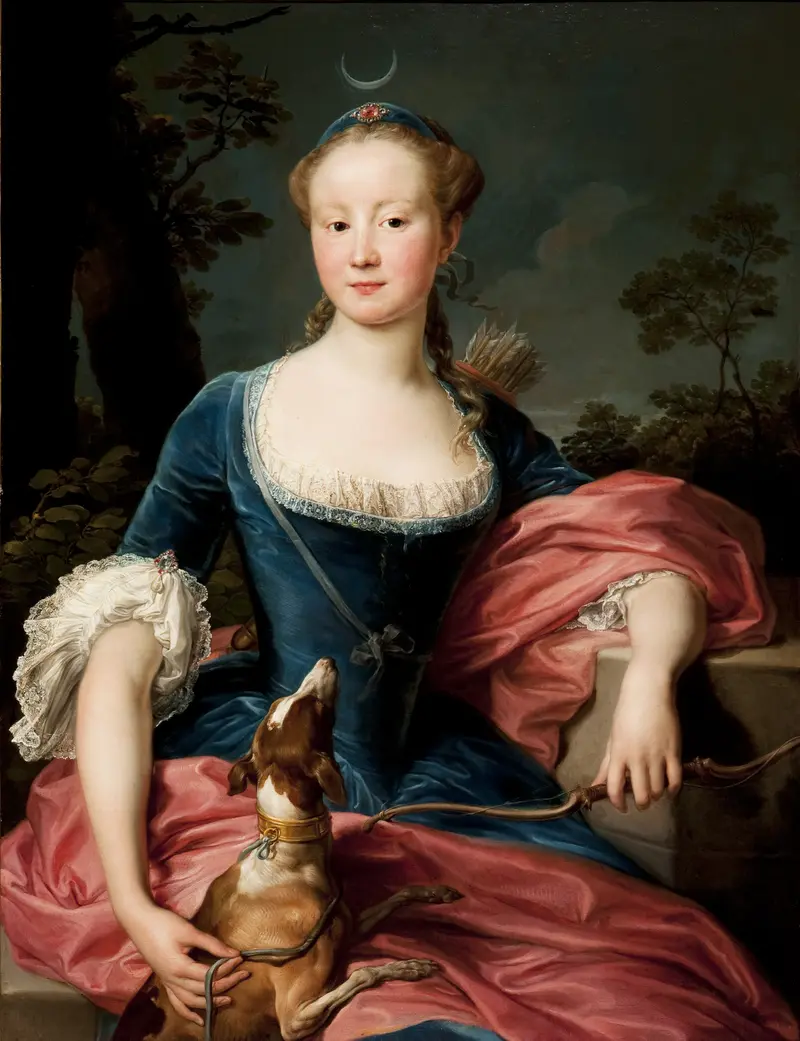
Portrait of a Lady as Diana the Huntress
Pompeo Batoni
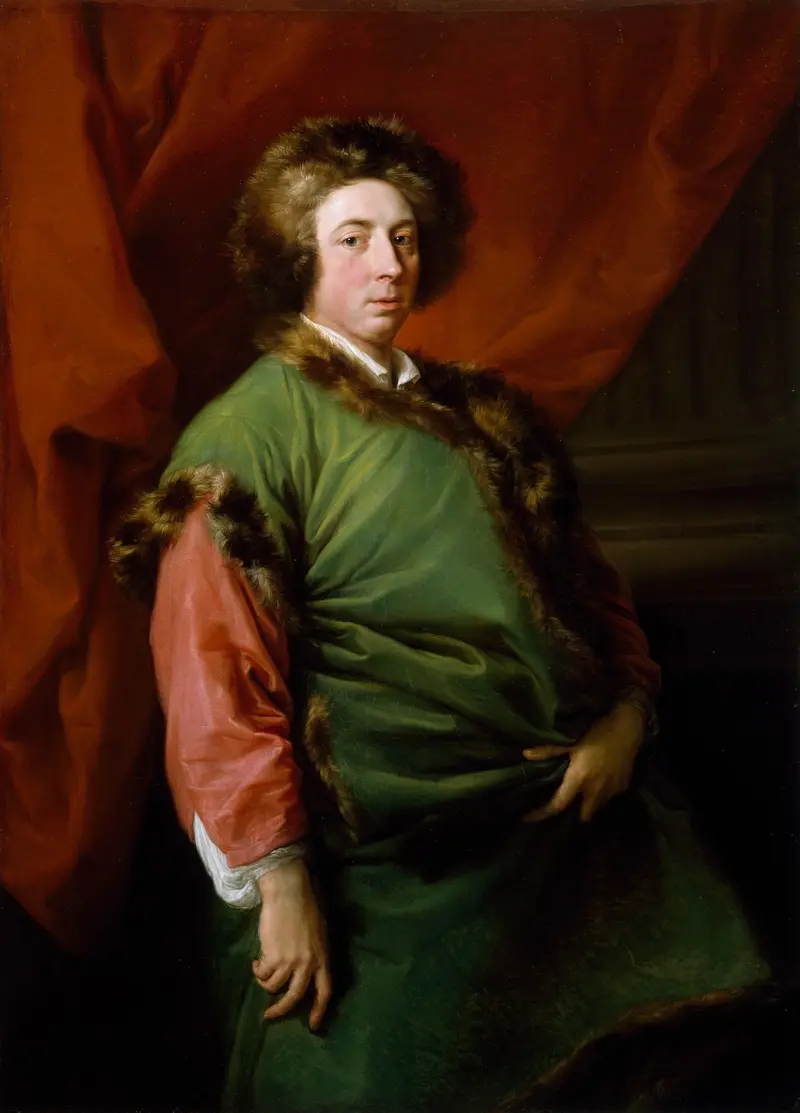
Portrait of Joseph Leeson, later 1st Earl of Milltown (1711-1783)
Pompeo Batoni
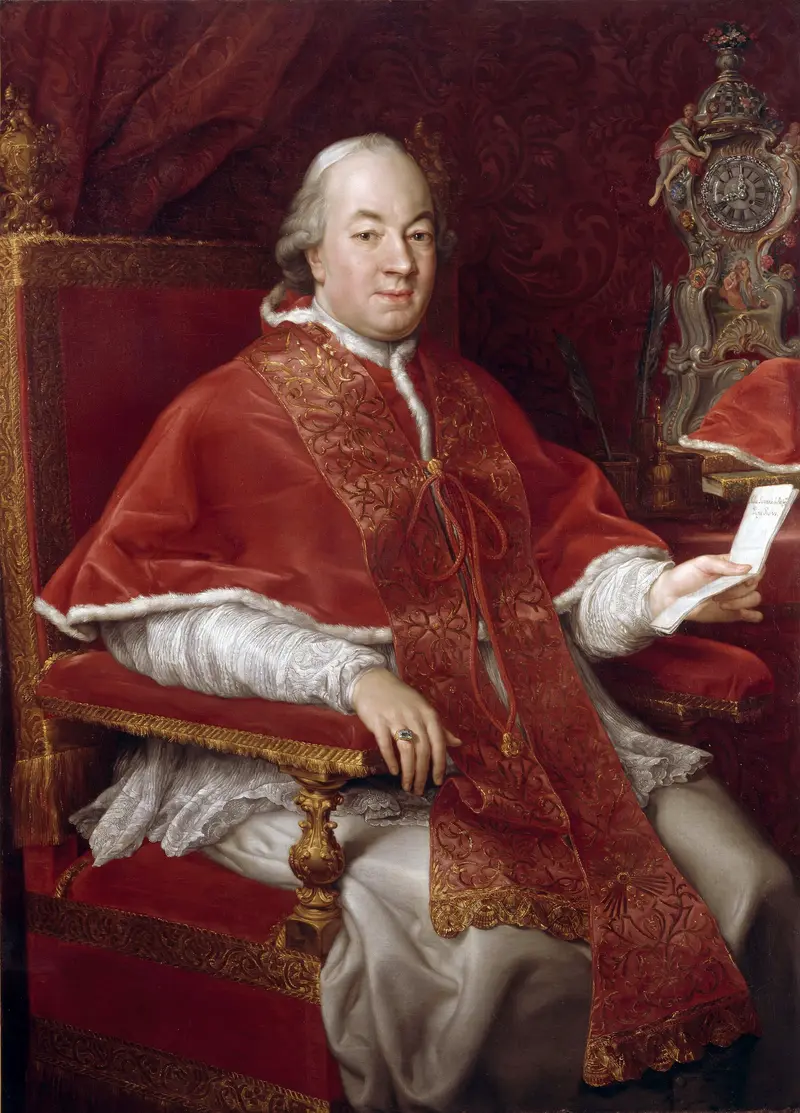
Portrait of Pope Pius VI, Giovanni Angelo Braschi (1717-1799)
Pompeo Batoni
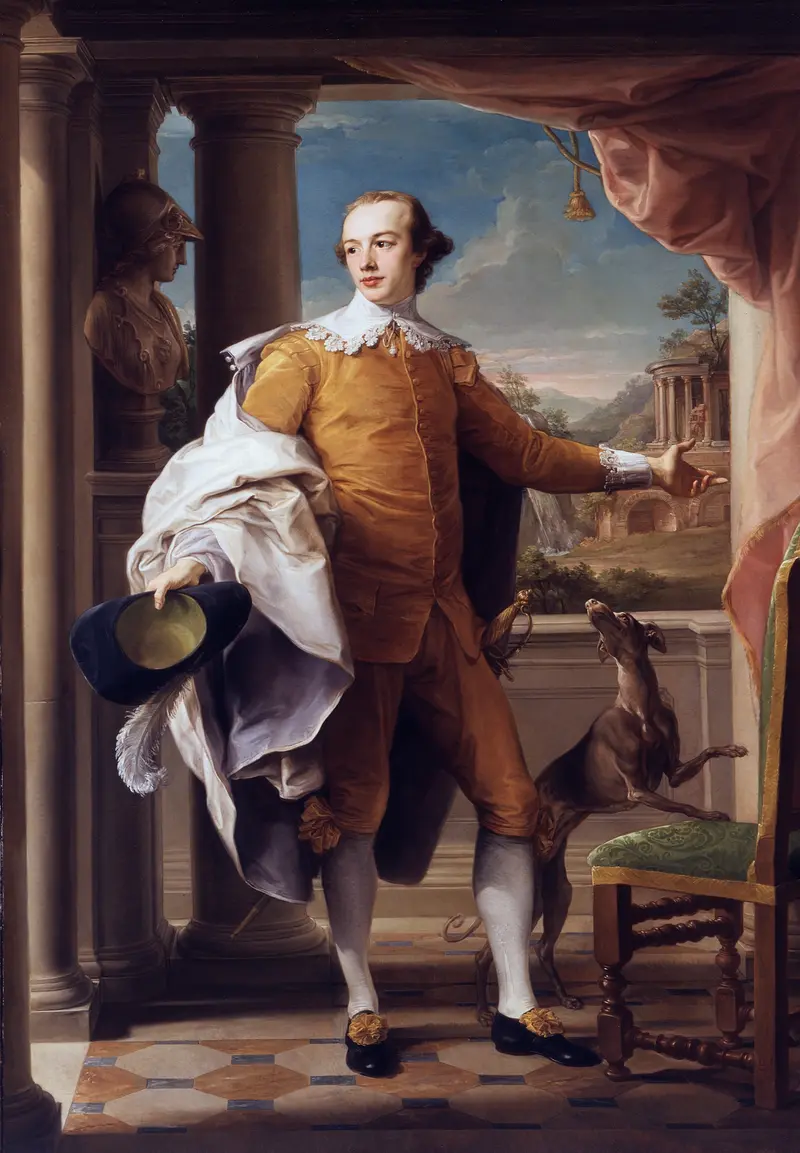
Portrait of Sir Wyndham Knatchbull-Wyndham
Pompeo Batoni
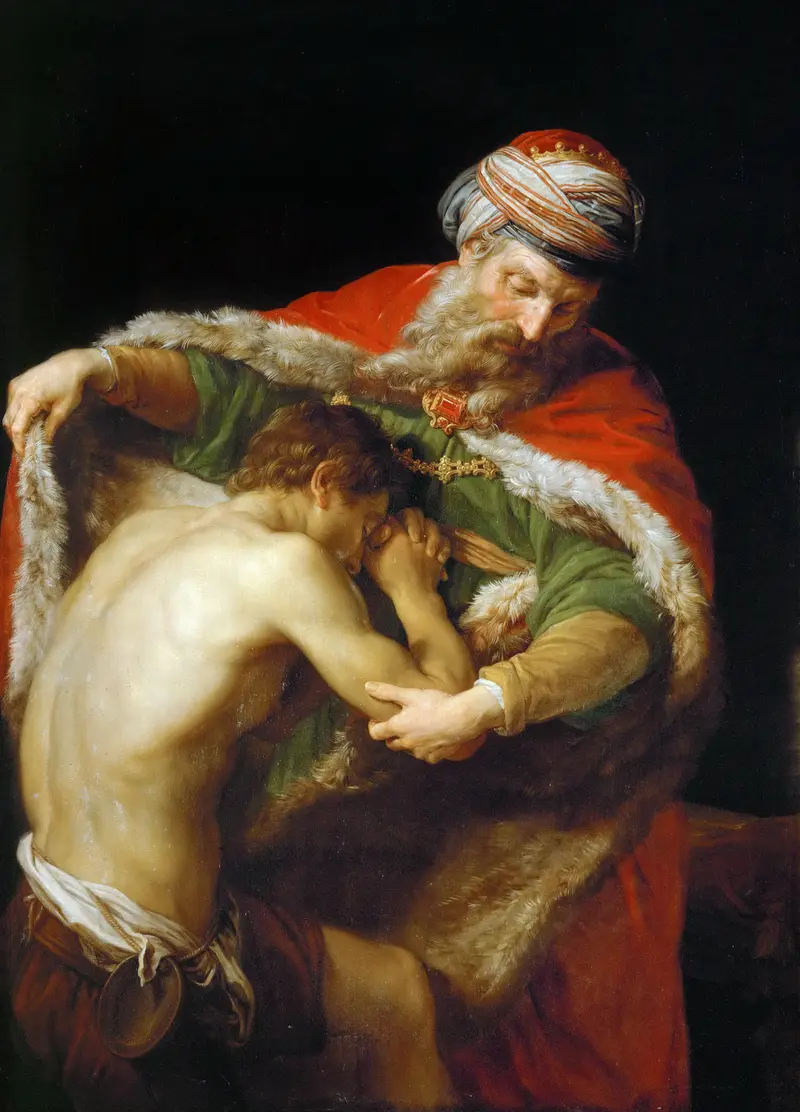
The Return Of The Prodigal Son
Pompeo Batoni
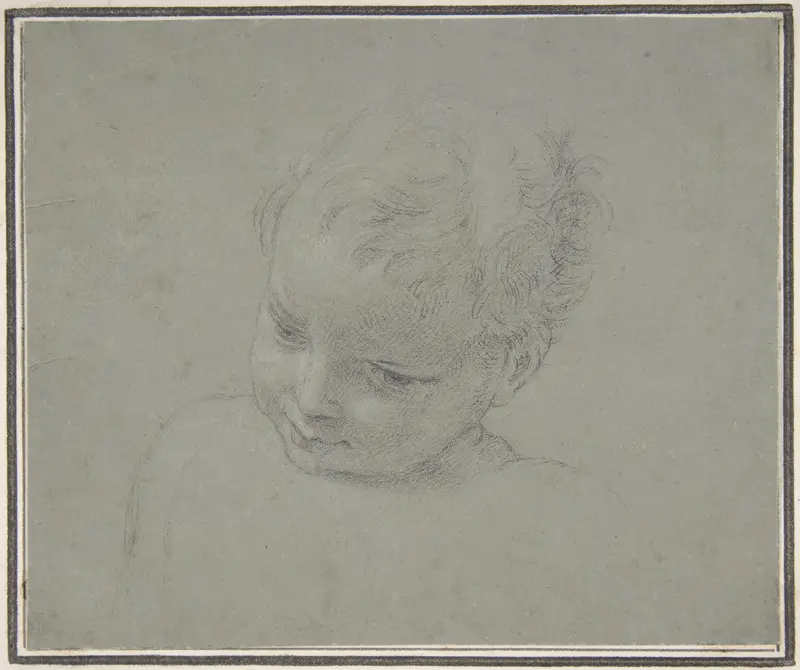
Bust-Length Study of a Child
Pompeo Batoni
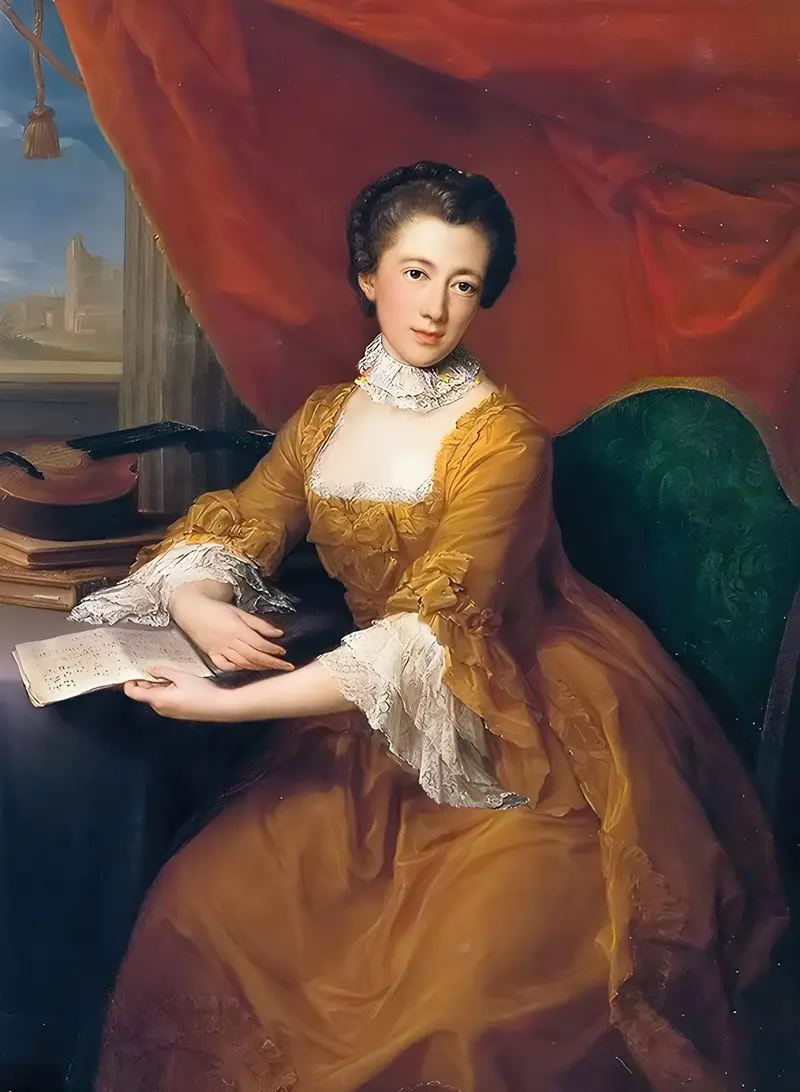
Portrait of Lady Margaret Georgiana Poyntz
Pompeo Batoni
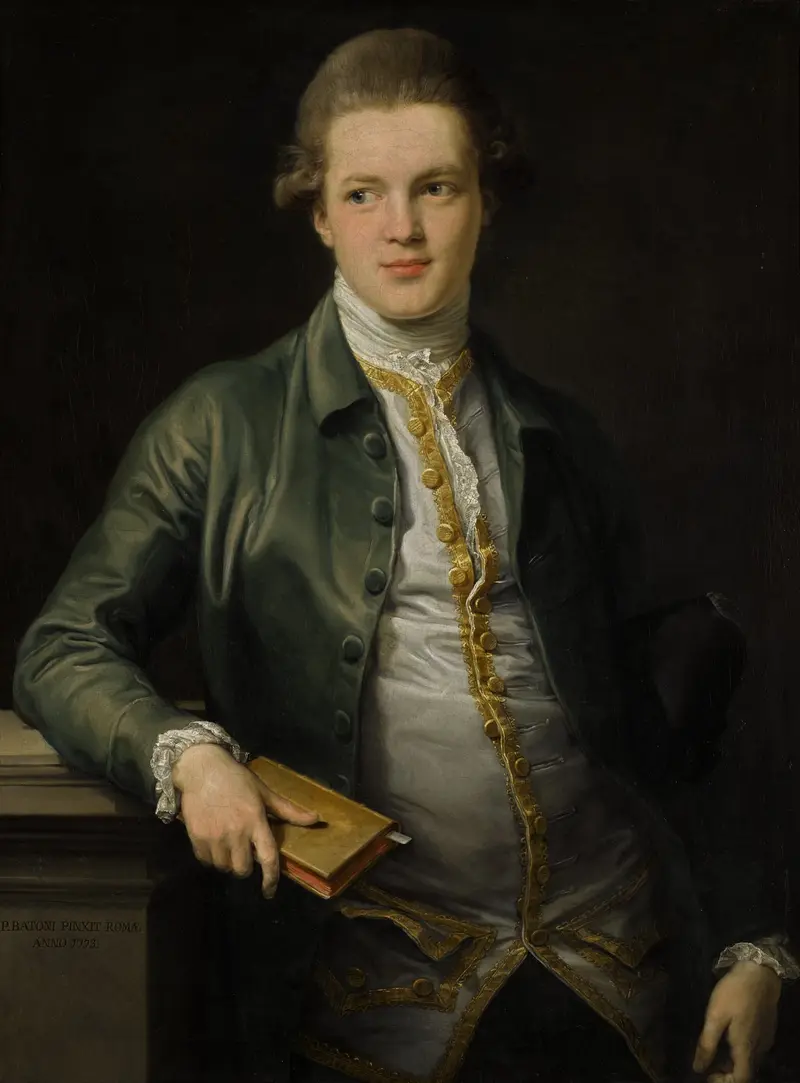
Portrait of Thomas Orde, later Orde-Powlett and 1st Baron Bolton
Pompeo Batoni

Male Nude Reclining on a Bed
Pompeo Batoni
Mary Taylour, Viscountess of Headfort, later Countess of Bective and Marchioness of Headfort
Pompeo Batoni





