
Portrait of a Man — History & Facts
What first catches the eye is the crisp confidence of the sitter’s gaze—a look that meets you directly, as if to remind you that the man in Portrait of a Man by Agnolo Bronzino was once very much alive, his presence as carefully constructed as the doublet he wears. The hand placed deliberately across his chest, fingers splayed, is not just a gesture of self-presentation but a sign of status and self-possession. The ruffled collar frames his face like a stage, drawing attention to the calm, almost analytical eyes and the meticulously groomed beard.
Light glances off the satin and velvet, tracing the geometric patterns of his attire, while the sword at his hip is more than an accessory—it is a declaration of rank and readiness. This painting belongs to a world where portraiture was both a mirror and a mask, crafted for the elite of Renaissance Florence and beyond. In the sixteenth century, men of ambition and breeding commissioned such works to broadcast lineage, virtue, and authority—qualities that Bronzino, court painter to the Medici, rendered with an icy clarity that set him apart from his contemporaries. The Staatliche Museen zu Berlin now houses this enigmatic likeness, a reminder that history has kept few traces of the sitter’s name, but preserved the language of his pose and costume.
Stand before him, and you enter a silent conversation with a vanished world—one that still speaks through the brush.
More Artworks by Agnolo Bronzino

Eleonora Of Toledo
Agnolo Bronzino
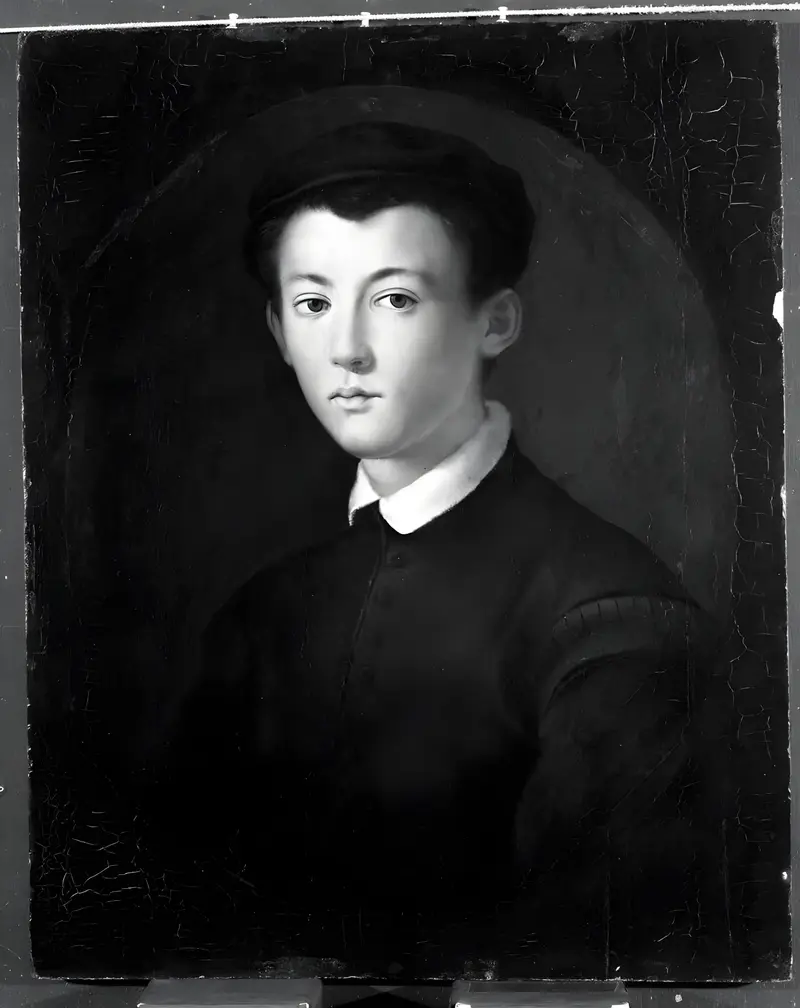
Portrait of a Young Man
Agnolo Bronzino
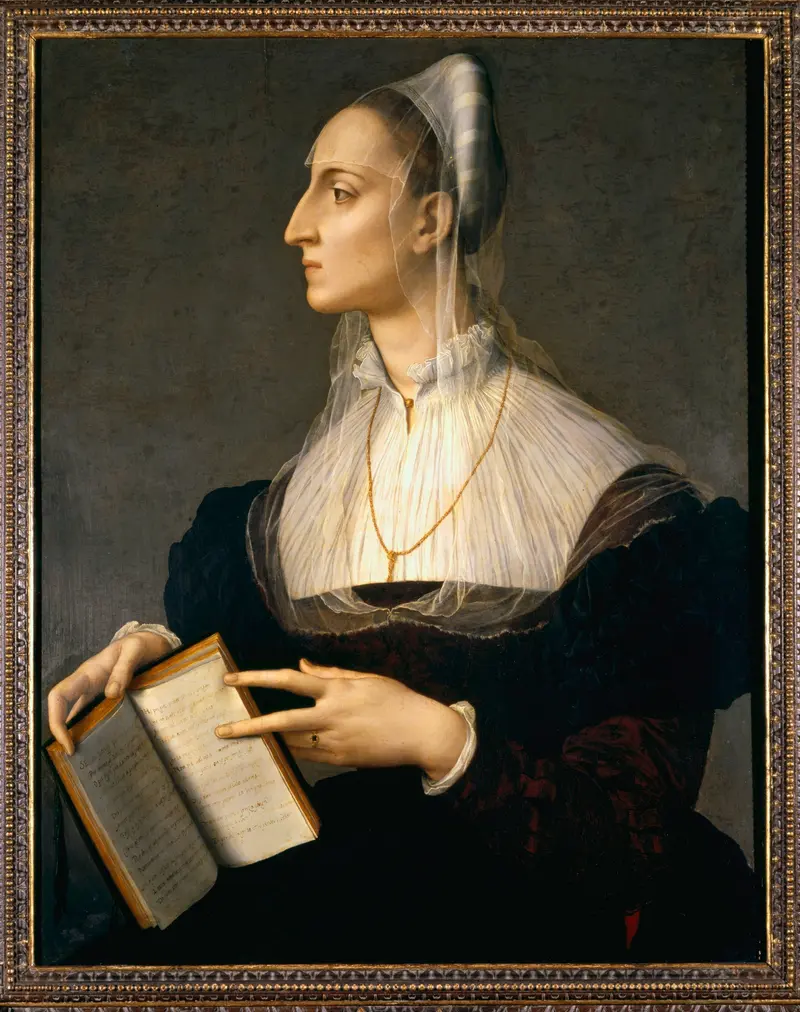
Portrait Of Laura Battiferri
Agnolo Bronzino
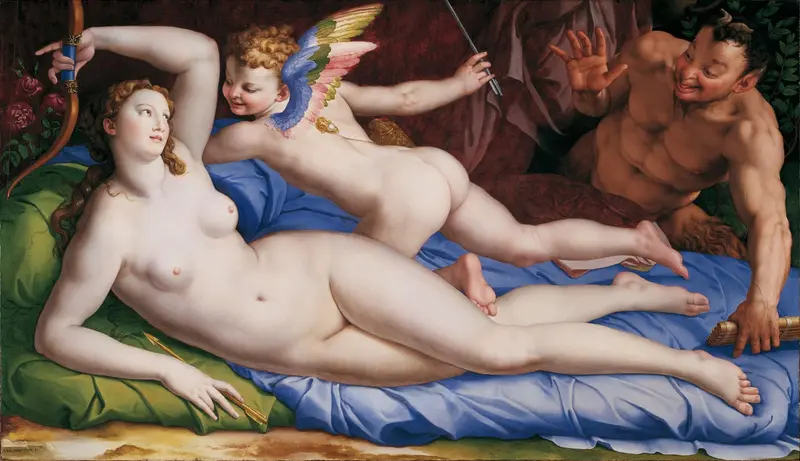
Venus, Cupid And Satyr
Agnolo Bronzino
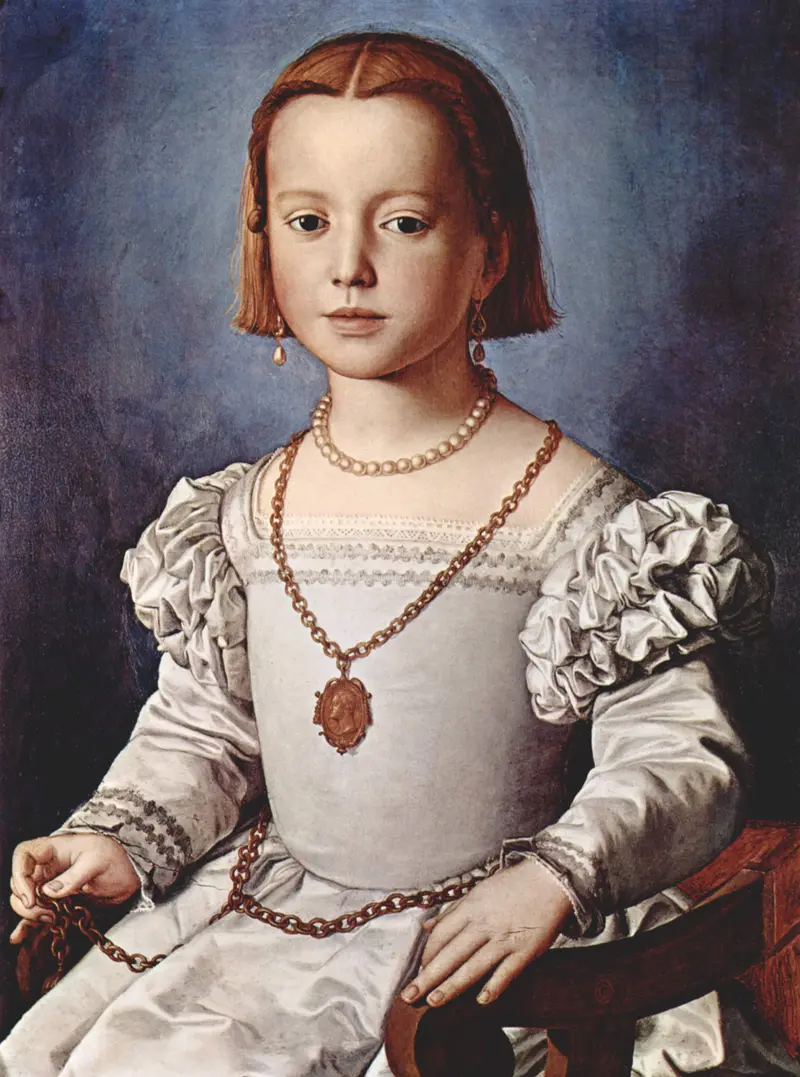
Bia Di Cosimo De‘ Medici
Agnolo Bronzino
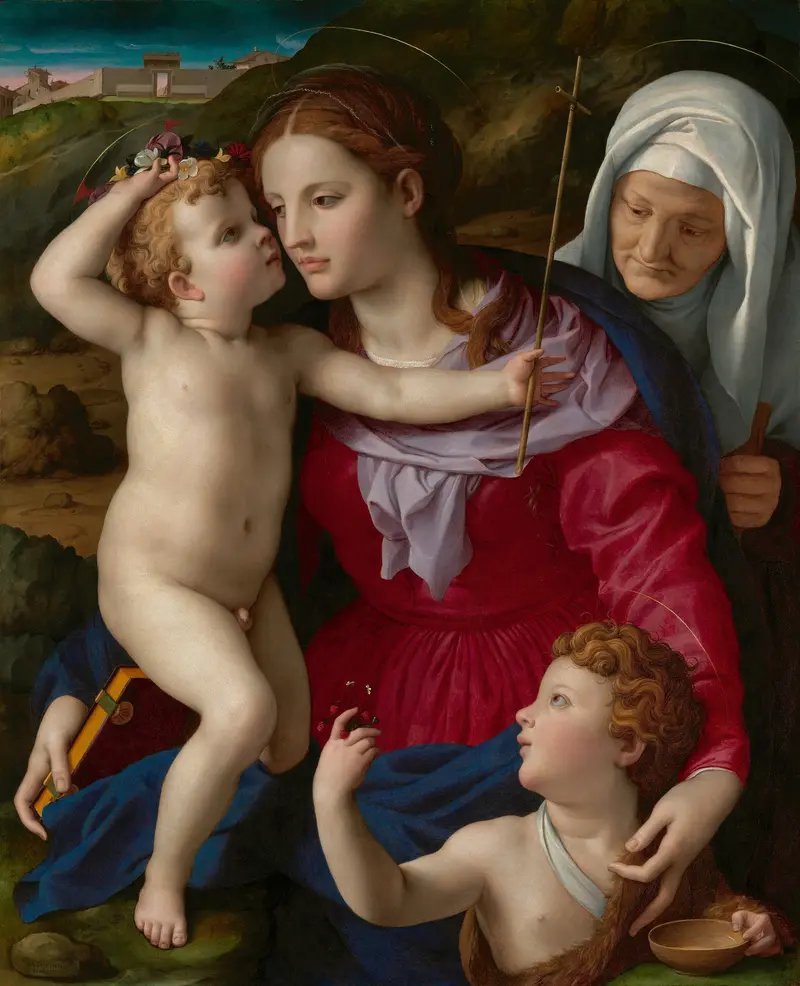
Virgin and Child with Saint Elizabeth and Saint John the Baptist
Agnolo Bronzino
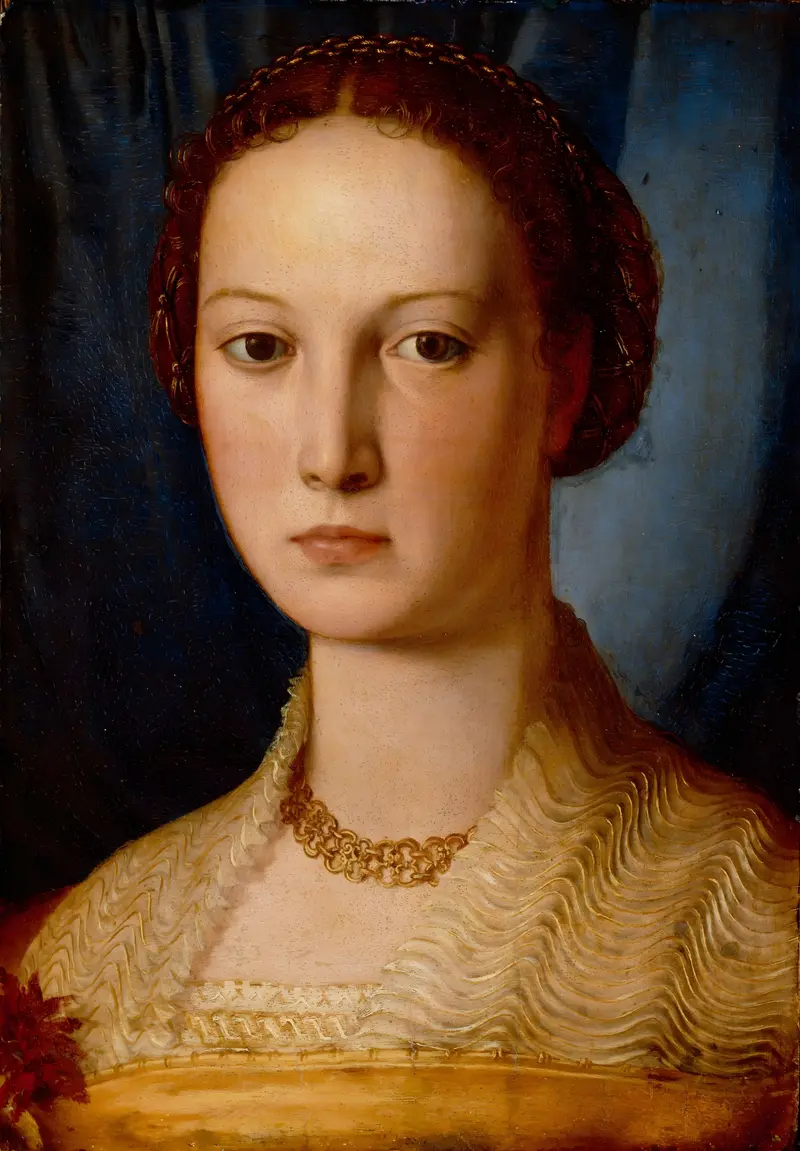
Costanza Da Sommaia
Agnolo Bronzino
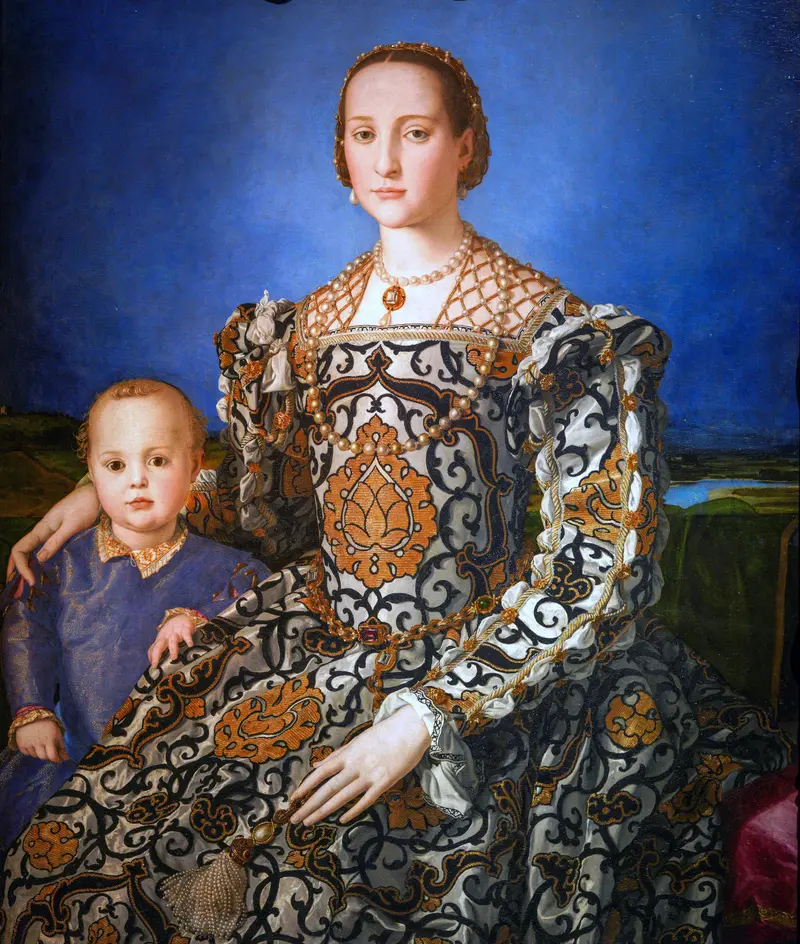
Portrait of Eleanor of Toledo with Her Son Giovanni de’ Medici
Agnolo Bronzino
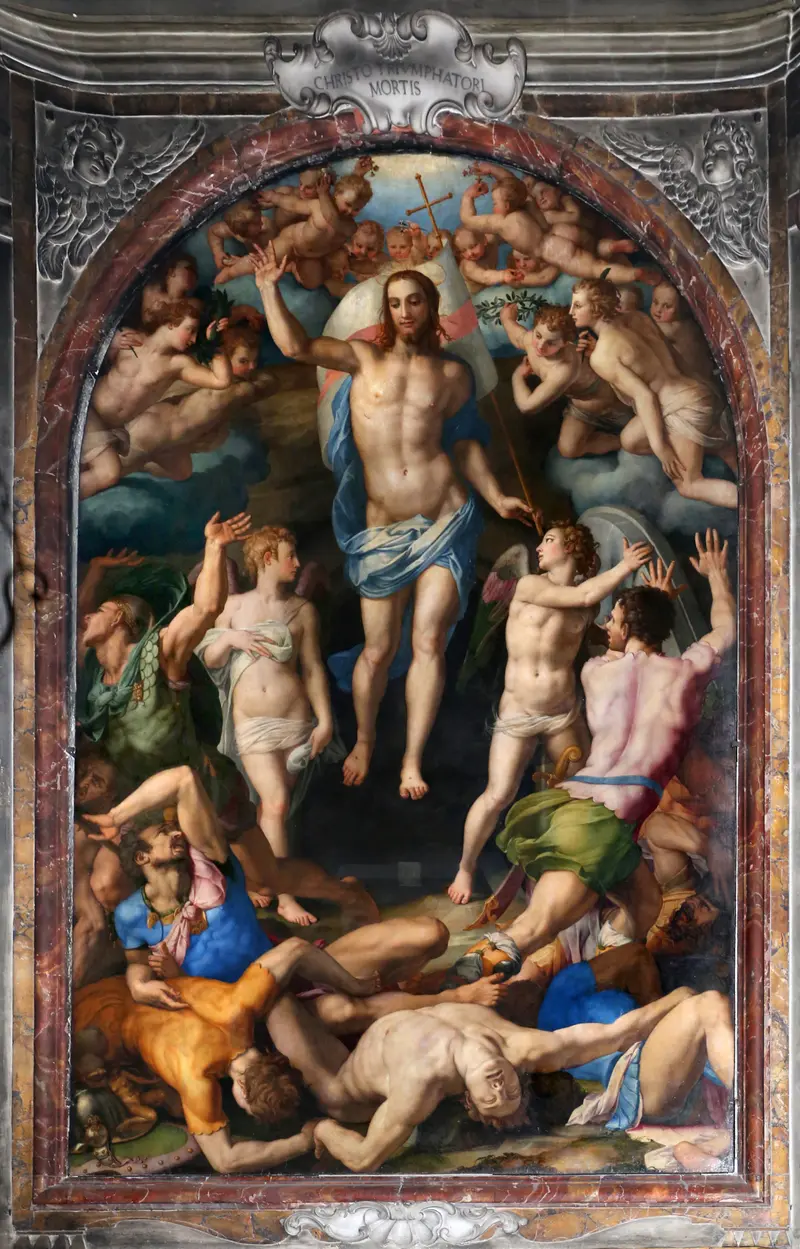
Resurrection Of Christ
Agnolo Bronzino
Saint Sebastian
Agnolo Bronzino





