
Portrait of a Man Holding a Statuette — History & Facts
What first draws the eye in Portrait of a Man Holding a Statuette is the intense, almost challenging gaze of the young sitter, his pale face emerging from the dark, severe costume that speaks of both refinement and restraint. In his hands, he cradles a small sculpted figure—its delicate, mythological form contrasting with the sitter’s own poised stillness. The statuette is not merely a prop: it signals learning, taste, and perhaps a claim to the world of antiquity, prized by the elite circles of sixteenth-century Florence.
The sitter’s elongated fingers rest with studied care, as if he is both presenting and protecting this emblem of culture. A green drapery, caught in an improbable fold, adds a note of theatricality and frames the figure with a flourish. Painted in 1550 by Agnolo Bronzino, this portrait belongs to the world of the Florentine Renaissance, when portraits were not just likenesses but statements of identity and ambition. Such works were often commissioned by wealthy patrons eager to display their sophistication and their ties to the intellectual revival of classical antiquity.
The cool, polished surface and precise contours are hallmarks of Bronzino’s style, echoing the ideals of clarity and control that defined the Mannerist movement. Though history has kept few traces of this particular painting’s journey, its presence in a modern collection—documented as of 2014—reminds us that the Renaissance was as much about self-fashioning as it was about art. Look again at the statuette and the sitter’s steady hand: in this quiet encounter, the past and present meet.
More Artworks by Agnolo Bronzino

Eleonora Of Toledo
Agnolo Bronzino
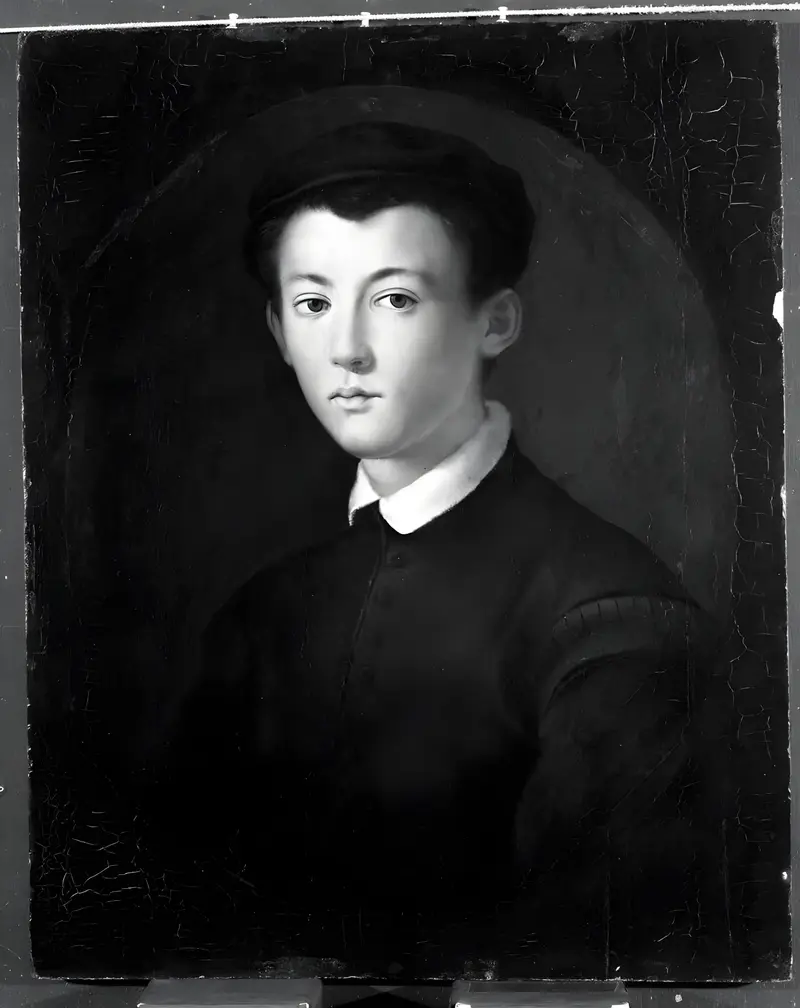
Portrait of a Young Man
Agnolo Bronzino
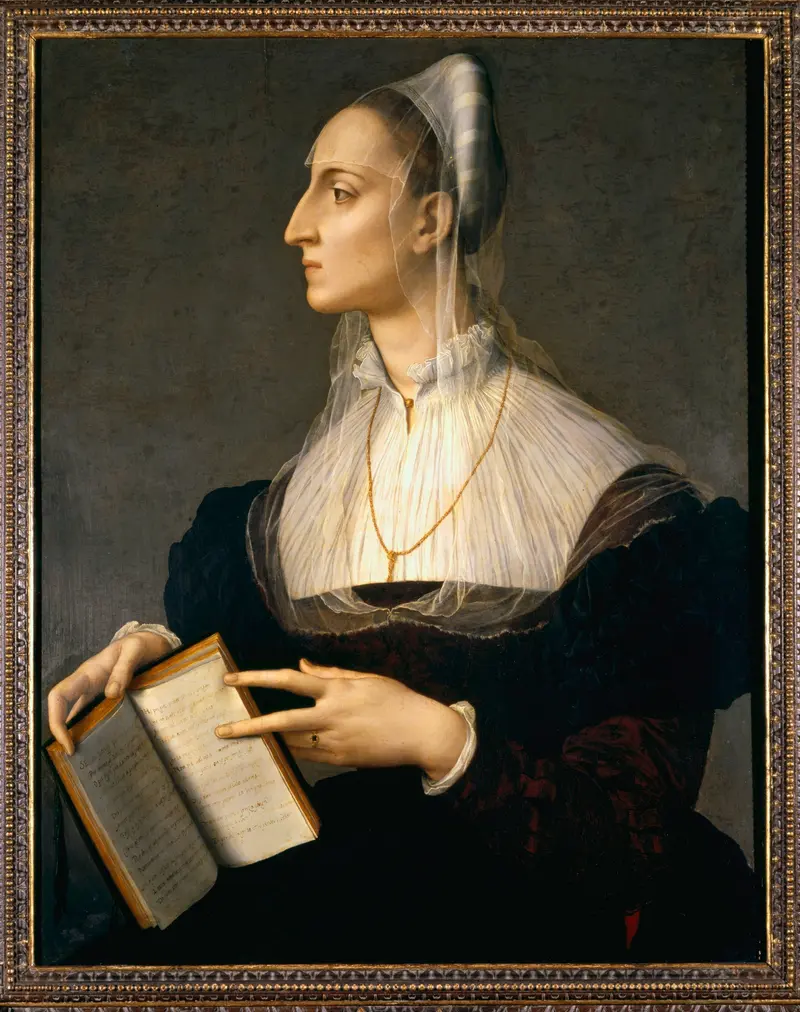
Portrait Of Laura Battiferri
Agnolo Bronzino
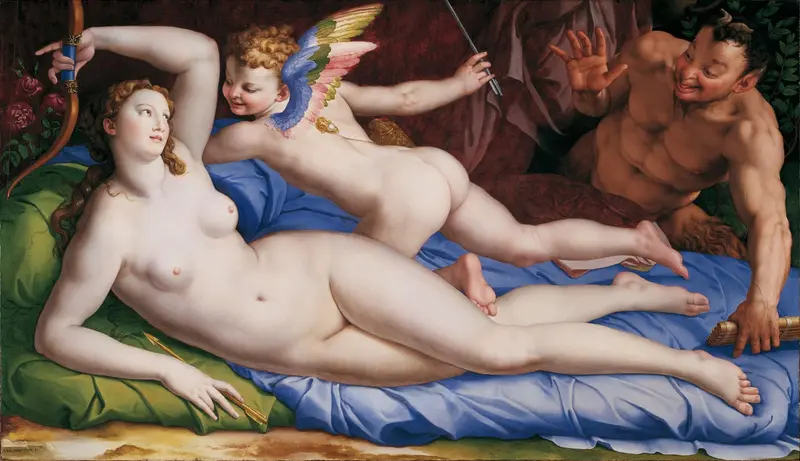
Venus, Cupid And Satyr
Agnolo Bronzino
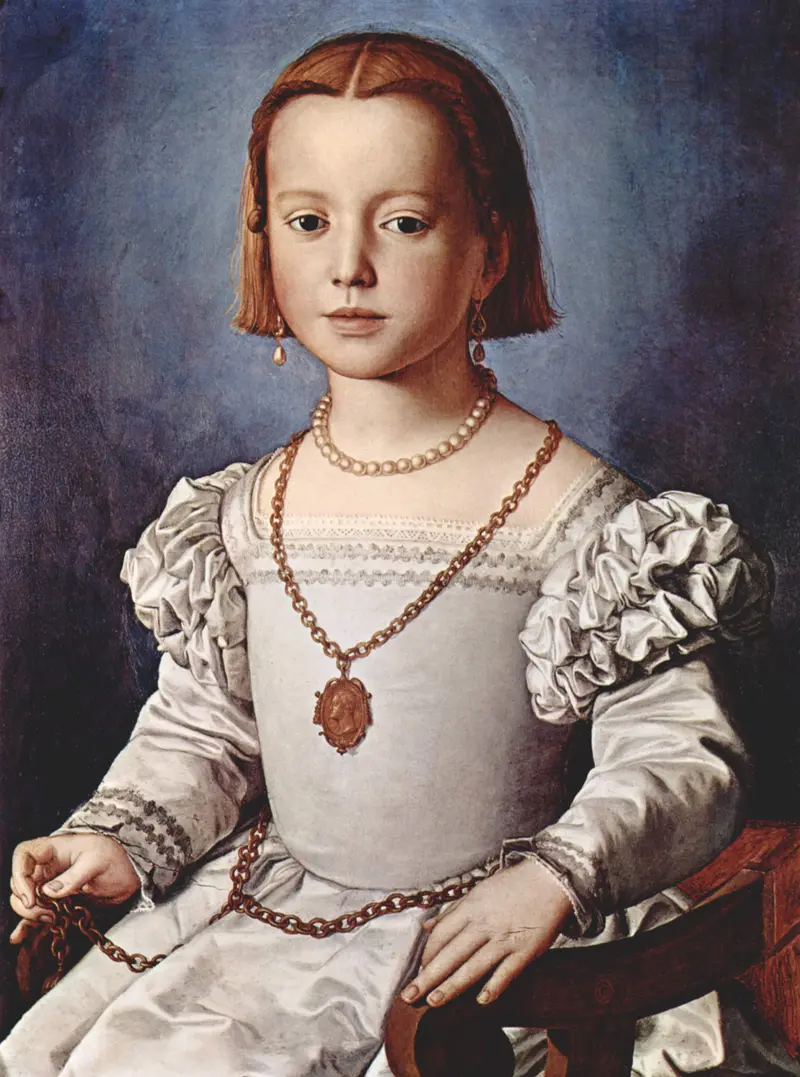
Bia Di Cosimo De‘ Medici
Agnolo Bronzino
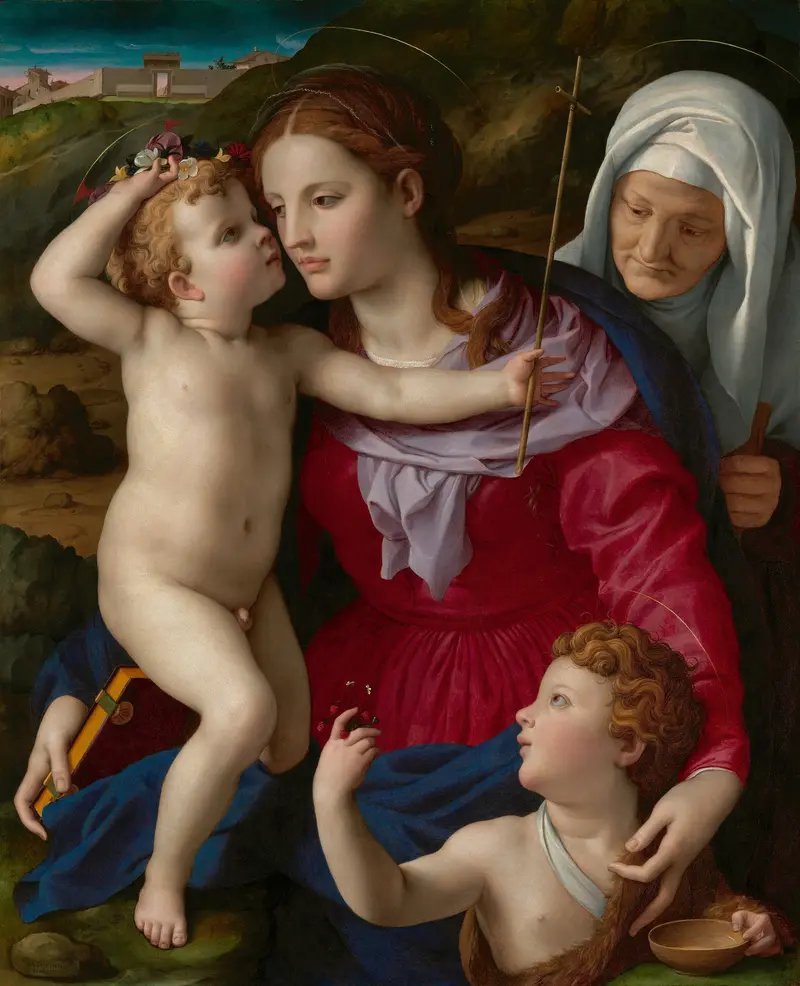
Virgin and Child with Saint Elizabeth and Saint John the Baptist
Agnolo Bronzino
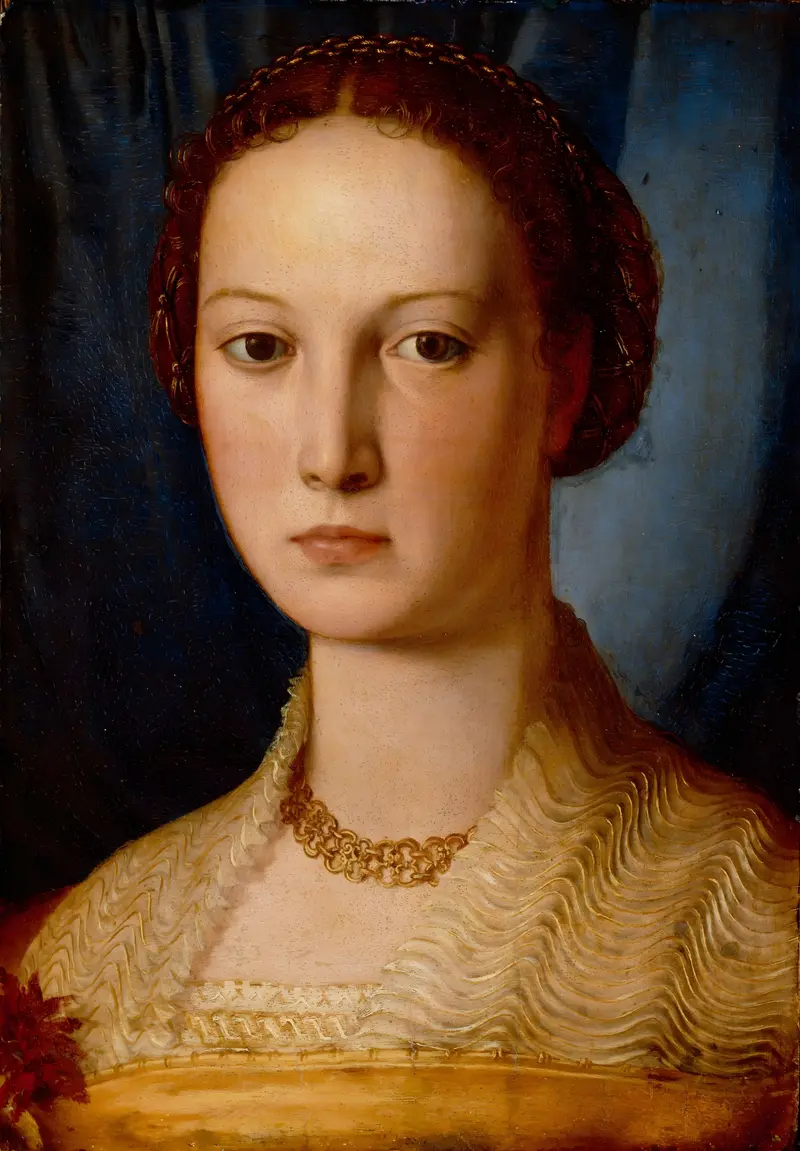
Costanza Da Sommaia
Agnolo Bronzino
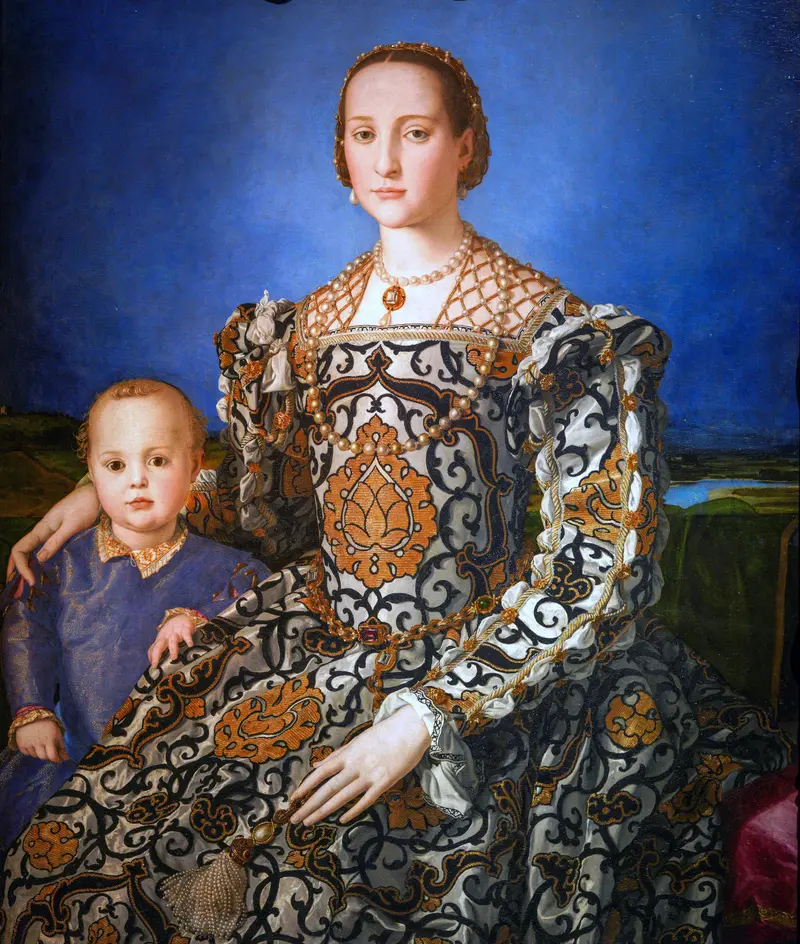
Portrait of Eleanor of Toledo with Her Son Giovanni de’ Medici
Agnolo Bronzino
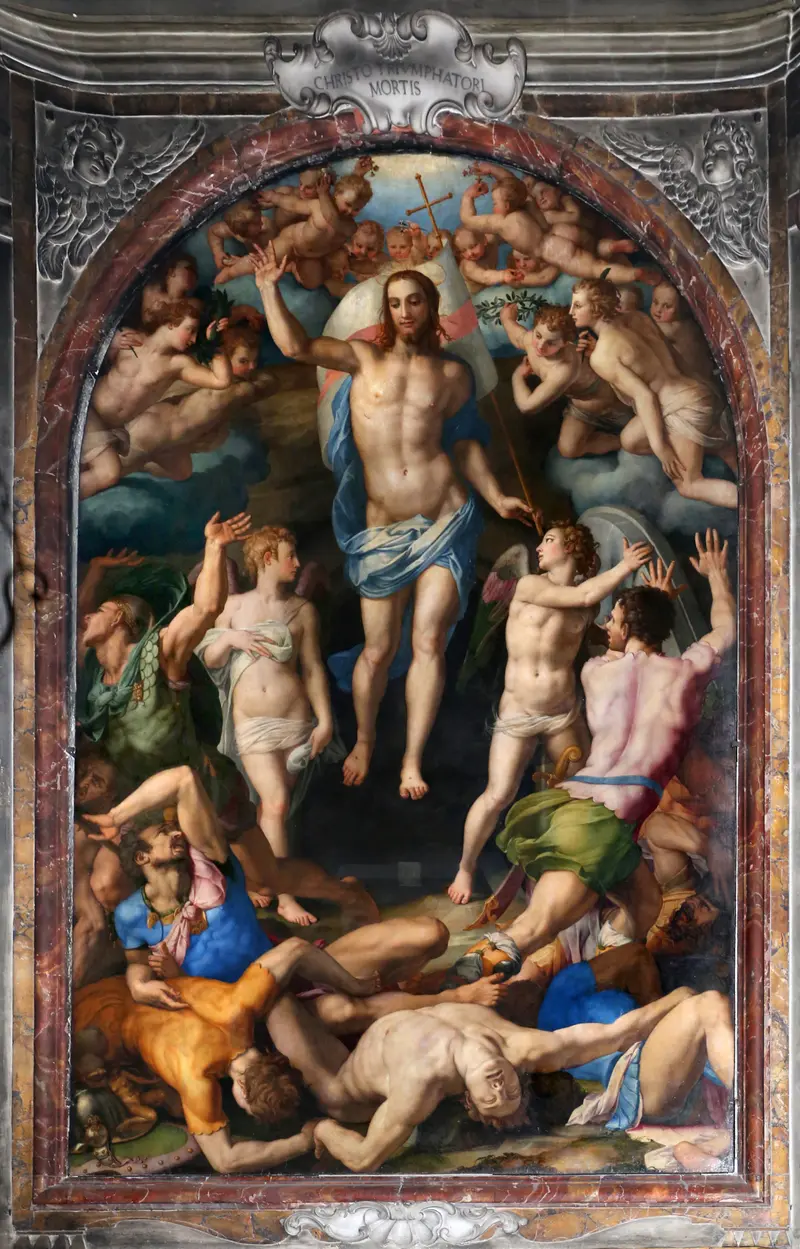
Resurrection Of Christ
Agnolo Bronzino
Saint Sebastian
Agnolo Bronzino





