
Portrait of a Man — History & Facts
In Portrait of a Man, the subject is depicted in a three-quarter view, dressed in dark, richly textured clothing. The background is a muted tone, allowing the figure to stand out prominently. The use of light and shadow creates depth, highlighting the facial features and the intricate details of the attire.
The color palette consists of deep browns, blacks, and subtle highlights, typical of the Dutch Golden Age style. The painting is executed in oil on canvas, showcasing Nicolaes Maes's skillful technique in rendering textures and details. The brushwork is precise, particularly in the depiction of the fabric and the subject's skin. The dimensions are approximately 70 x 90 cm, making it a sizable portrait that commands attention.
The composition is balanced, with the figure positioned slightly off-center, drawing the viewer's eye. Nicolaes Maes was a prominent Dutch painter during the 17th century, known for his portraits and genre scenes. This work, created in the 1660s, reflects the artist's transition from genre painting to portraiture, a shift that marked his later career. An interesting fact about this painting is that it exemplifies the meticulous attention to detail that Maes was renowned for, particularly in capturing the personality of his subjects.
Today, it is housed in the Mauritshuis, a museum celebrated for its collection of Dutch Golden Age art.
More Artworks by Nicolaes Maes

Portrait of George Bredehoff de Vicq as Ganymede
Nicolaes Maes
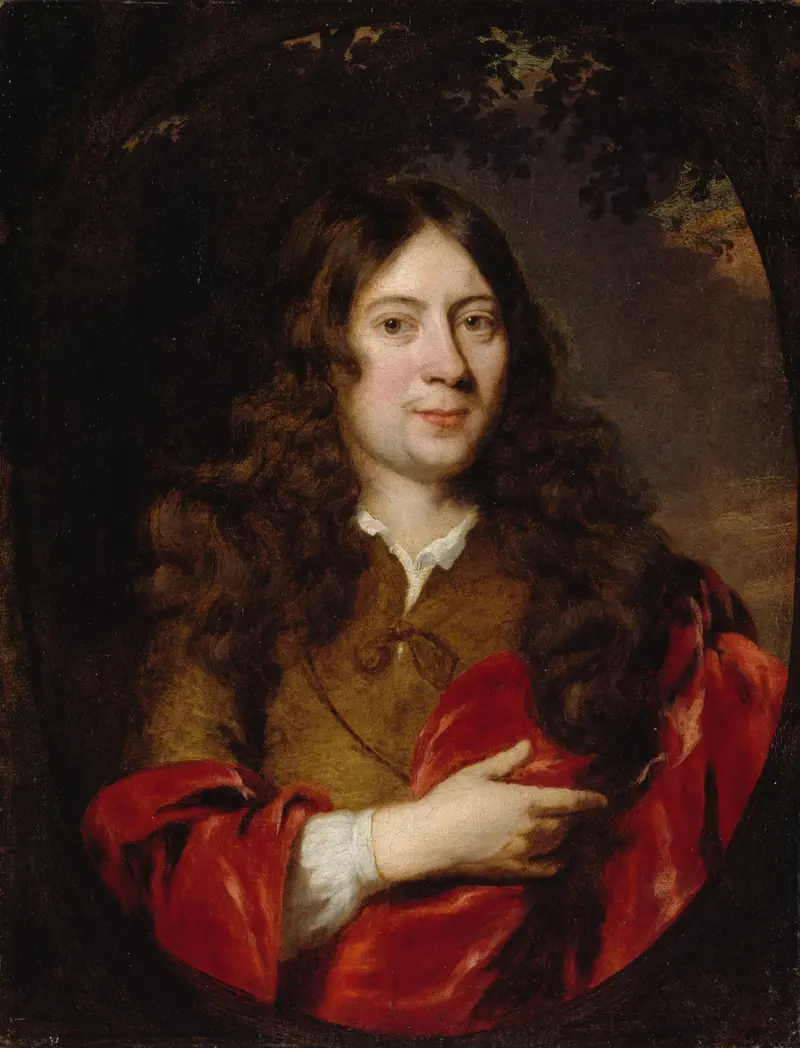
Portrait of a Man
Nicolaes Maes
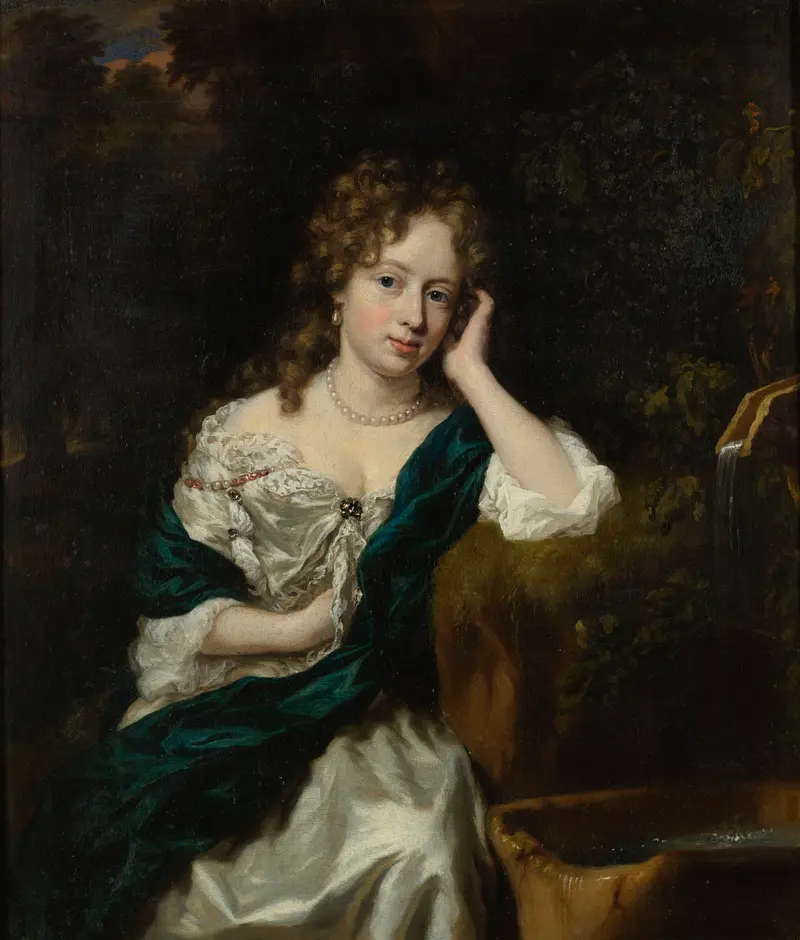
Portrait of a Lady Seated By a Fountain
Nicolaes Maes
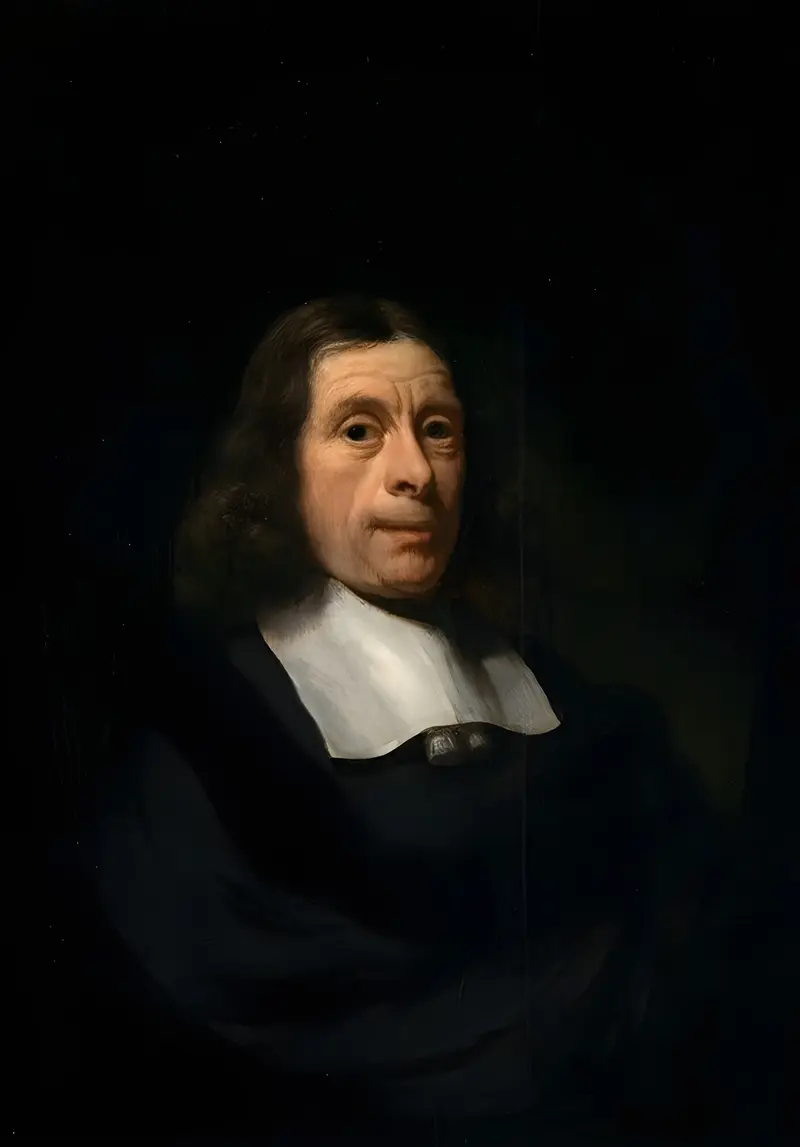
Portrait of a Man
Nicolaes Maes
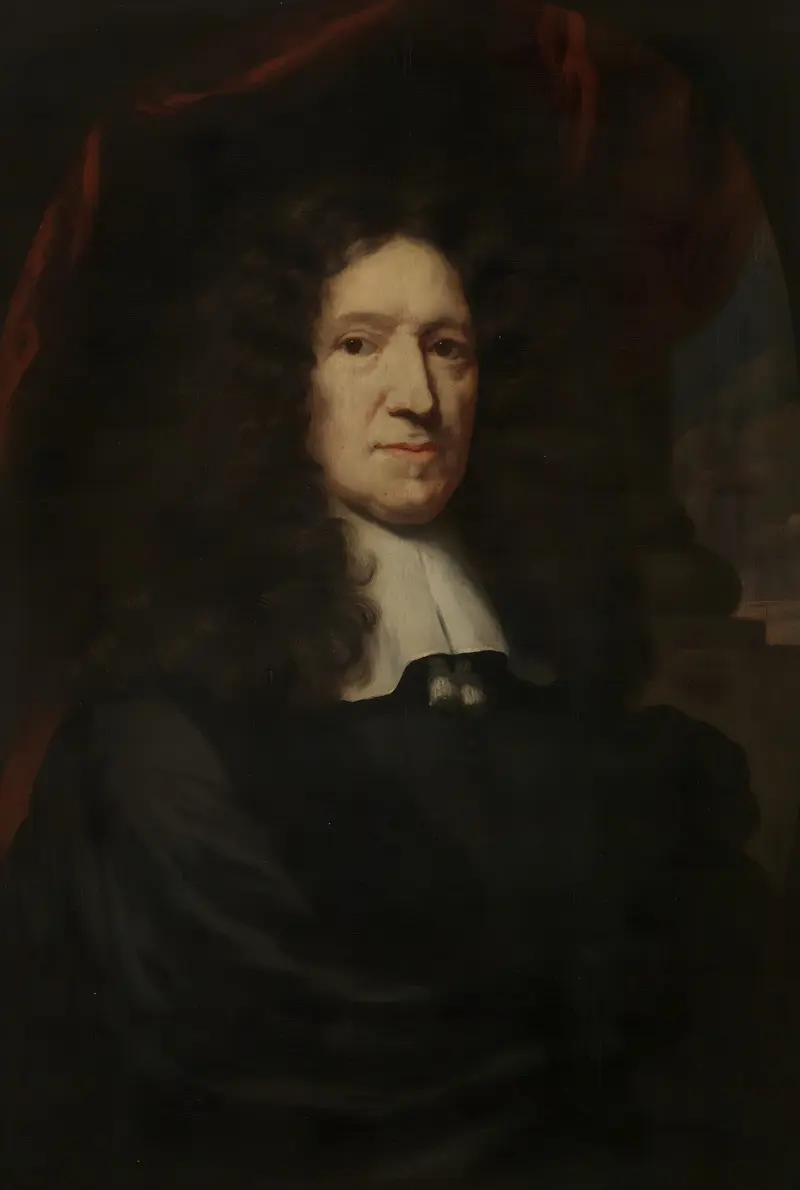
Portrait of a Man
Nicolaes Maes
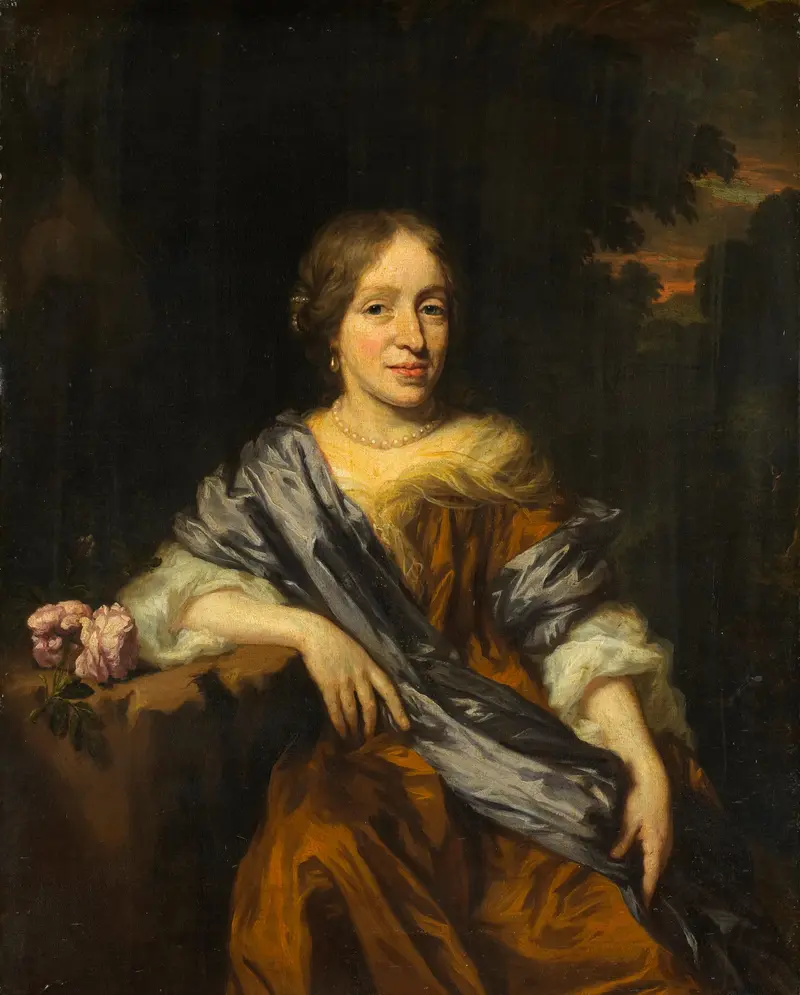
Portrait of Catharina Pottey, Sister of Willem and Sara Pottey
Nicolaes Maes
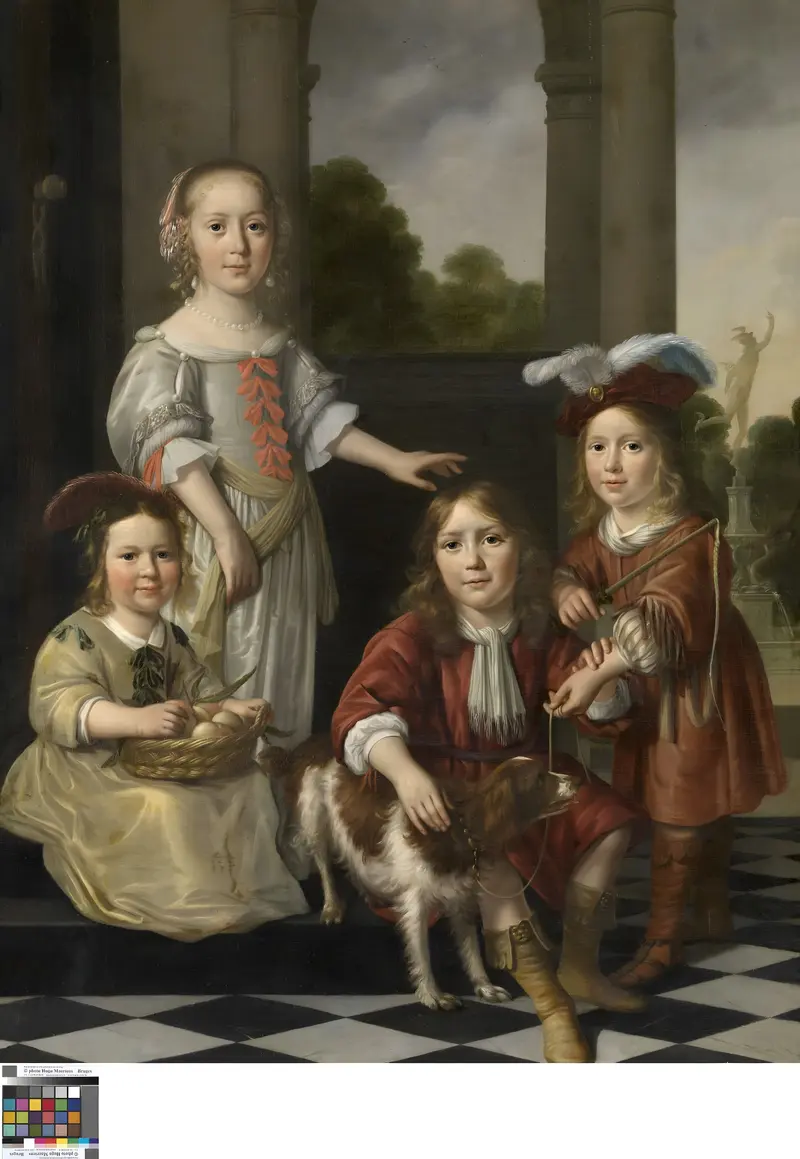
Portrait of four Children
Nicolaes Maes
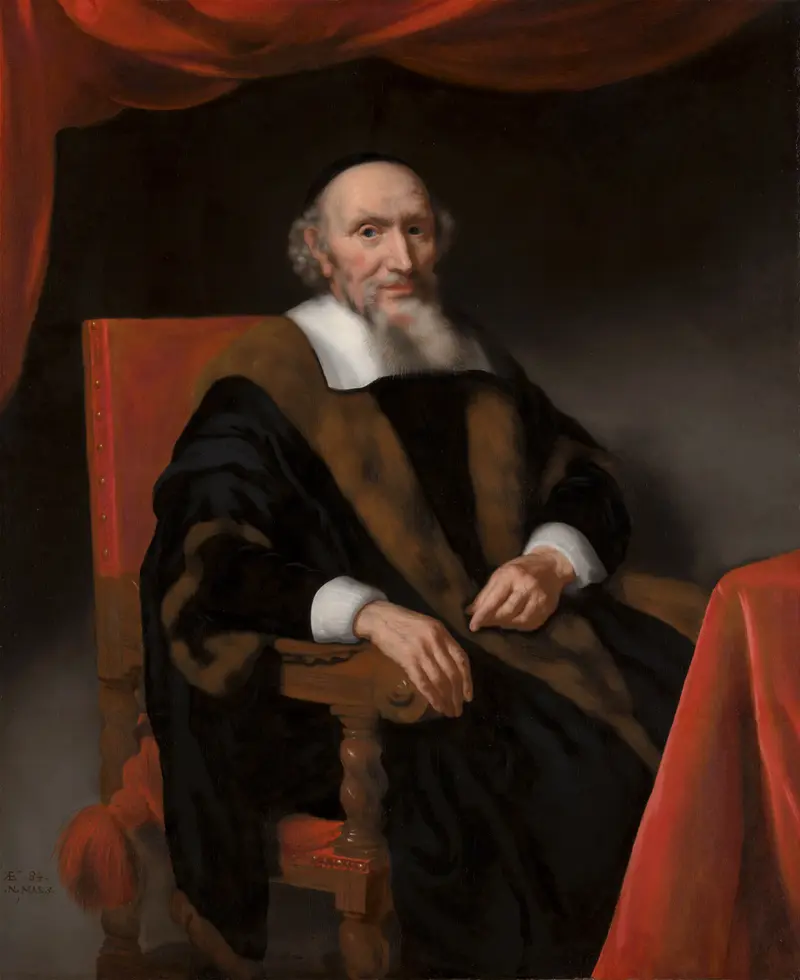
Portrait of Jacob Trip
Nicolaes Maes
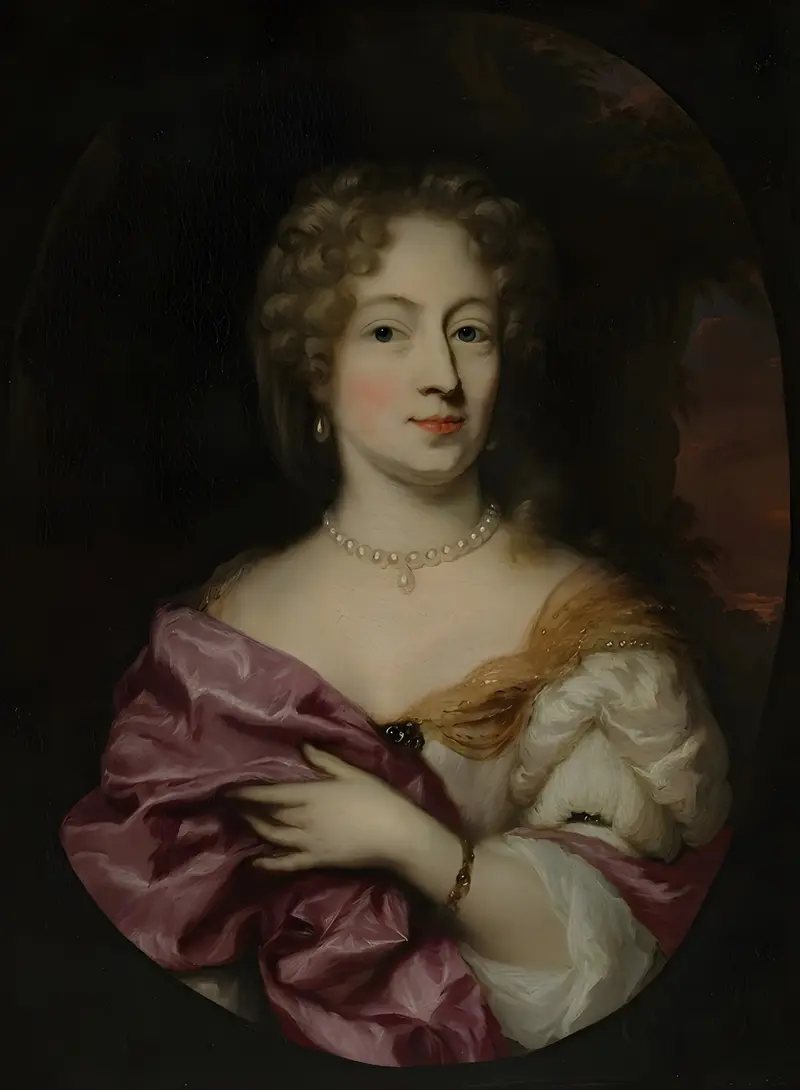
Ingena Rotterdam (died 1704), Betrothed of Admiral Jacob Binkes
Nicolaes Maes
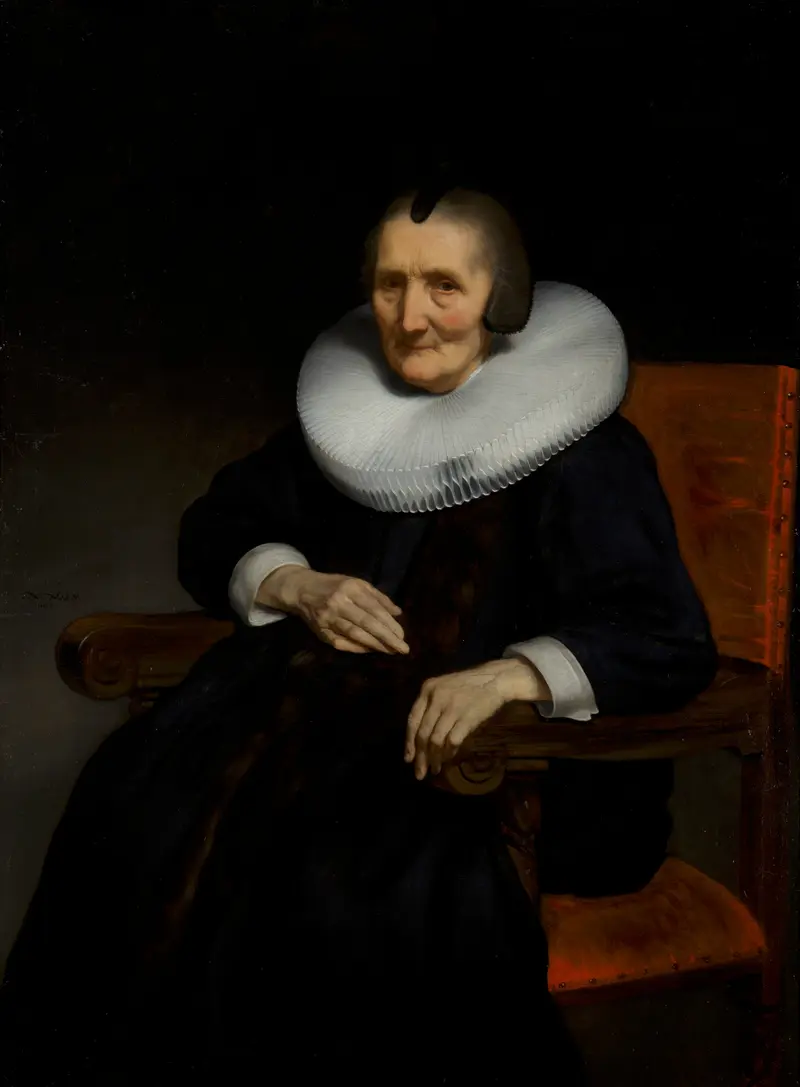
Portrait of Margaretha de Geer (1583-1672)
Nicolaes Maes





