
Portrait of a young Man in black with a book — History & Facts
The gaze of the young man in Portrait of a young Man in black with a book by Agnolo Bronzino meets us with a quiet, unwavering confidence, as if we have interrupted him mid-thought. His hand, poised with a quill above the open pages, suggests a moment of intellectual labor—caught between inspiration and inscription. The deep black of his garments absorbs the surrounding light, throwing his luminous face and hands into sharp relief, while the subtle green of the table edge hints at a world beyond the darkness.
Every detail, from the crisp folds of his sleeve to the slight gold ring on his finger, is rendered with a precision that invites the viewer to linger and search for clues to his identity and purpose. Painted between 1525 and 1527, this portrait belongs to a period in Florence when the city’s elite commissioned likenesses not just to record appearances, but to declare learning, status, and self-possession. The book and pen are not mere props—they are declarations of the sitter’s place in a culture that prized humanist scholarship and eloquence. Bronzino, working in the early years of his career, channels the clarity and restraint of the High Renaissance, yet the psychological intensity of the sitter’s gaze already hints at the more mannered, enigmatic portraits he would later create.
History has kept few traces of this young man’s story, but the painting’s quiet drama invites us to imagine the ambitions and anxieties of an age when a portrait could be a manifesto in oil.
More Artworks by Agnolo Bronzino

Eleonora Of Toledo
Agnolo Bronzino
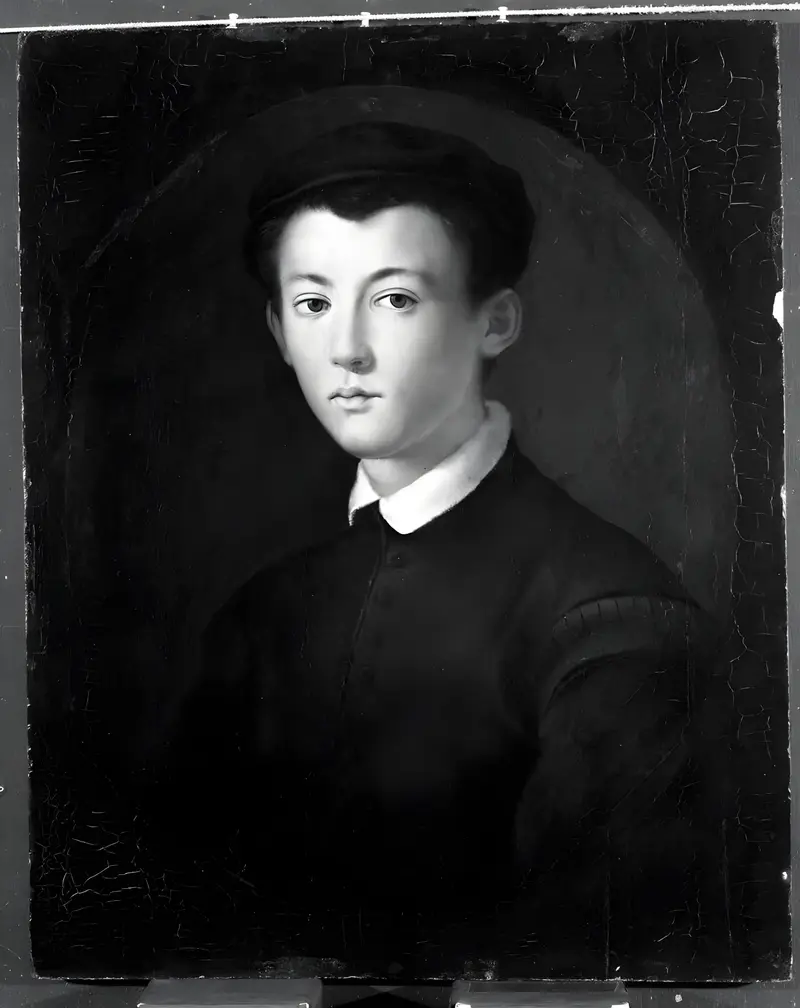
Portrait of a Young Man
Agnolo Bronzino
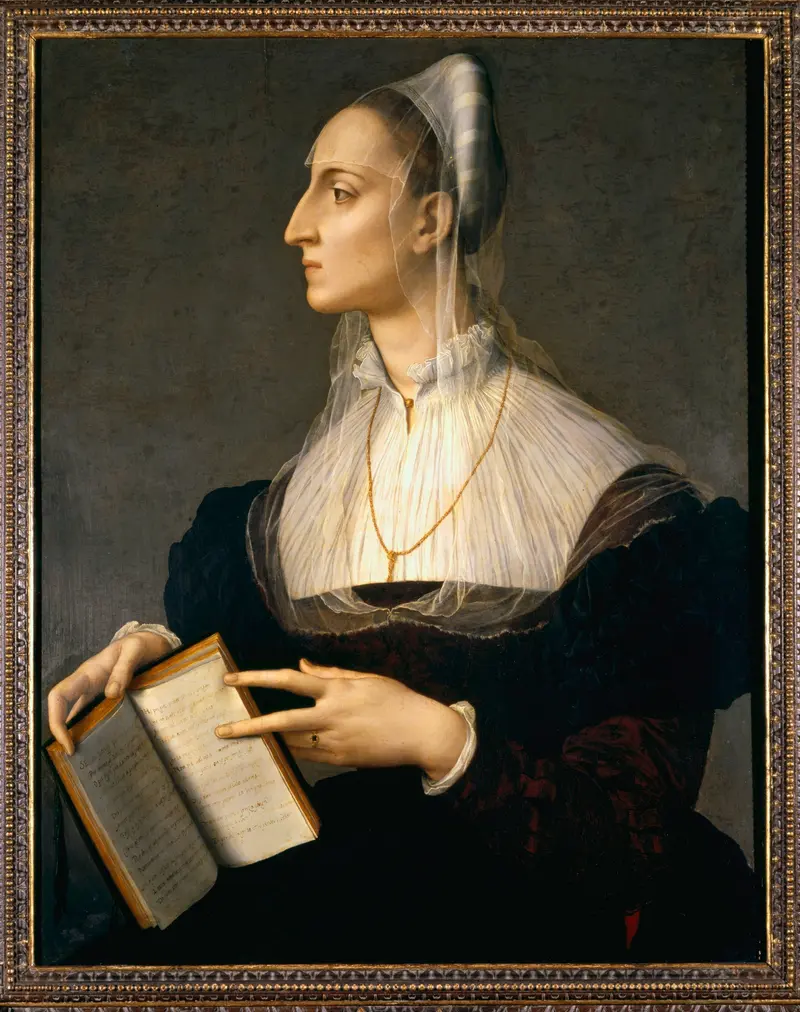
Portrait Of Laura Battiferri
Agnolo Bronzino

Venus, Cupid And Satyr
Agnolo Bronzino
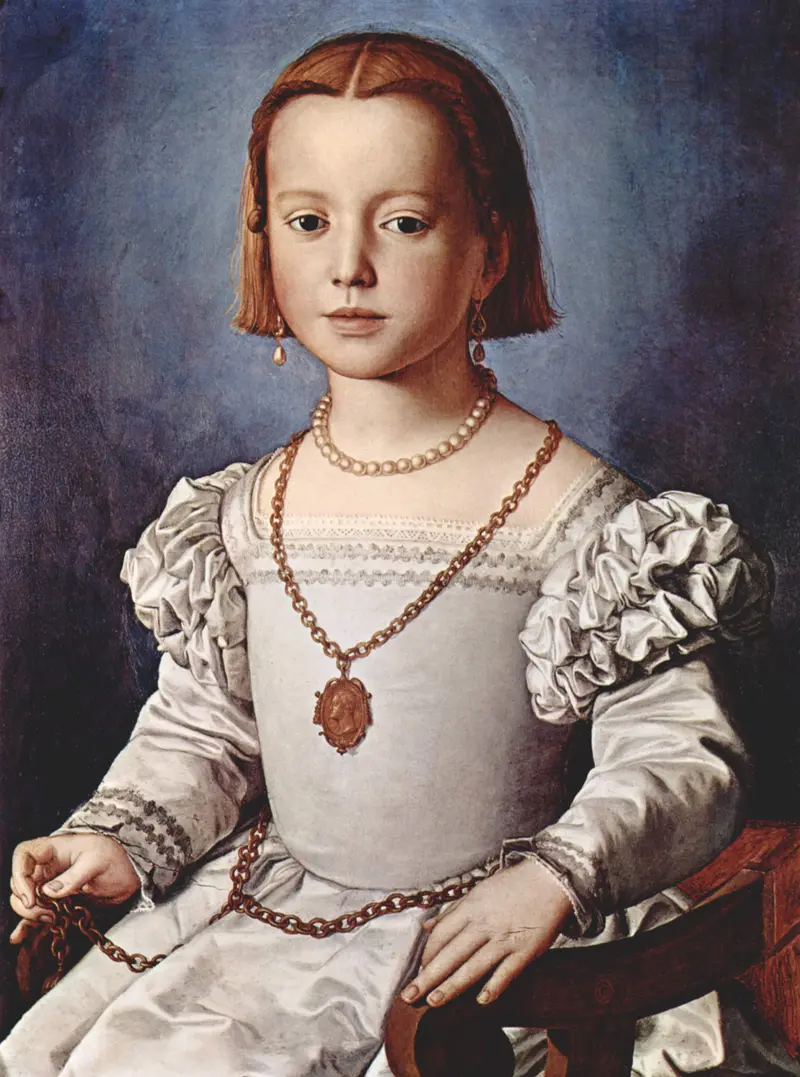
Bia Di Cosimo De‘ Medici
Agnolo Bronzino
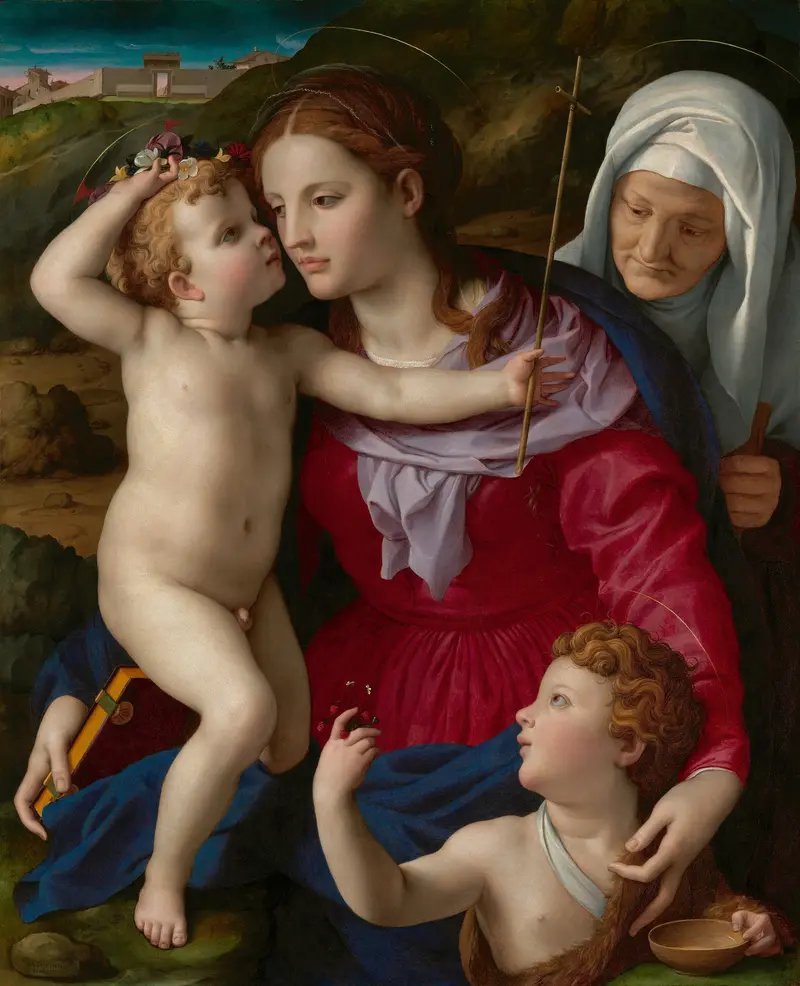
Virgin and Child with Saint Elizabeth and Saint John the Baptist
Agnolo Bronzino
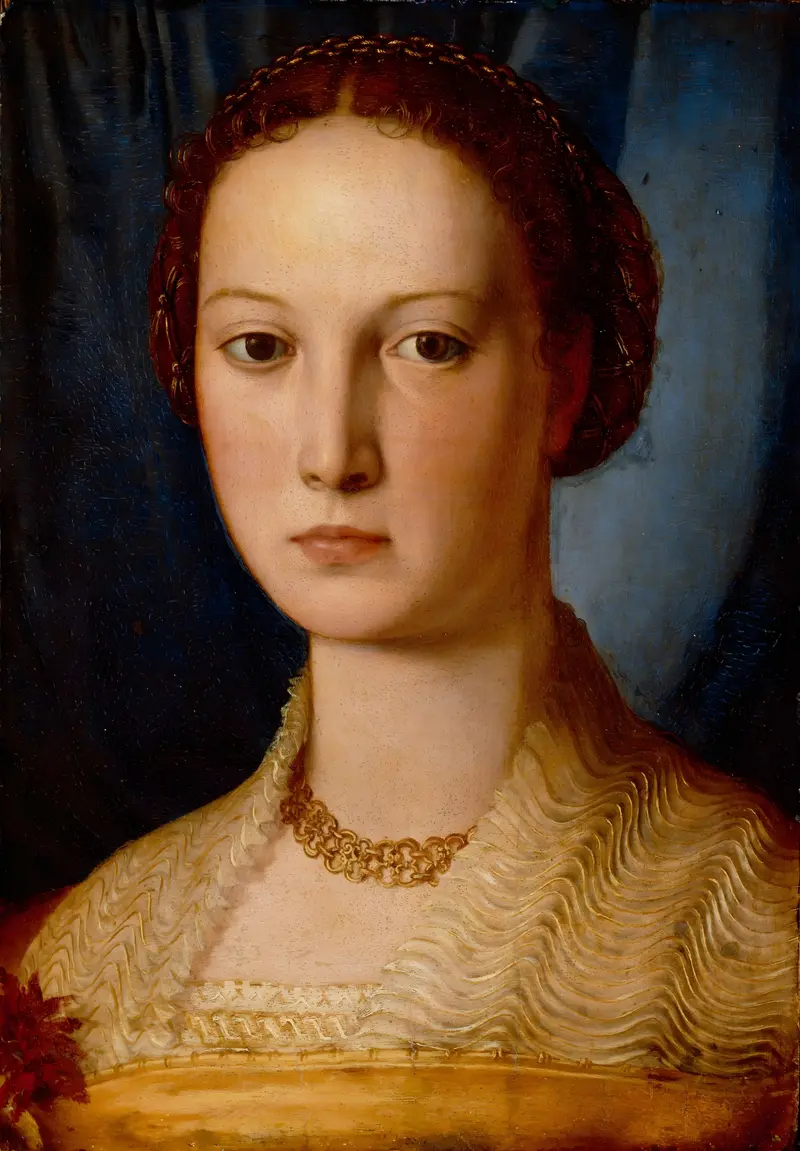
Costanza Da Sommaia
Agnolo Bronzino
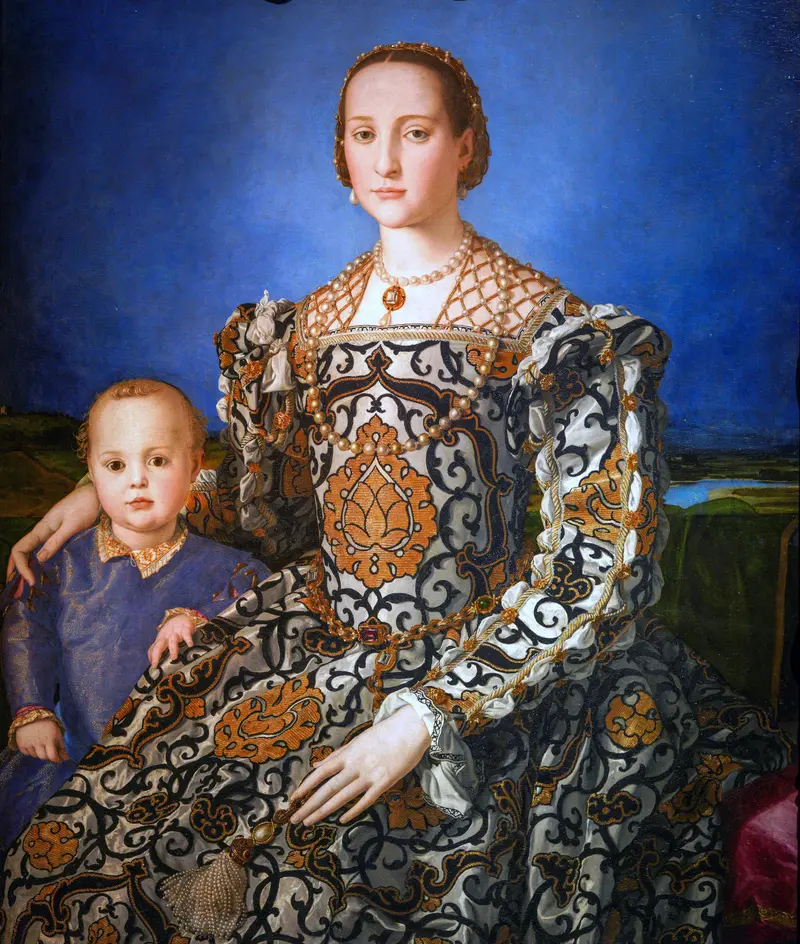
Portrait of Eleanor of Toledo with Her Son Giovanni de’ Medici
Agnolo Bronzino
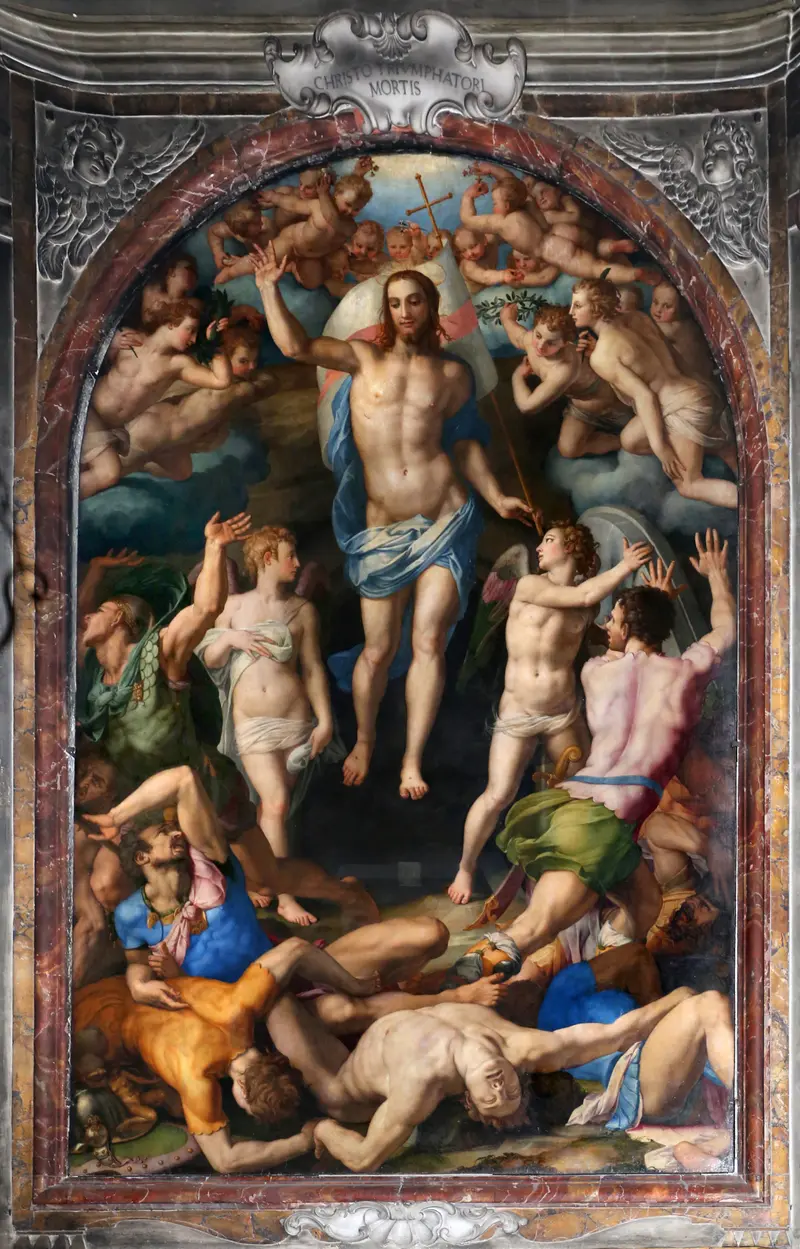
Resurrection Of Christ
Agnolo Bronzino
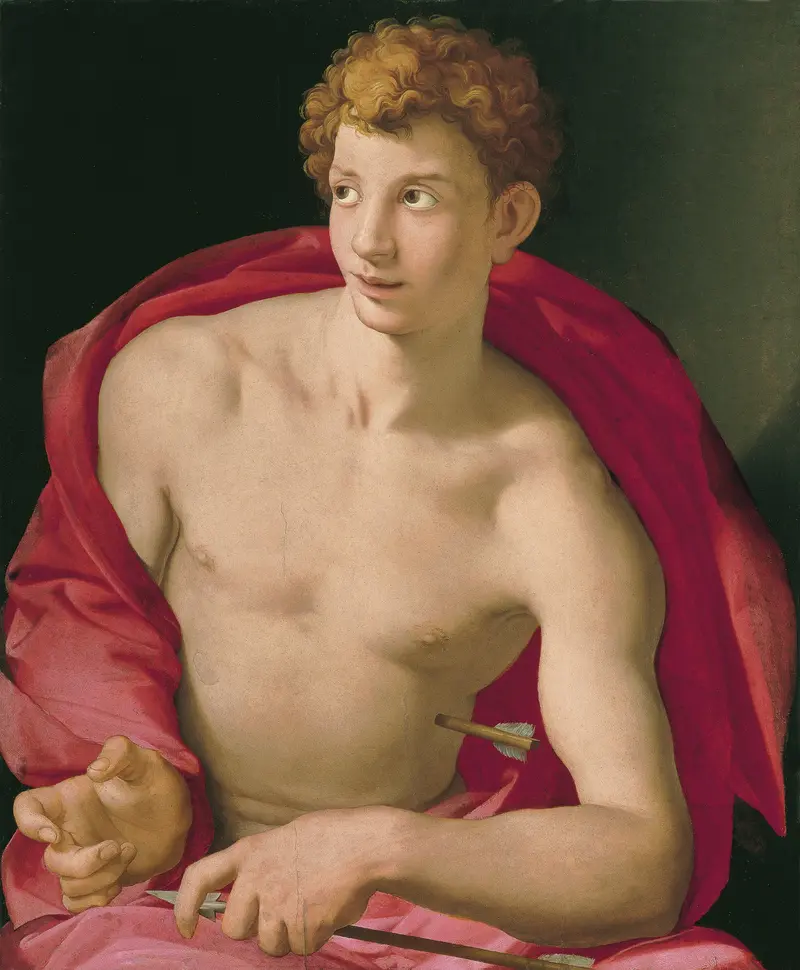
Saint Sebastian
Agnolo Bronzino





