
Portrait of a Young Man with a Book — History & Facts
What first catches the eye in Portrait of a Young Man with a Book is the poised self-assurance of its sitter, whose steady gaze meets the viewer with a calm that borders on challenge. The young man’s hand rests on a closed volume, its spine turned outward—a silent declaration of learning and taste. Every fold of his dark, elaborate garment is rendered with a precision that draws attention to his status and the careful construction of his identity.
The cool, architectural background frames him in a world of order and intellect, while the lion-headed scroll beneath his hand hints at strength and ambition. Light glances across his face and hands, setting them apart from the shadowed depths of his clothing, and leads us to wonder what thoughts or ambitions lie behind that composed exterior. Painted in the 1530s by Agnolo Bronzino, this work belongs to the world of Renaissance Florence, where portraiture became a stage for both personal display and social aspiration. In this era, portraits of young men with books were more than likenesses—they were declarations of participation in the new humanist culture, where education and refinement mattered as much as noble birth.
Such works were often commissioned by families eager to present their sons as cultivated citizens, ready for careers in diplomacy, law, or letters. Now in the Metropolitan Museum of Art, this painting stands as a testament to the ambitions and anxieties of a society in which art, intellect, and self-fashioning were tightly intertwined—inviting us to search the sitter’s face for the dreams and doubts of a vanished age.
More Artworks by Agnolo Bronzino

Eleonora Of Toledo
Agnolo Bronzino
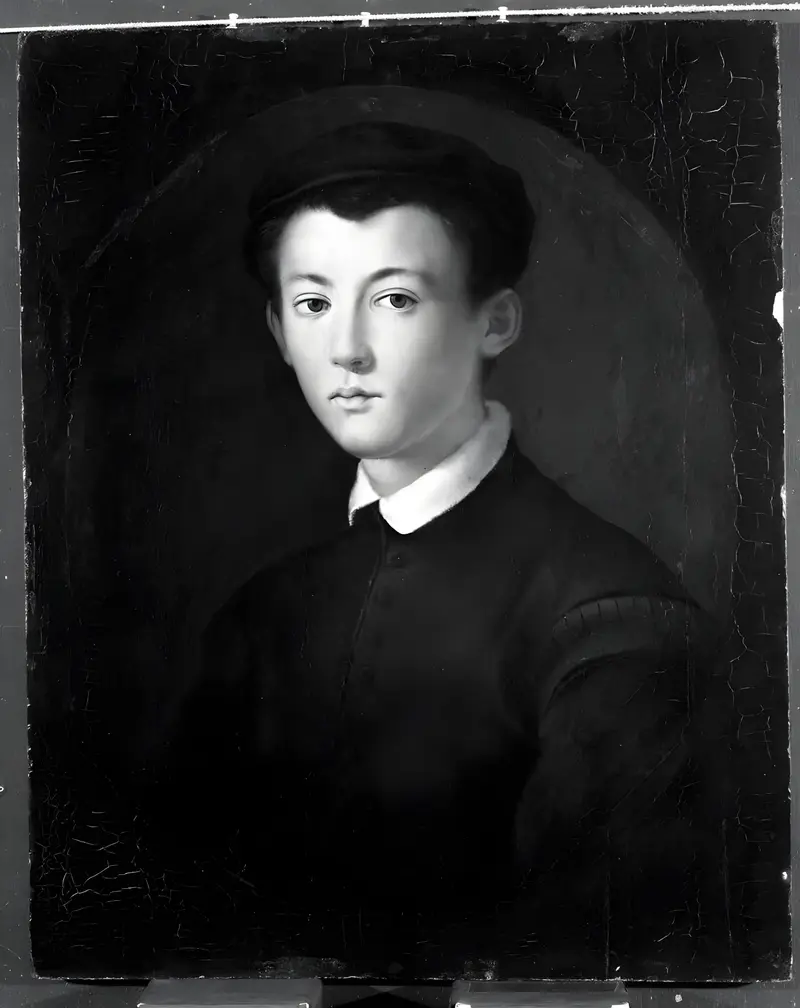
Portrait of a Young Man
Agnolo Bronzino
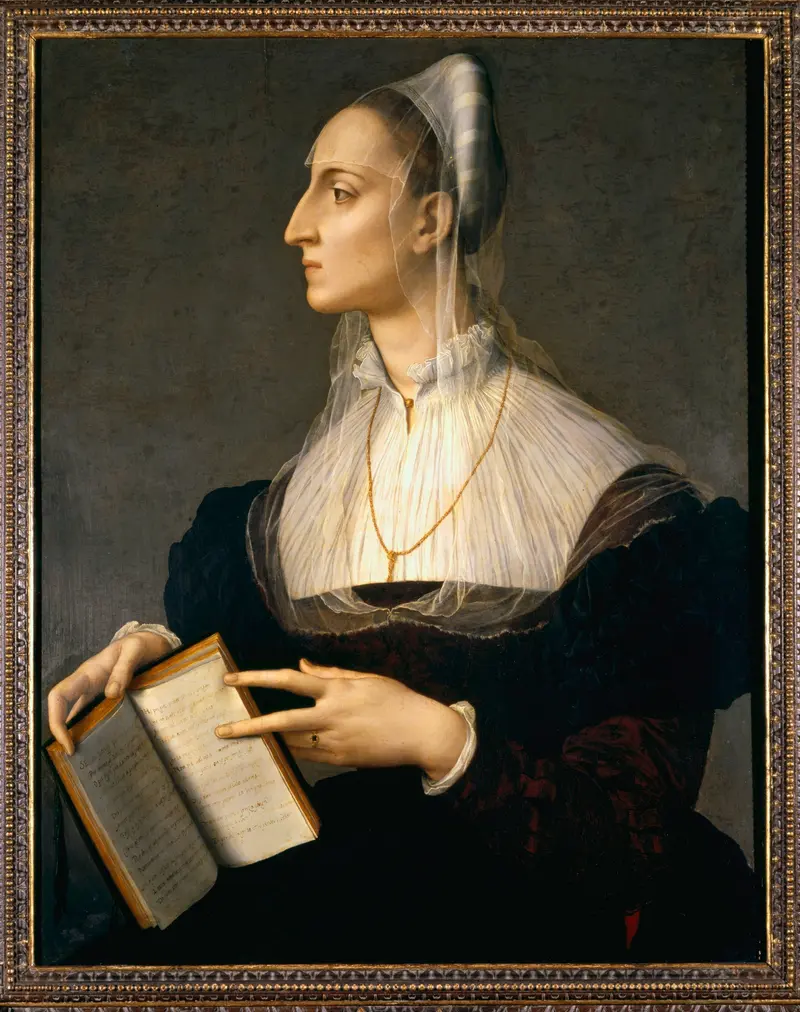
Portrait Of Laura Battiferri
Agnolo Bronzino
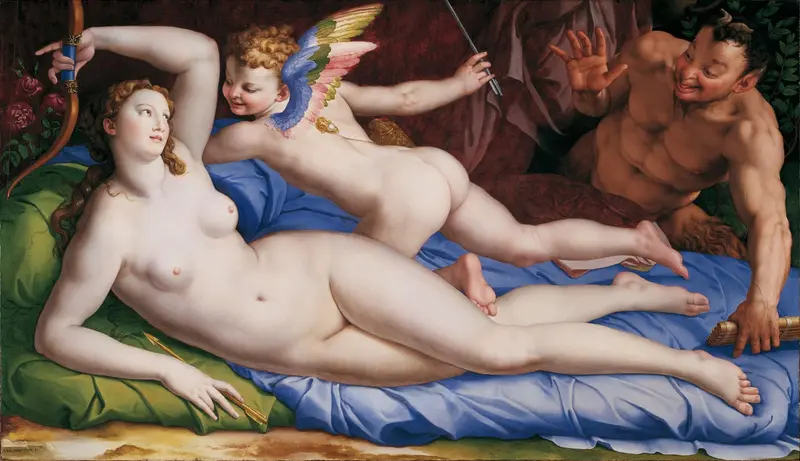
Venus, Cupid And Satyr
Agnolo Bronzino
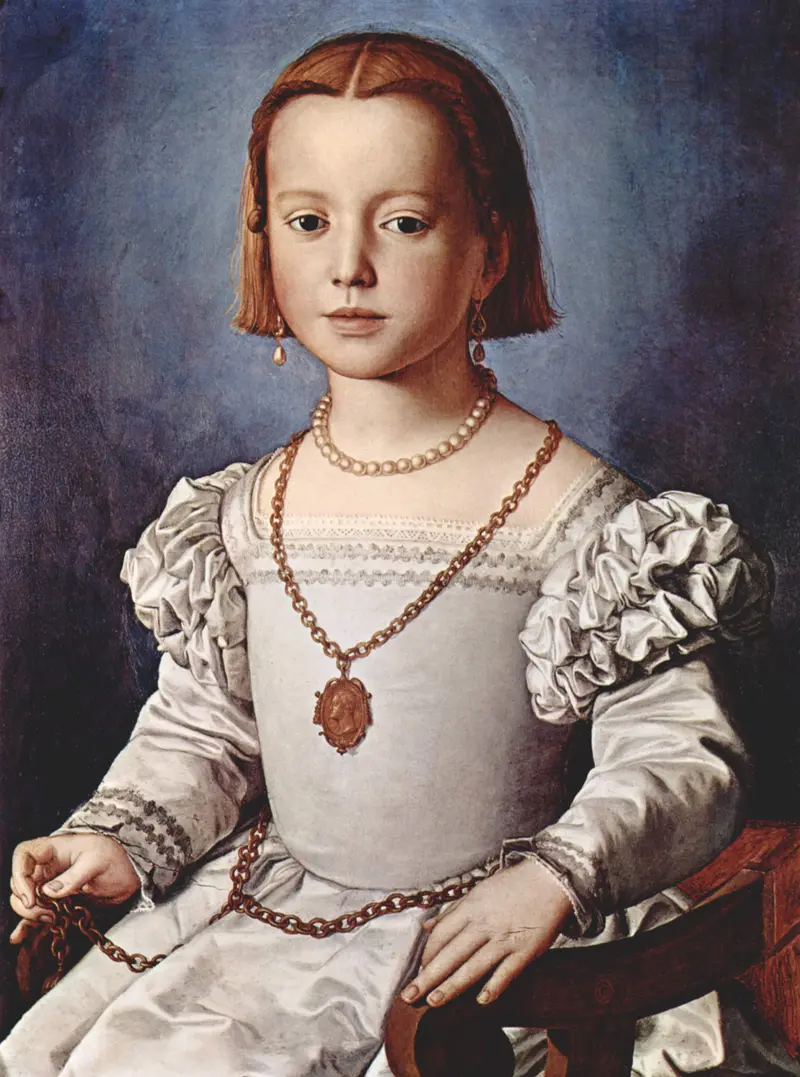
Bia Di Cosimo De‘ Medici
Agnolo Bronzino
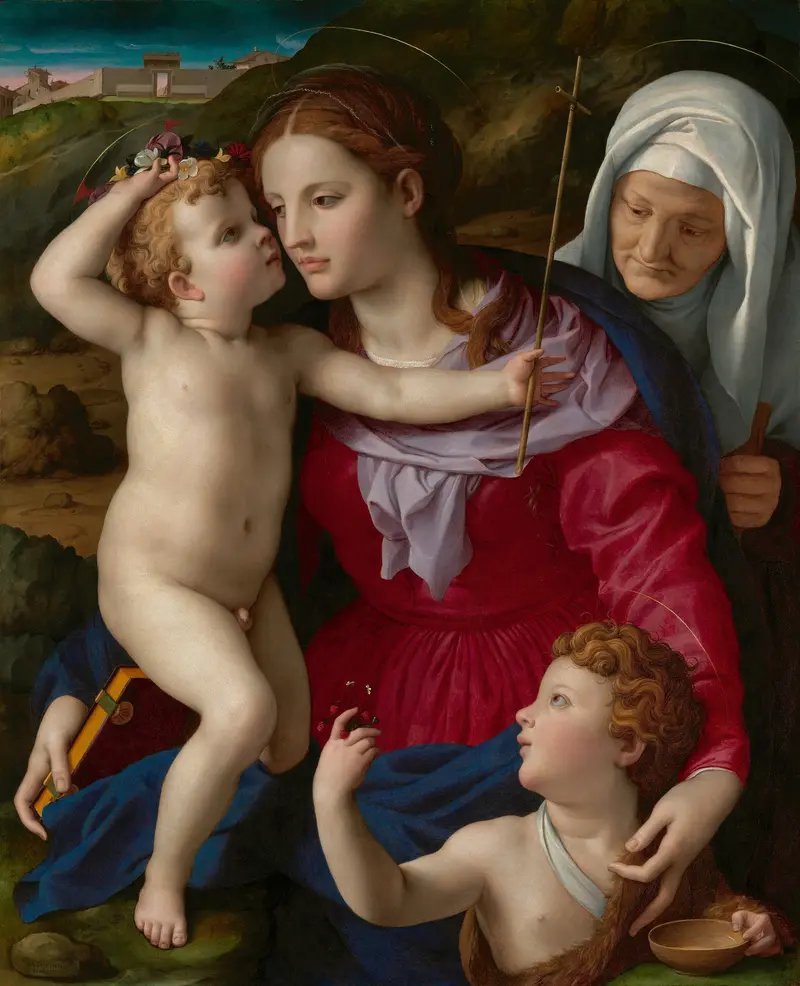
Virgin and Child with Saint Elizabeth and Saint John the Baptist
Agnolo Bronzino
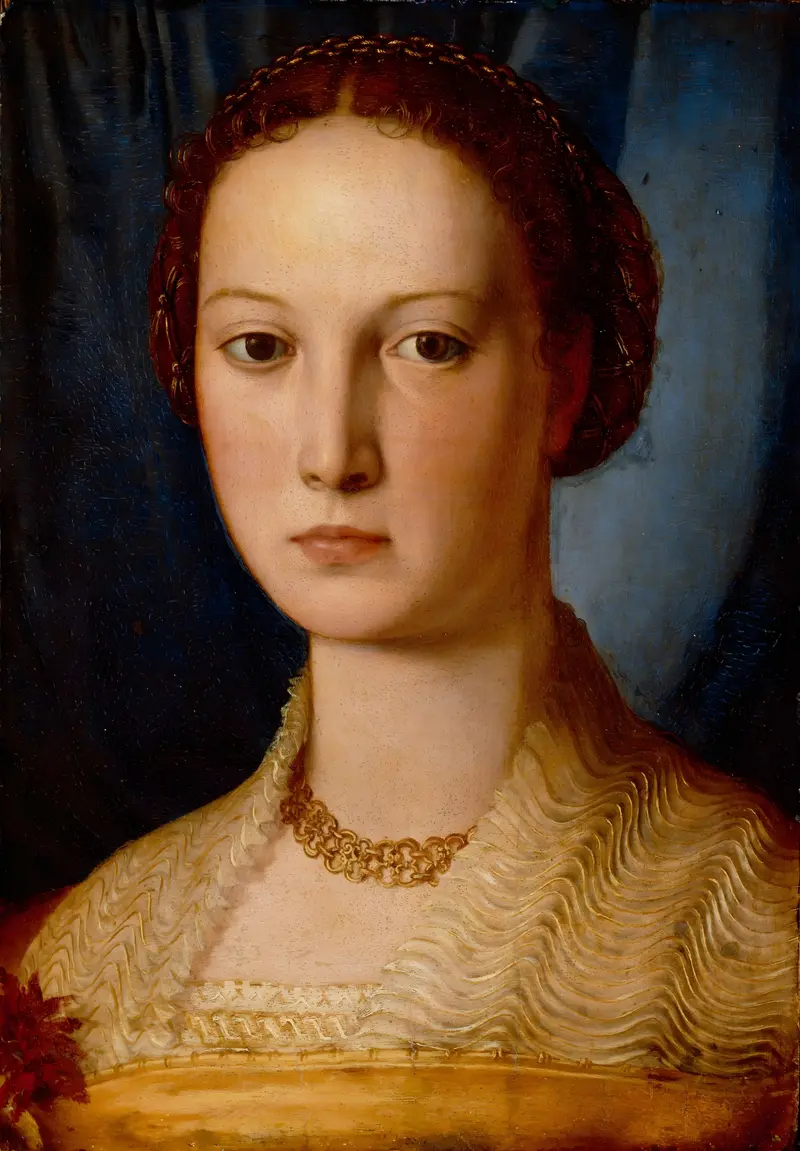
Costanza Da Sommaia
Agnolo Bronzino
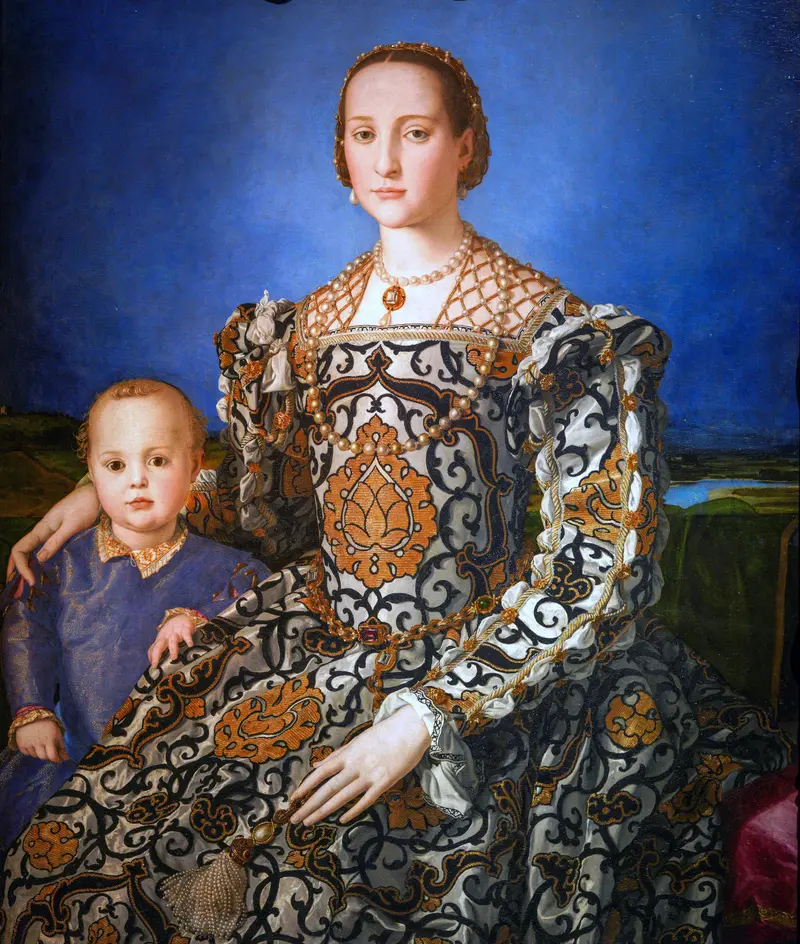
Portrait of Eleanor of Toledo with Her Son Giovanni de’ Medici
Agnolo Bronzino
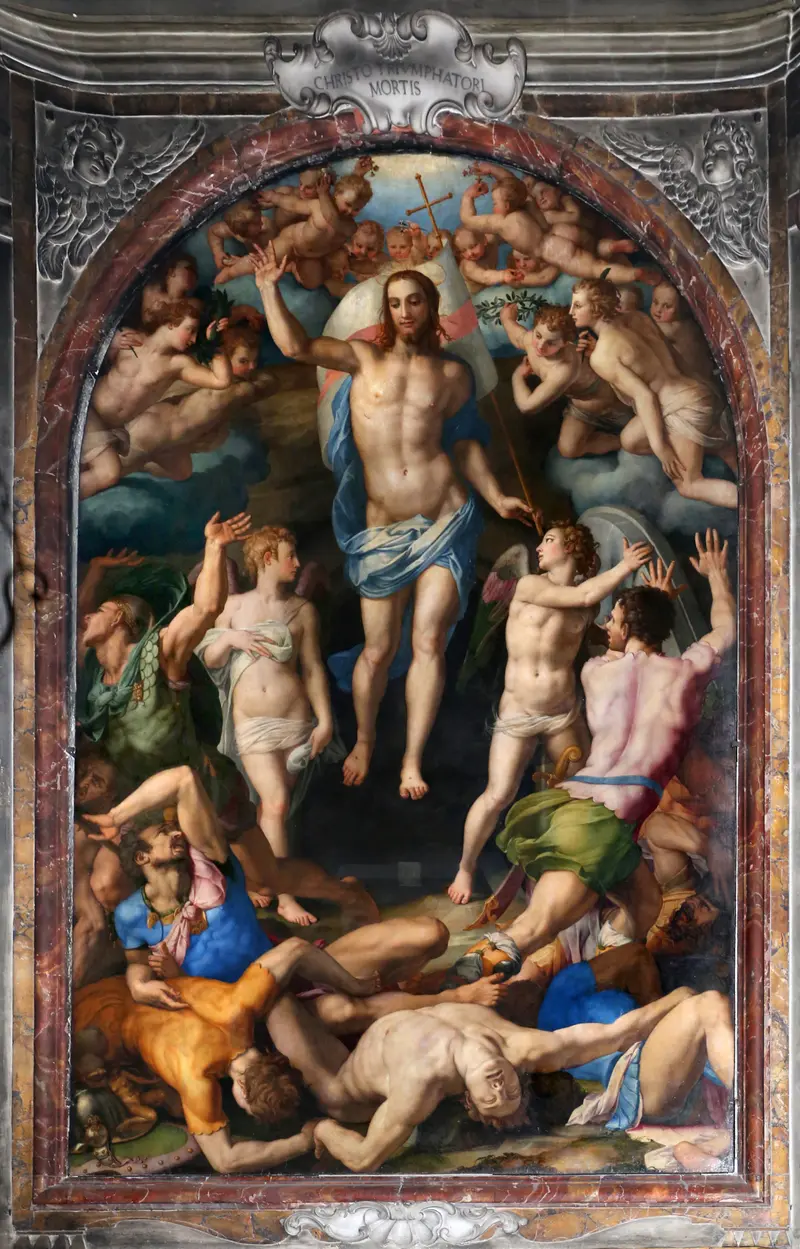
Resurrection Of Christ
Agnolo Bronzino
Saint Sebastian
Agnolo Bronzino





