
Portrait of a young man with a lute — History & Facts
What first grips the eye in Portrait of a young man with a lute is not the instrument, but the intensity of the sitter’s gaze—alert, sidelong, as if he has just been caught mid-thought. The young man’s hands, one delicately clutching the neck of the lute, the other draped with studied ease, speak of both discipline and confidence. The deep, sober black of his clothing frames his face and hands like a stage, drawing all attention to his expression and gesture.
Behind him, a small sculpted figure—caught in a twist of motion—adds a layer of private symbolism, suggesting that this is a world of art, intellect, and perhaps rivalry. Painted between 1530 and 1532, this work stands firmly within the world of the Florentine Renaissance, when portraits were more than likenesses—they were declarations of status, talent, and ambition. In this era, young men of learning and means commissioned such images to signal their place in a society that prized wit and accomplishment. The presence of the lute, an emblem of cultivated leisure, and the classical statuette, a nod to antiquity, root the sitter in the ideals of his time.
Though history has kept few traces of this particular painting’s journey, its inclusion in The Yorck Project’s collection ensures that the silent conversation between artist and sitter continues, inviting us to wonder what music or ideas might have filled the room just before the moment was captured.
More Artworks by Agnolo Bronzino

Eleonora Of Toledo
Agnolo Bronzino
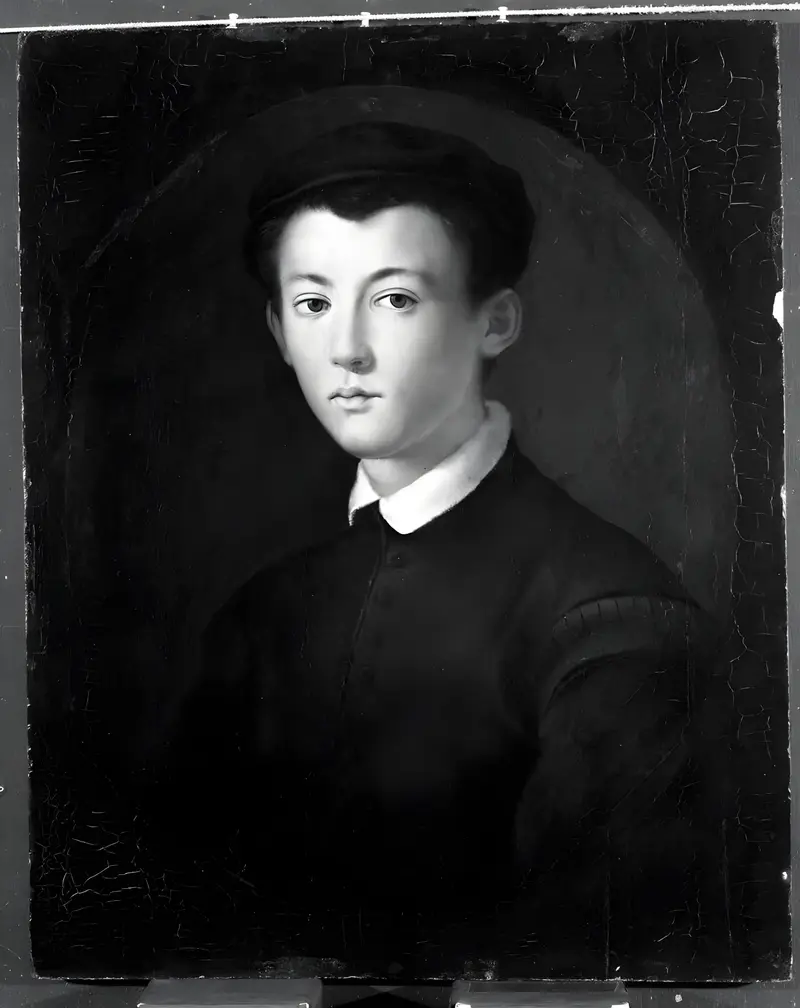
Portrait of a Young Man
Agnolo Bronzino
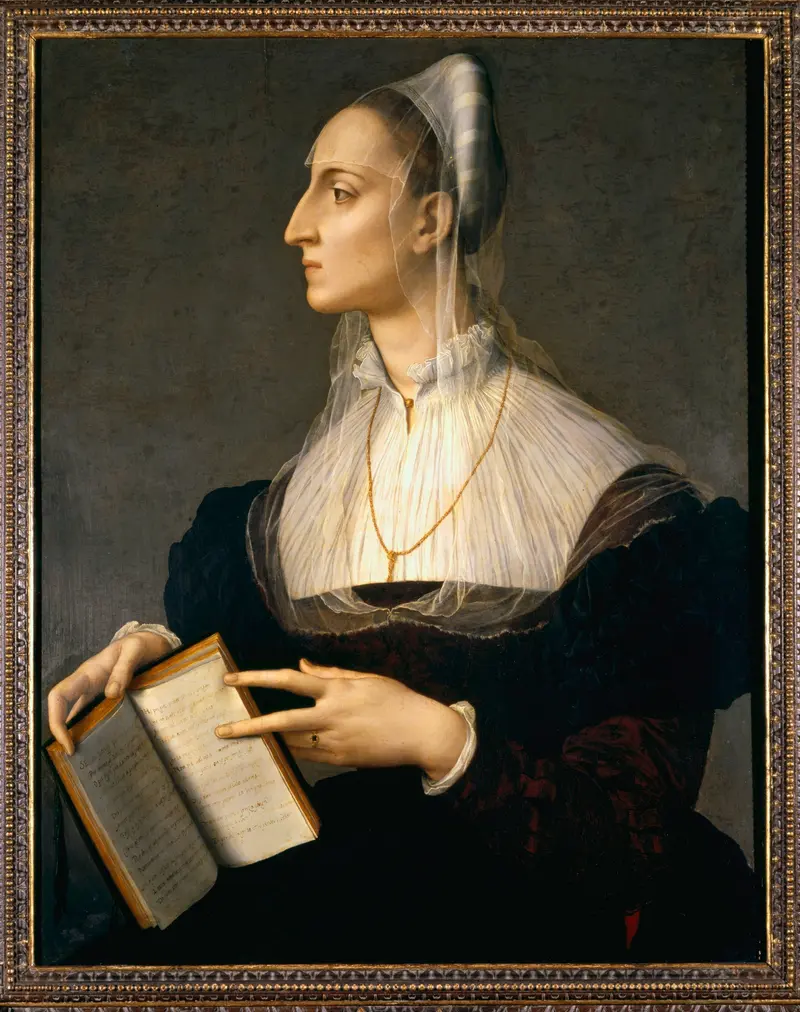
Portrait Of Laura Battiferri
Agnolo Bronzino
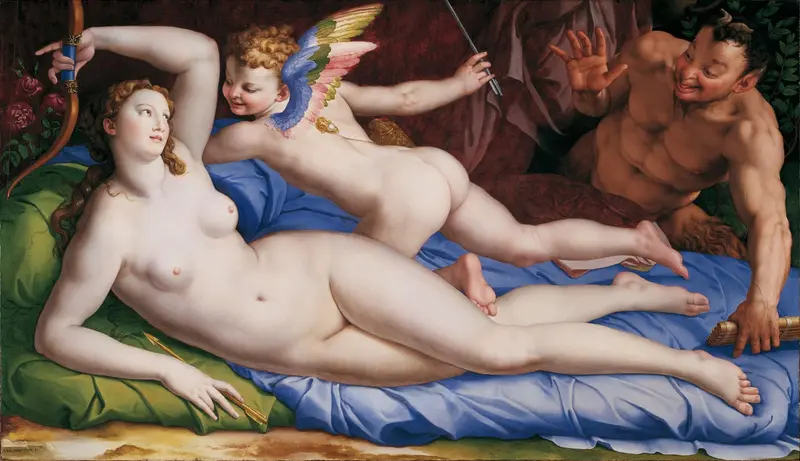
Venus, Cupid And Satyr
Agnolo Bronzino
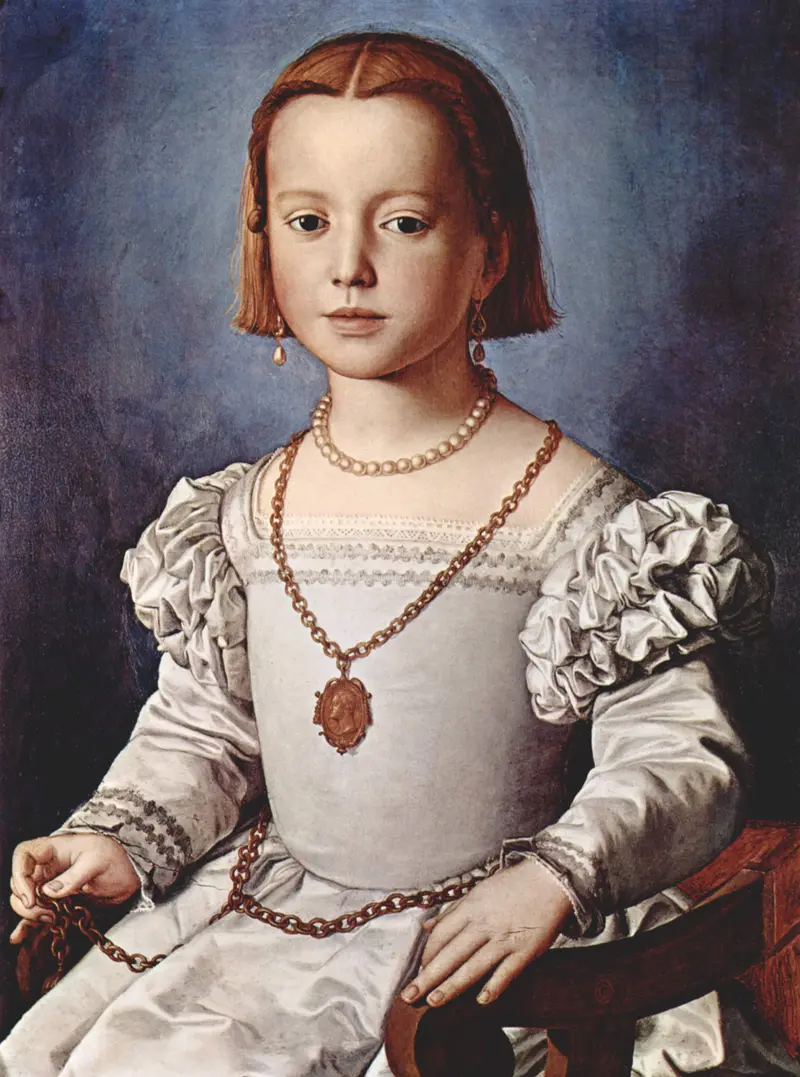
Bia Di Cosimo De‘ Medici
Agnolo Bronzino
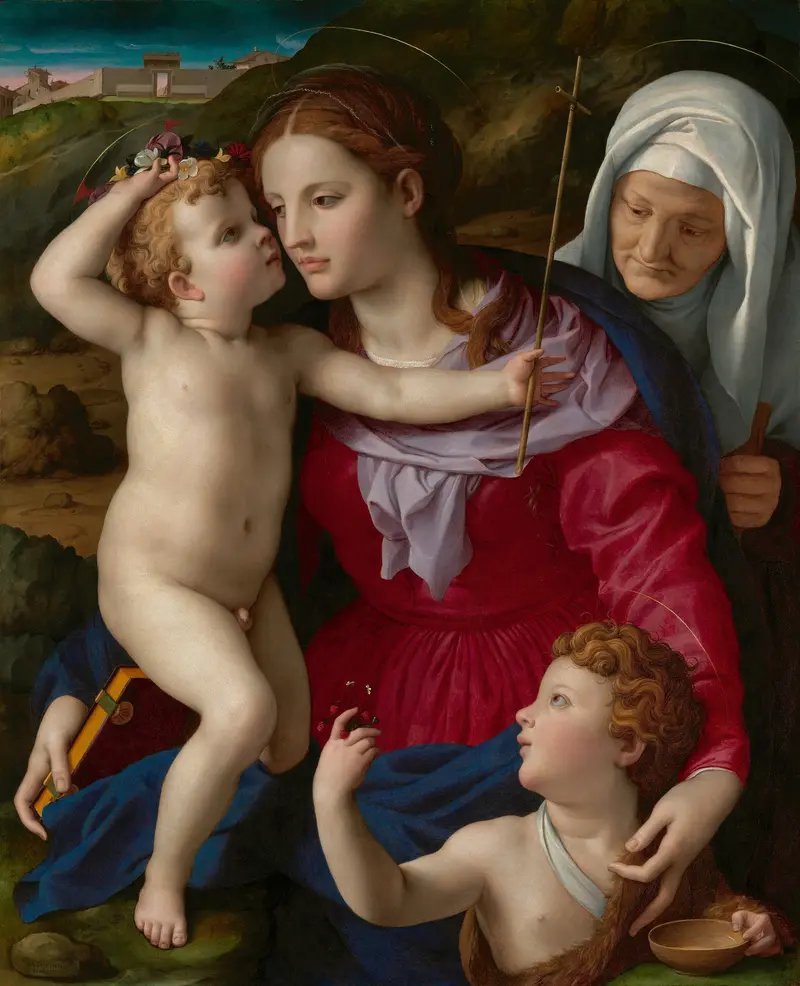
Virgin and Child with Saint Elizabeth and Saint John the Baptist
Agnolo Bronzino
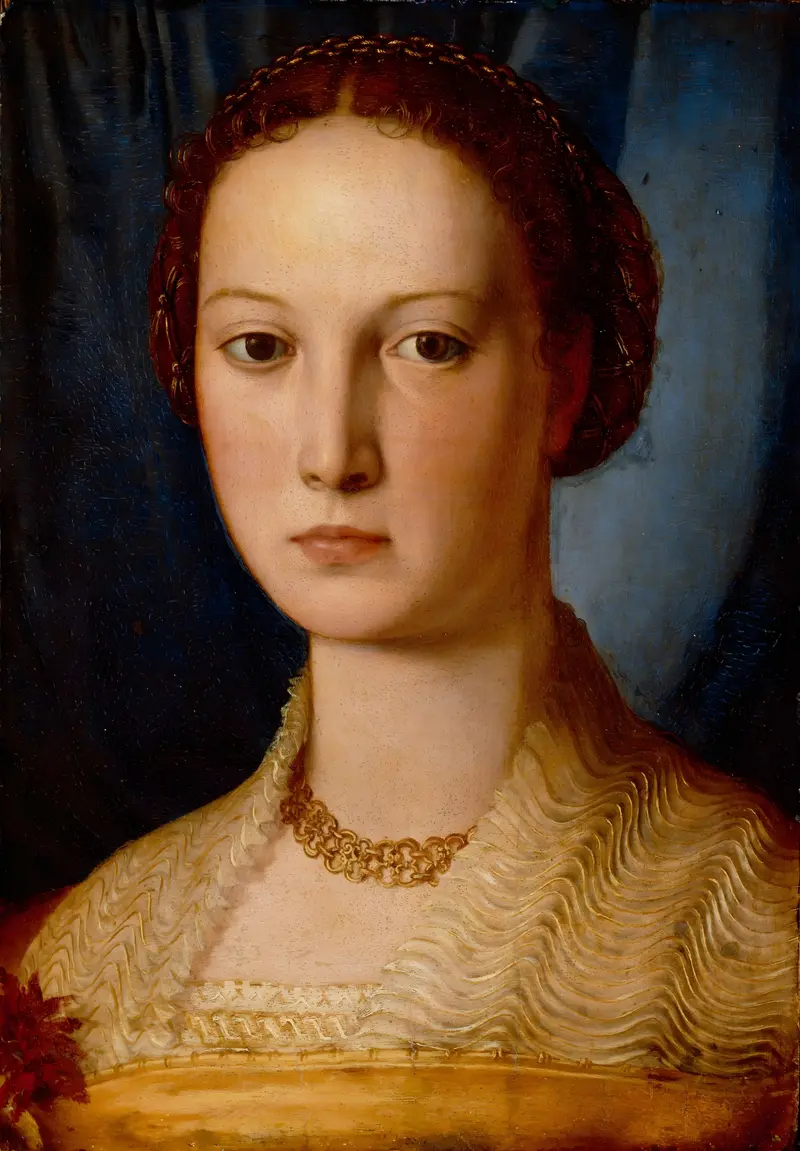
Costanza Da Sommaia
Agnolo Bronzino
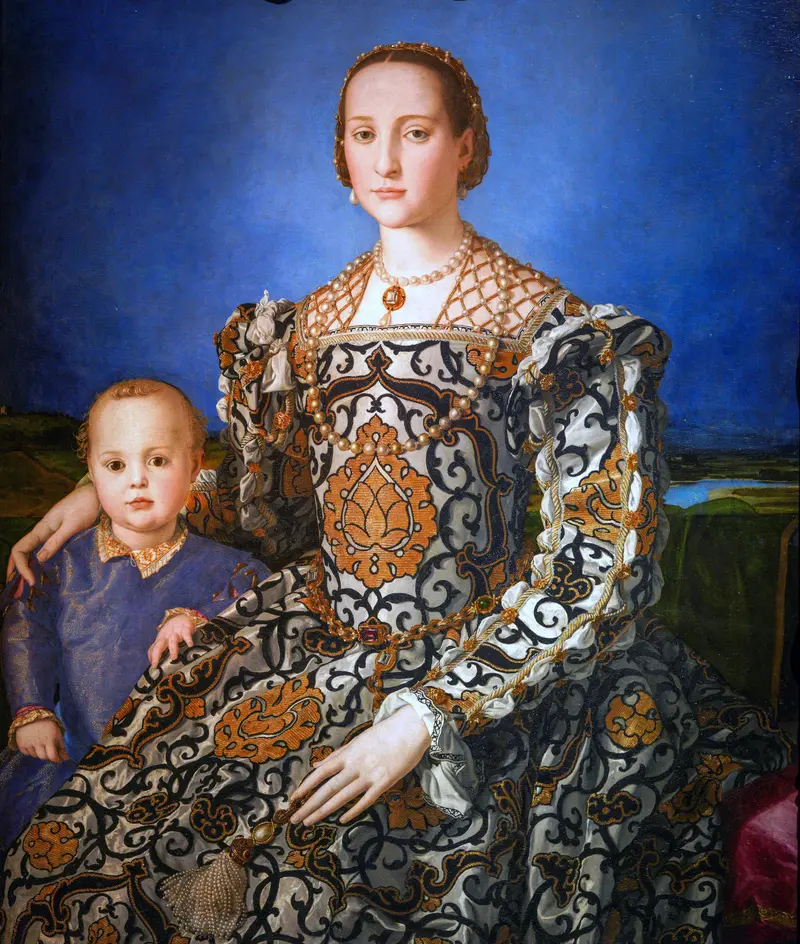
Portrait of Eleanor of Toledo with Her Son Giovanni de’ Medici
Agnolo Bronzino
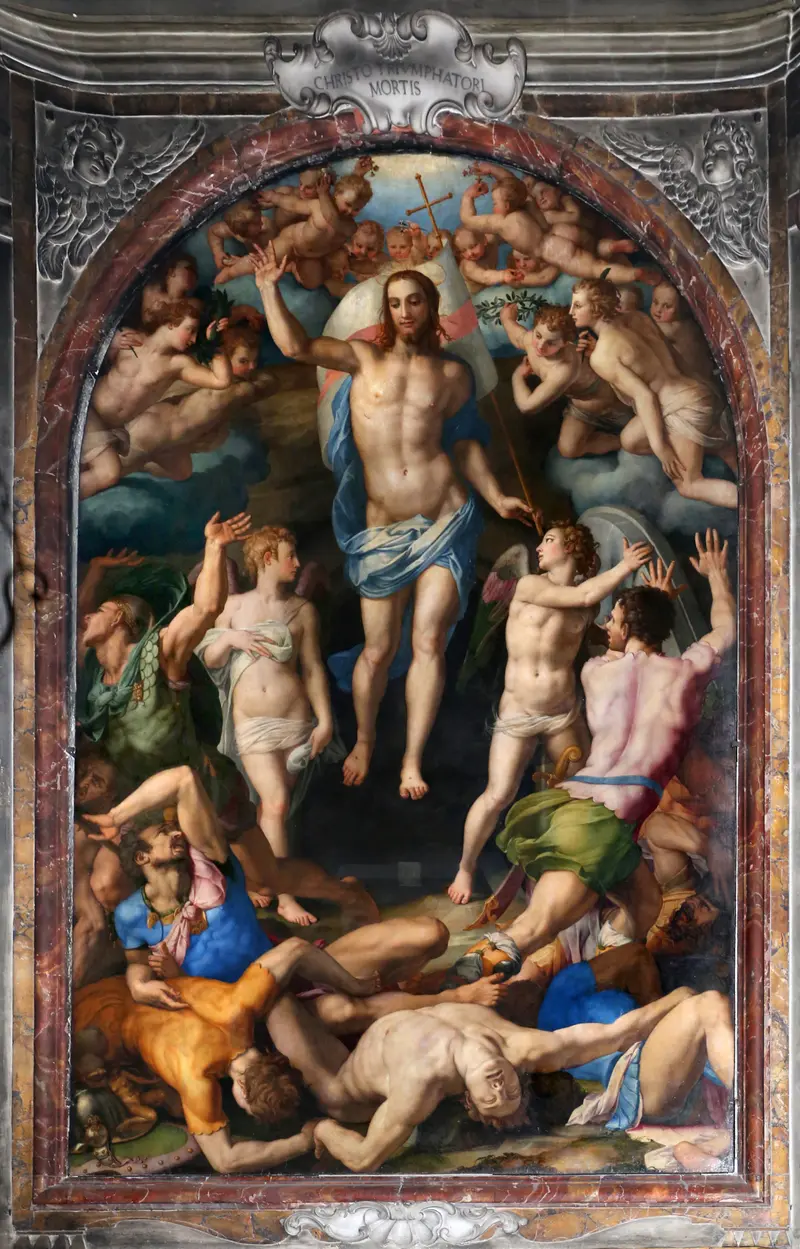
Resurrection Of Christ
Agnolo Bronzino
Saint Sebastian
Agnolo Bronzino





