
Portrait of a Young Woman — History & Facts
What first catches the eye in Portrait of a Young Woman is the way the figure seems to hover between presence and absence, her form emerging from a haze of rose and mauve brushwork. The young woman’s arms are crossed in a gesture that suggests both self-protection and quiet defiance, yet her gaze, slightly averted and searching, draws the viewer into her private world. The artist, Hippolyte Daeye, shapes her face with broad planes and a single, fluid contour, giving her features a sculptural quality that hints at introspection.
The unfinished edges, where the background color bleeds into the figure, leave us with a sense of something unresolved—a portrait in the midst of becoming. Created in 1929, this work belongs to a moment when European portraiture was shedding old certainties in favor of psychological depth and formal experimentation. Painters of the interwar years often sought to capture the complexities of modern identity, sometimes at the expense of traditional finish. Little is recorded about this specific painting’s commission or early history, but its presence today in the Museum of Fine Arts Ghent (MSK) invites us to consider how artists like Daeye, working in a period of uncertainty, used pared-down means to ask enduring questions about individuality and presence.
The young woman’s ambiguous expression lingers, challenging us to look again.
More Artworks by Hippolyte Daeye

Nude with Arms Crossed
Hippolyte Daeye
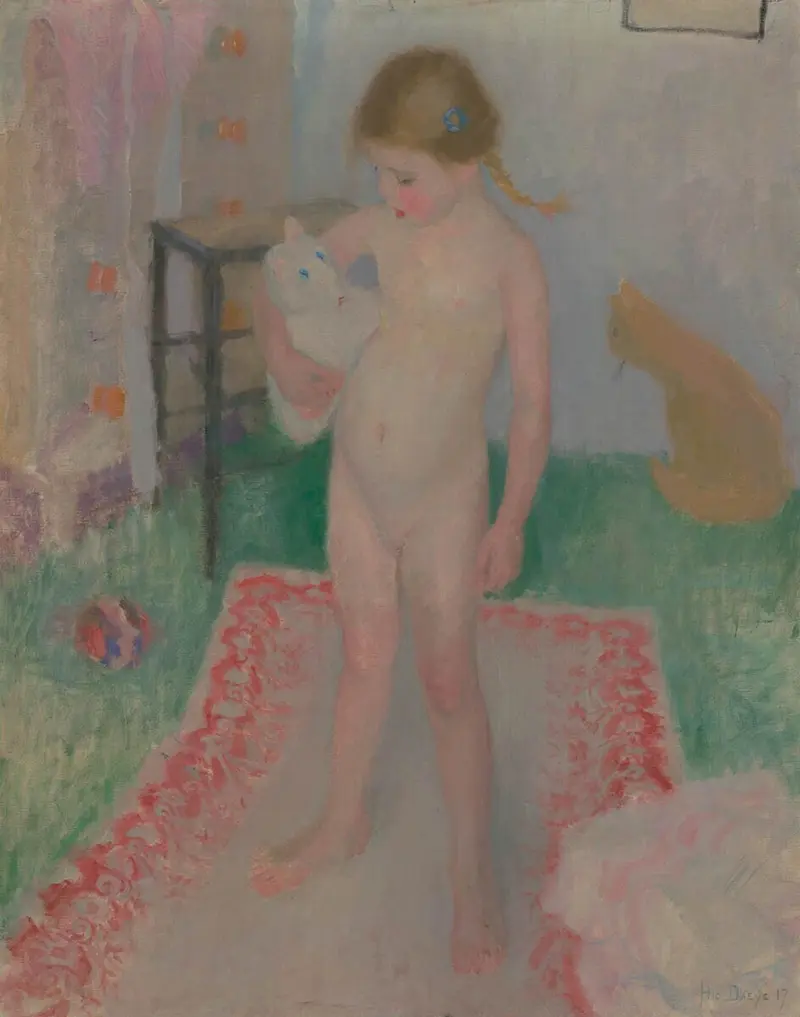
Portrait de la fille de l'artiste (Portret van de dochter van de kunstenaar) St 75 Museum Boijmans Van Beuningen
Hippolyte Daeye
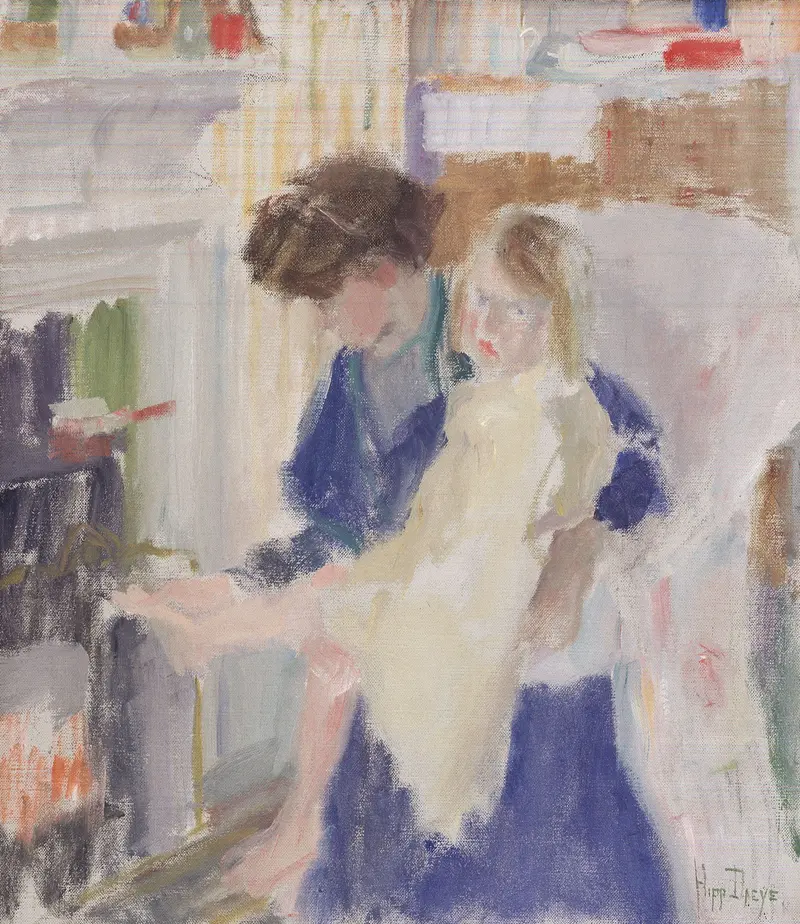
Mother and Child in Front of the Hearth at Sanderstead (England)
Hippolyte Daeye
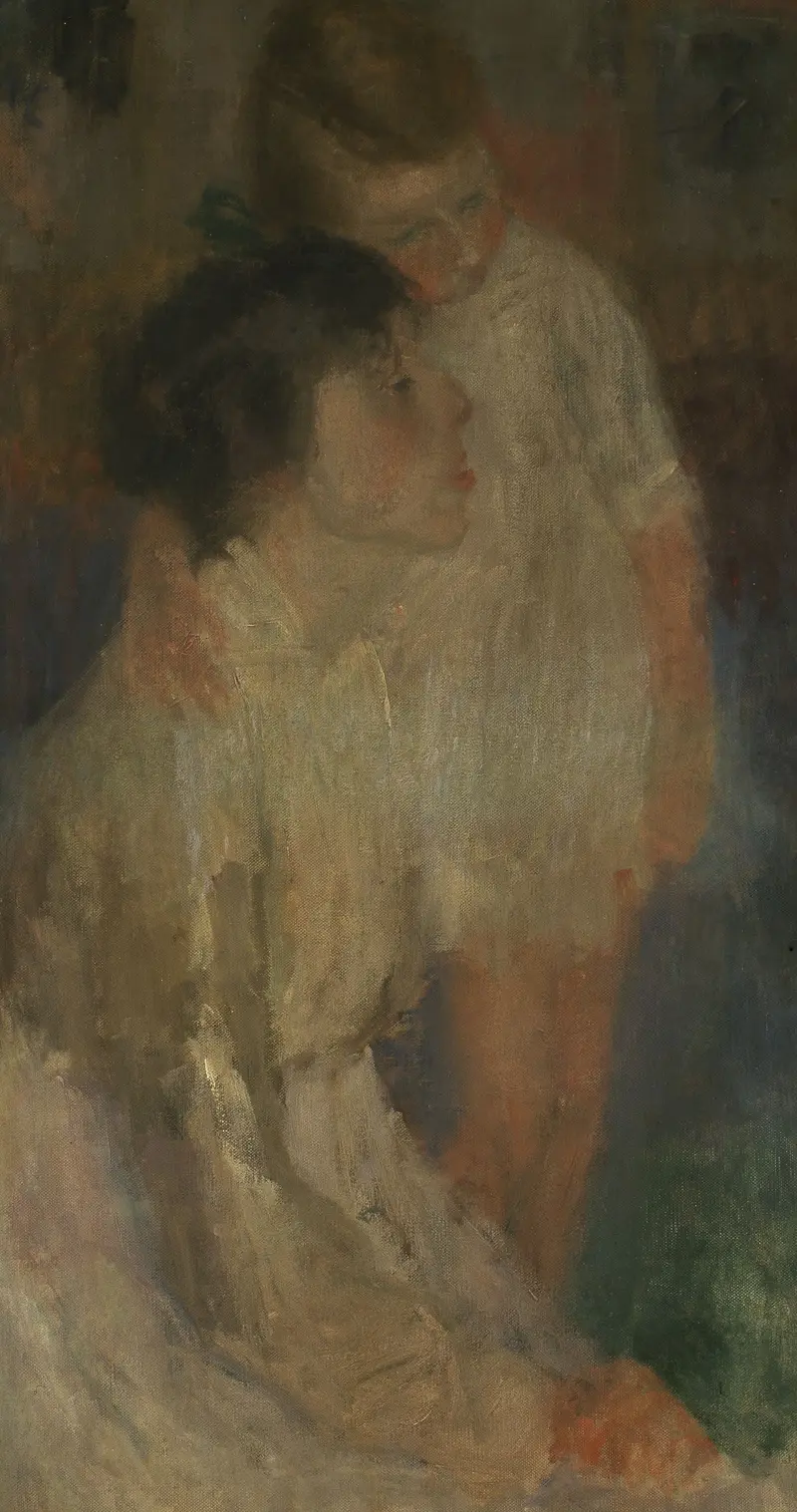
Tenderness or Portrait of Maria Ide and Suzanne Daeye, Cook and Daughter of the Artist
Hippolyte Daeye





