
Portrait of Albertus Henricus Wiese, Governor-General of the Dutch East Indies — History & Facts
The first thing to catch the eye in Portrait of Albertus Henricus Wiese, Governor-General of the Dutch East Indies is the measured calm of its sitter, a man whose authority is signaled not by grandeur but by detail. The command staff in his right hand is no idle prop: it is the visual anchor of the painting, a symbol of office and the weight of colonial responsibility. The artist, Adriaan de Lelie, leads us from the crisp white of Wiese’s cravat to the intricate gold embroidery of his coat, each stitch rendered with a precision that speaks to both status and scrutiny.
The sitter’s gaze meets the viewer with a blend of reserve and alertness, as if pausing from the business of empire to be recorded for posterity. The muted palette and careful play of light across his face and hands draw the viewer into a world of order and protocol. This portrait belongs to a tradition that flourished in the early nineteenth century, when likenesses of colonial administrators were commissioned to assert legitimacy and continuity. Painted between 1805 and 1810, it forms part of a series depicting the governors-general of the former Dutch East Indies—a visual roll call of power for the walls of Batavia or Amsterdam.
The artist based Wiese’s features on a miniature by Joseph Gillis, painted in Batavia, a reminder of how images and reputations traveled across continents in the service of empire. History has kept few traces of Wiese the man, but in this painting, the conventions of official portraiture—pose, regalia, the heavy drapery—speak volumes about the world he inhabited. The viewer is left to wonder what thoughts flicker behind that composed exterior, and what stories the staff and uniform might tell if they could speak.
More Artworks by Adriaan de Lelie
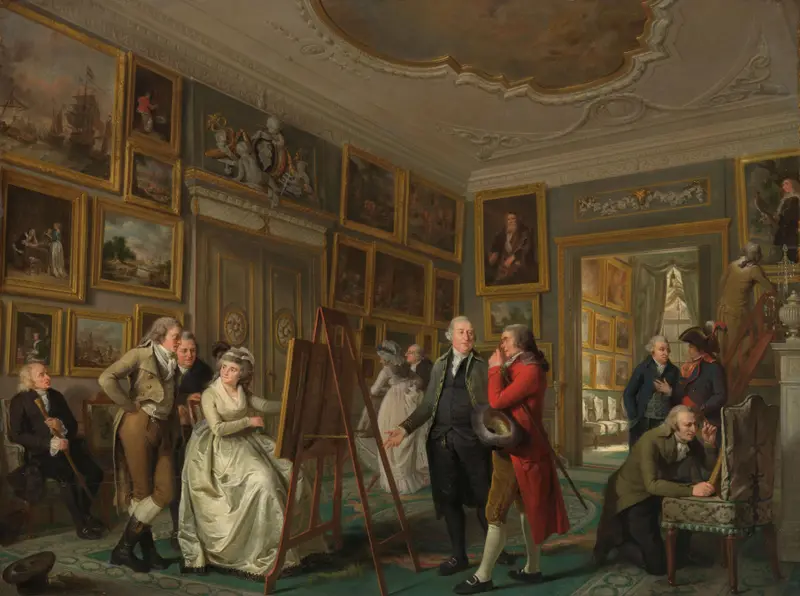
The Art Gallery of Jan Gildemeester Jansz
Adriaan de Lelie
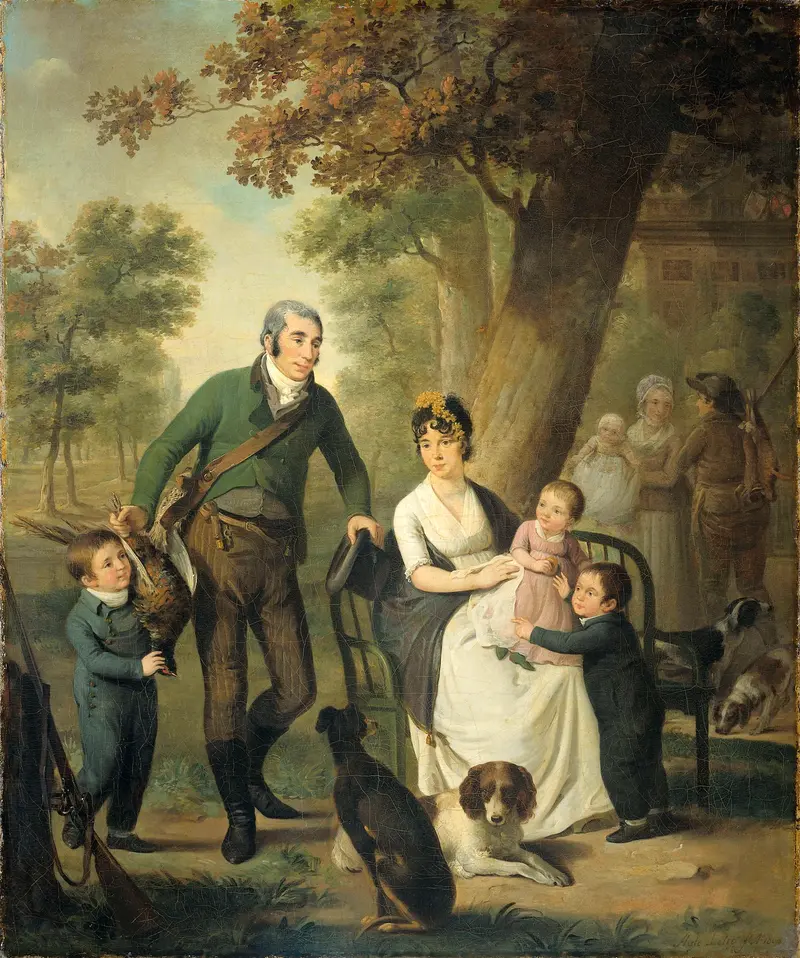
Jonkheer Gysbert Carel Rutger Reinier van Brienen van Ramerus(1771-1821), with his Wife and four of their Children
Adriaan de Lelie
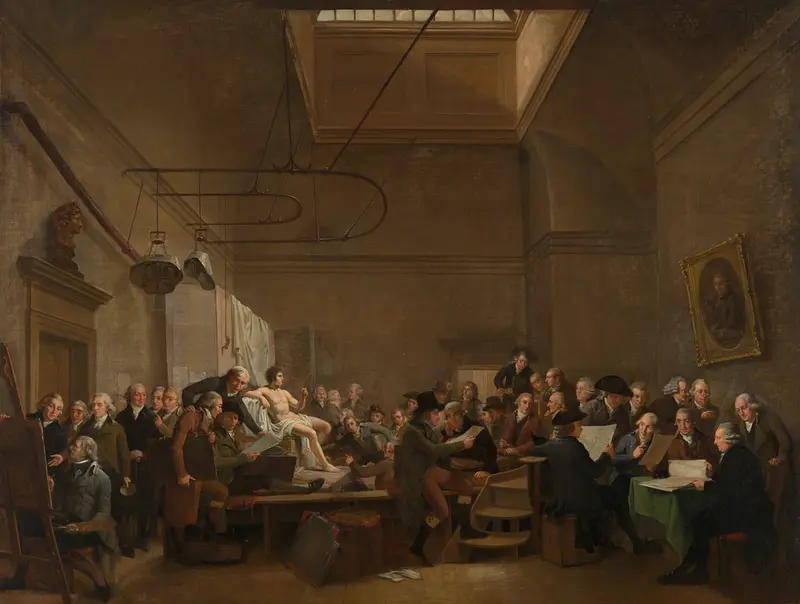
The Drawing Gallery of the Felix Meritis Society
Adriaan de Lelie
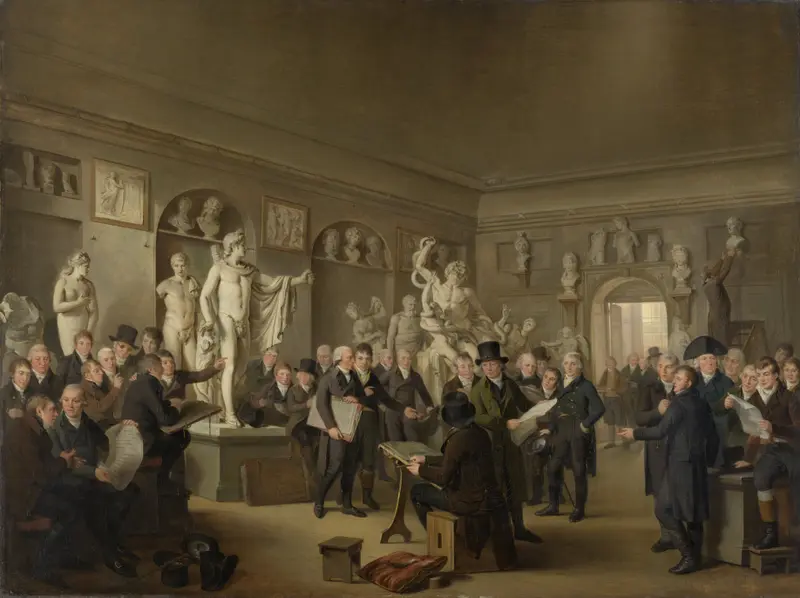
The Sculpture Gallery of the Felix Meritis Society
Adriaan de Lelie
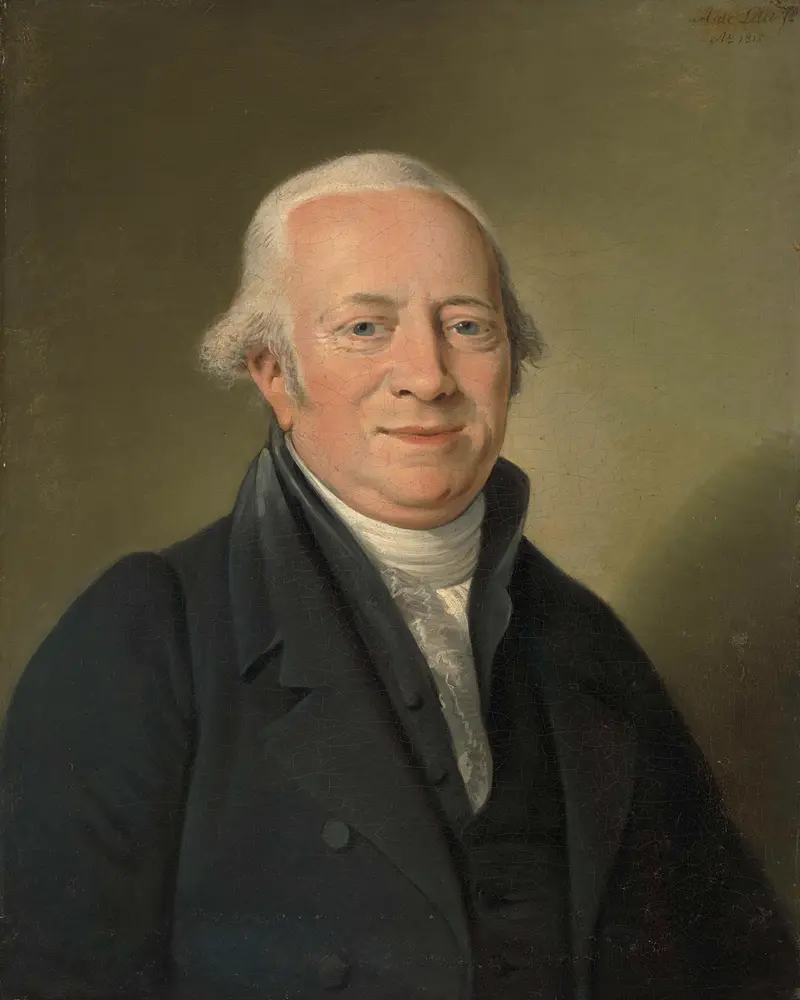
Cornelis Sebille Roos (1754-1820), Amsterdam Art Dealer and Keeper of the Nationale Konst-Gallery in Huis ten Bosch, The Hague
Adriaan de Lelie
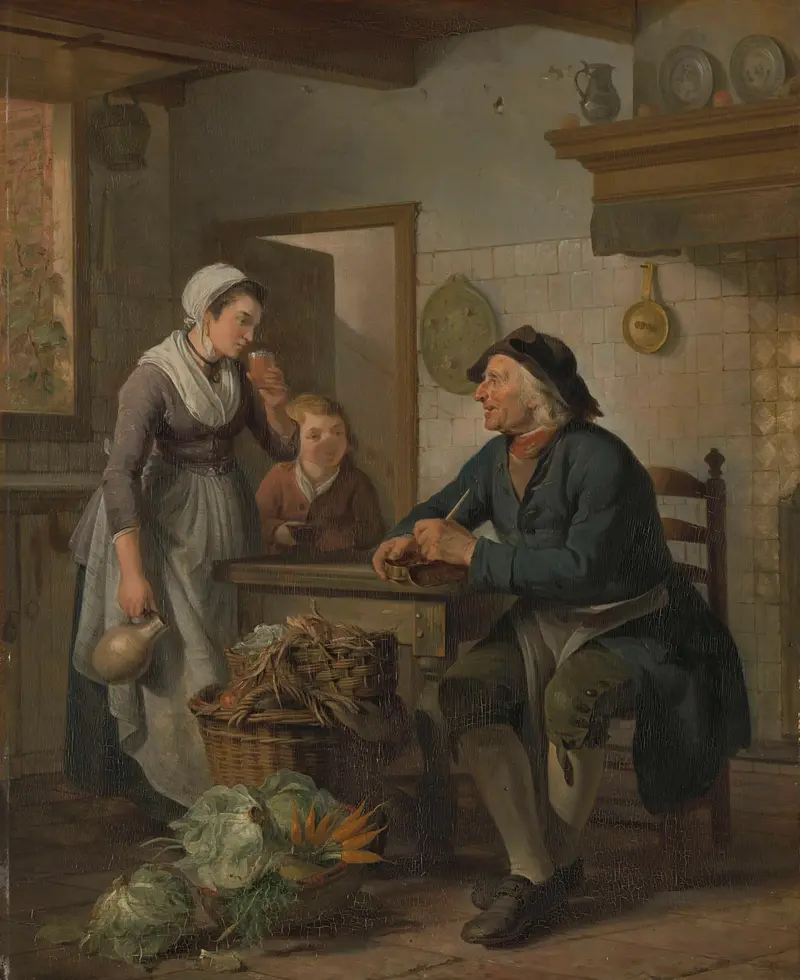
Morning Visit
Adriaan de Lelie
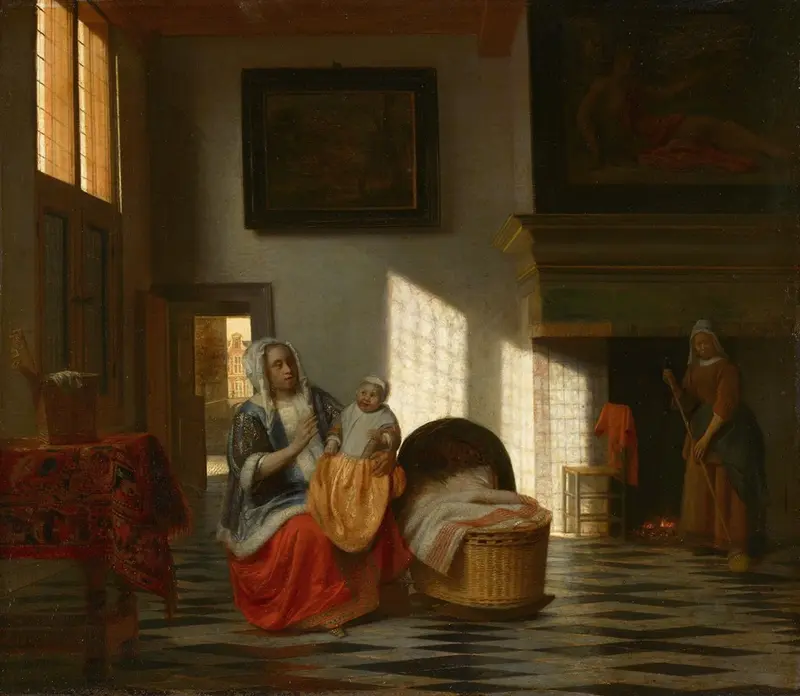
Mother and Two Children with Still Life
Adriaan de Lelie
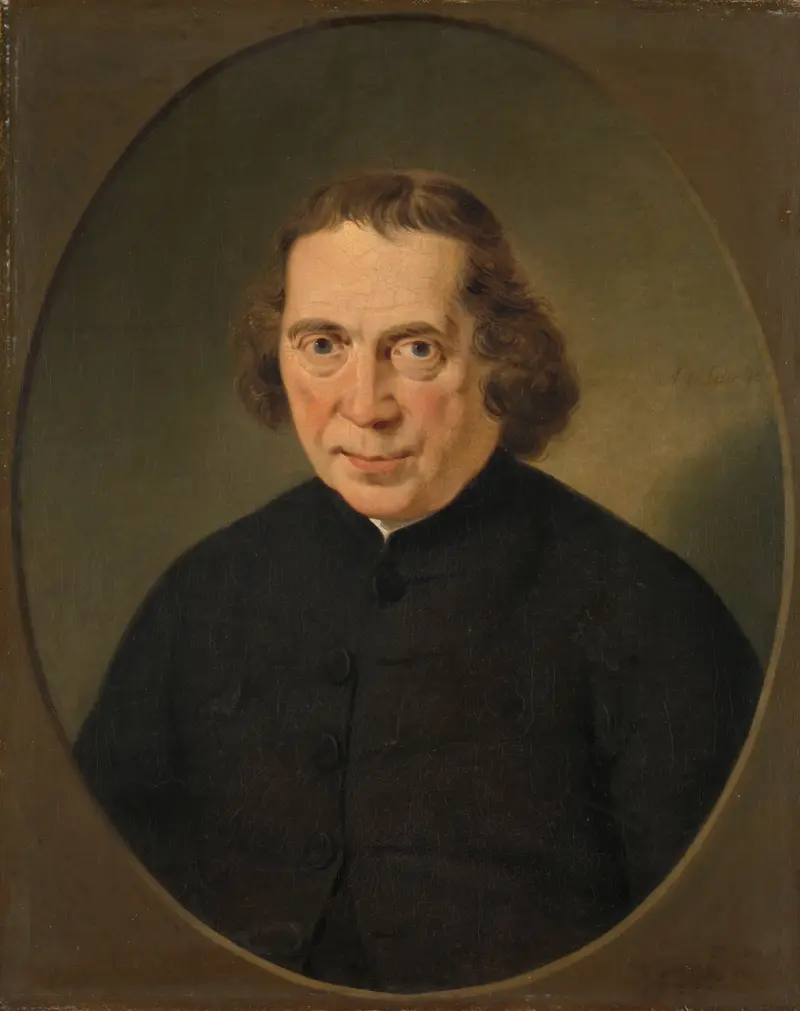
Portrait of Jan Nieuwenhuyzen
Adriaan de Lelie
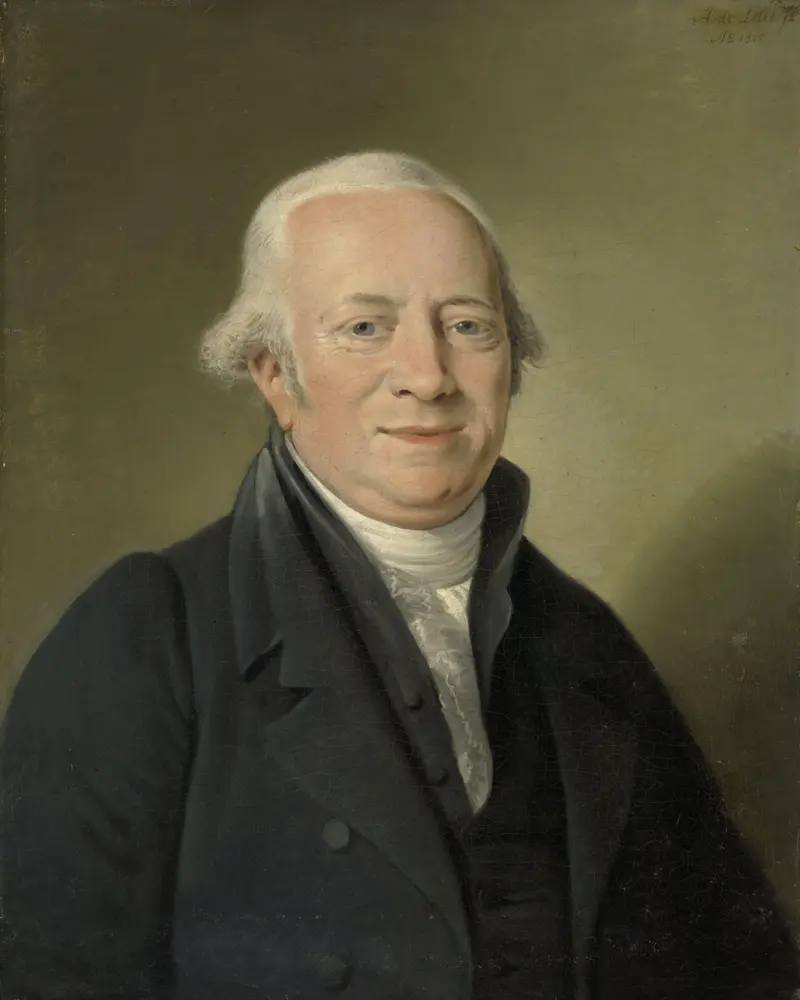
Portrait of Cornelis Sebille Roos, Art Dealer in Amsterdam and Inspector of the National Konst-Gallery and the Huis ten Bosch in The Hague
Adriaan de Lelie
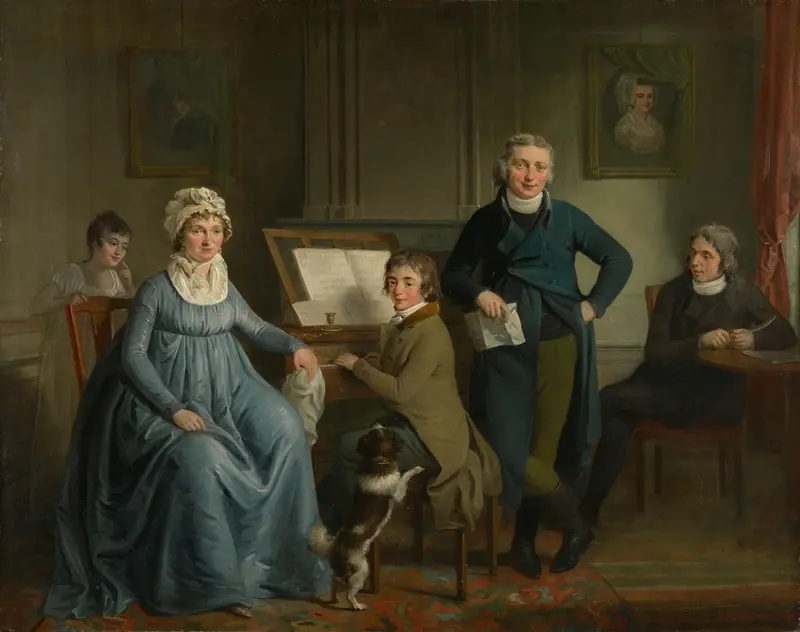
Musical family
Adriaan de Lelie





