
Portrait of an Elderly Lady — History & Facts
The first thing that catches the eye in Portrait of an Elderly Lady is the sheer gravity of presence: the sitter’s gaze is unwavering, almost severe, yet her hands rest gently on a small book, hinting at a life shaped by both discipline and reflection. The light falls softly across her face and veil, drawing out the delicate transparency of the fabric and the subtle warmth of her skin, while the rest of the composition recedes into shadow. Every fold of her black gown, every line in her face, is rendered with a precision that invites the viewer to linger, searching for clues to her story.
The book, half open and cradled in her lap, suggests literacy and contemplation, rare privileges for many women of her time, and the careful pose—upright, hands composed—signals dignity and restraint. The muted palette and the sparse background allow her presence to dominate, undistracted by ornament or setting. Painted in 1540, this work stands at a crossroads of Renaissance portraiture, when artists like Agnolo Bronzino were redefining how individuals could be seen and remembered. Portraits of this era, especially in Florence, were often commissioned by wealthy families to assert lineage, virtue, and learning; the sitter’s somber dress and veil may signal widowhood or piety, both highly respected states for women of standing.
While history has kept few traces of this particular lady’s identity or the painting’s early journey, its survival in a private collection today allows us a rare, direct encounter with the world of sixteenth-century Italy. In the stillness of her gaze and the careful rendering of her hands, the portrait becomes not only a likeness but a quiet testament to the values and aspirations of her age—inviting us to look again, and wonder what thoughts lie behind those steady eyes.
More Artworks by Agnolo Bronzino

Eleonora Of Toledo
Agnolo Bronzino
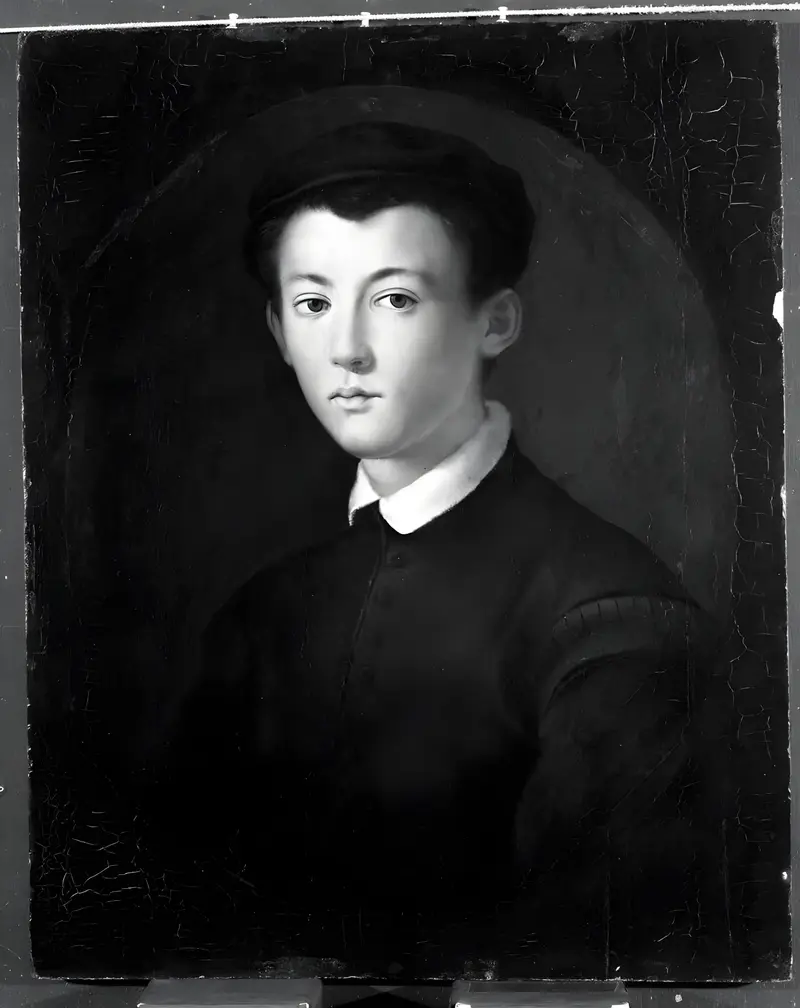
Portrait of a Young Man
Agnolo Bronzino
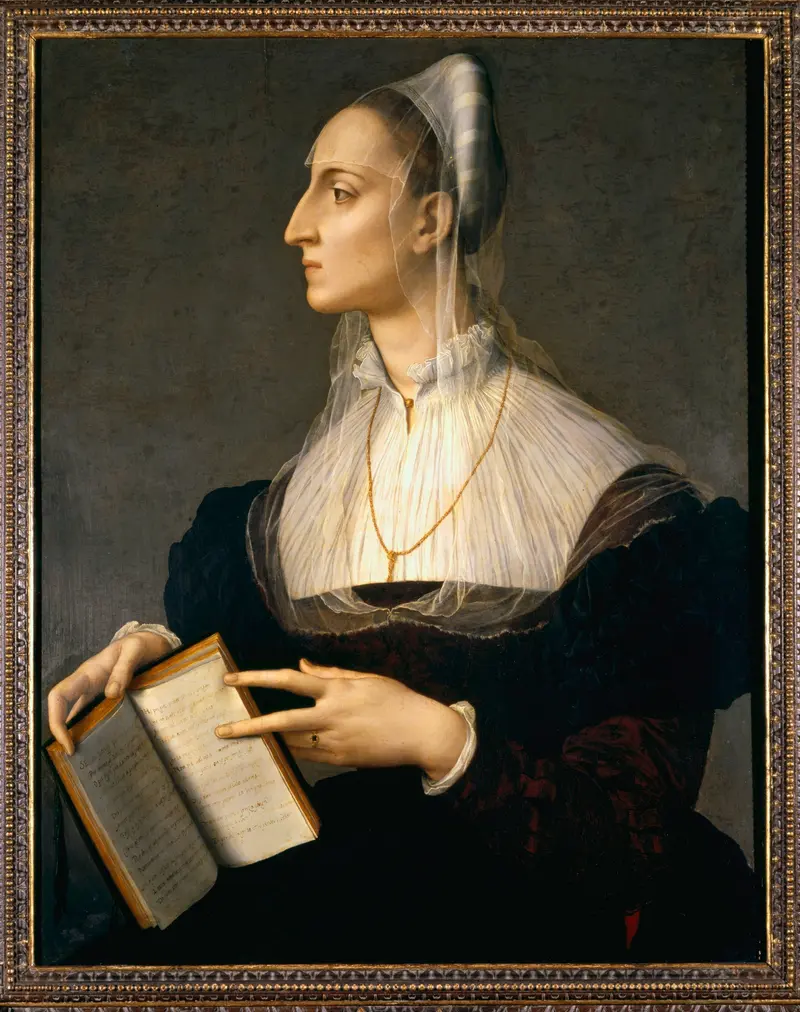
Portrait Of Laura Battiferri
Agnolo Bronzino
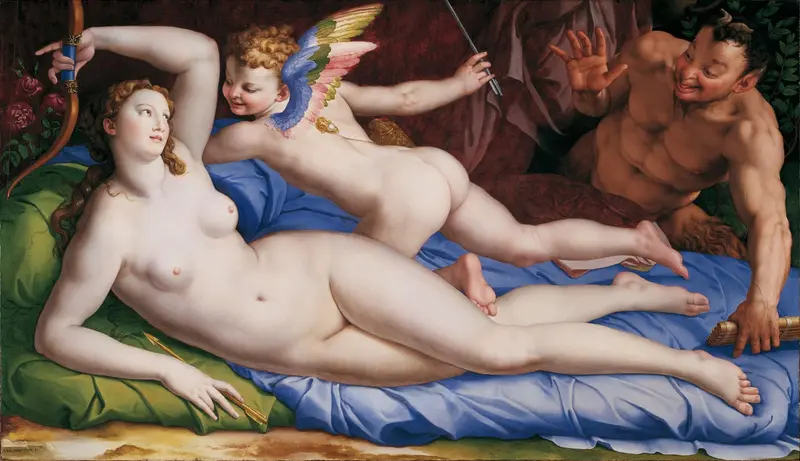
Venus, Cupid And Satyr
Agnolo Bronzino
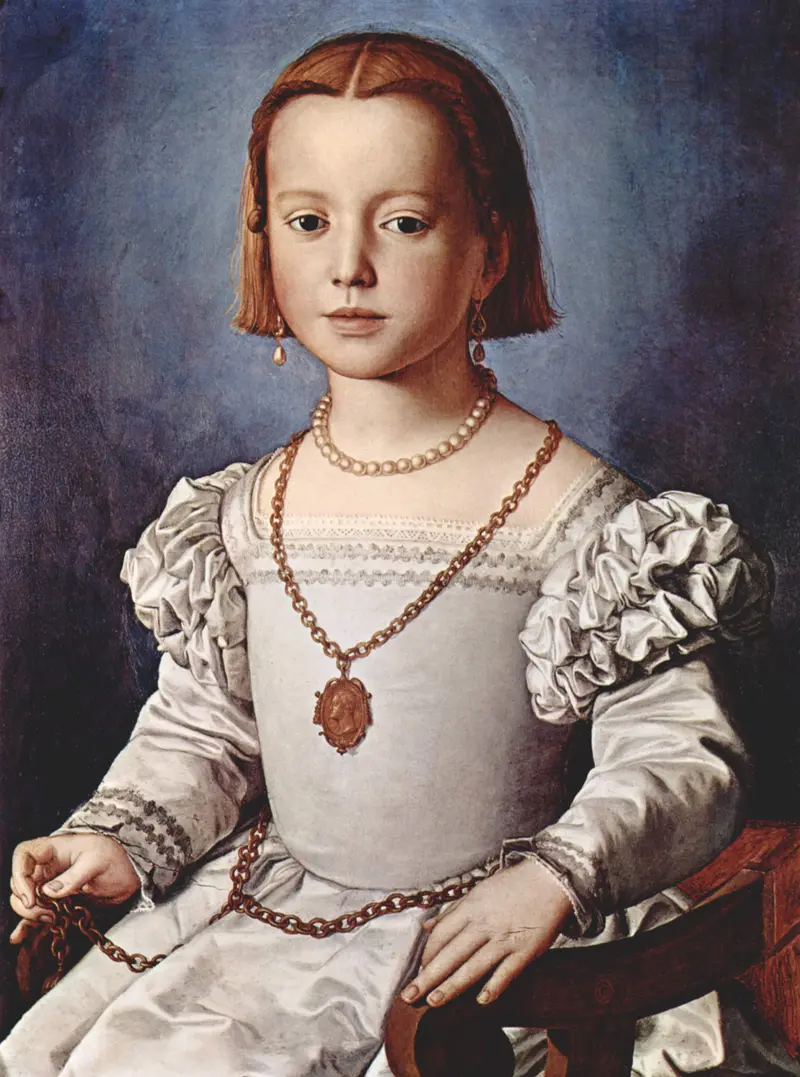
Bia Di Cosimo De‘ Medici
Agnolo Bronzino
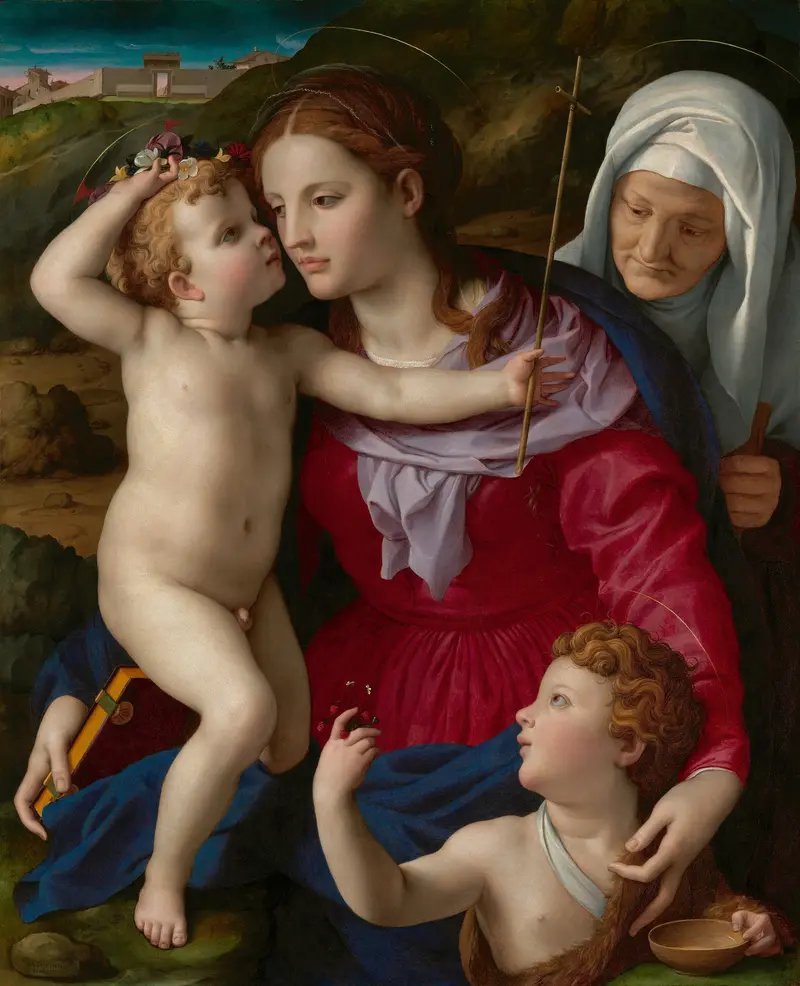
Virgin and Child with Saint Elizabeth and Saint John the Baptist
Agnolo Bronzino
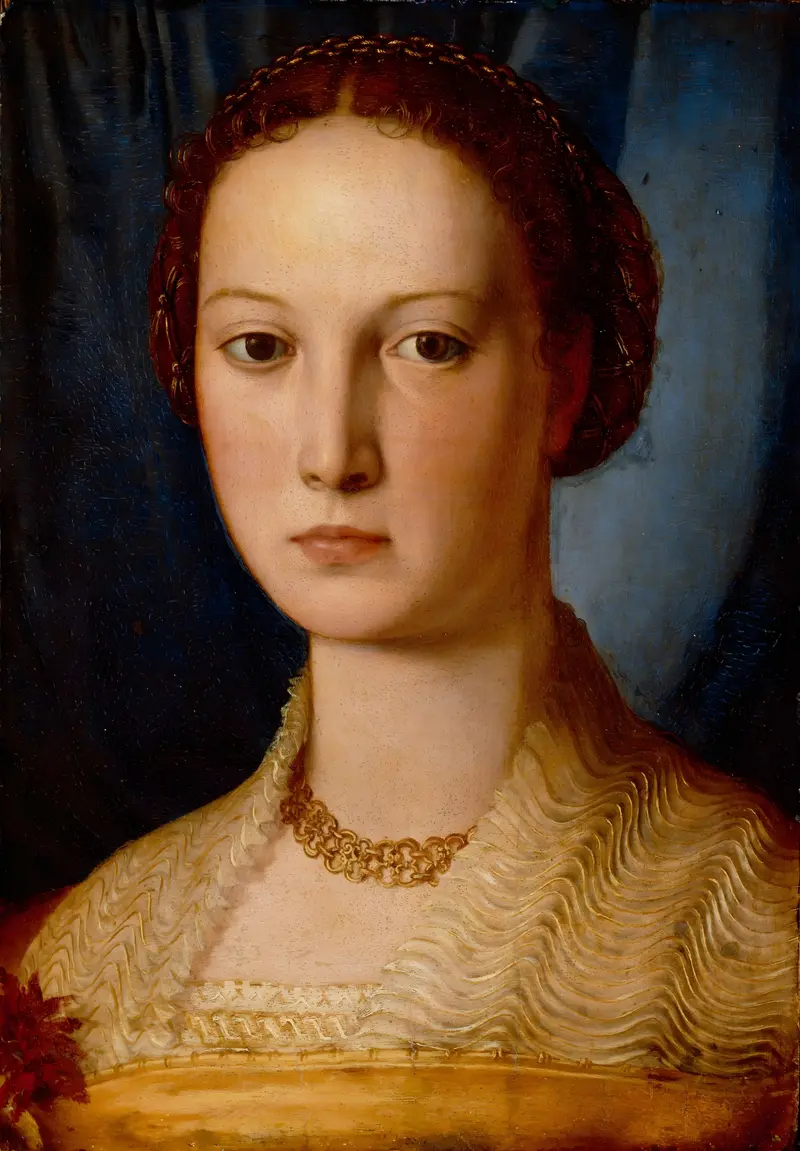
Costanza Da Sommaia
Agnolo Bronzino
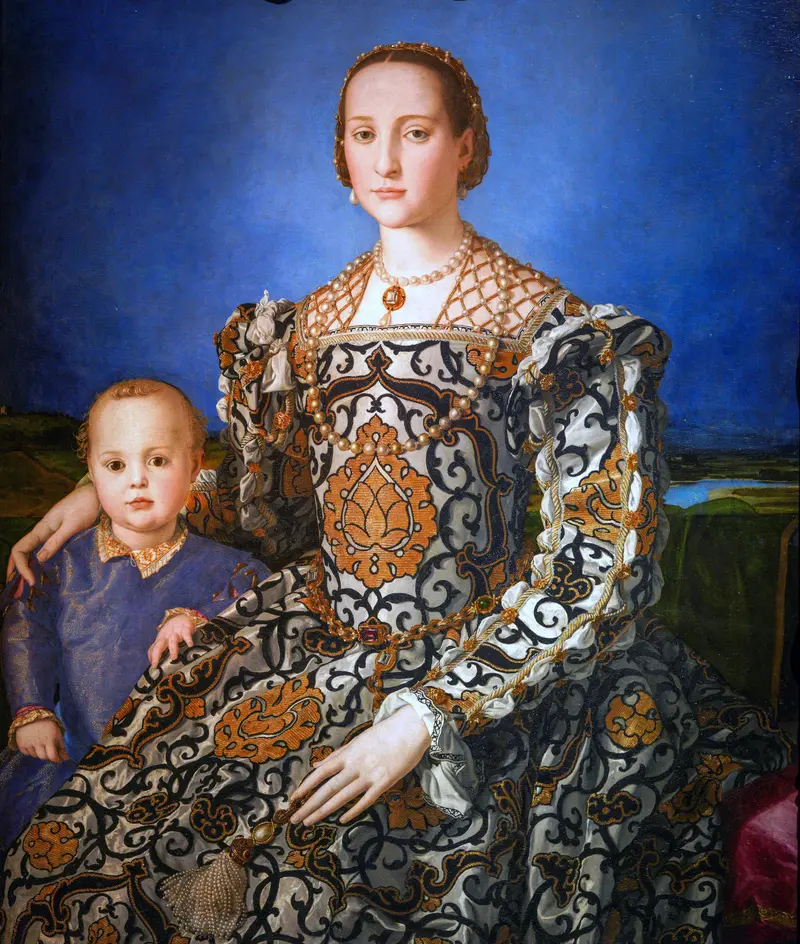
Portrait of Eleanor of Toledo with Her Son Giovanni de’ Medici
Agnolo Bronzino
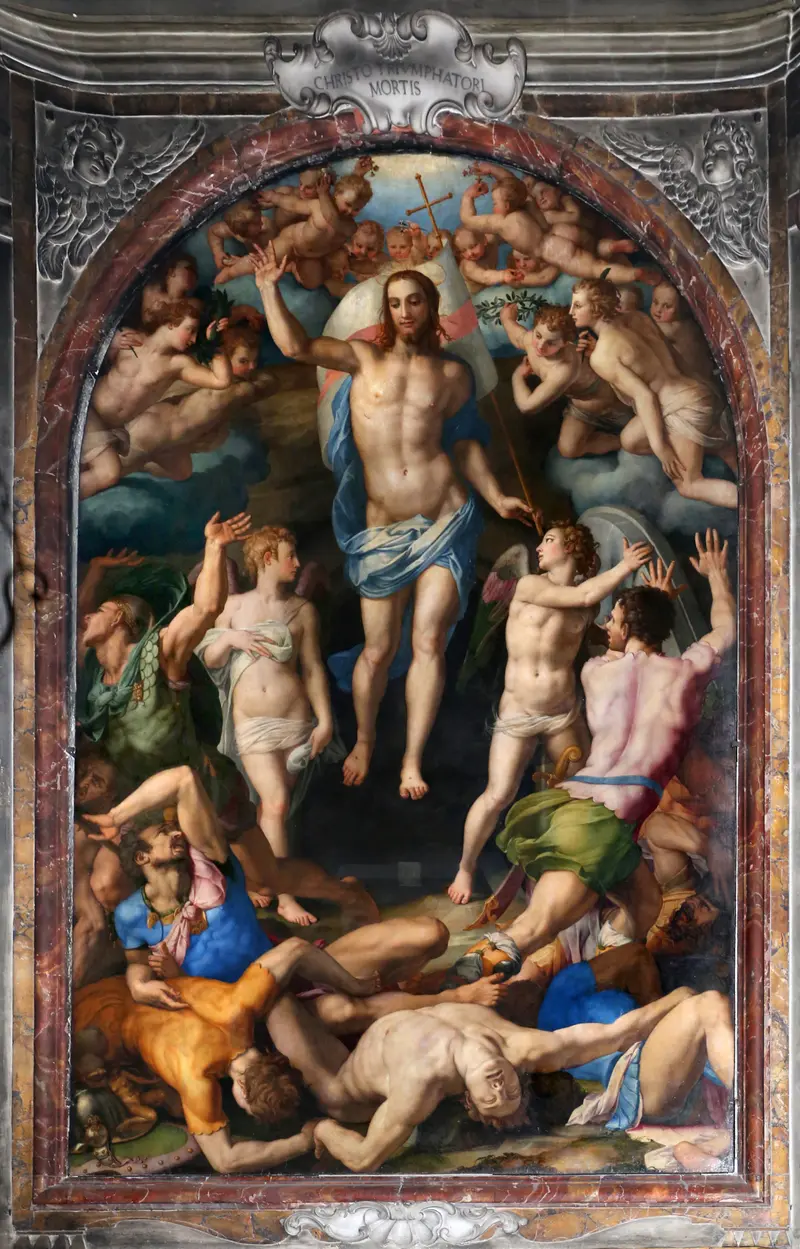
Resurrection Of Christ
Agnolo Bronzino
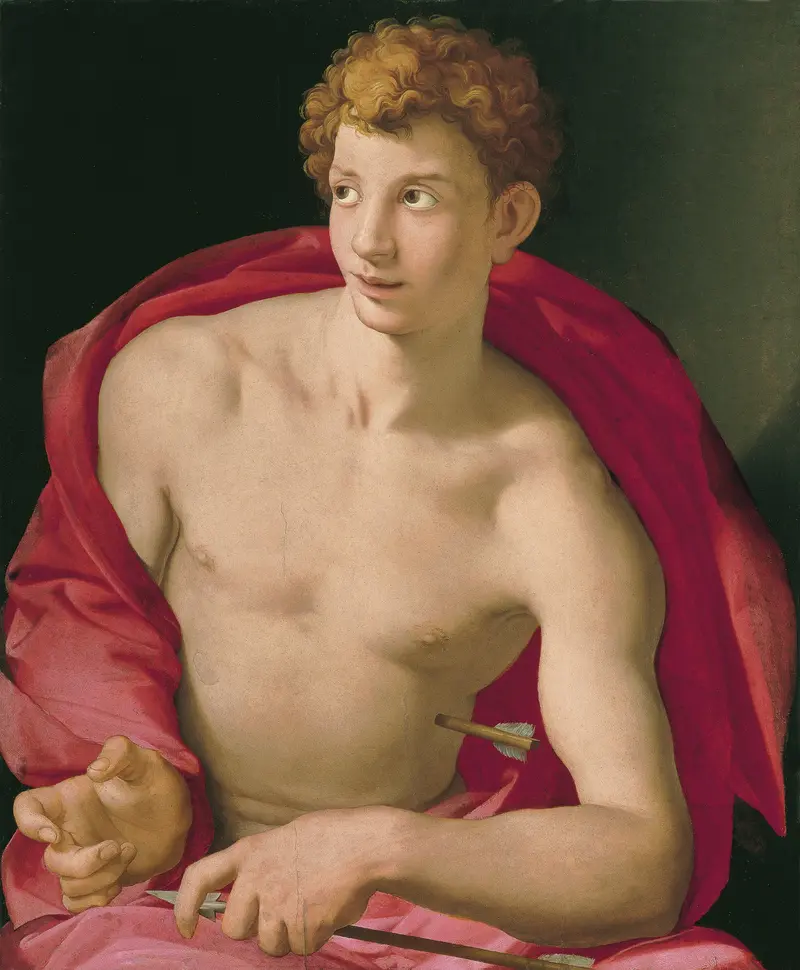
Saint Sebastian
Agnolo Bronzino





