
Portrait of Bia de' Medici — History & Facts
What first holds the eye is the child’s unflinching, almost solemn gaze—an expression that seems to belong to someone far older than her years. The painter has set her against a luminous blue, a color that both isolates and elevates her, while the crisp white of her dress glows with an almost metallic sheen. Each ruffled sleeve, each strand of hair, is rendered with a care that draws attention to the sitter’s status and the painter’s technical command.
The gold chain she fingers is no idle ornament: it signals wealth, lineage, and perhaps the weight of expectation. The pearls at her neck and ears, too, are more than decoration—they are emblems of innocence and privilege, quietly asserting her place in the world. This portrait belongs to the world of mid-sixteenth-century Florence, a time when the Medici court sought to project its power and taste through art as much as through politics. Portraits of children, especially those dressed in finery and set against rich backgrounds, were statements of dynastic continuity and social aspiration.
Painters like Agnolo Bronzino were celebrated for their ability to render not just likeness but character, using light, color, and surface to create a sense of living presence. Made between 1542 and 1545, and now held in the Oberösterreichisches Landesmuseum, this work is a testament to that culture’s belief in art as both record and aspiration. The sitter’s steady look invites us to linger, searching for the story behind her composed exterior.
More Artworks by Agnolo Bronzino

Eleonora Of Toledo
Agnolo Bronzino
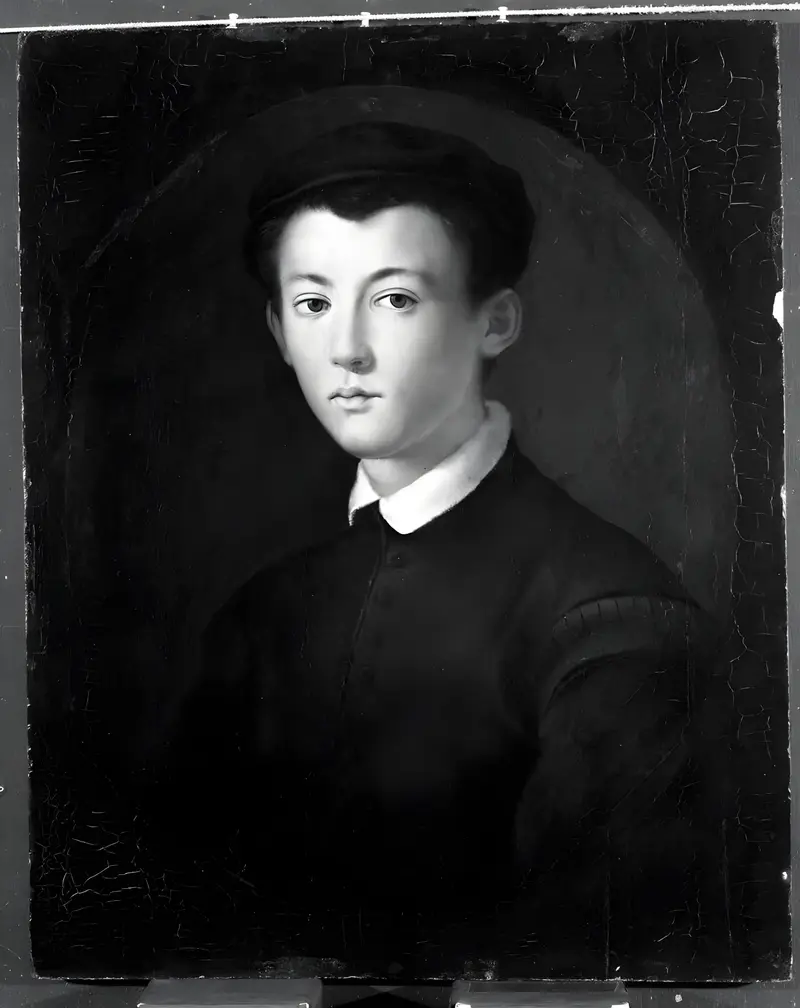
Portrait of a Young Man
Agnolo Bronzino
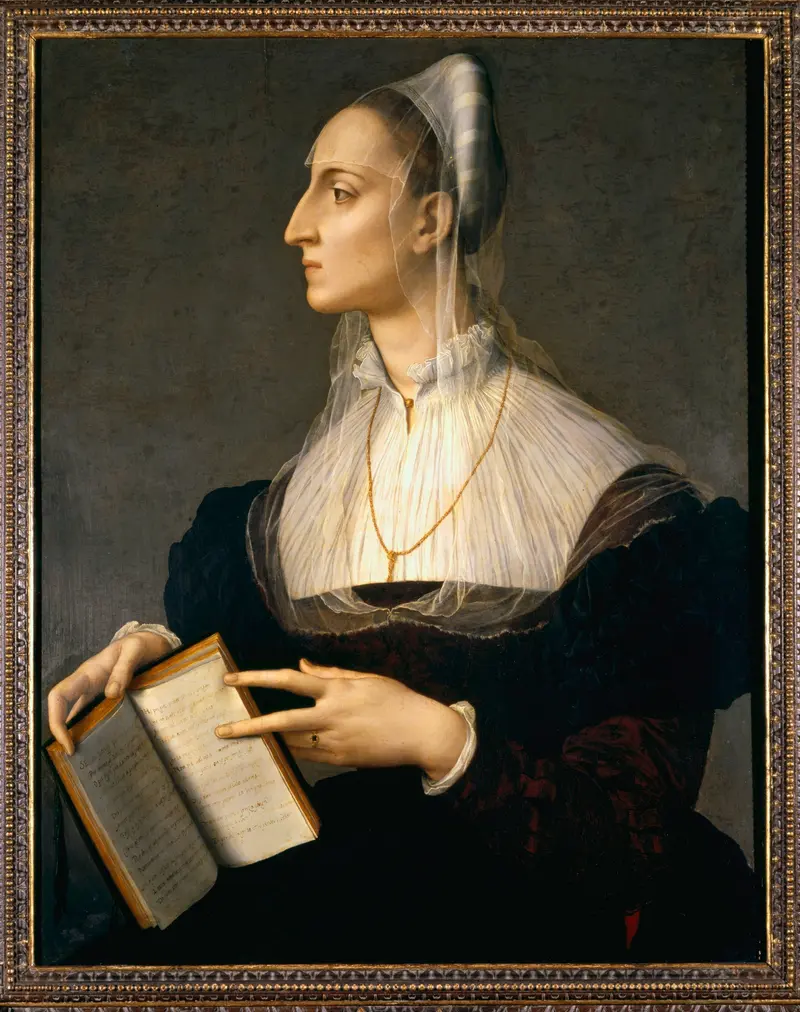
Portrait Of Laura Battiferri
Agnolo Bronzino

Venus, Cupid And Satyr
Agnolo Bronzino
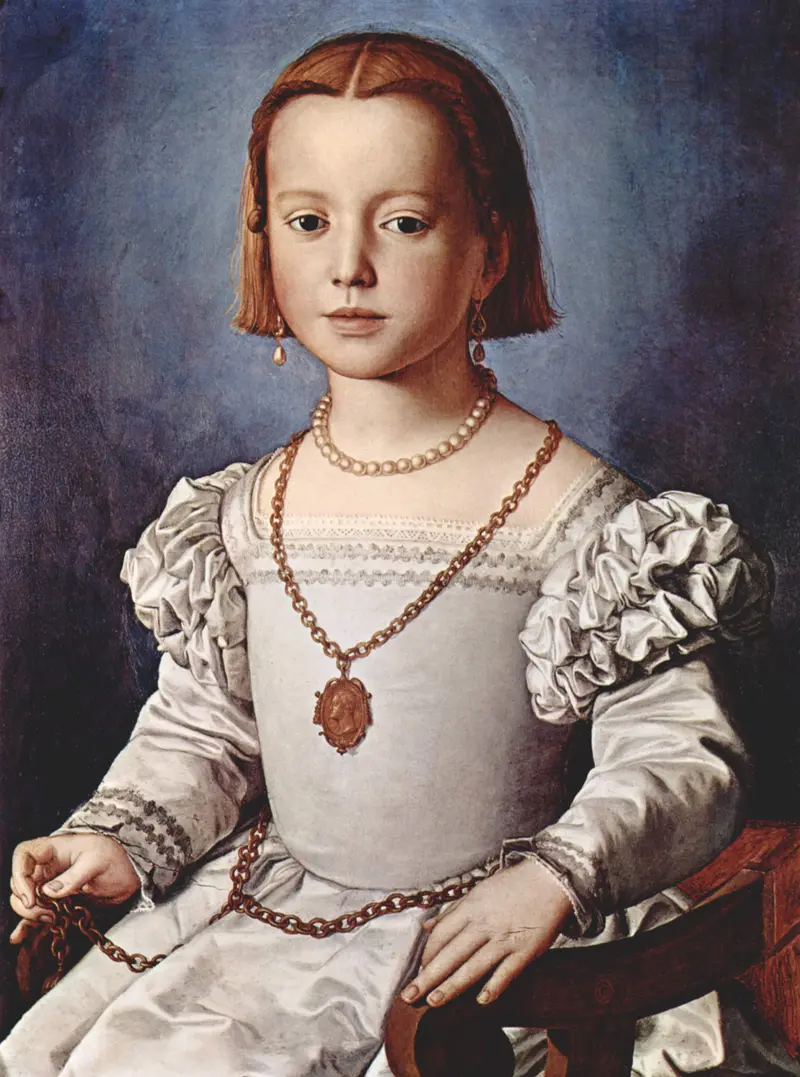
Bia Di Cosimo De‘ Medici
Agnolo Bronzino
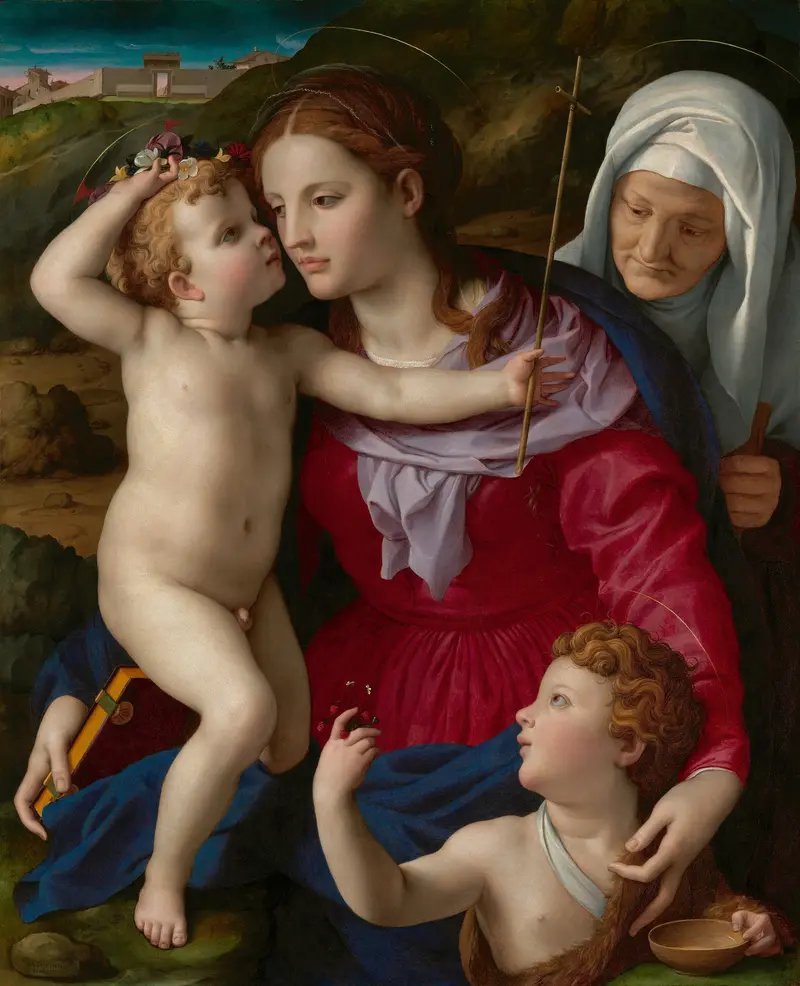
Virgin and Child with Saint Elizabeth and Saint John the Baptist
Agnolo Bronzino
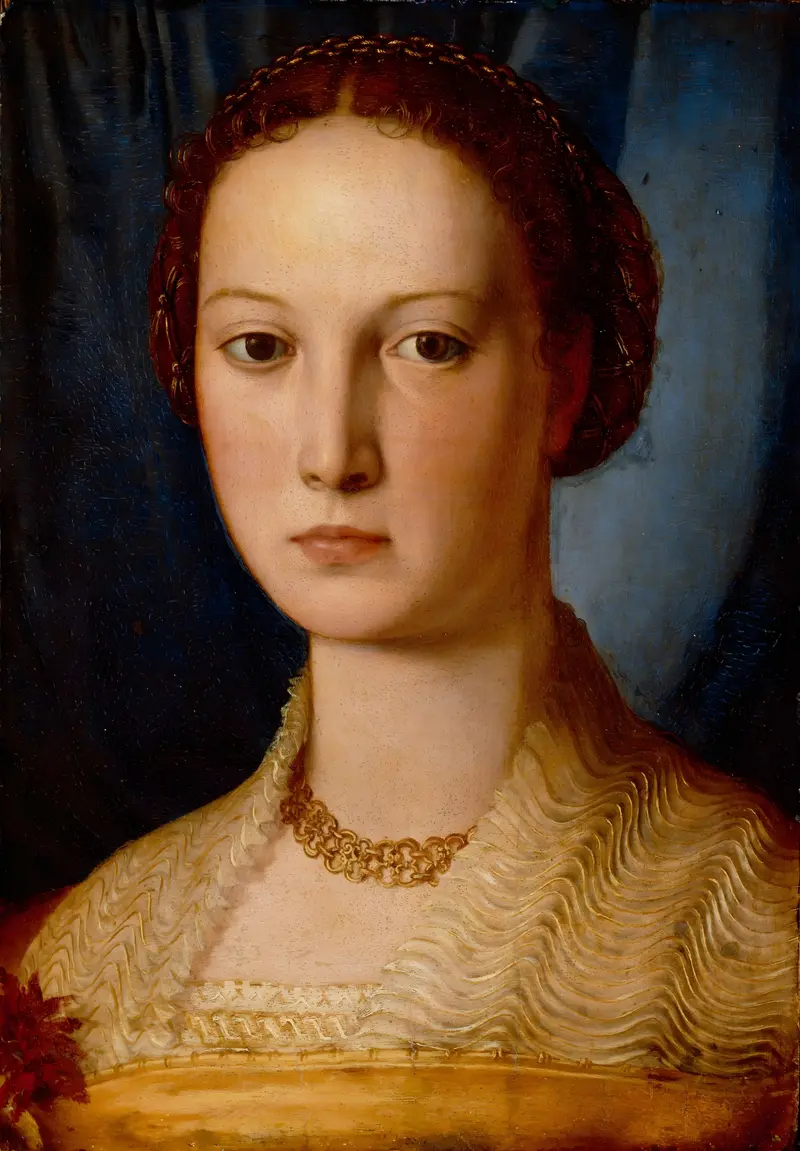
Costanza Da Sommaia
Agnolo Bronzino
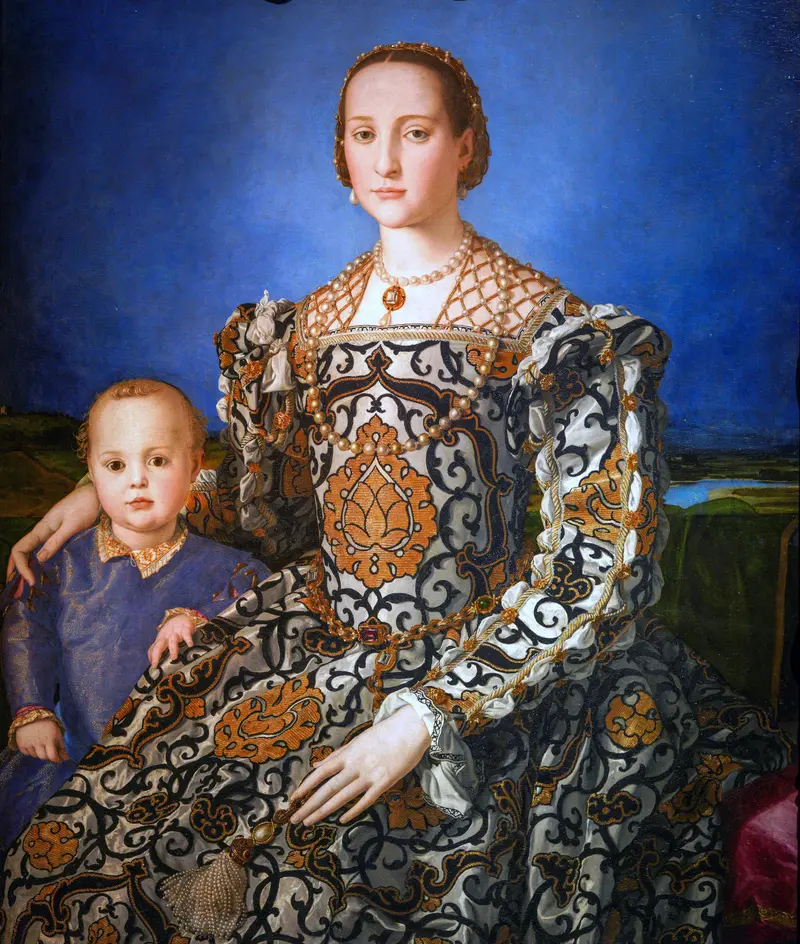
Portrait of Eleanor of Toledo with Her Son Giovanni de’ Medici
Agnolo Bronzino
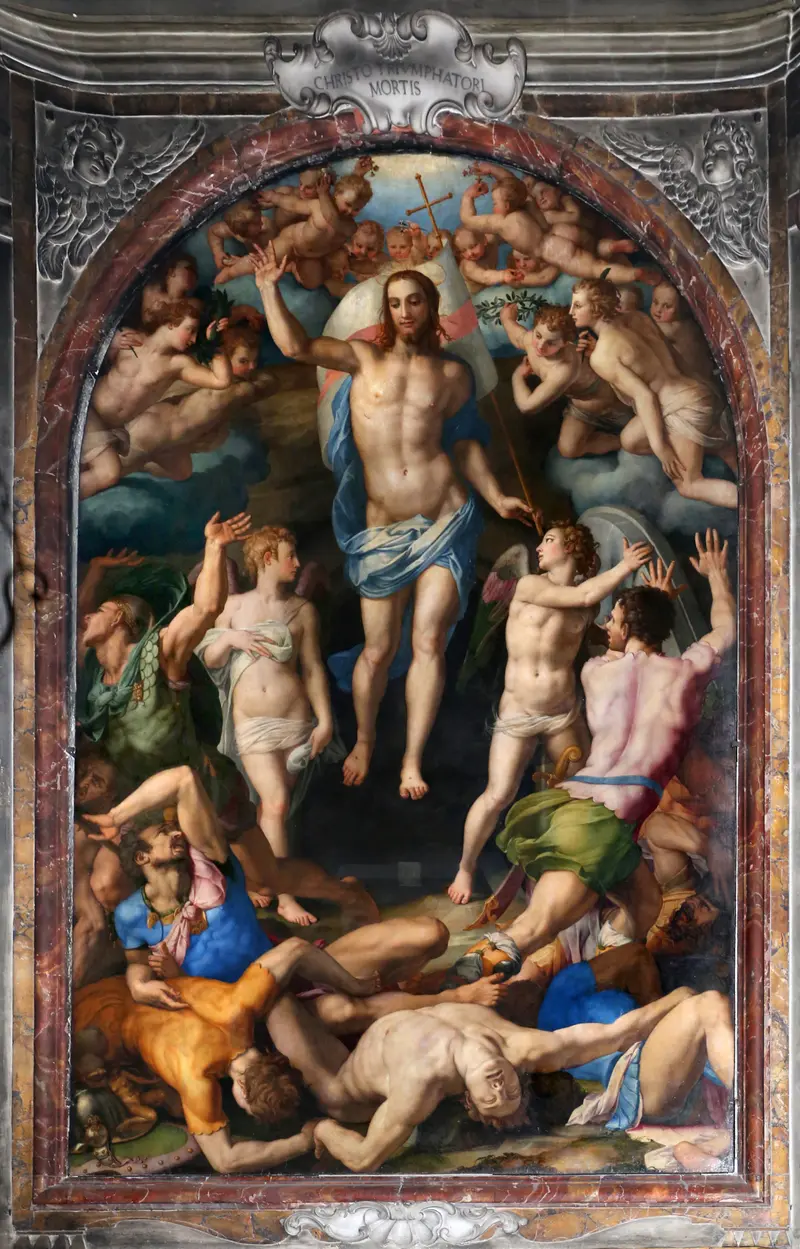
Resurrection Of Christ
Agnolo Bronzino
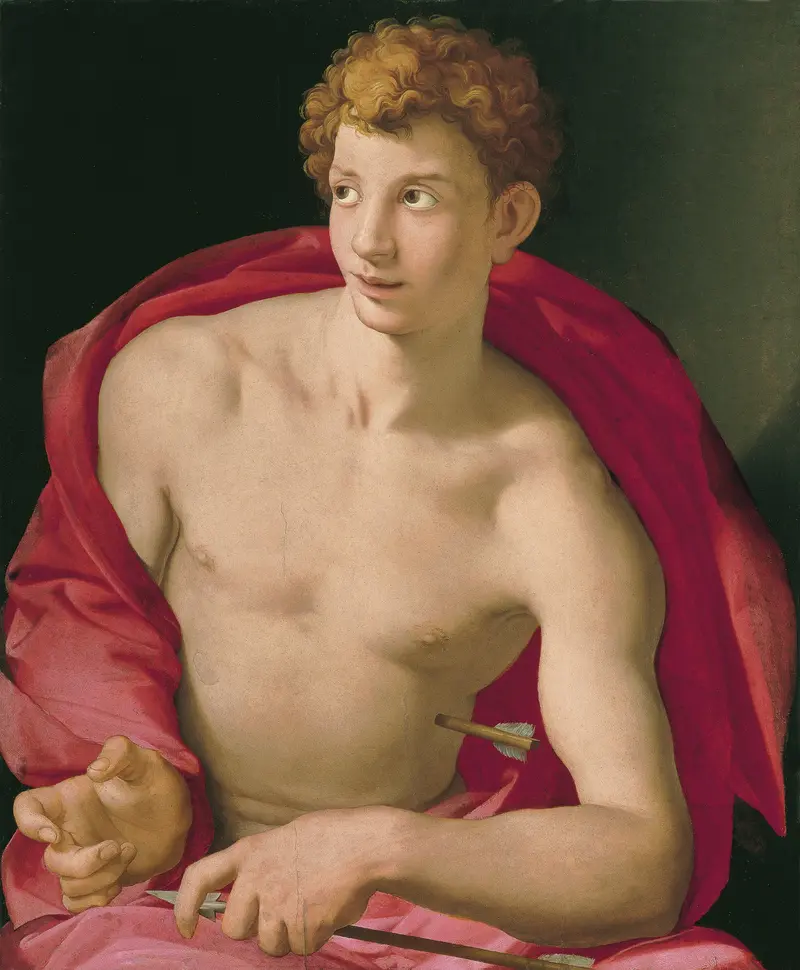
Saint Sebastian
Agnolo Bronzino





