
Portrait of Claes Maertensz Thoveling, Director of the Rotterdam Chamber of the Dutch East India Company, elected 1619 — History & Facts
What if silence could speak through light? In Portrait of Claes Maertensz Thoveling, the stillness is palpable, yet it vibrates with an unvoiced dynamism that draws the viewer closer into its depths. Look to the left at Thoveling’s poised figure, commanding attention with his dignified stance. Notice how the light cascades gently over his deep blue robes, creating a delicate interplay of shadow and illumination that highlights the textures of the fabric. The subtle warmth of the background contrasts with the somber hues of his attire, inviting the eye to explore the intricate details of his ruffled collar and the fine brushwork that breathes life into his expression. As one’s gaze lingers on this remarkable portrayal, a narrative unfolds beyond the surface.
The poised smile conceals a man of authority and influence, yet his eyes hint at the weight of responsibility he bears as a director within the bustling trade network of the Dutch East India Company. The carefully chosen elements—his stance, the lavish attire—speak to a tension between power and vulnerability. In this stillness, there is an undercurrent of movement, a reminder of the ever-changing tides of fortune and commerce that defined his era. Pieter van der Werff painted this portrait between 1695 and 1722, a period that saw him rise in prominence amidst the Dutch Golden Age of painting.
Living in a time when the art world was shifting, he embraced a classicist style that honored the past while adapting to the evolving tastes of his patrons. This work, commissioned to capture Thoveling’s essence, reflects not only the individual but also the collective aspirations of a society defined by trade and exploration.
More Artworks by Pieter van der Werff
Browse all →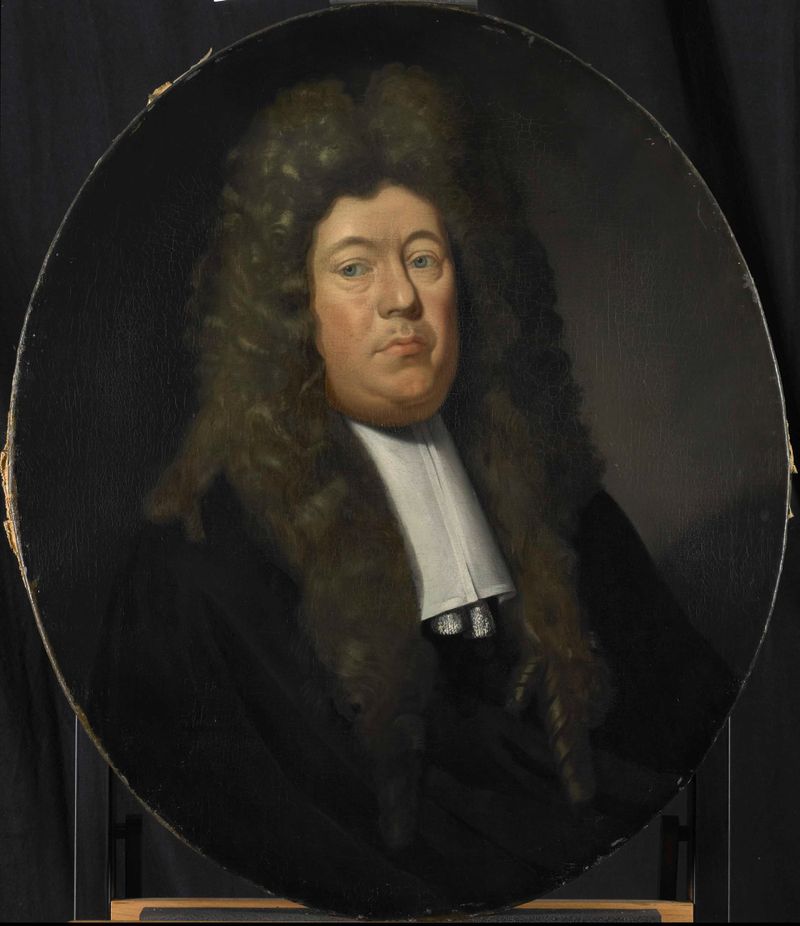
Portrait of Adriaen Paets, Director of the Rotterdam Chamber of the Dutch East India Company, elected 1668
Pieter van der Werff
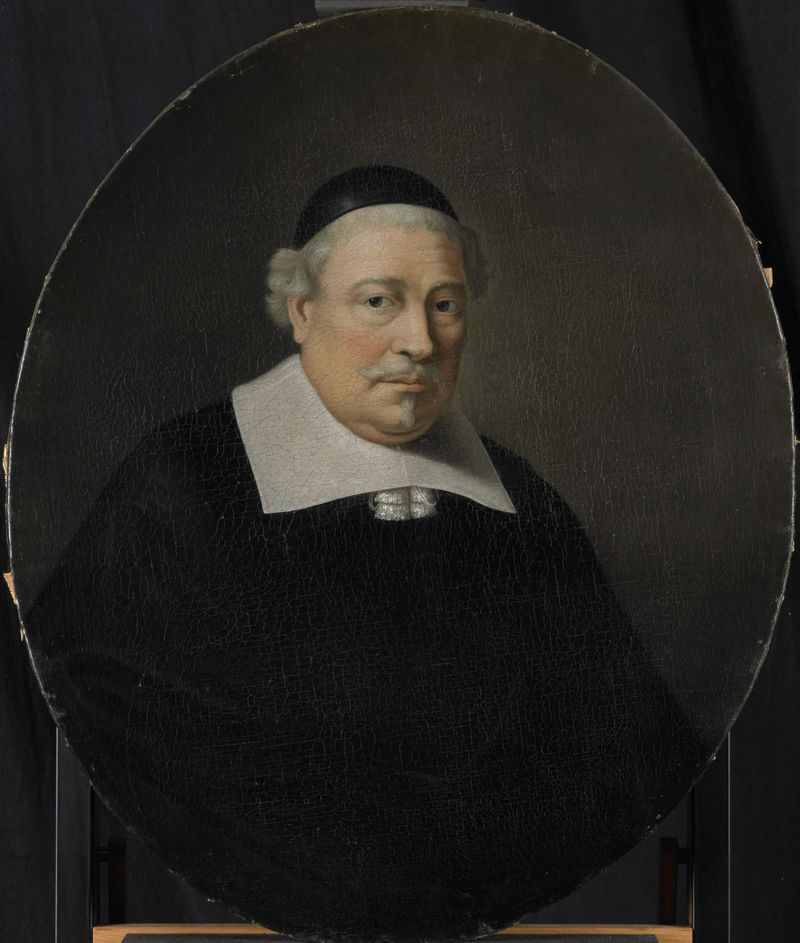
Portrait of Cornelis de Koningh, Director of the Rotterdam Chamber of the Dutch East India Company, elected 1649
Pieter van der Werff
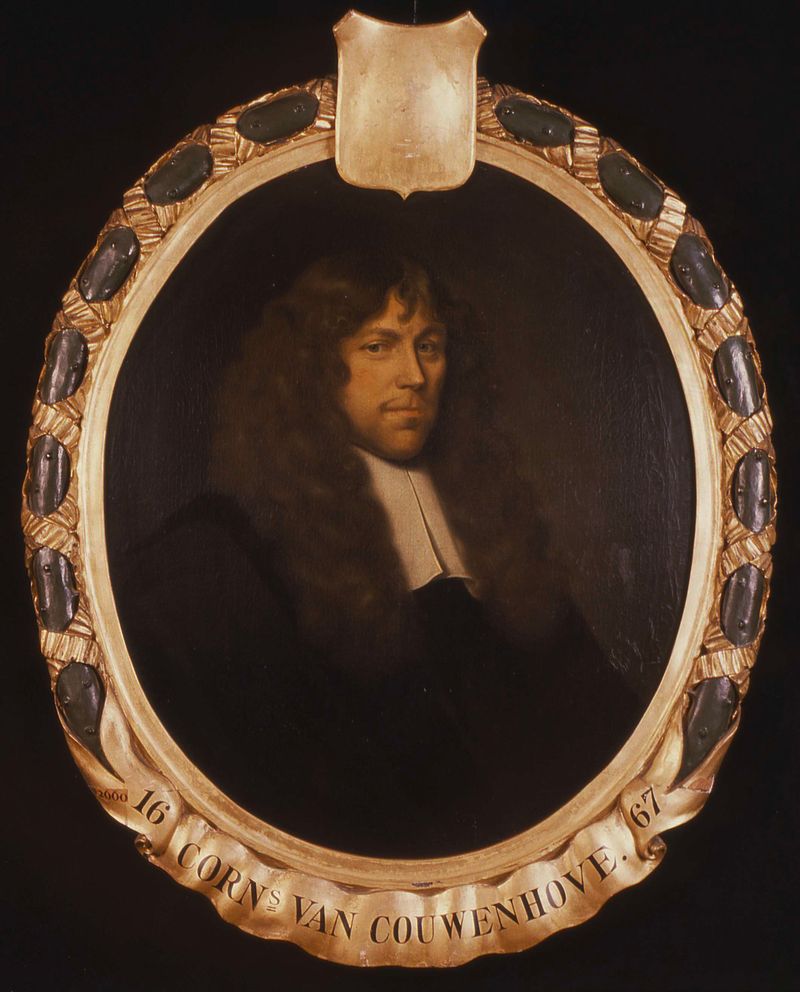
Portrait of Cornelis van Couwenhove, Director of the Rotterdam Chamber of the Dutch East India Company, elected 1667
Pieter van der Werff
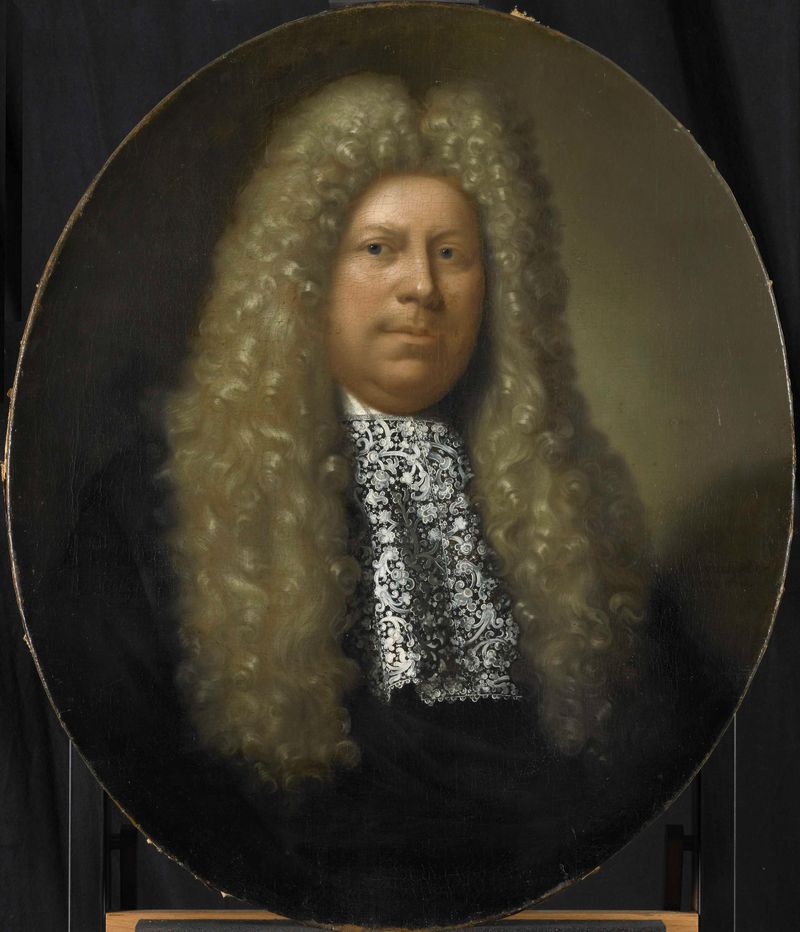
Portrait of Jacob Dane, Director of the Rotterdam Chamber of the Dutch East India Company, elected 1689
Pieter van der Werff
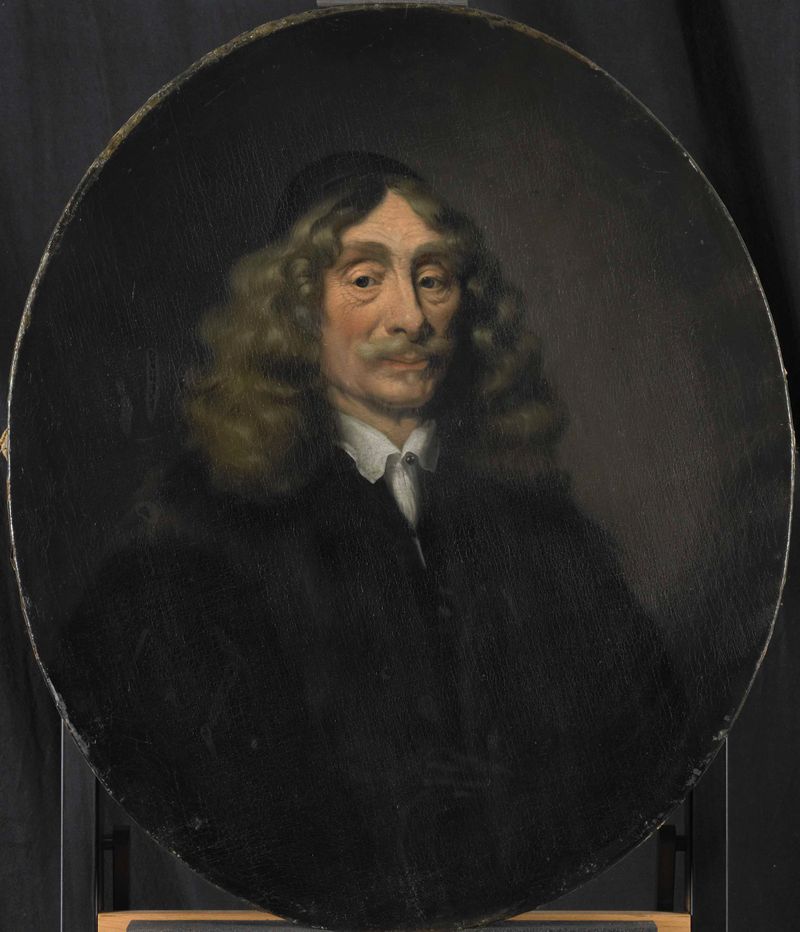
Portrait of Johan de Reus, Director of the Rotterdam Chamber of the Dutch East India Company, elected 1657
Pieter van der Werff
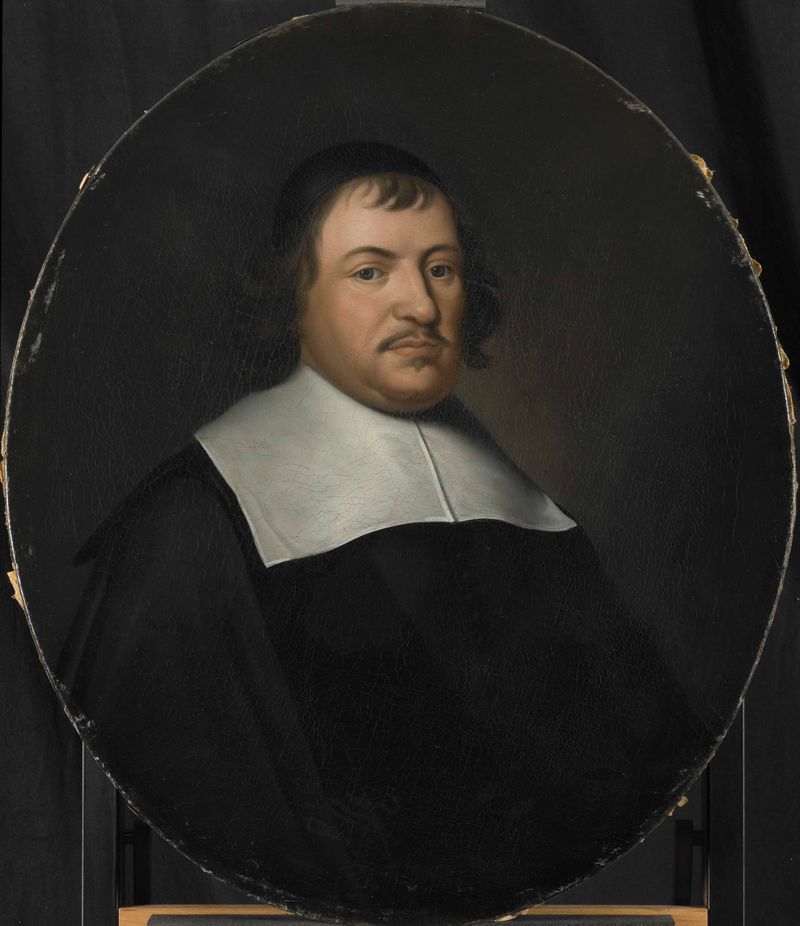
Portrait of Cornelis van den Bergh, Director of the Rotterdam Chamber of the Dutch East India Company, elected 1659
Pieter van der Werff
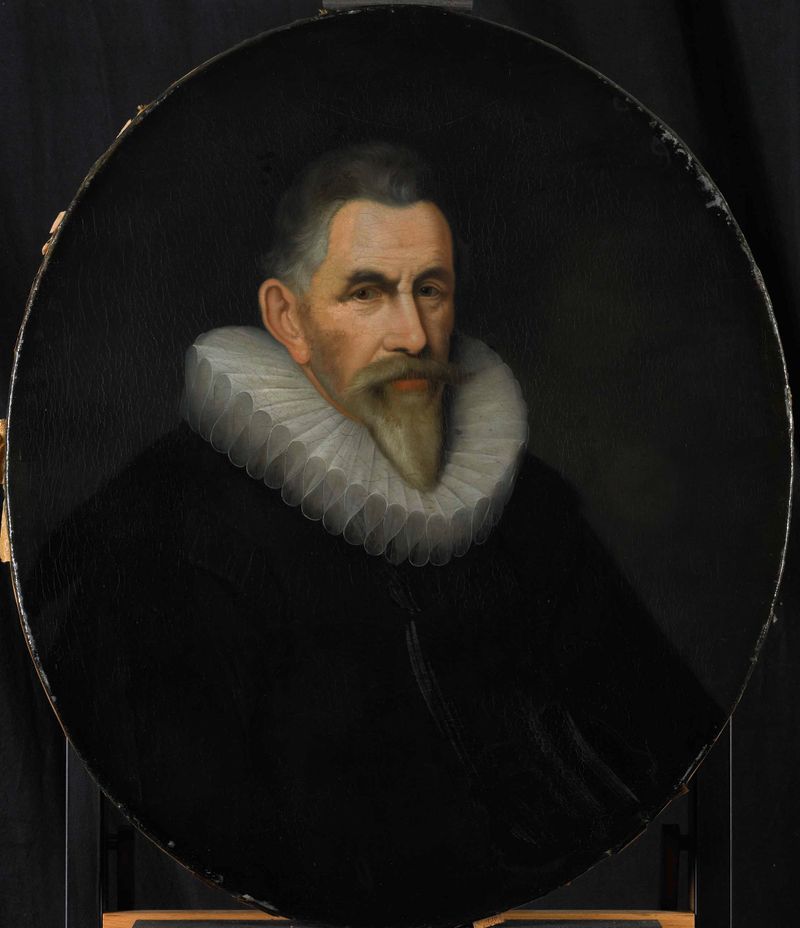
Portrait of Johan van der Veecque, Director of the Rotterdam Chamber of the Dutch East India Company, elected 1602
Pieter van der Werff
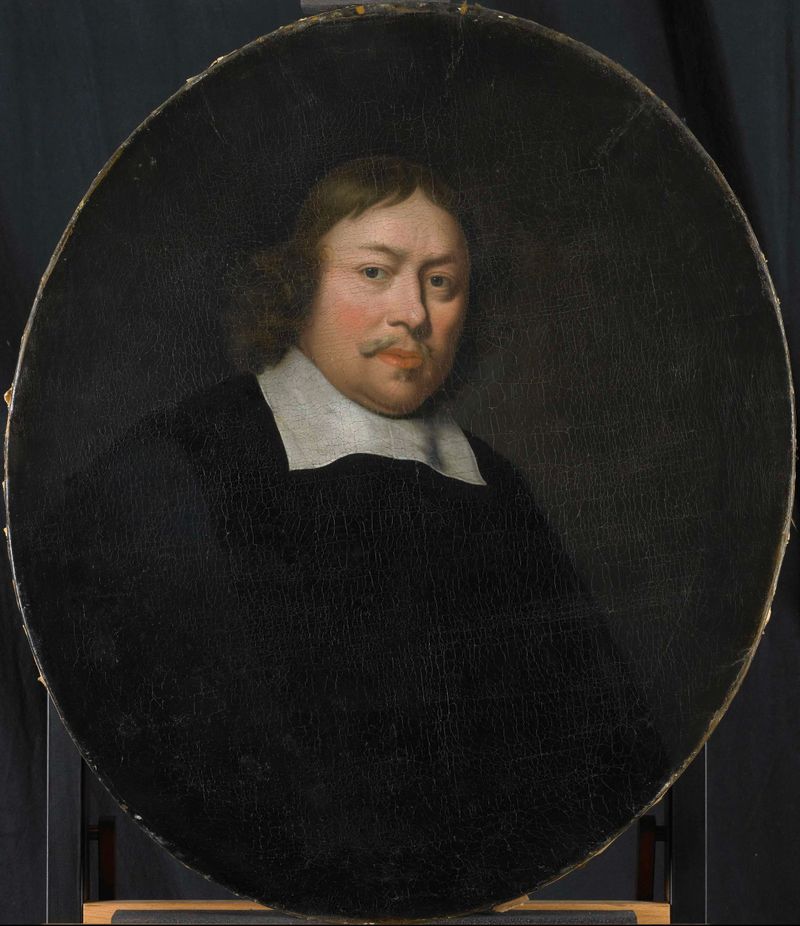
Portrait of Gerard van Bergen, Director of the Rotterdam Chamber of the Dutch East India Company, elected 1653
Pieter van der Werff
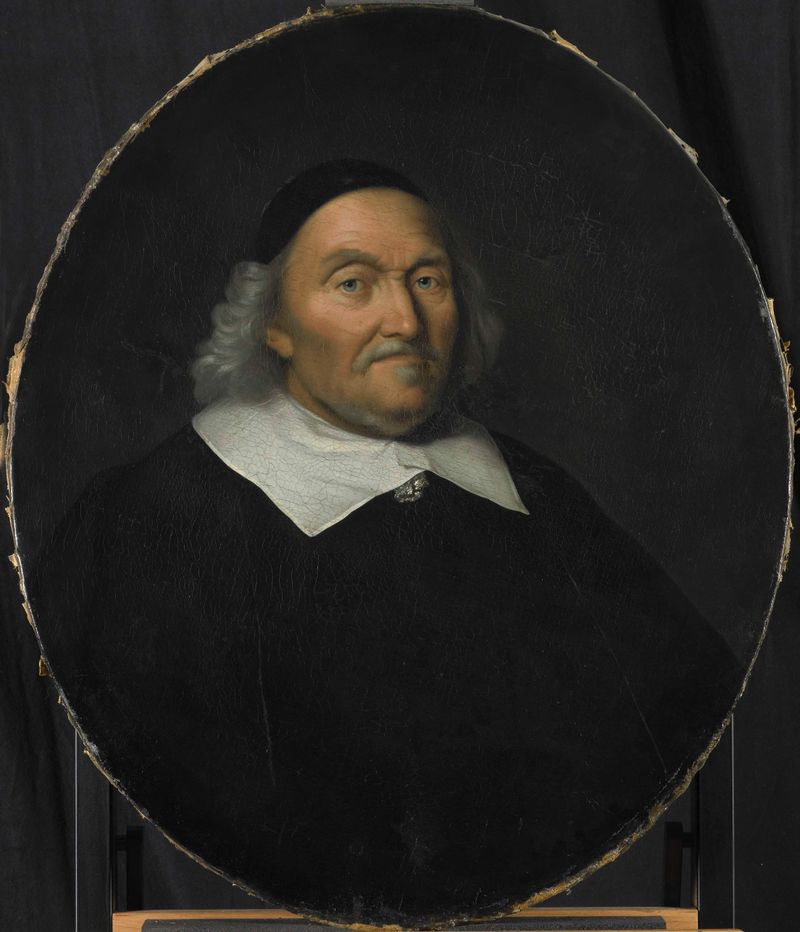
Portrait of Hendrik Nobel, Director of the Rotterdam Chamber of the Dutch East India Company, elected 1625
Pieter van der Werff
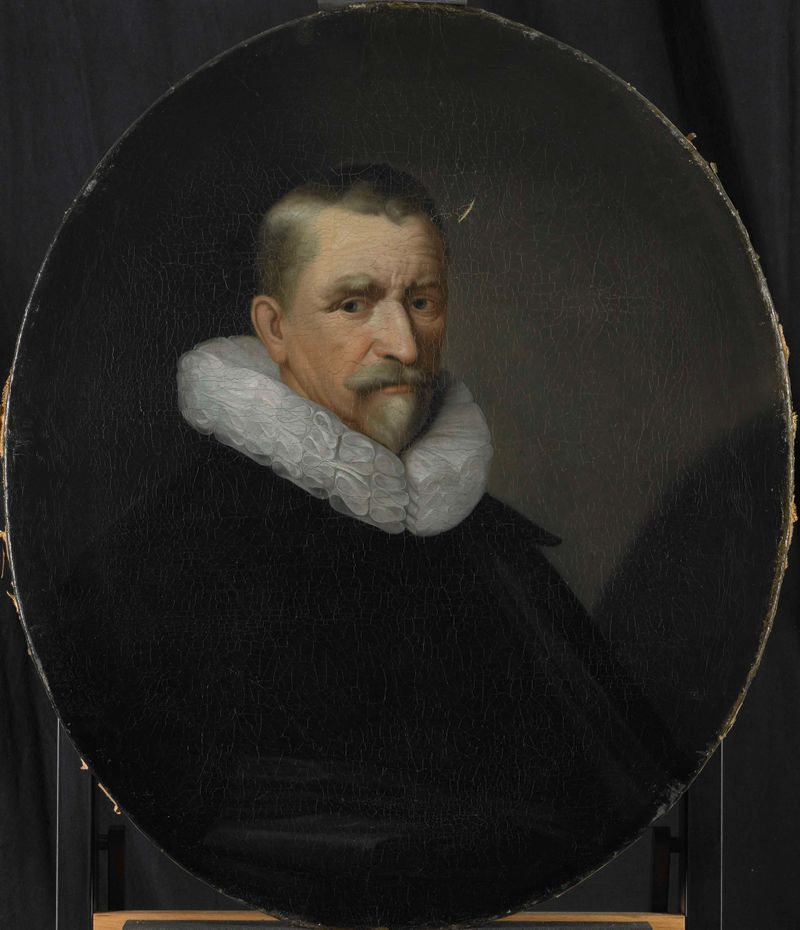
Portrait of Cornelis Jansz Hartigsvelt, Director of the Rotterdam Chamber of the Dutch East India Company, elected 1639
Pieter van der Werff
More Portrait Art
Browse all →
Las meninas
Diego Velázquez

Self-portrait with a Bandaged Ear and Pipe
Unidentified artist

Girl with a Pearl Earring
Johannes Vermeer

The Sampling Officials of the Amsterdam Drapers’ Guild, Known as ‘The Syndics’
Rembrandt van Rijn

The Hundred Guilder Print: the man seen on the back in the lower left corner
Rembrandt van Rijn

Portrait of Dr Gachet
Vincent van Gogh