
Portrait of Johan de Reus, Director of the Rotterdam Chamber of the Dutch East India Company, elected 1657 — History & Facts
When did color learn to lie? Every brushstroke in this portrait whispers secrets about obsession and power, spun into a tapestry of fabric and flesh, where the depths of human ambition are laid bare. Focus on the powerful gaze of the subject, Johan de Reus, which captivates the viewer immediately. His eyes, a piercing shade, seem to pierce through time, while the lavish attire adorned in rich reds and golds shimmers invitingly in the light. Notice how the play of shadow and illumination enhances the contours of his face, highlighting the meticulous details that reveal both authority and fragility.
The carefully crafted textures of his garments create a striking contrast against the smoothness of his skin, drawing you deeper into this complex interplay of status and vulnerability. As you delve further into the painting, consider the subtle undercurrents of obsession that ripple beneath the surface. The intricate lace near his collar stands as a symbol of wealth, yet also highlights the constricting nature of societal expectations. Behind him, the dark, undefined background obscures the context of his world, inviting speculation about what lies beyond the frame.
This tension invites reflection on the duality of success — the triumphs that are often underlined by deep-seated desires and relentless pursuit of status. Painted between 1695 and 1722, during a time of immense wealth and power for the Dutch East India Company, the artist captured not just a man but an entire ethos. As a prominent painter in Rotterdam, the artist’s work was shaped by the opulence of the period, reflecting both the splendor and the burdens that came with such fortunes. This portrait stands as a testament to his skill in portraying the human condition and the complex narratives we weave around power and ambition.
More Artworks by Pieter van der Werff
Browse all →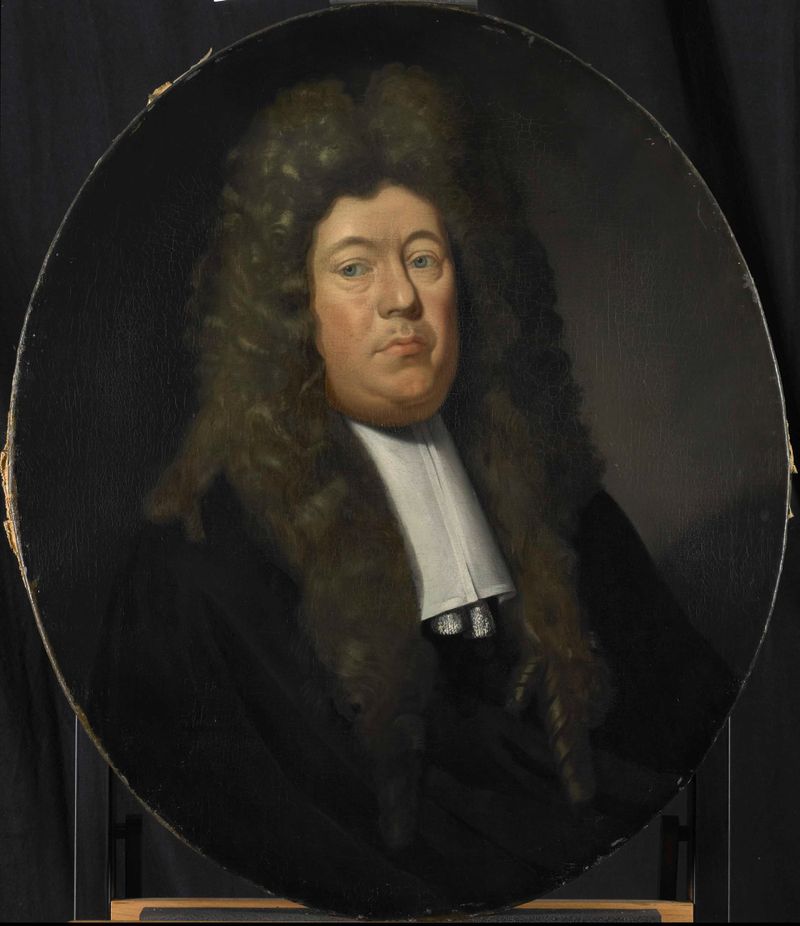
Portrait of Adriaen Paets, Director of the Rotterdam Chamber of the Dutch East India Company, elected 1668
Pieter van der Werff
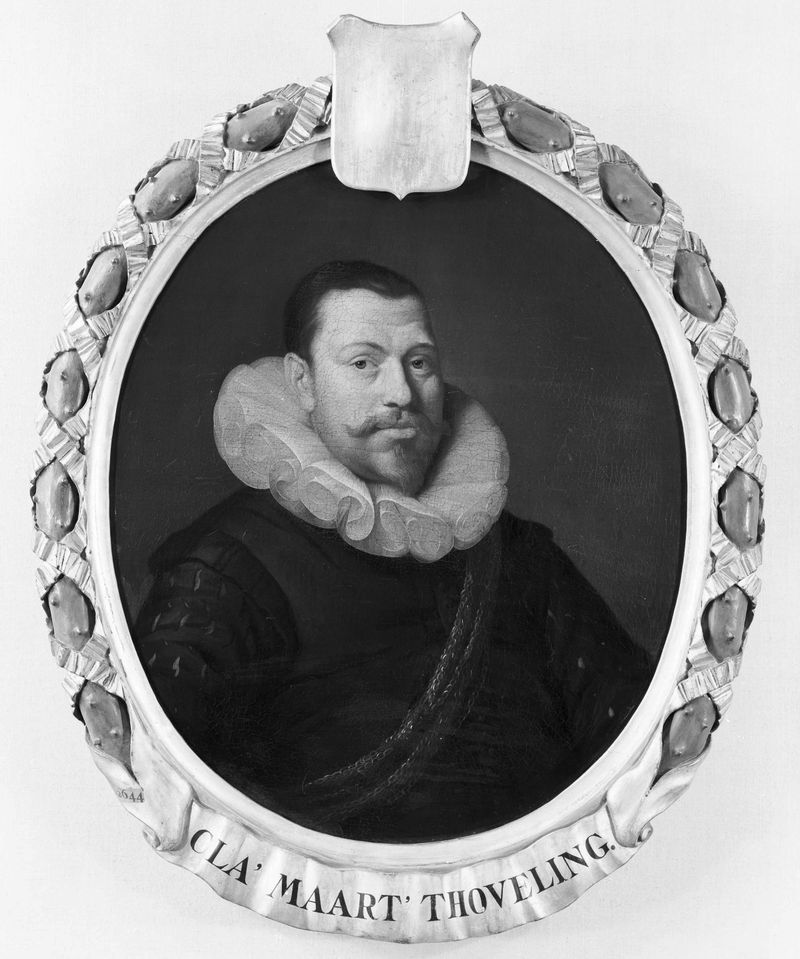
Portrait of Claes Maertensz Thoveling, Director of the Rotterdam Chamber of the Dutch East India Company, elected 1619
Pieter van der Werff
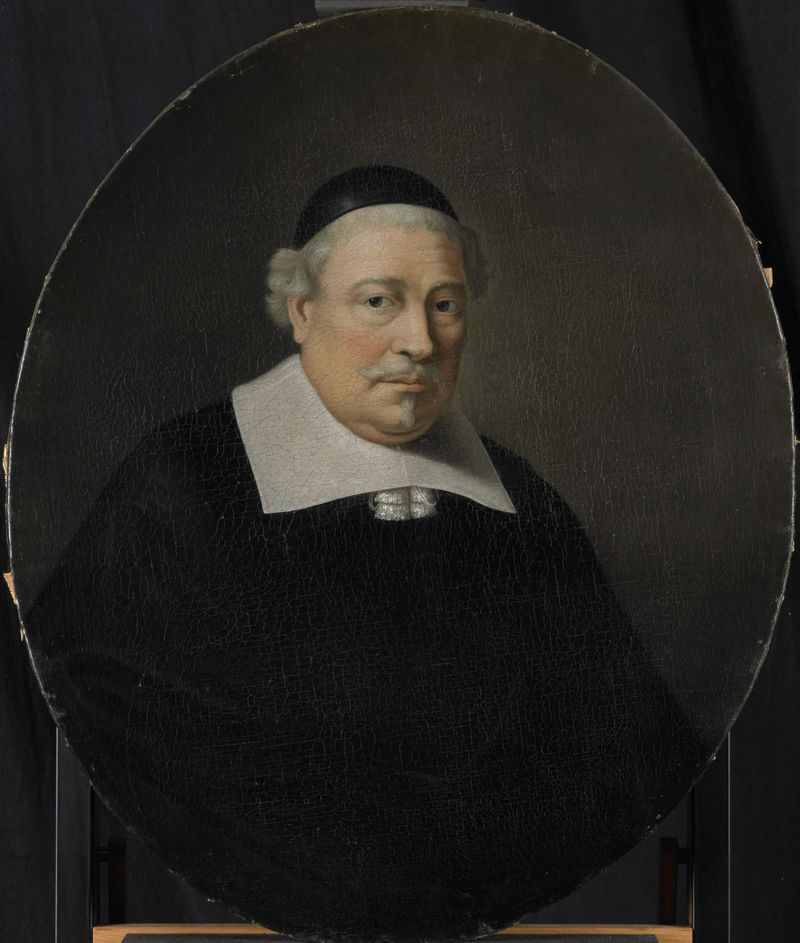
Portrait of Cornelis de Koningh, Director of the Rotterdam Chamber of the Dutch East India Company, elected 1649
Pieter van der Werff
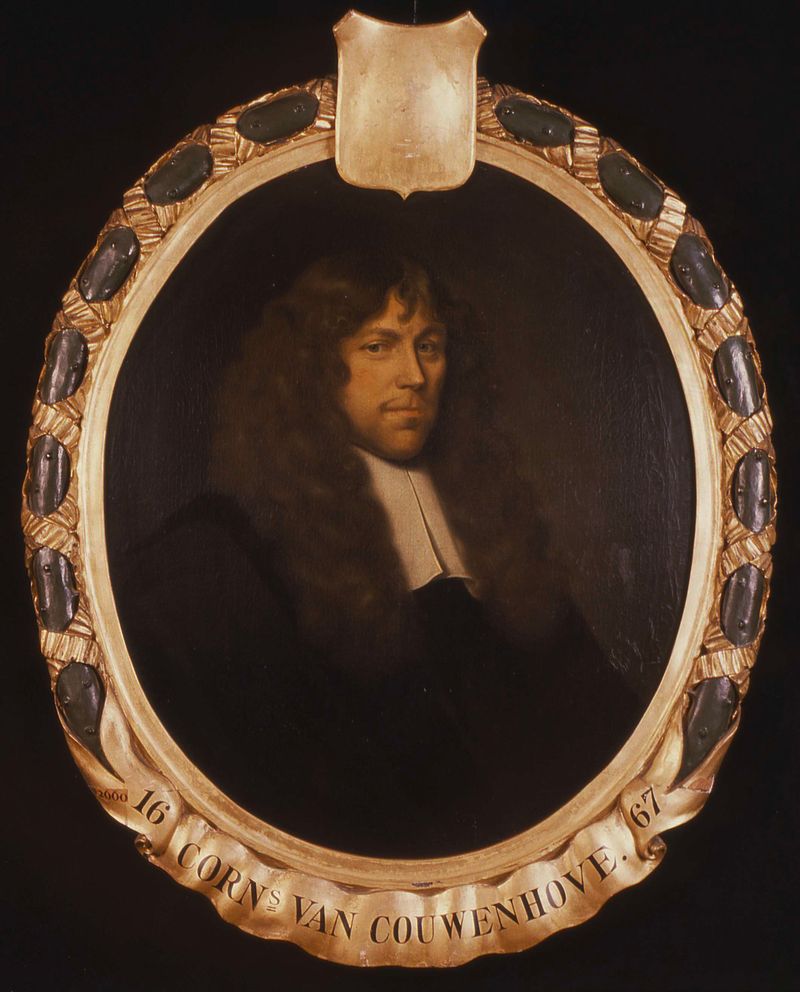
Portrait of Cornelis van Couwenhove, Director of the Rotterdam Chamber of the Dutch East India Company, elected 1667
Pieter van der Werff
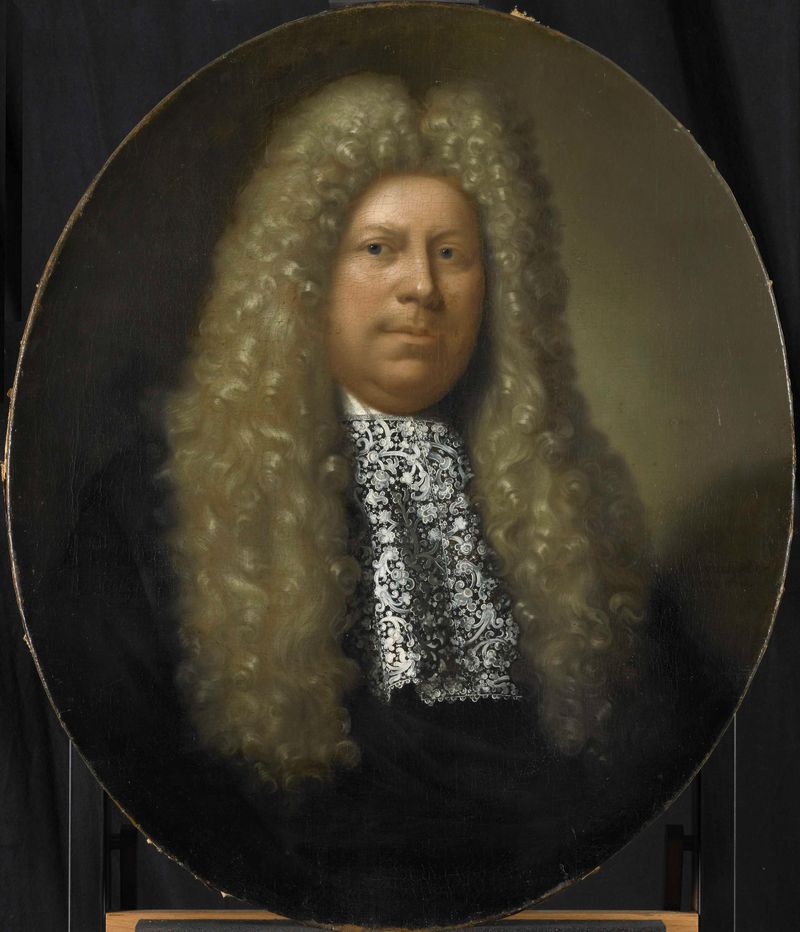
Portrait of Jacob Dane, Director of the Rotterdam Chamber of the Dutch East India Company, elected 1689
Pieter van der Werff
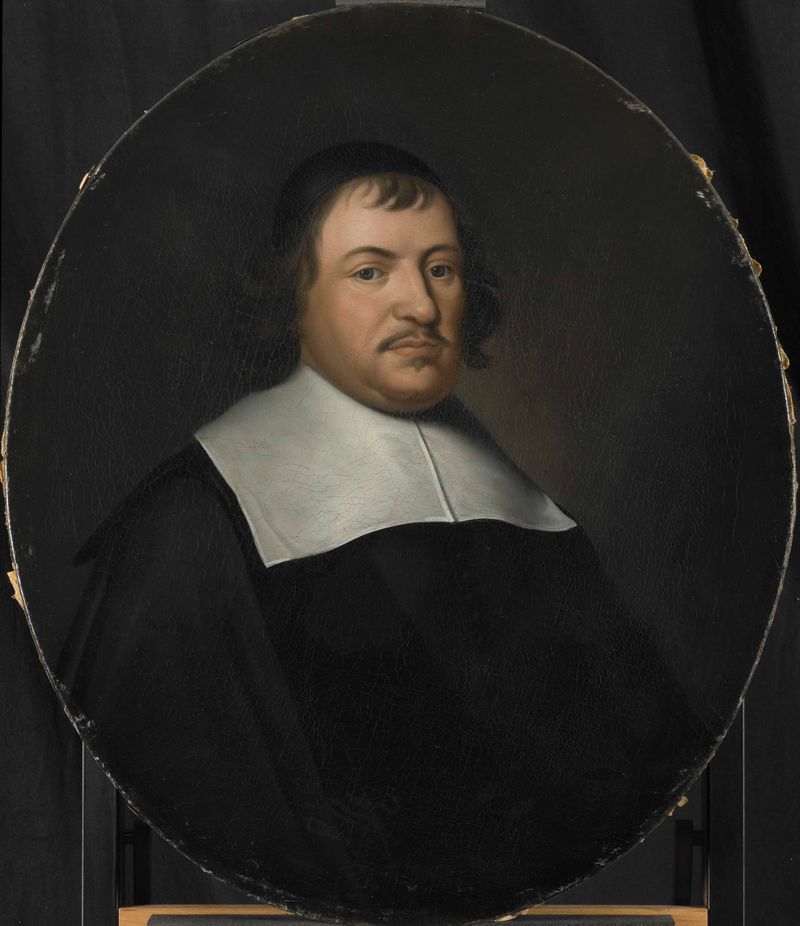
Portrait of Cornelis van den Bergh, Director of the Rotterdam Chamber of the Dutch East India Company, elected 1659
Pieter van der Werff
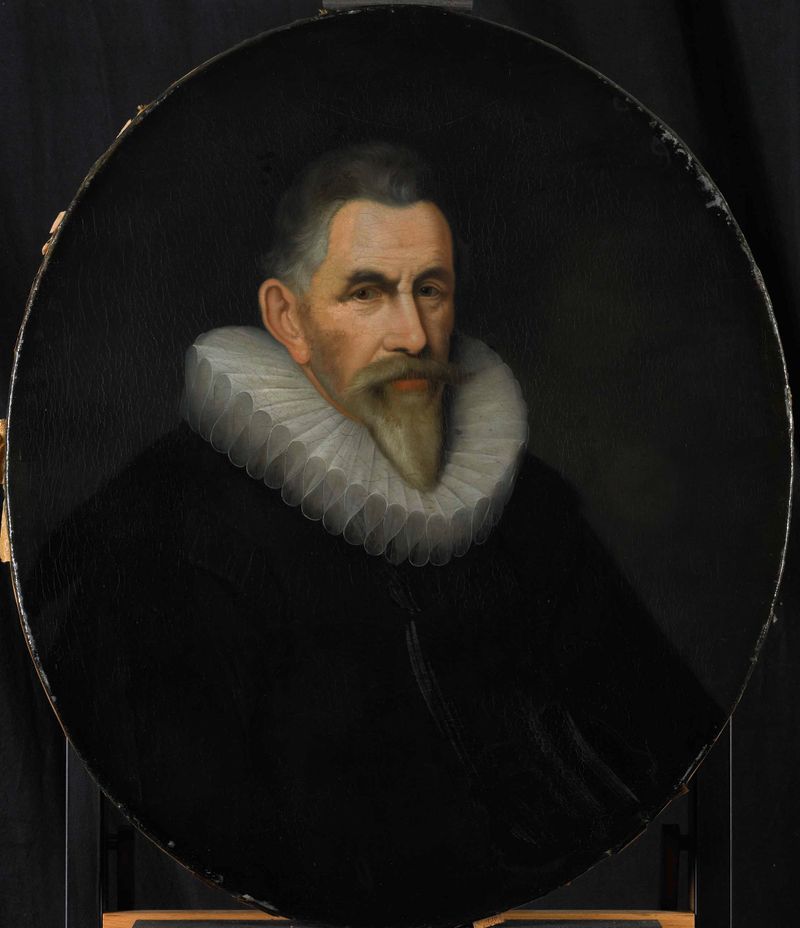
Portrait of Johan van der Veecque, Director of the Rotterdam Chamber of the Dutch East India Company, elected 1602
Pieter van der Werff
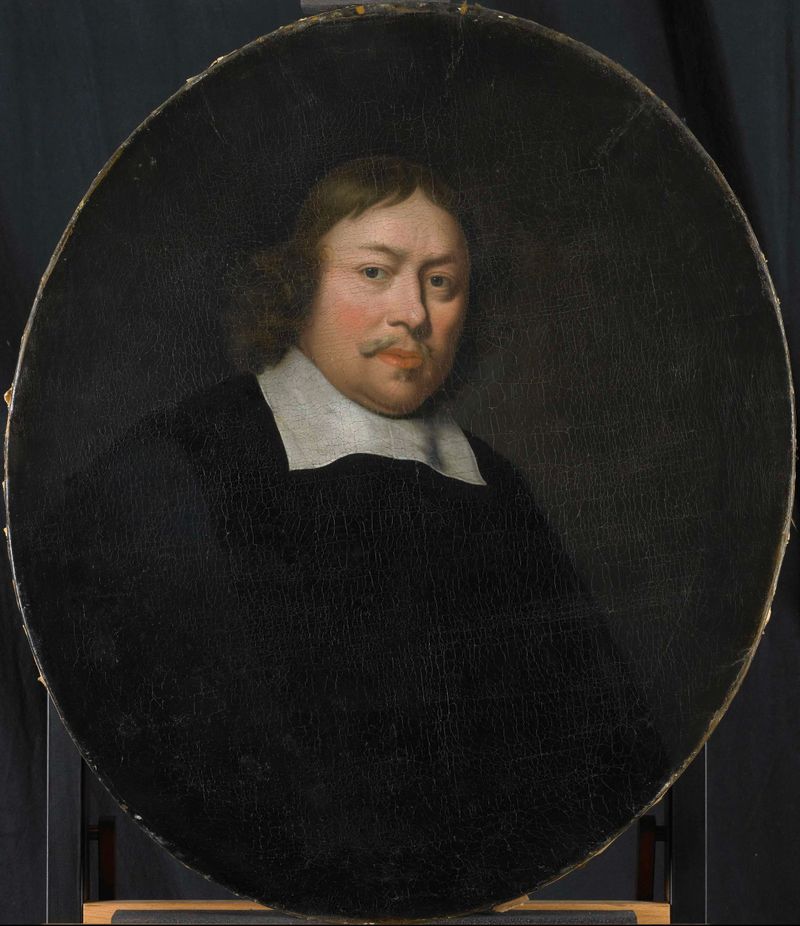
Portrait of Gerard van Bergen, Director of the Rotterdam Chamber of the Dutch East India Company, elected 1653
Pieter van der Werff
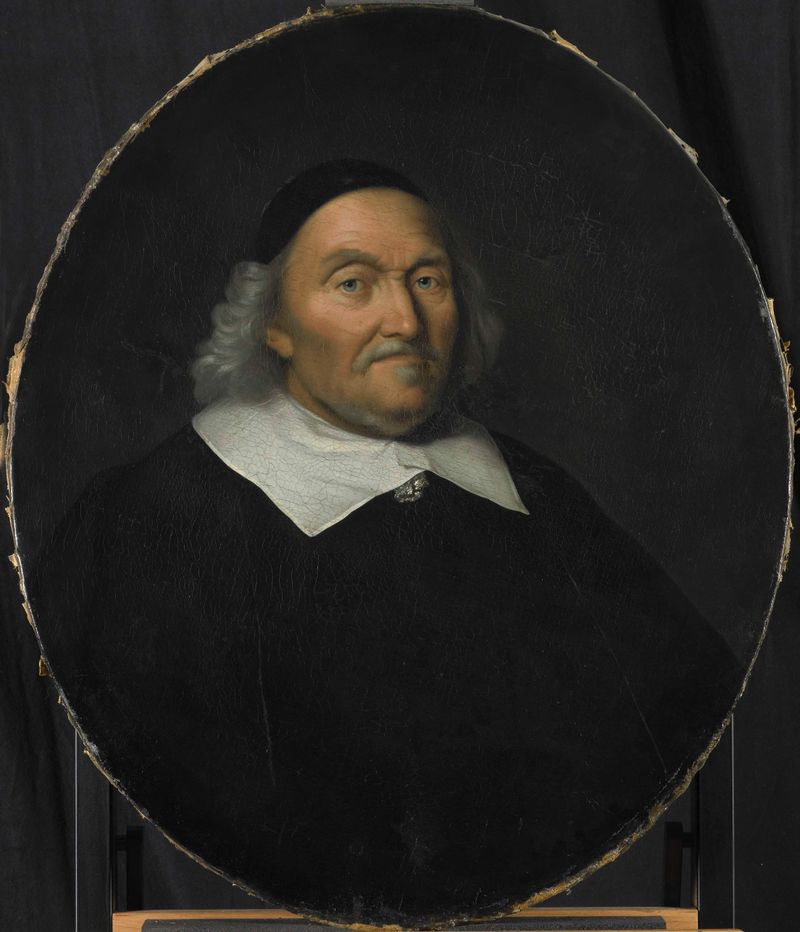
Portrait of Hendrik Nobel, Director of the Rotterdam Chamber of the Dutch East India Company, elected 1625
Pieter van der Werff
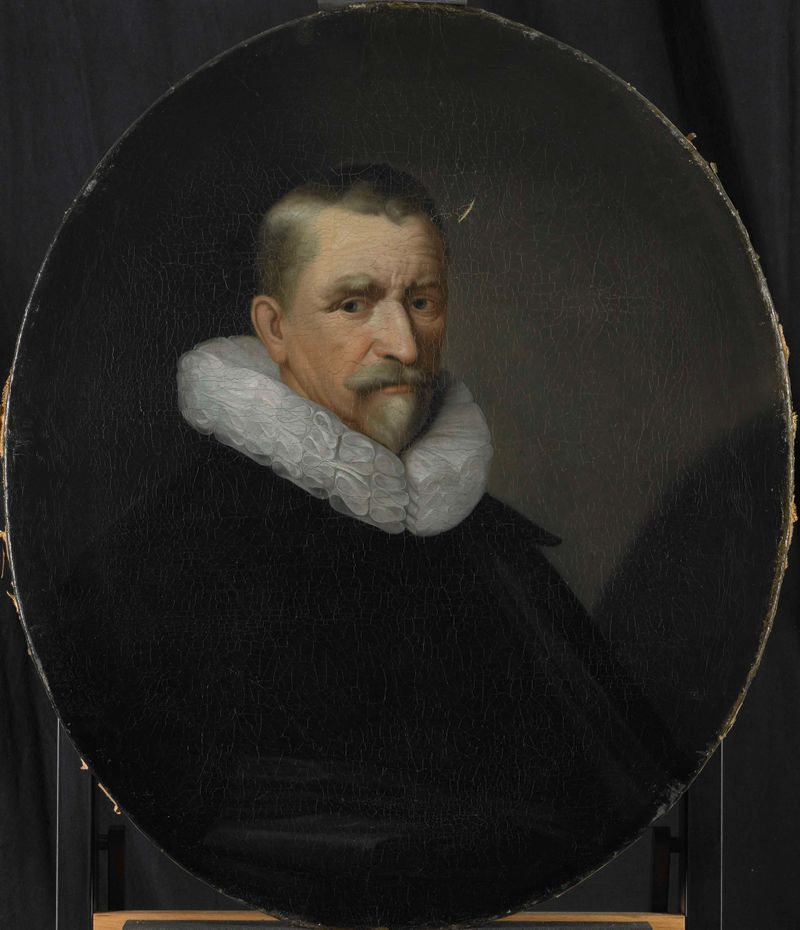
Portrait of Cornelis Jansz Hartigsvelt, Director of the Rotterdam Chamber of the Dutch East India Company, elected 1639
Pieter van der Werff
More Portrait Art
Browse all →
Las meninas
Diego Velázquez

Self-portrait with a Bandaged Ear and Pipe
Unidentified artist

Girl with a Pearl Earring
Johannes Vermeer

The Sampling Officials of the Amsterdam Drapers’ Guild, Known as ‘The Syndics’
Rembrandt van Rijn

The Hundred Guilder Print: the man seen on the back in the lower left corner
Rembrandt van Rijn

Portrait of Dr Gachet
Vincent van Gogh