
Portrait of Cornelis de Koningh, Director of the Rotterdam Chamber of the Dutch East India Company, elected 1649 — History & Facts
Did the painter know this moment would outlive them? In the stillness of a portrait, a world unfolds — one of power, legacy, and the silent weight of history. Look closely at the figure, Cornelis de Koningh, meticulously rendered in deep, rich tones that echo the gravitas of his station. The artist uses a muted palette, with hints of gold that draw the eye toward the subject’s ornate attire and the intricate details of his ruff. Notice how the soft light bathes his face, illuminating the thoughtful expression that suggests both confidence and introspection.
Each brushstroke conveys a sense of stillness, capturing the essence of a man poised within the ambitious world of the Dutch East India Company. Delve into the subtleties of his gaze, which seems to hold secrets of trade routes and distant lands, embodying the duality of power and vulnerability. The background, dark and unobtrusive, enhances the figure's prominence while symbolizing the shadows of ambition that loom behind every successful venture. Cornelis's hands, resting calmly on the table, echo a promise of stability yet reflect the weight of decision-making that shaped nations.
This interplay of light and shadow speaks to the broader tensions of the era: the pursuit of wealth against the cost of human experience. Pieter van der Werff painted this significant portrait between 1695 and 1722, a time when he was recognized for his meticulous detail and historical accuracy. Living in the Netherlands, an epicenter of trade and art, he navigated the complexities of a flourishing but turbulent period in European history. The artist’s work not only captured the likeness of influential figures like de Koningh but also reflected the shifting cultural landscape that defined the age of exploration and commerce.
More Artworks by Pieter van der Werff
Browse all →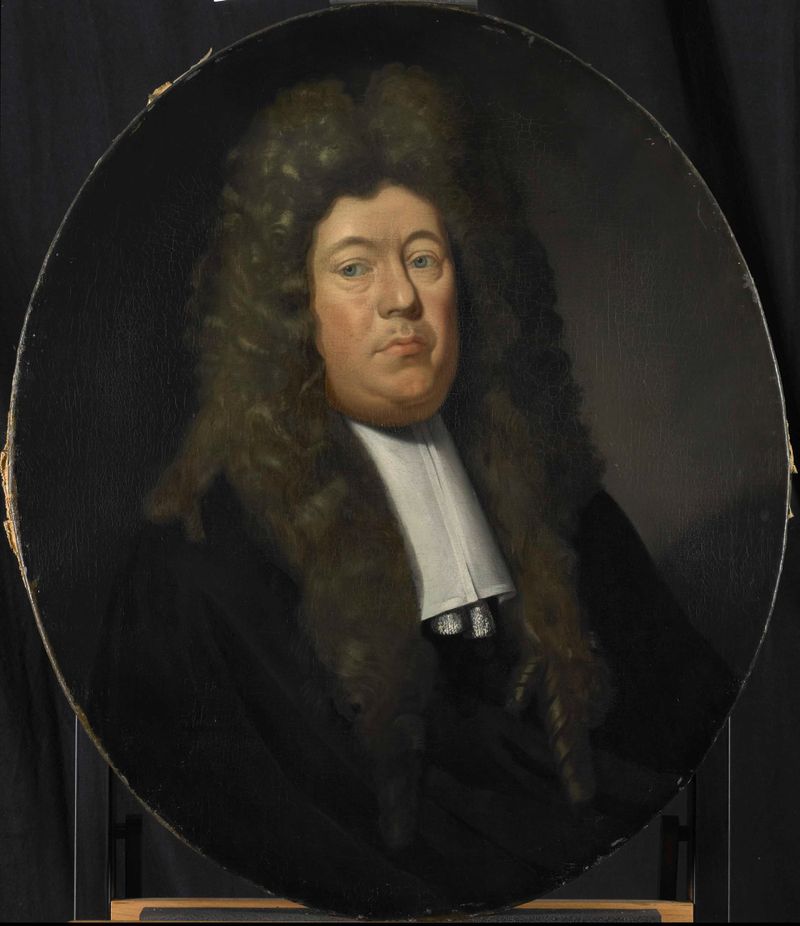
Portrait of Adriaen Paets, Director of the Rotterdam Chamber of the Dutch East India Company, elected 1668
Pieter van der Werff
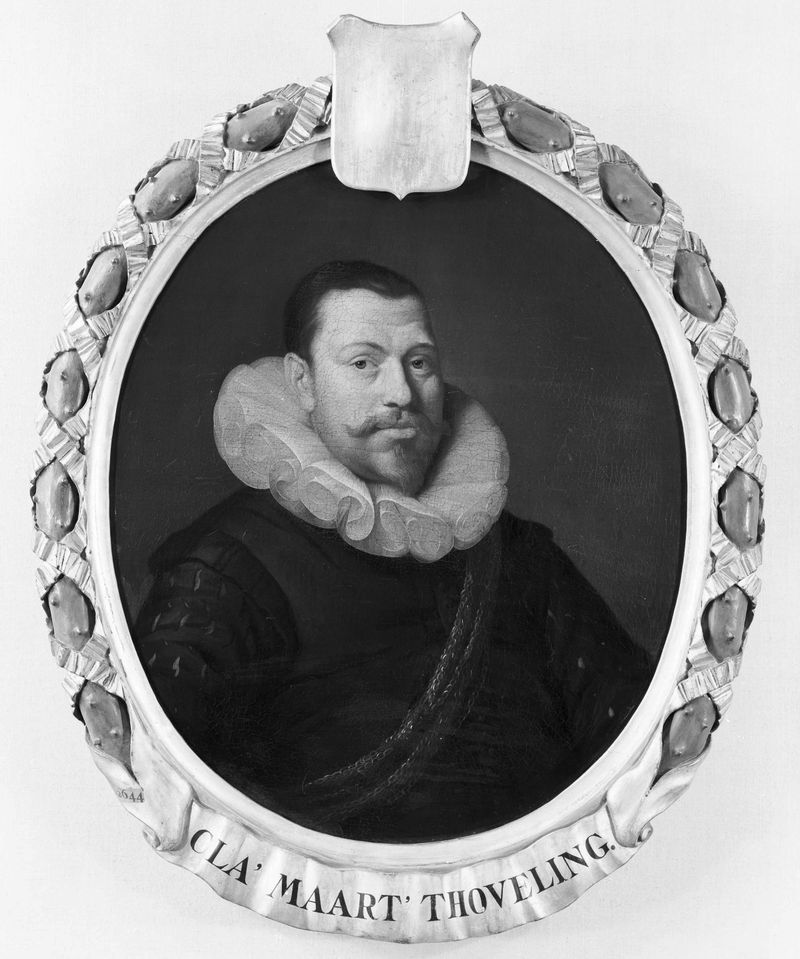
Portrait of Claes Maertensz Thoveling, Director of the Rotterdam Chamber of the Dutch East India Company, elected 1619
Pieter van der Werff
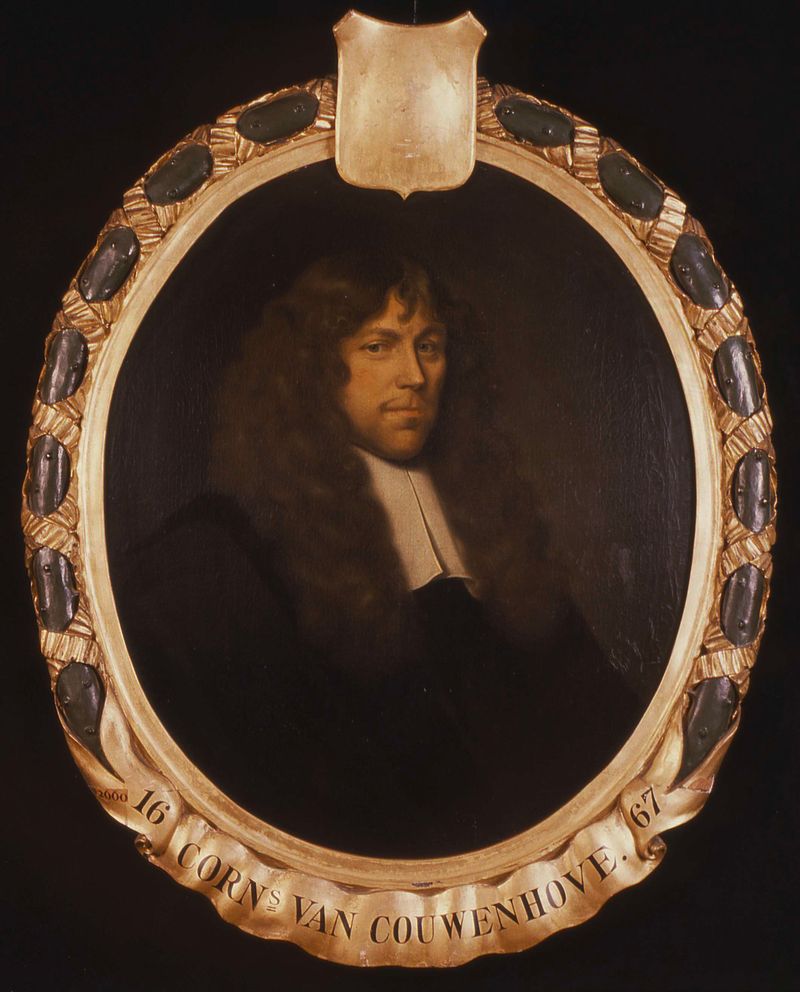
Portrait of Cornelis van Couwenhove, Director of the Rotterdam Chamber of the Dutch East India Company, elected 1667
Pieter van der Werff
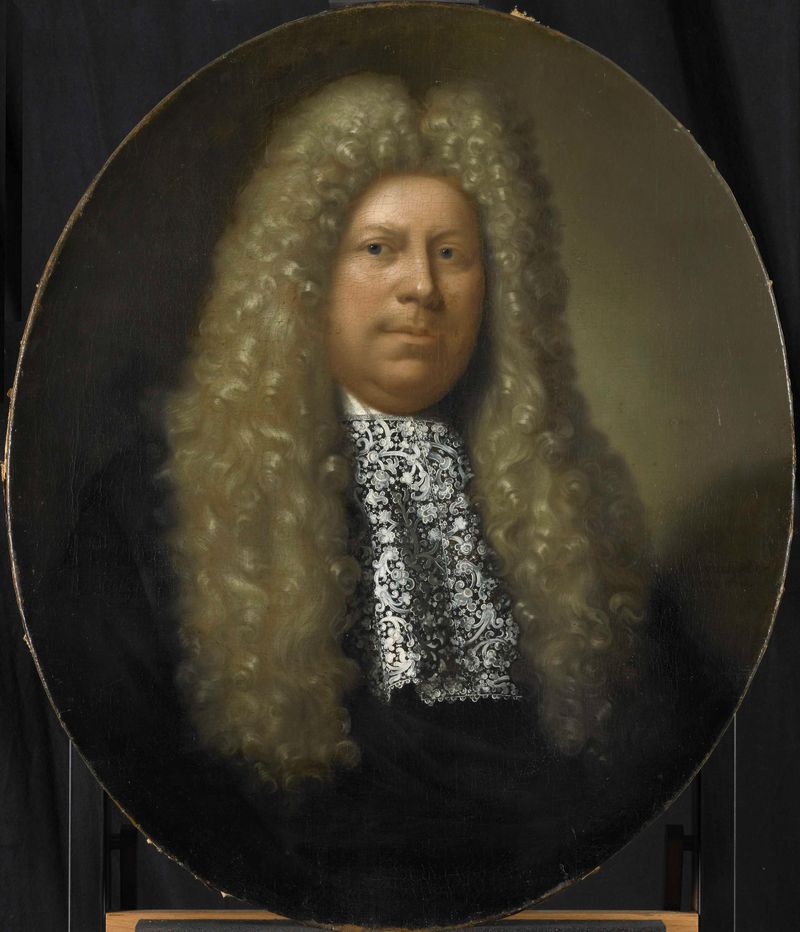
Portrait of Jacob Dane, Director of the Rotterdam Chamber of the Dutch East India Company, elected 1689
Pieter van der Werff
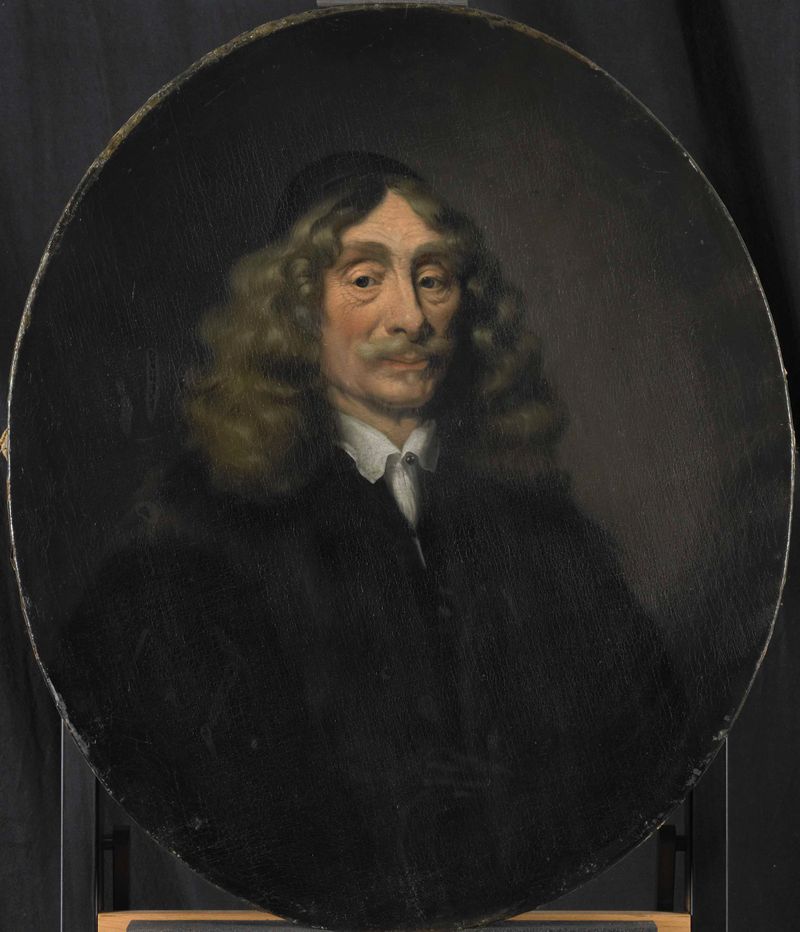
Portrait of Johan de Reus, Director of the Rotterdam Chamber of the Dutch East India Company, elected 1657
Pieter van der Werff
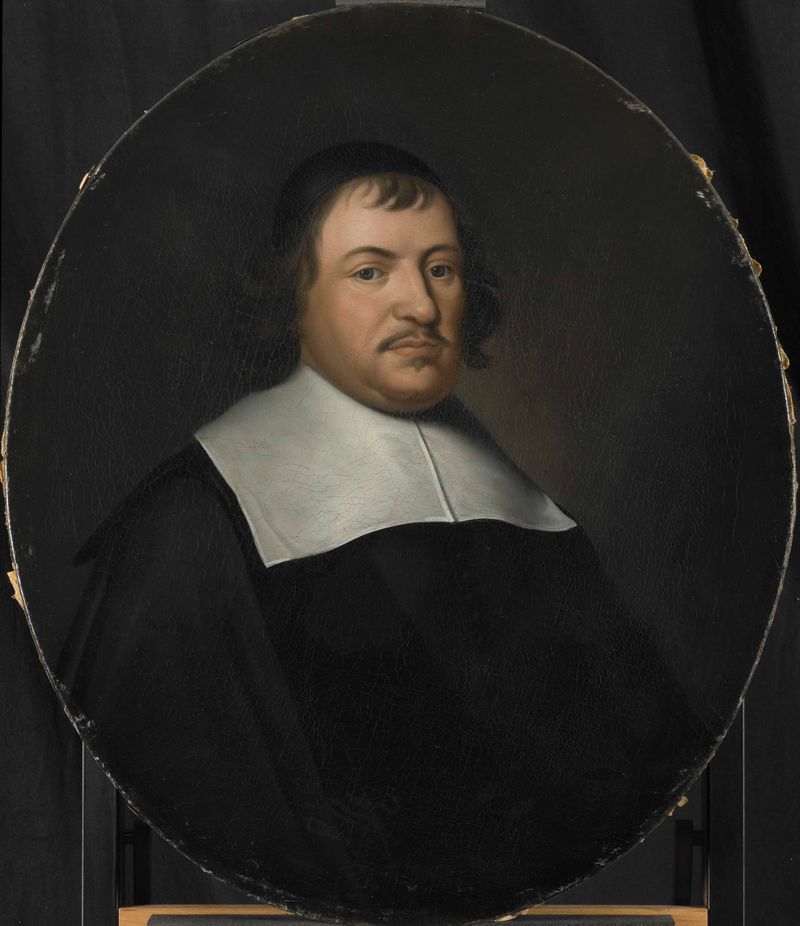
Portrait of Cornelis van den Bergh, Director of the Rotterdam Chamber of the Dutch East India Company, elected 1659
Pieter van der Werff
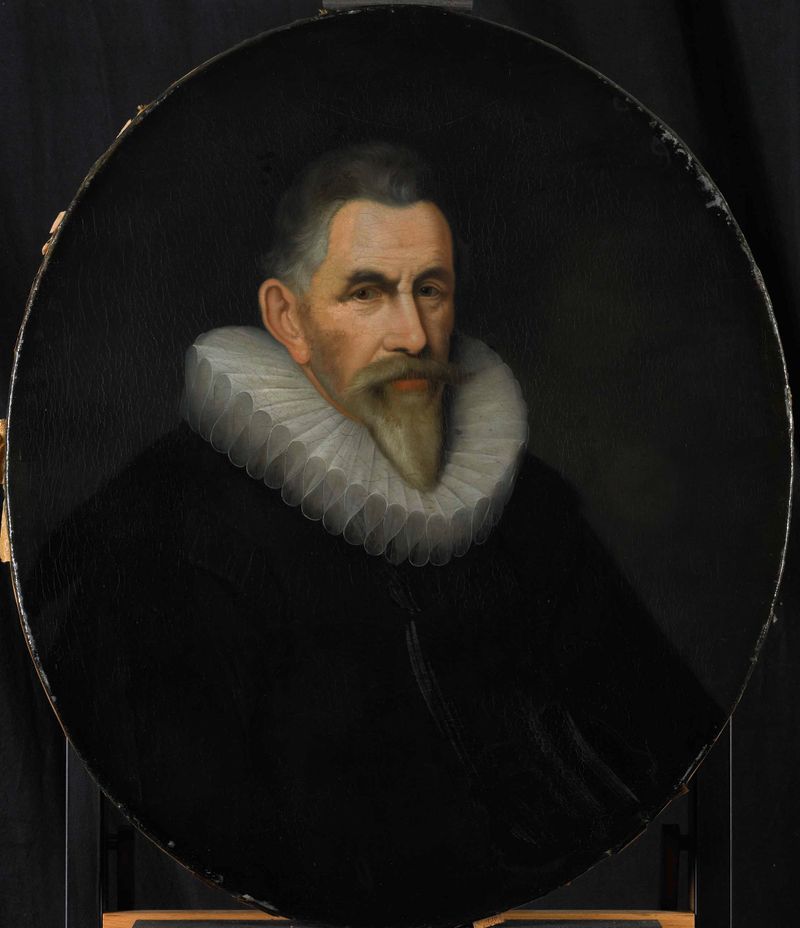
Portrait of Johan van der Veecque, Director of the Rotterdam Chamber of the Dutch East India Company, elected 1602
Pieter van der Werff
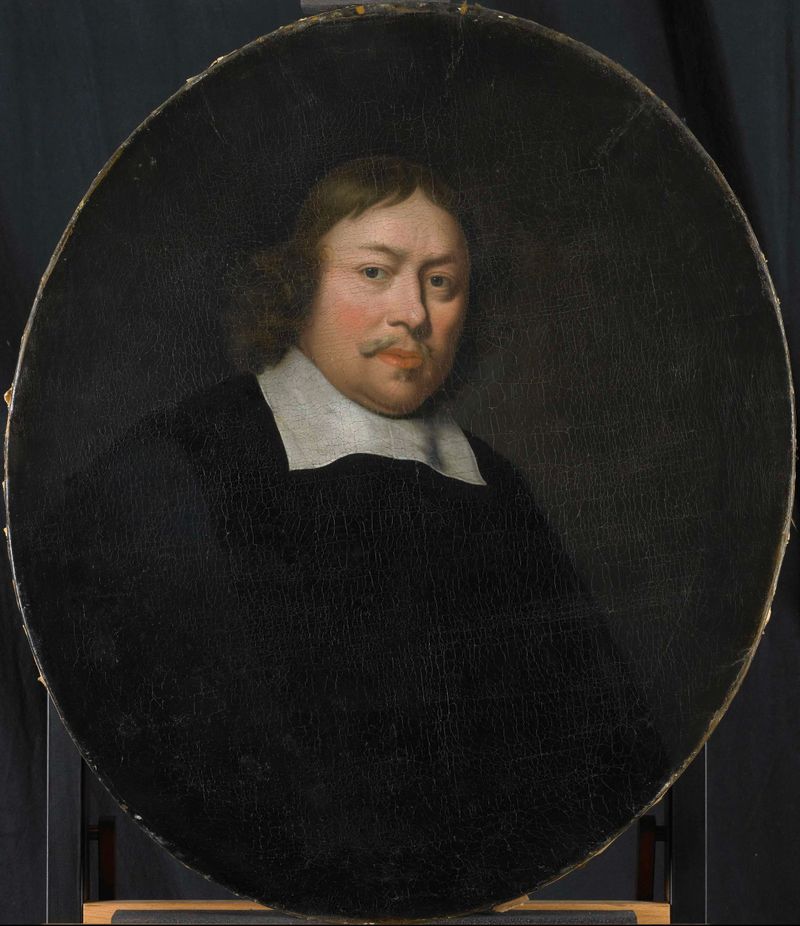
Portrait of Gerard van Bergen, Director of the Rotterdam Chamber of the Dutch East India Company, elected 1653
Pieter van der Werff
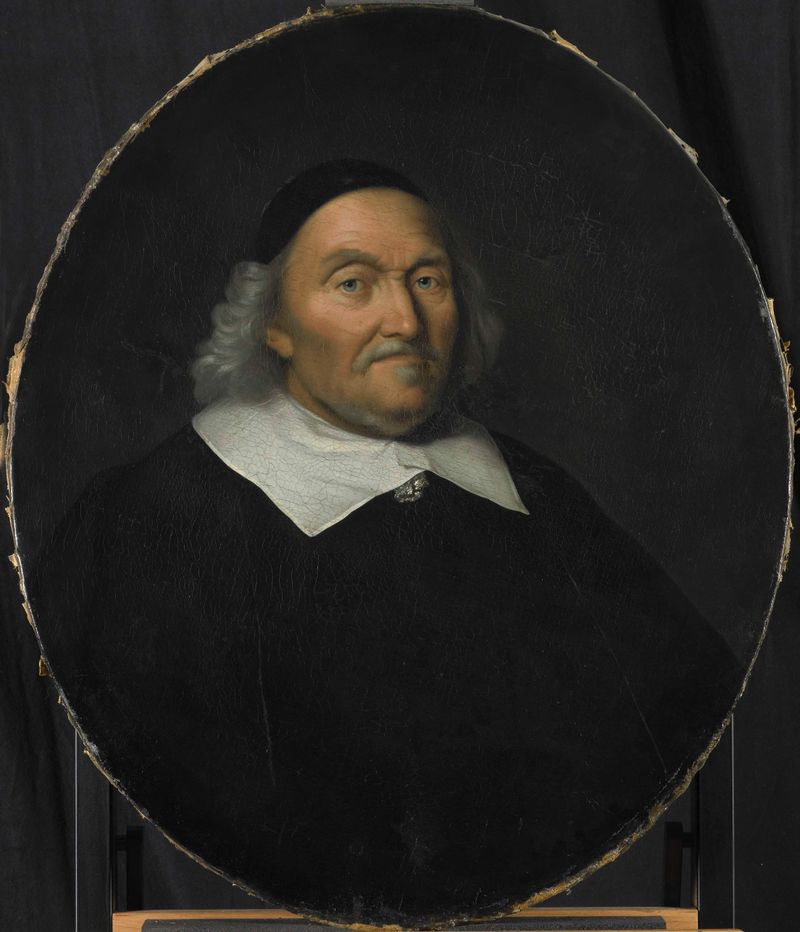
Portrait of Hendrik Nobel, Director of the Rotterdam Chamber of the Dutch East India Company, elected 1625
Pieter van der Werff
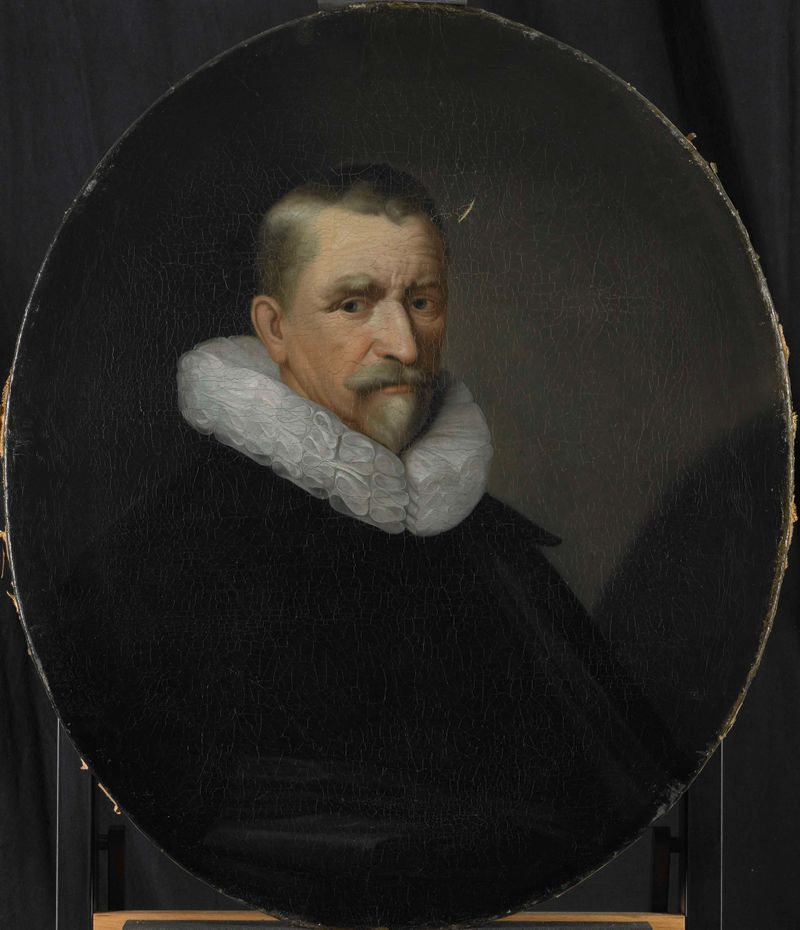
Portrait of Cornelis Jansz Hartigsvelt, Director of the Rotterdam Chamber of the Dutch East India Company, elected 1639
Pieter van der Werff
More Portrait Art
Browse all →
Las meninas
Diego Velázquez

Self-portrait with a Bandaged Ear and Pipe
Unidentified artist

Girl with a Pearl Earring
Johannes Vermeer

The Sampling Officials of the Amsterdam Drapers’ Guild, Known as ‘The Syndics’
Rembrandt van Rijn

The Hundred Guilder Print: the man seen on the back in the lower left corner
Rembrandt van Rijn

Portrait of Dr Gachet
Vincent van Gogh