
Portrait of Cornelis van den Bergh, Director of the Rotterdam Chamber of the Dutch East India Company, elected 1659 — History & Facts
Could a single brushstroke hold eternity? In the stillness of Portrait of Cornelis van den Bergh, the weight of history hangs palpably, whispering tales of ambition and power, but also of violence concealed beneath the surface. Look to the left at the figure of Cornelis van den Bergh, impeccably dressed in opulent dark fabrics that contrast sharply with the vibrant, yet muted background. Notice how the light falls upon his stern face, illuminating a brow furrowed with the burdens of leadership. The meticulous attention to detail in his lace collar and the subtle play of shadow enhance the gravity of his presence, creating a striking focal point that draws the viewer into an intimate exchange with the subject. Yet beneath the surface of his dignified exterior lies an undercurrent of turmoil.
The poised elegance of his posture betrays an unsettling tension, as if he is caught in the crossfire of his own ambitions and the violent realities of mercantile power. The artist captures this duality through the rich, brooding colors and the solemn expression, leaving the viewer to ponder the darker implications of his role in the Dutch East India Company. Each brushstroke, laden with historical weight, evokes a reflection on the true cost of progress. Pieter van der Werff painted Portrait of Cornelis van den Bergh during a flourishing period for the Dutch art scene, around the early 18th century.
At that time, the artist was heavily influenced by the ideals of the Golden Age, while also grappling with his own declining health. The burgeoning trade and expansionist policies of the Dutch East India Company coexisted with deepening societal divides, creating an environment ripe for reflection in his portraits of the powerful elite.
More Artworks by Pieter van der Werff
Browse all →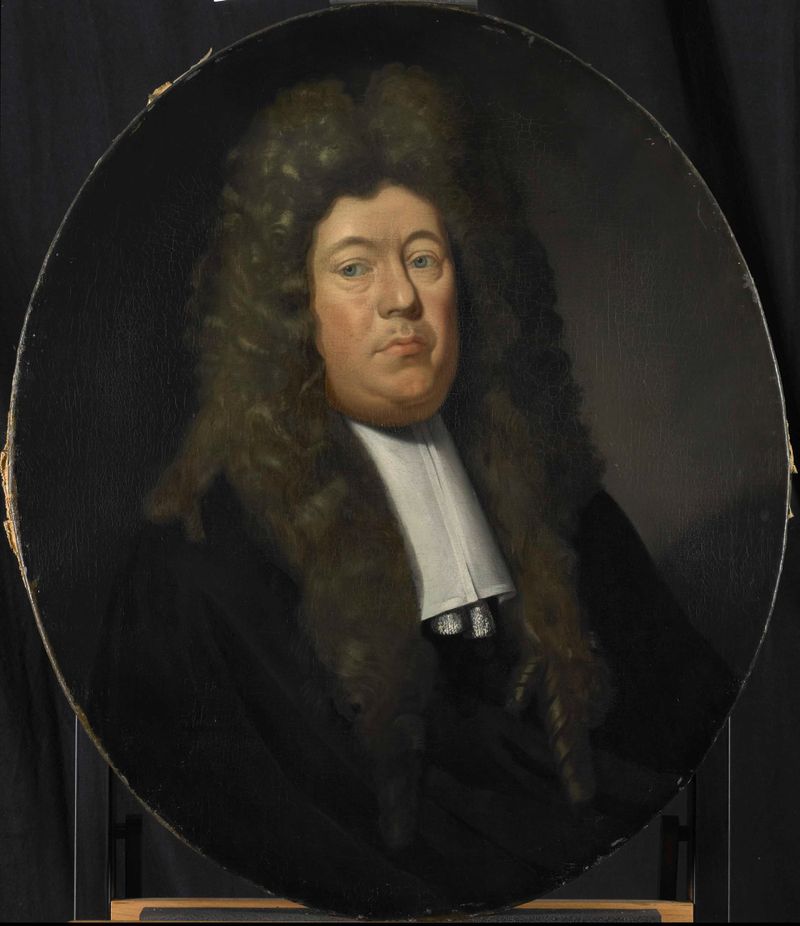
Portrait of Adriaen Paets, Director of the Rotterdam Chamber of the Dutch East India Company, elected 1668
Pieter van der Werff
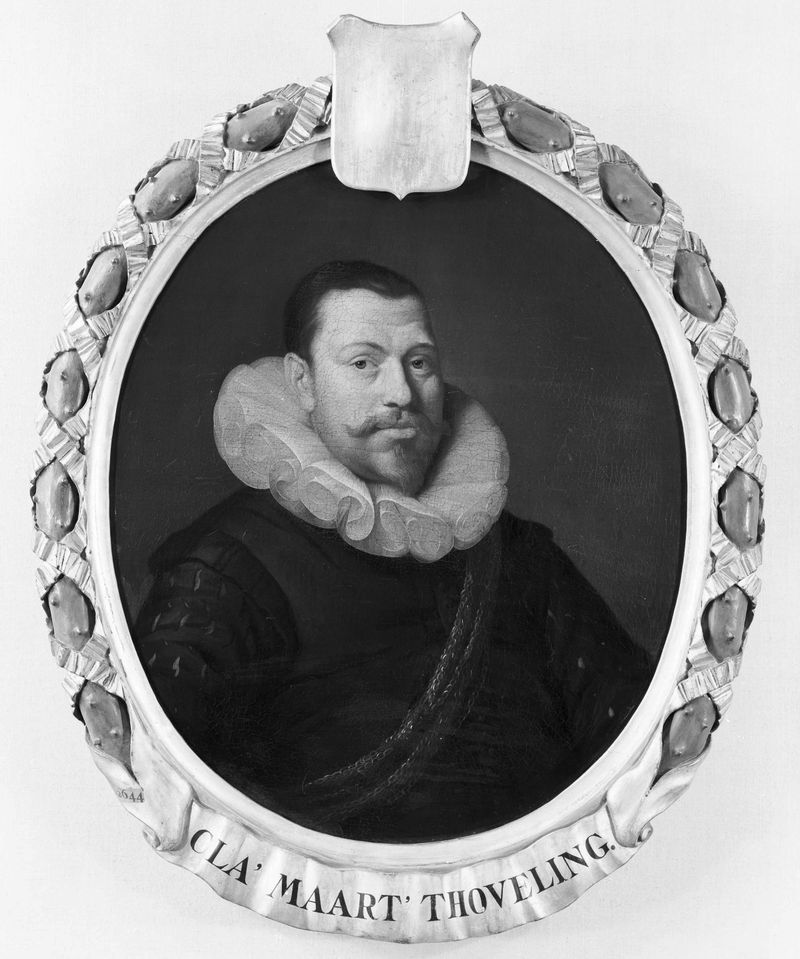
Portrait of Claes Maertensz Thoveling, Director of the Rotterdam Chamber of the Dutch East India Company, elected 1619
Pieter van der Werff
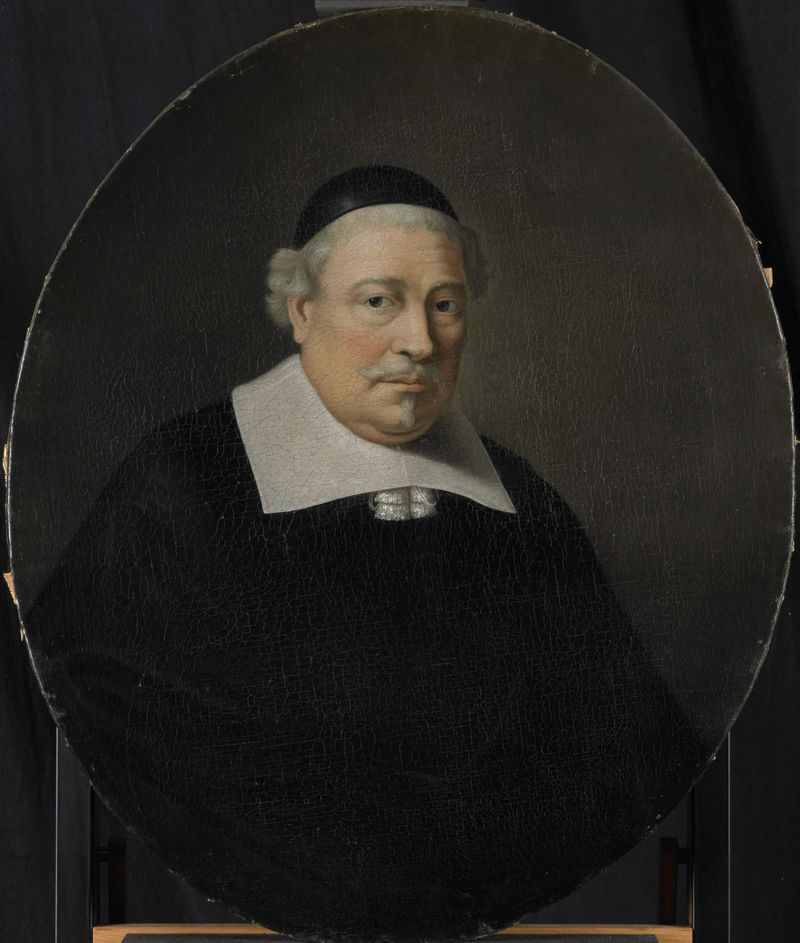
Portrait of Cornelis de Koningh, Director of the Rotterdam Chamber of the Dutch East India Company, elected 1649
Pieter van der Werff
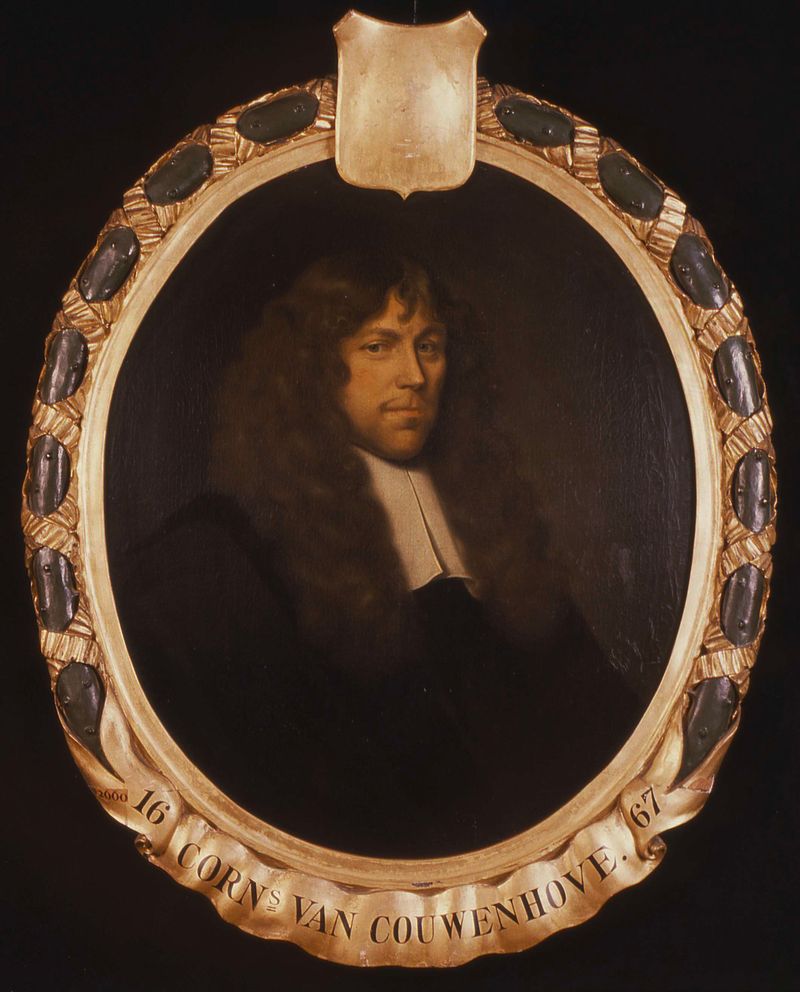
Portrait of Cornelis van Couwenhove, Director of the Rotterdam Chamber of the Dutch East India Company, elected 1667
Pieter van der Werff
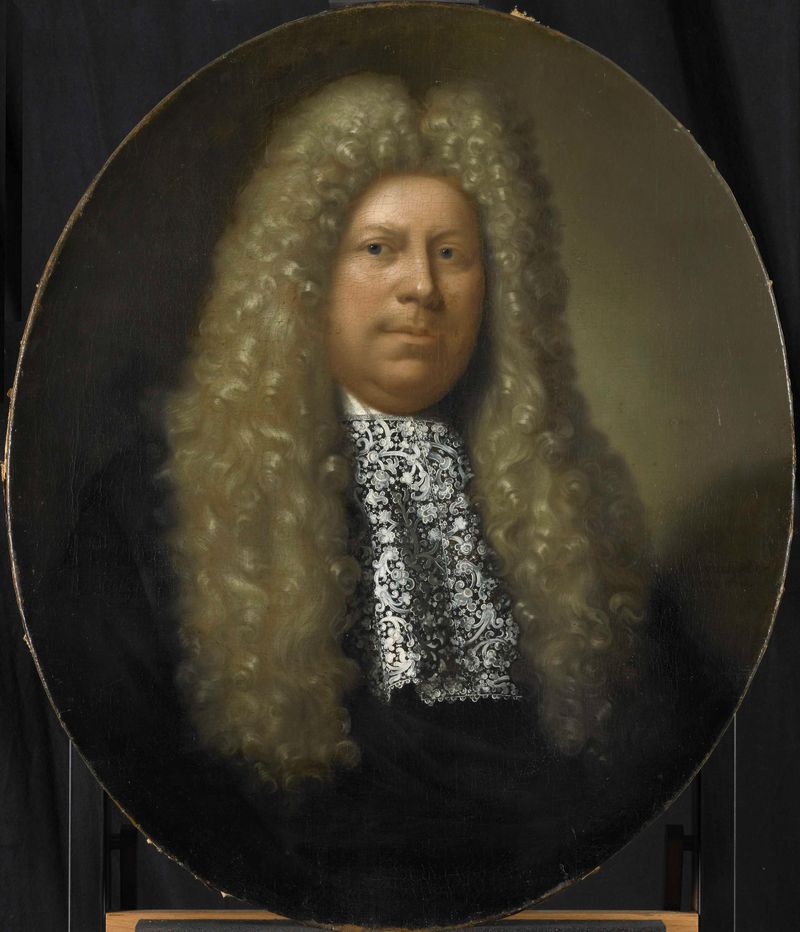
Portrait of Jacob Dane, Director of the Rotterdam Chamber of the Dutch East India Company, elected 1689
Pieter van der Werff
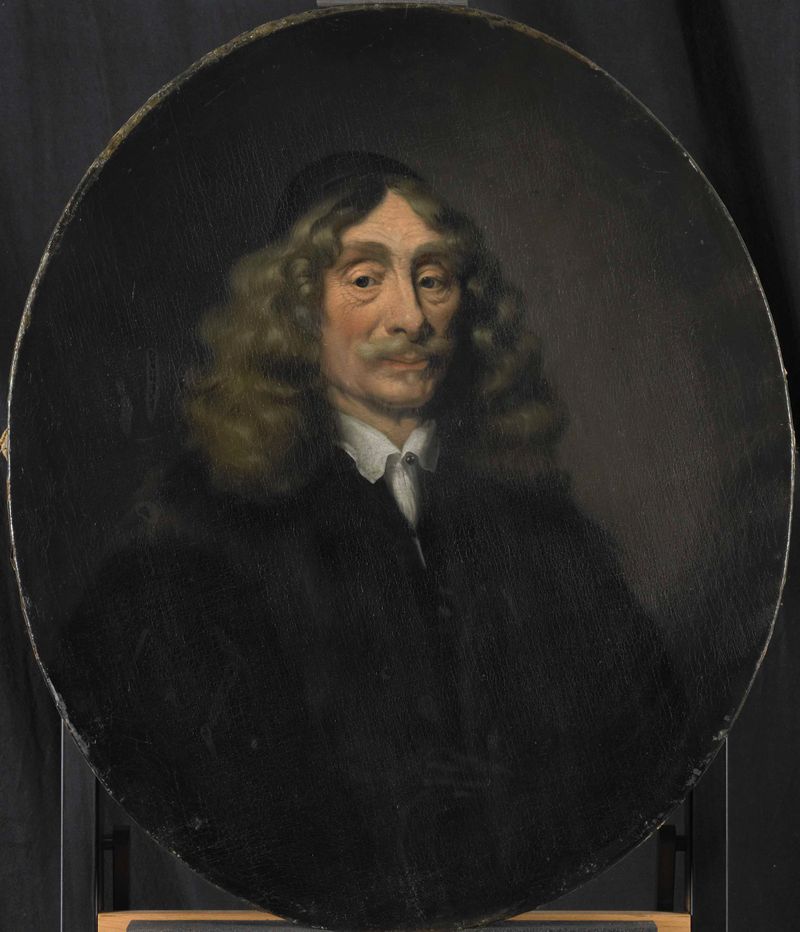
Portrait of Johan de Reus, Director of the Rotterdam Chamber of the Dutch East India Company, elected 1657
Pieter van der Werff
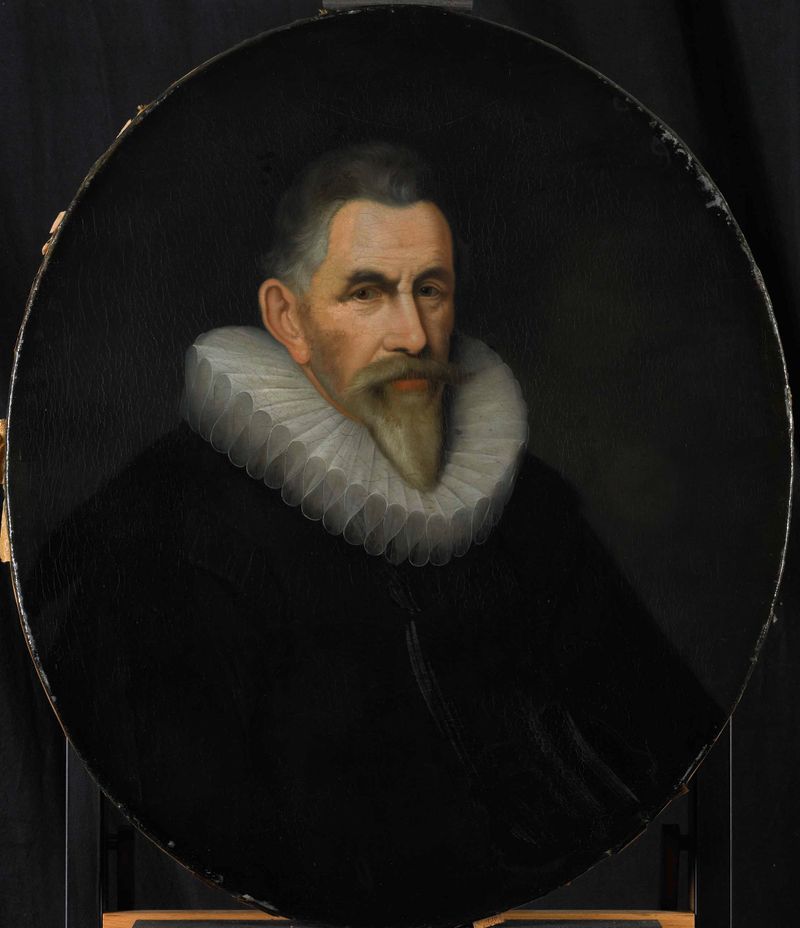
Portrait of Johan van der Veecque, Director of the Rotterdam Chamber of the Dutch East India Company, elected 1602
Pieter van der Werff
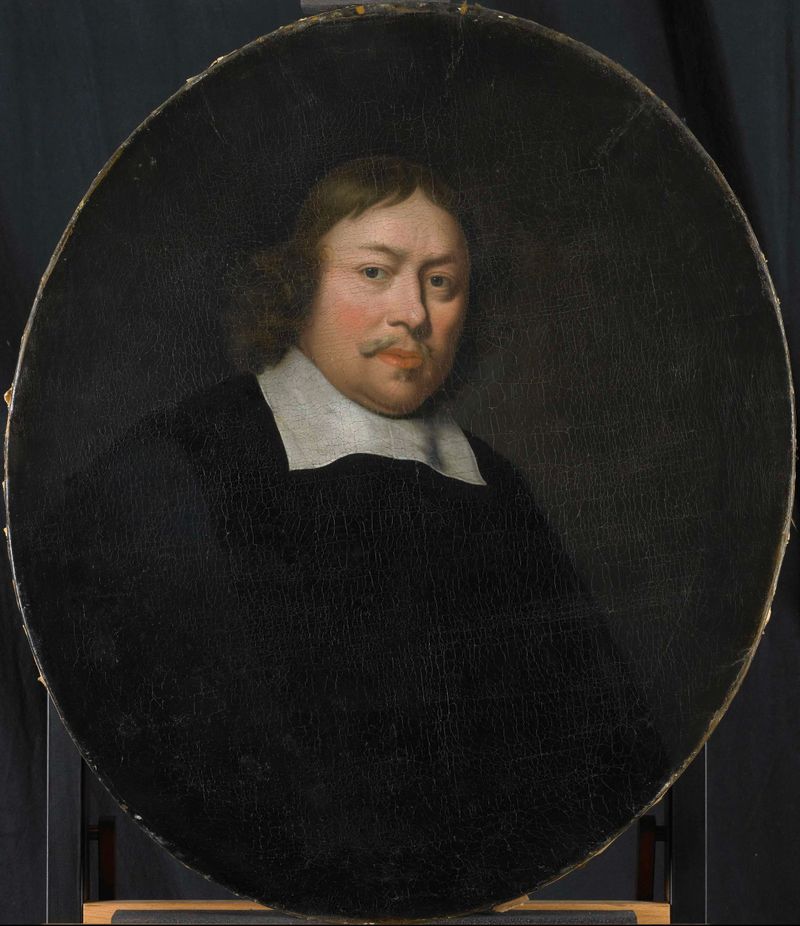
Portrait of Gerard van Bergen, Director of the Rotterdam Chamber of the Dutch East India Company, elected 1653
Pieter van der Werff
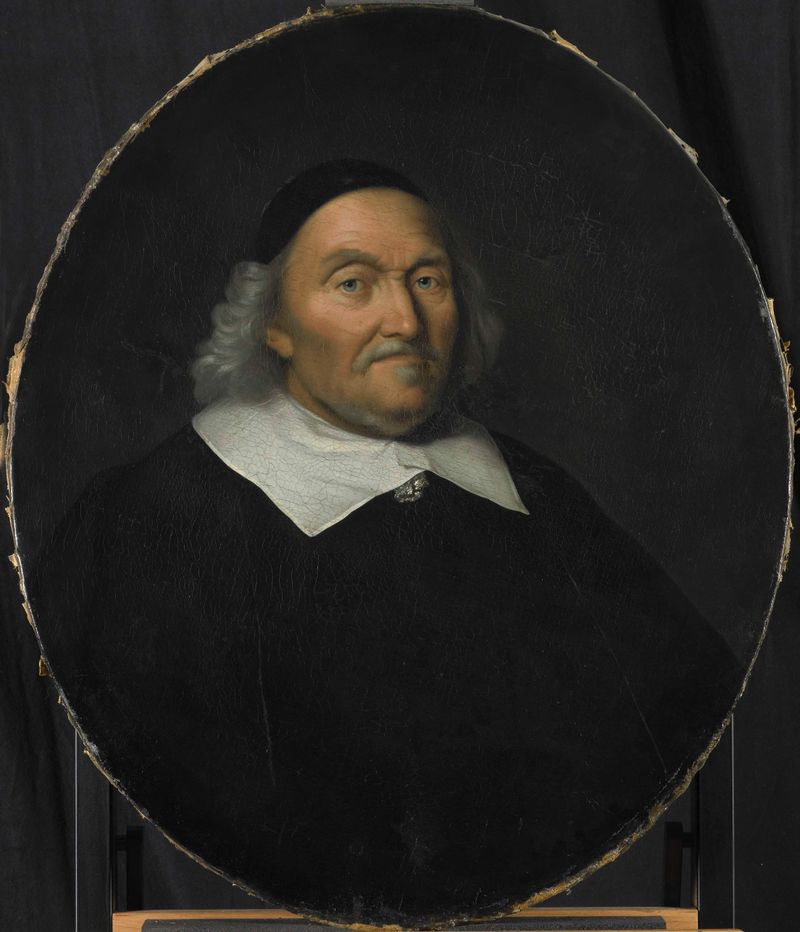
Portrait of Hendrik Nobel, Director of the Rotterdam Chamber of the Dutch East India Company, elected 1625
Pieter van der Werff
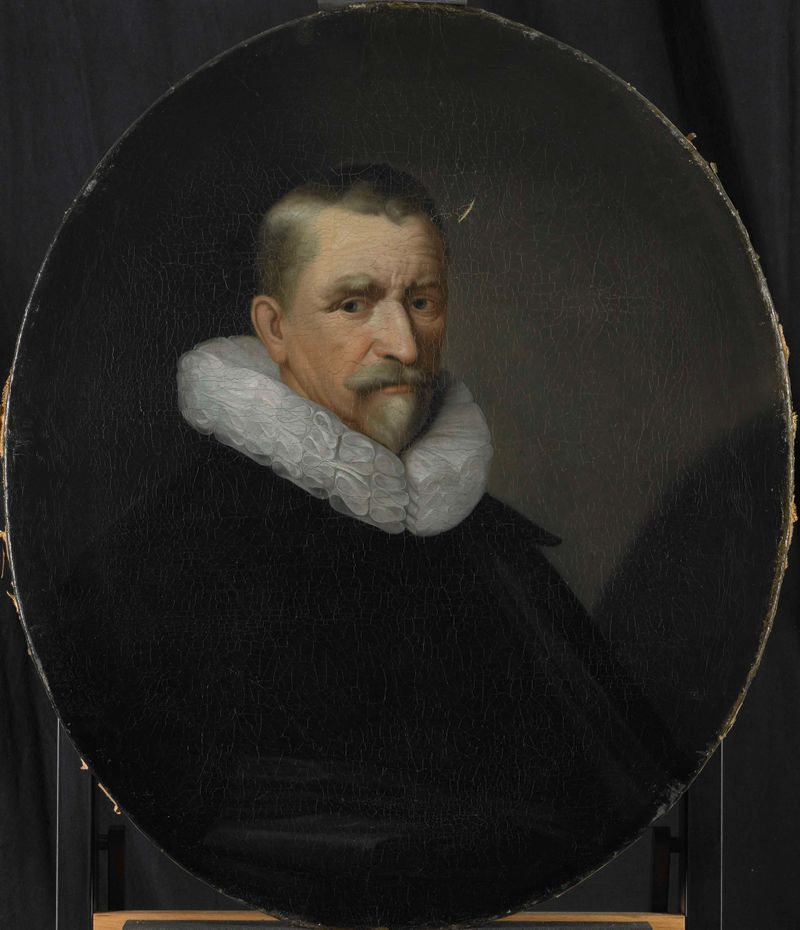
Portrait of Cornelis Jansz Hartigsvelt, Director of the Rotterdam Chamber of the Dutch East India Company, elected 1639
Pieter van der Werff
More Portrait Art
Browse all →
Las meninas
Diego Velázquez

Self-portrait with a Bandaged Ear and Pipe
Unidentified artist

Girl with a Pearl Earring
Johannes Vermeer

The Sampling Officials of the Amsterdam Drapers’ Guild, Known as ‘The Syndics’
Rembrandt van Rijn

The Hundred Guilder Print: the man seen on the back in the lower left corner
Rembrandt van Rijn

Portrait of Dr Gachet
Vincent van Gogh