
Portrait of Gerard van Bergen, Director of the Rotterdam Chamber of the Dutch East India Company, elected 1653 — History & Facts
Is this a mirror — or a memory? In Portrait of Gerard van Bergen, the viewer is drawn into a realm where stillness and movement converge, inviting us to contemplate the fleeting nature of time and identity. Focus on the figure of Gerard van Bergen, standing resolutely at the center of the canvas. Notice how the rich, deep hues of his attire contrast with the soft, almost ethereal background. The interplay of light accentuates the textures of his clothing, drawing attention to the intricate lace at his collar and the subtle sheen of his silk coat.
The brushwork reveals a sense of vitality, as if he might step forth from the canvas at any moment, bridging the gap between past and present. Delve deeper into the symbolism present in the painting. The way he gazes outward, confident yet contemplative, evokes the weight of responsibility he bore as a director of the Dutch East India Company. The subtle gestures, such as the slight tilt of his head and the poised placement of his hand, reflect an inner dialogue, hinting at the complexities of leadership and the burdens of memory.
The dark background serves not just to frame him, but to echo the shadows of history, suggesting that while he stands firm, the tides of time are ever present. Pieter van der Werff painted this portrait during the late 17th to early 18th century, a period marked by both personal ambition and the broader cultural flourishing of the Dutch Golden Age. As he navigated his own artistic journey, he was deeply influenced by the successes and challenges of the mercantile world that surrounded him, capturing in this work a moment that speaks to both the individual and the collective memory of a rapidly changing society.
More Artworks by Pieter van der Werff
Browse all →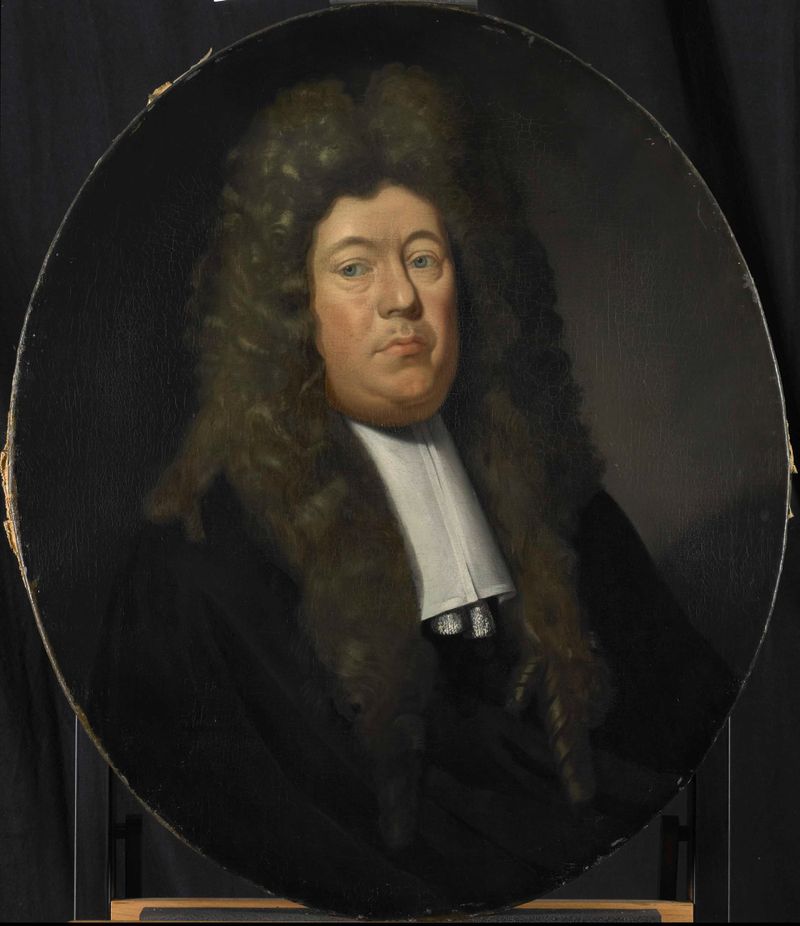
Portrait of Adriaen Paets, Director of the Rotterdam Chamber of the Dutch East India Company, elected 1668
Pieter van der Werff
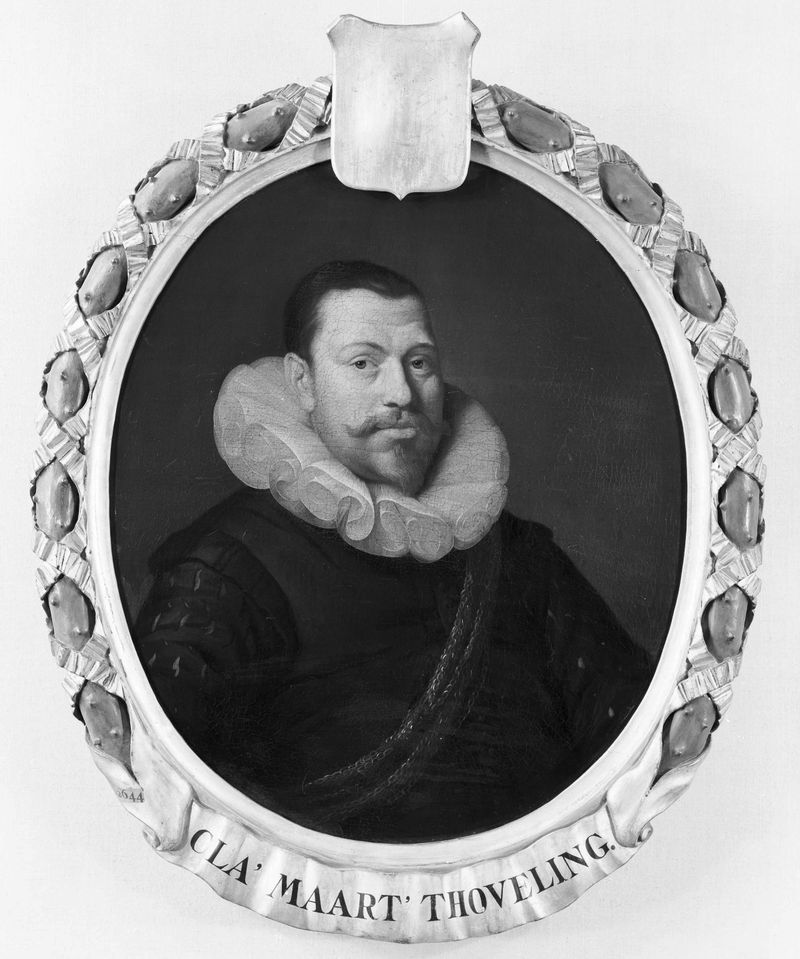
Portrait of Claes Maertensz Thoveling, Director of the Rotterdam Chamber of the Dutch East India Company, elected 1619
Pieter van der Werff
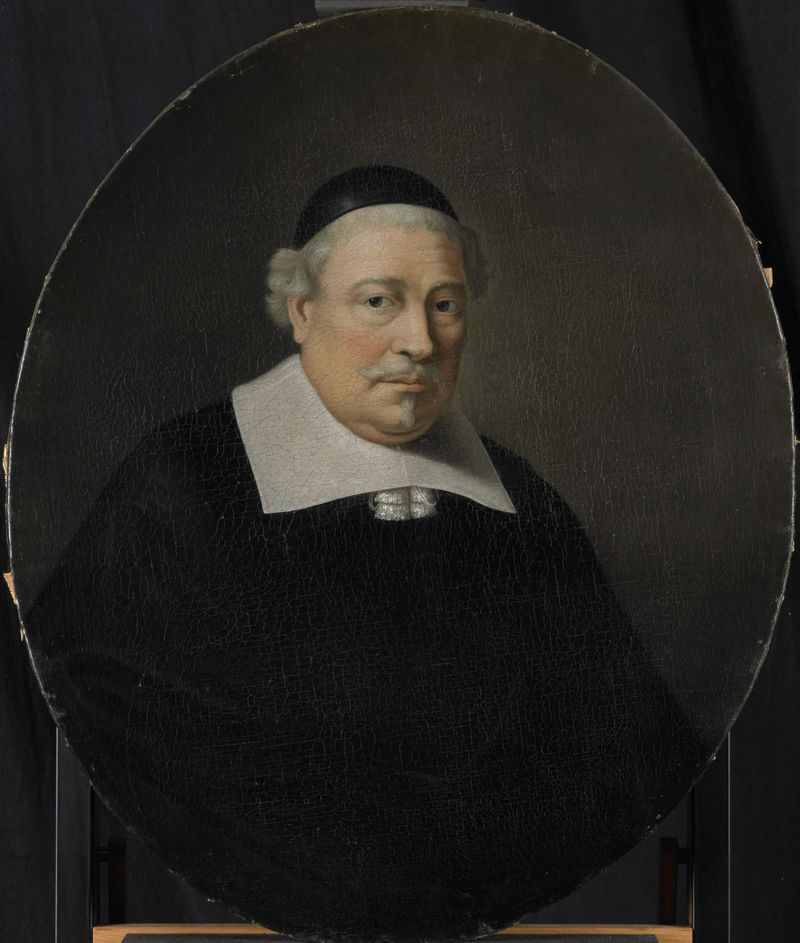
Portrait of Cornelis de Koningh, Director of the Rotterdam Chamber of the Dutch East India Company, elected 1649
Pieter van der Werff
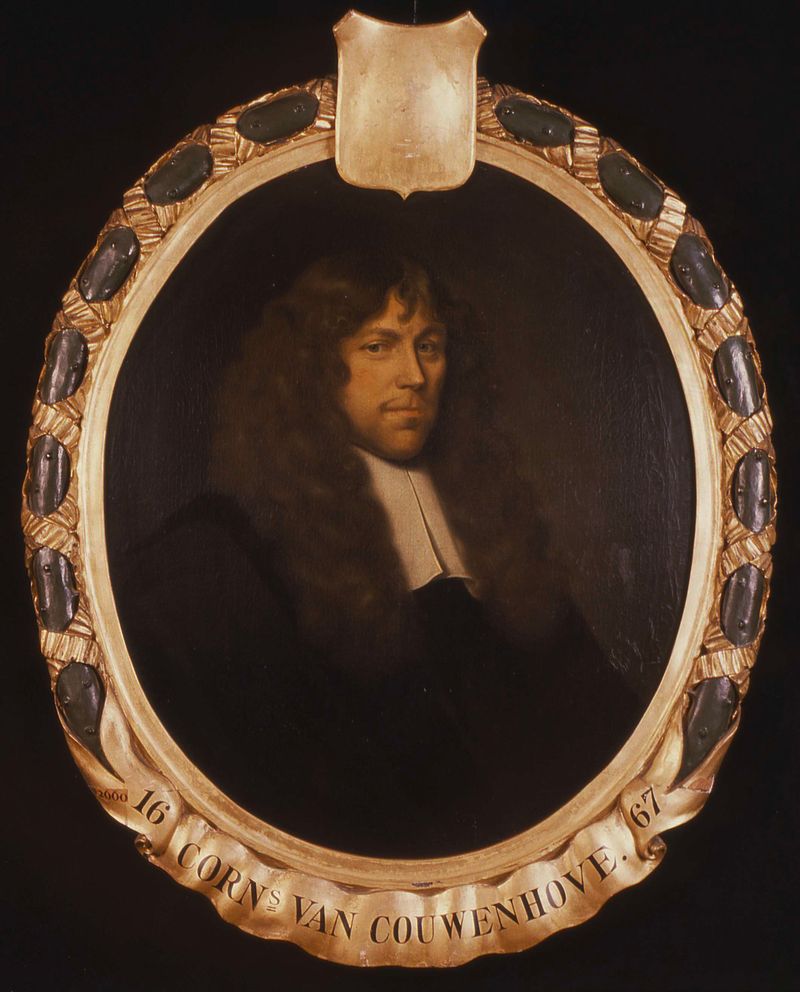
Portrait of Cornelis van Couwenhove, Director of the Rotterdam Chamber of the Dutch East India Company, elected 1667
Pieter van der Werff
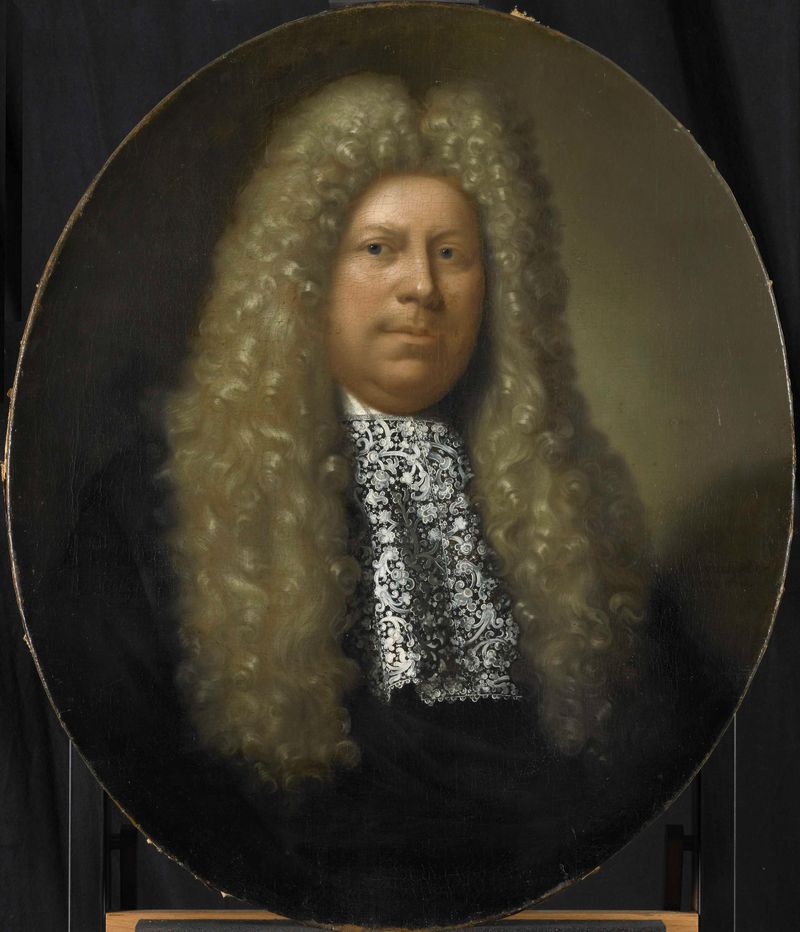
Portrait of Jacob Dane, Director of the Rotterdam Chamber of the Dutch East India Company, elected 1689
Pieter van der Werff
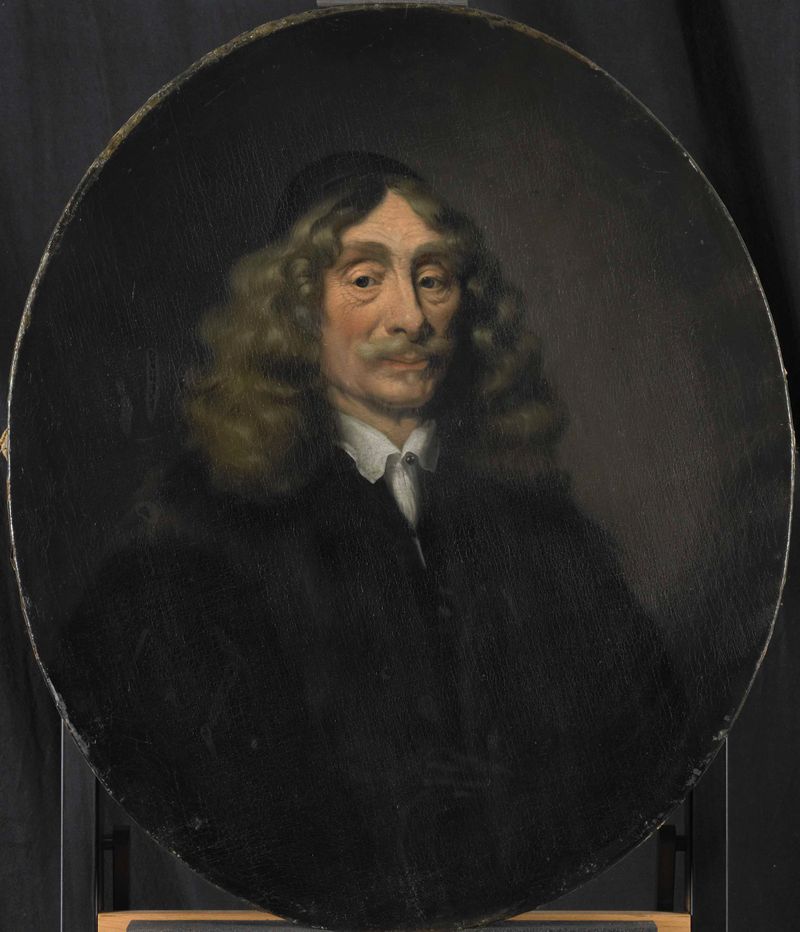
Portrait of Johan de Reus, Director of the Rotterdam Chamber of the Dutch East India Company, elected 1657
Pieter van der Werff
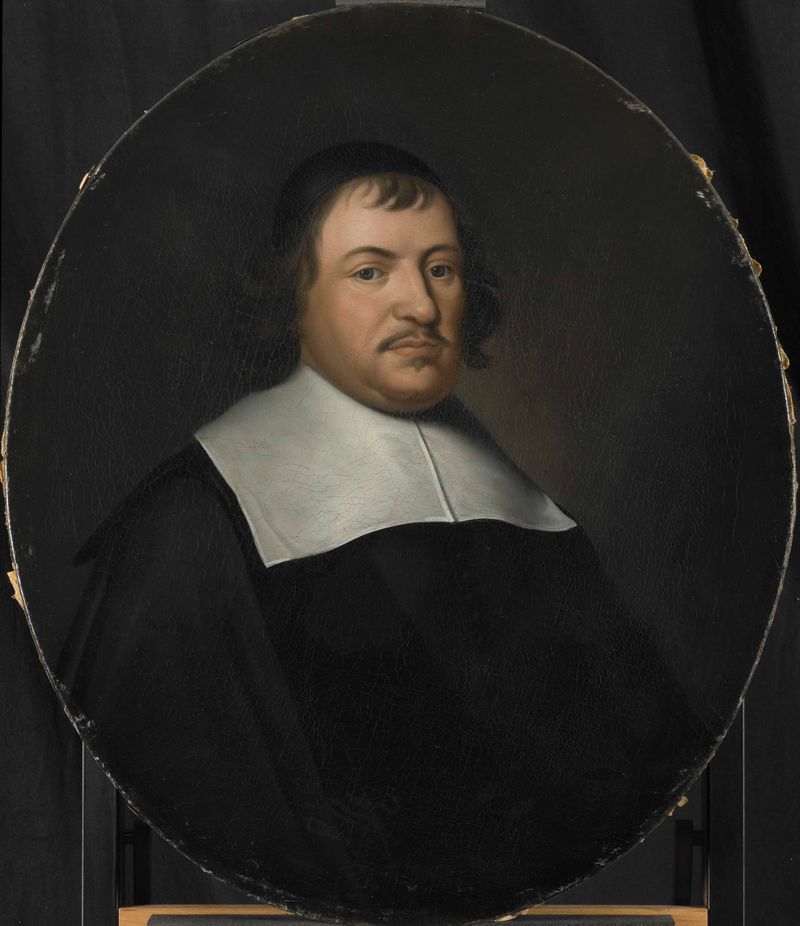
Portrait of Cornelis van den Bergh, Director of the Rotterdam Chamber of the Dutch East India Company, elected 1659
Pieter van der Werff
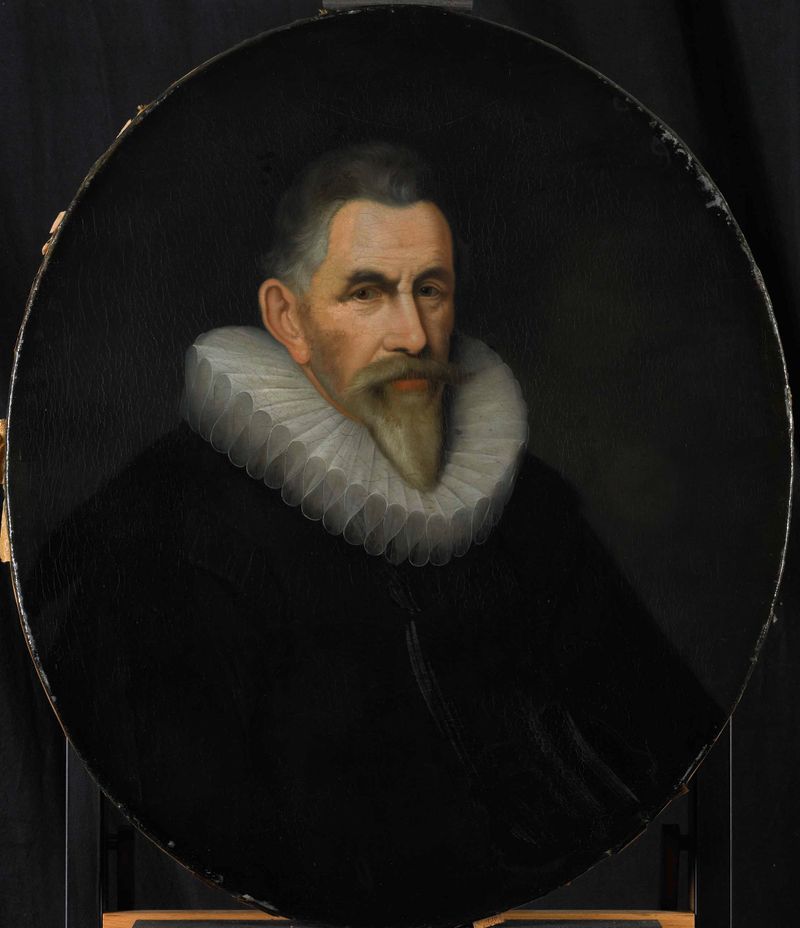
Portrait of Johan van der Veecque, Director of the Rotterdam Chamber of the Dutch East India Company, elected 1602
Pieter van der Werff
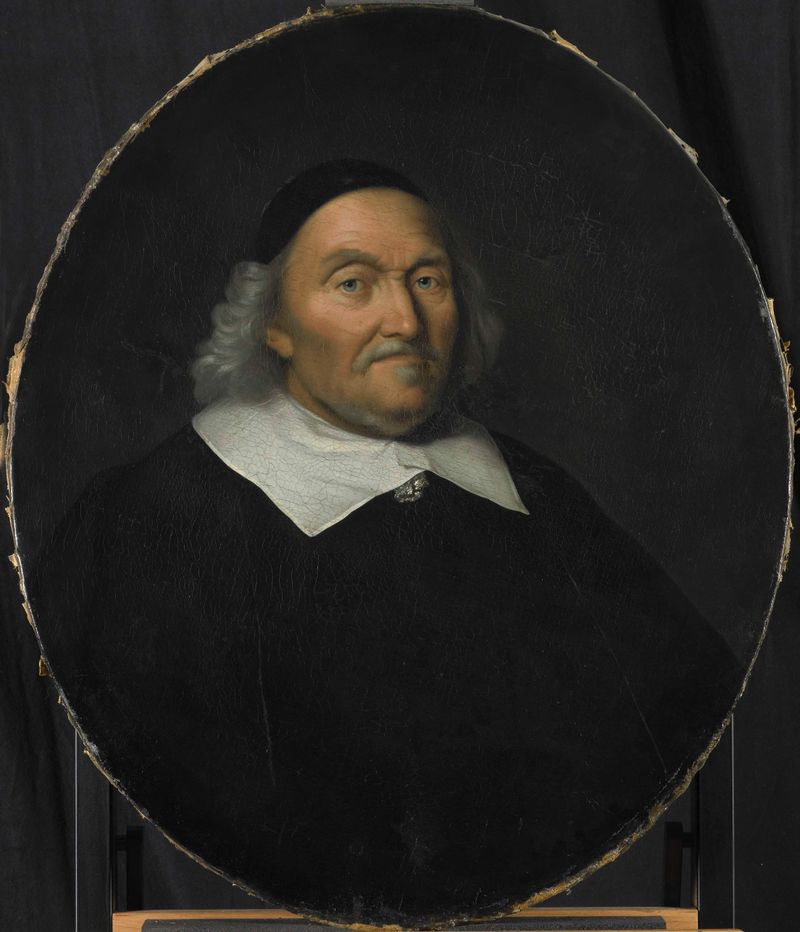
Portrait of Hendrik Nobel, Director of the Rotterdam Chamber of the Dutch East India Company, elected 1625
Pieter van der Werff
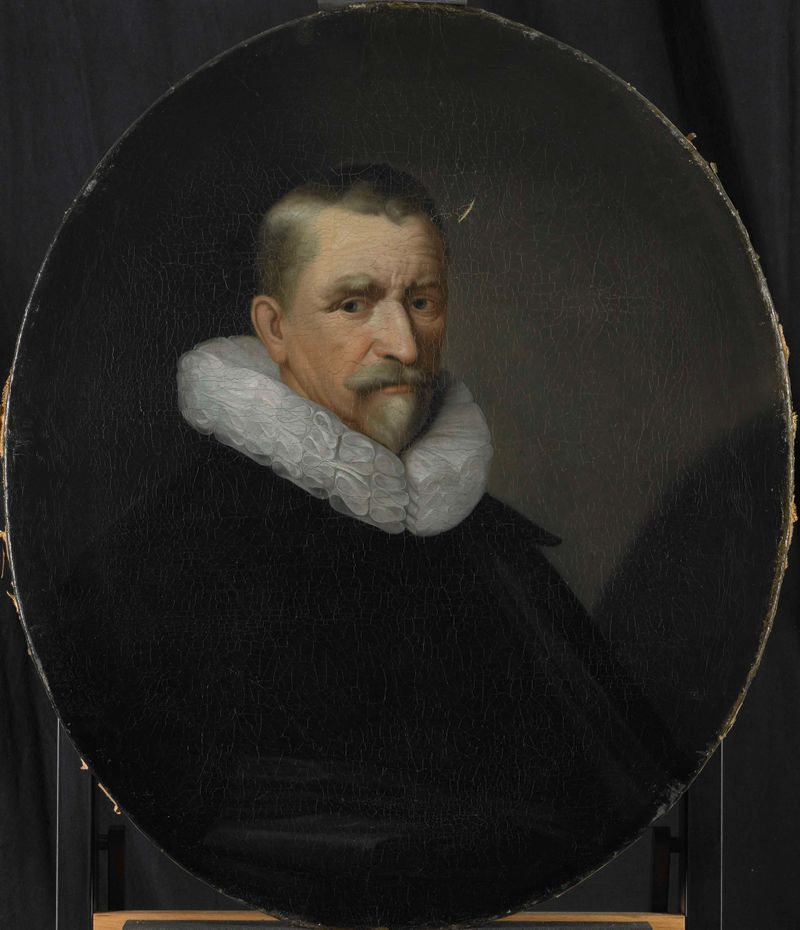
Portrait of Cornelis Jansz Hartigsvelt, Director of the Rotterdam Chamber of the Dutch East India Company, elected 1639
Pieter van der Werff
More Portrait Art
Browse all →
Las meninas
Diego Velázquez

Self-portrait with a Bandaged Ear and Pipe
Unidentified artist

Girl with a Pearl Earring
Johannes Vermeer

The Sampling Officials of the Amsterdam Drapers’ Guild, Known as ‘The Syndics’
Rembrandt van Rijn

The Hundred Guilder Print: the man seen on the back in the lower left corner
Rembrandt van Rijn

Portrait of Dr Gachet
Vincent van Gogh