
Portrait of Cosimo I de' Medici — History & Facts
What first draws the eye in this portrait is the gleam of the armor—so polished it seems almost to breathe, catching the blue drapery behind in its mirrored surface. The sitter’s gaze, turned away from the viewer, is alert and searching, as if he is weighing the future or listening for news just out of earshot. Every detail is purposeful: the elaborate etching on the steel, the gold rivets, and the red velvet edging are not only marks of status, but signals of a man who expects to be seen and remembered.
The hand resting lightly on the breastplate is both a gesture of command and a rare moment of softness, the flesh and metal in quiet conversation. The deep blue backdrop, nearly as rich as lapis, throws the figure forward and lends the whole scene a sense of drama without a single weapon drawn. This is a portrait born of the mid-sixteenth century, when rulers and their artists understood the power of image as a form of rule. In Florence, where Agnolo Bronzino worked, portraits such as this one were instruments of statecraft—commissioned to project authority, legitimacy, and cultivated taste.
The sitter, Cosimo I de’ Medici, was consolidating his power, and the armor is as much a political costume as a military one. Painted between 1543 and 1545, this work belongs to a moment when the boundaries between art and propaganda blurred, and painters like Bronzino perfected a style that was both coolly precise and psychologically charged. History has kept few traces of the journey of this specific canvas, but its presence today invites us to look again at how power was worn, and how it was painted.
More Artworks by Agnolo Bronzino

Eleonora Of Toledo
Agnolo Bronzino
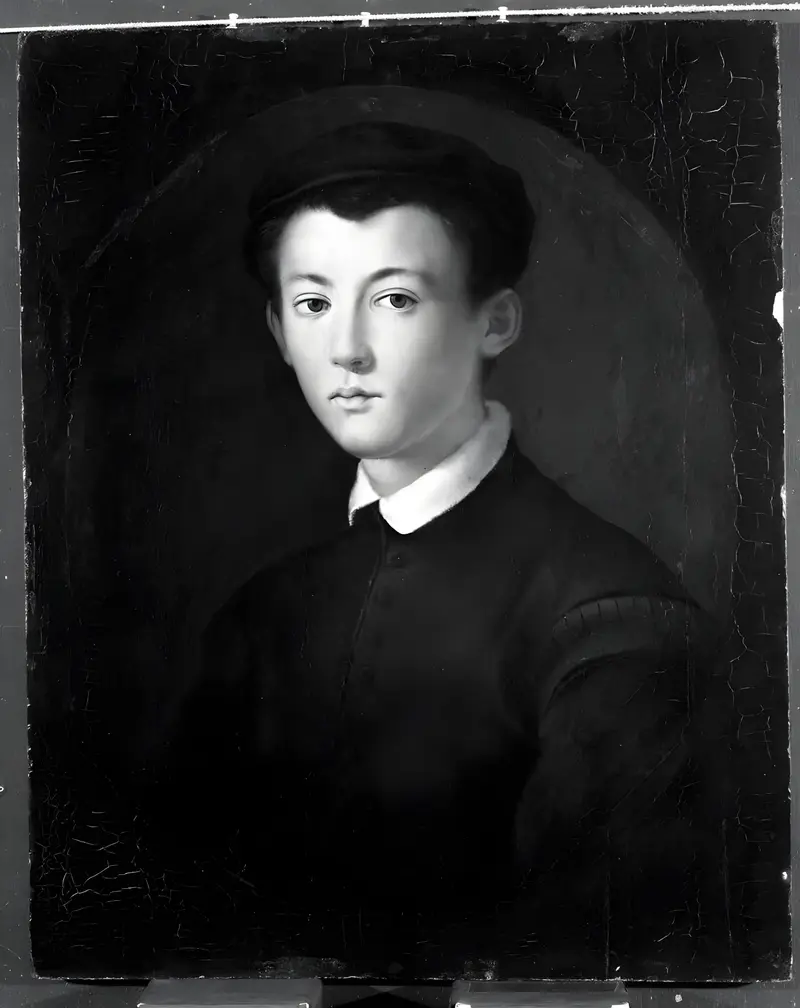
Portrait of a Young Man
Agnolo Bronzino
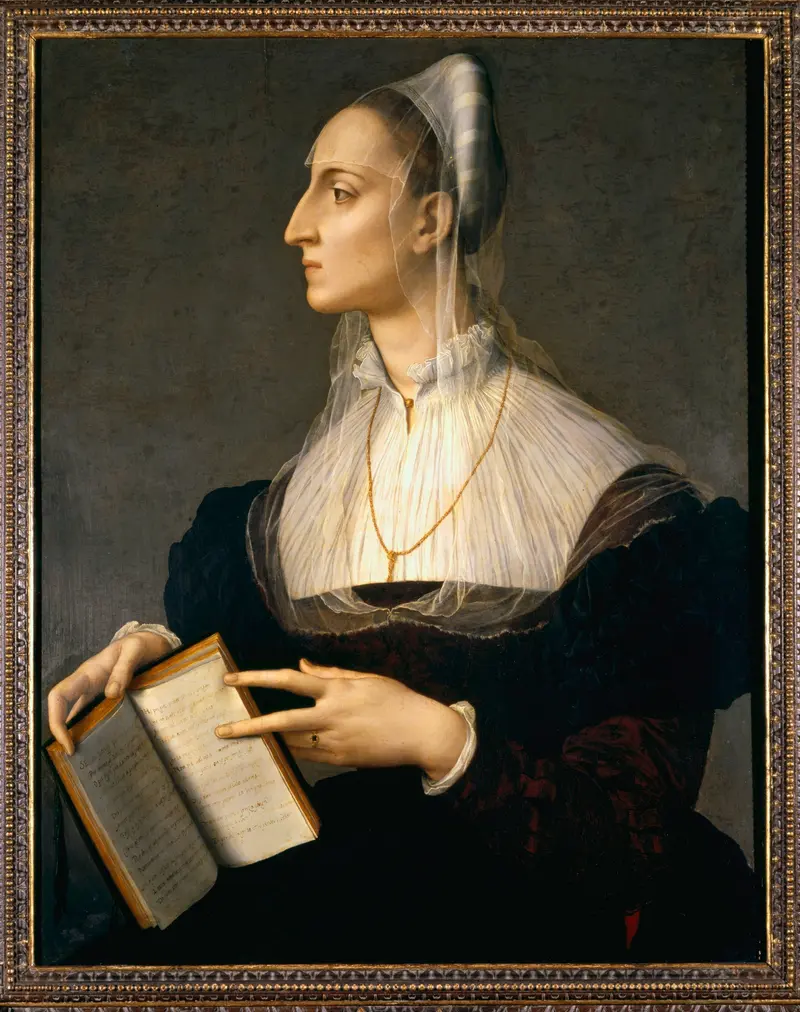
Portrait Of Laura Battiferri
Agnolo Bronzino
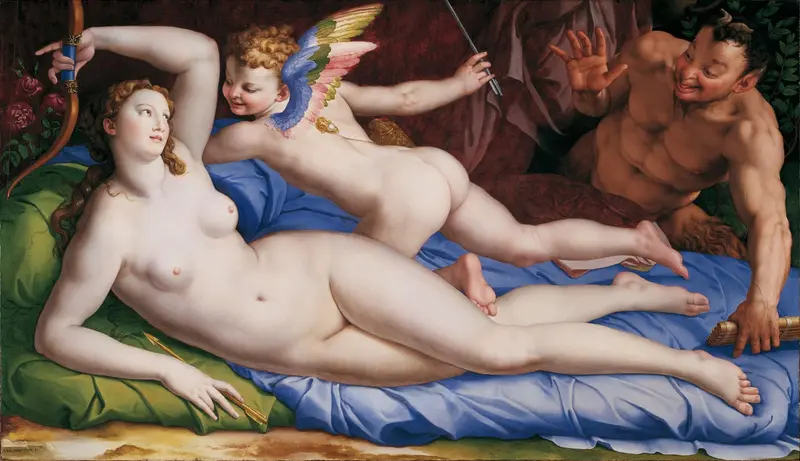
Venus, Cupid And Satyr
Agnolo Bronzino
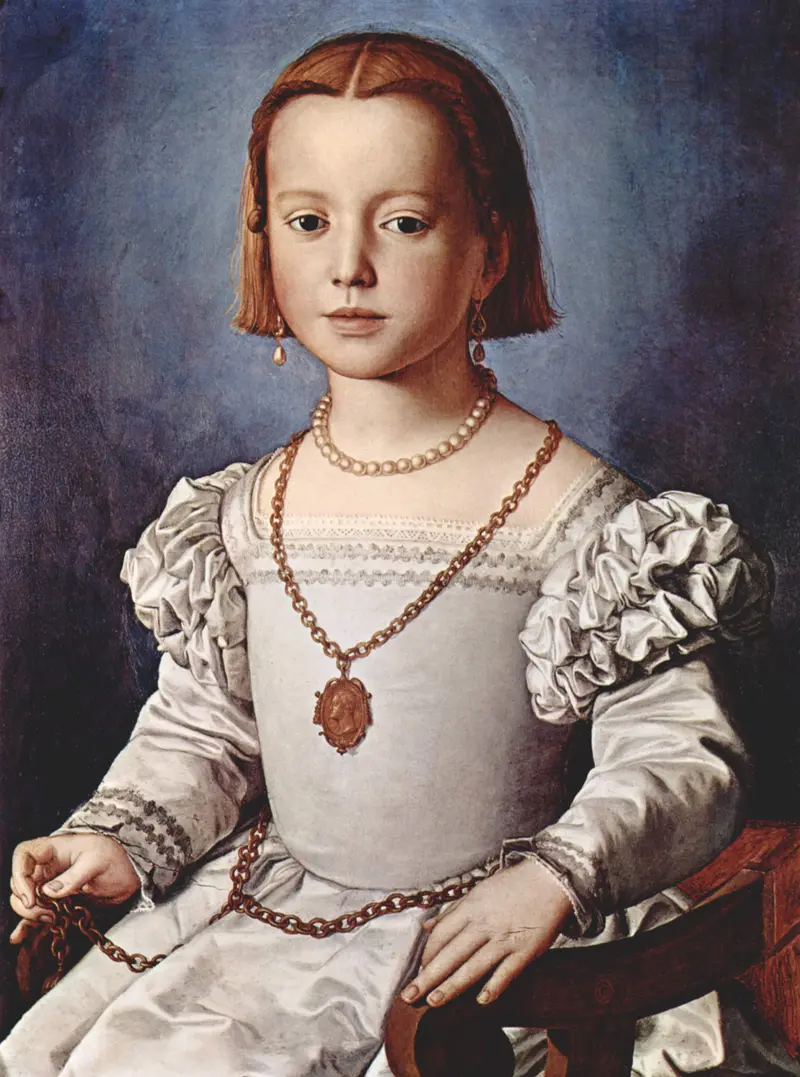
Bia Di Cosimo De‘ Medici
Agnolo Bronzino
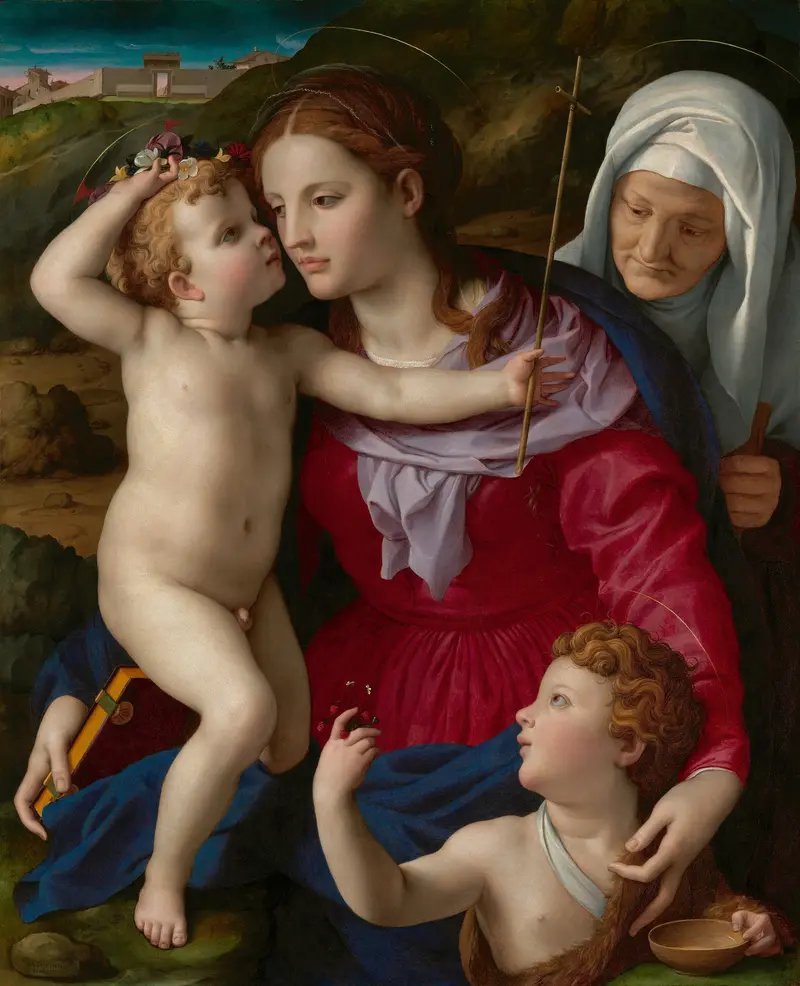
Virgin and Child with Saint Elizabeth and Saint John the Baptist
Agnolo Bronzino
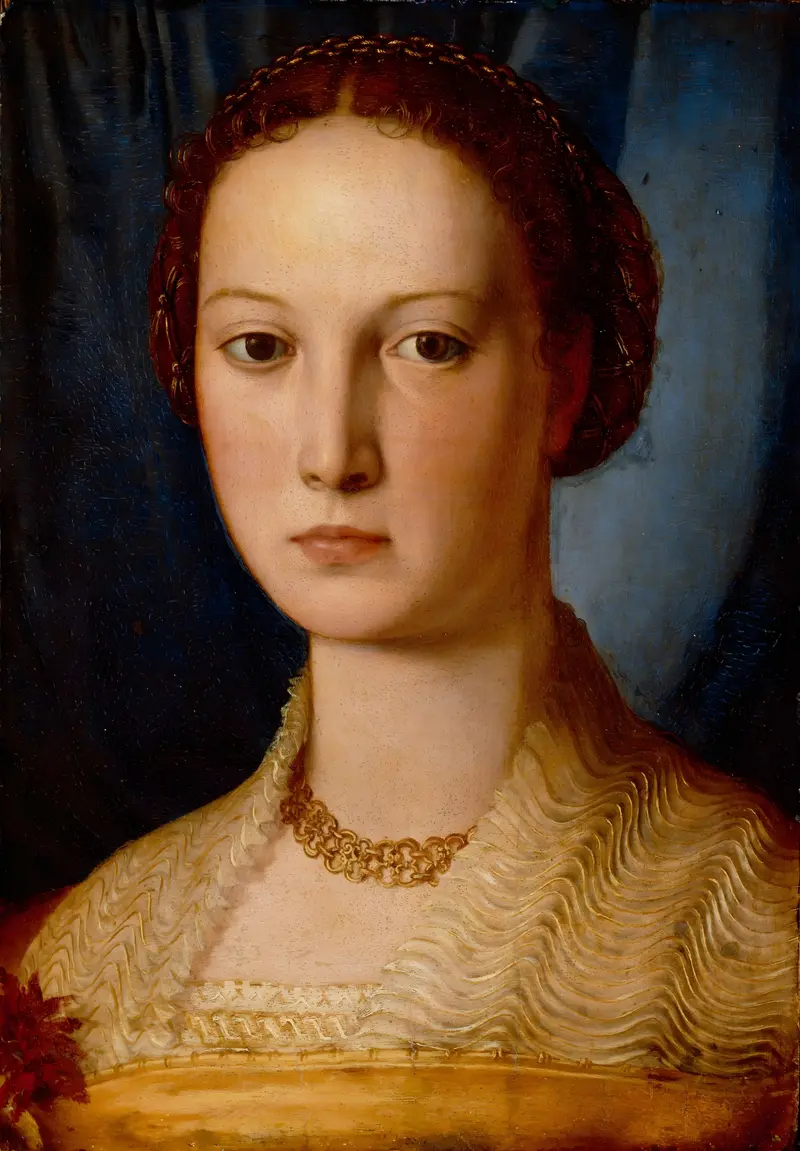
Costanza Da Sommaia
Agnolo Bronzino
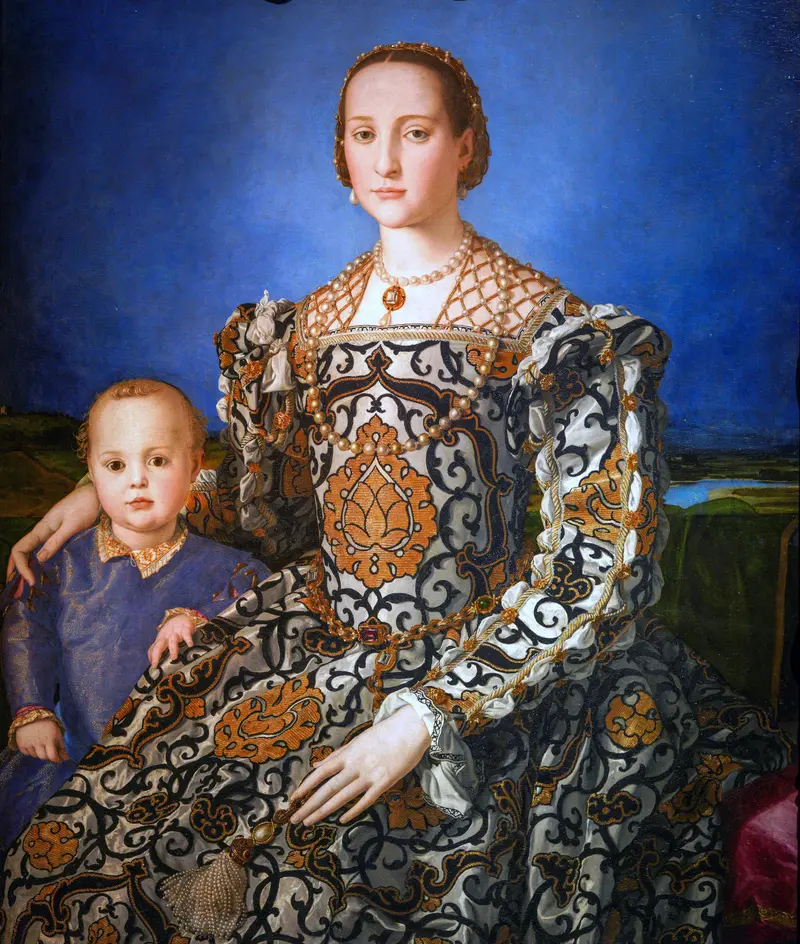
Portrait of Eleanor of Toledo with Her Son Giovanni de’ Medici
Agnolo Bronzino
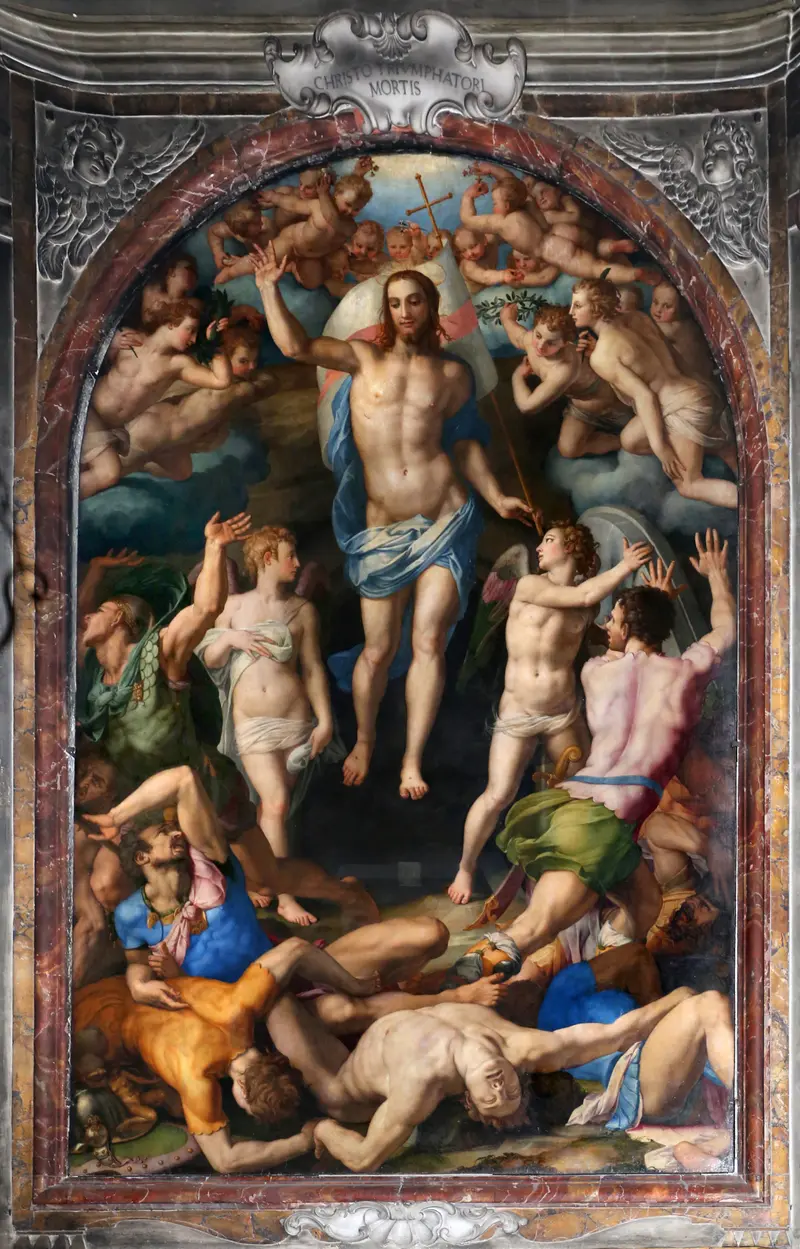
Resurrection Of Christ
Agnolo Bronzino
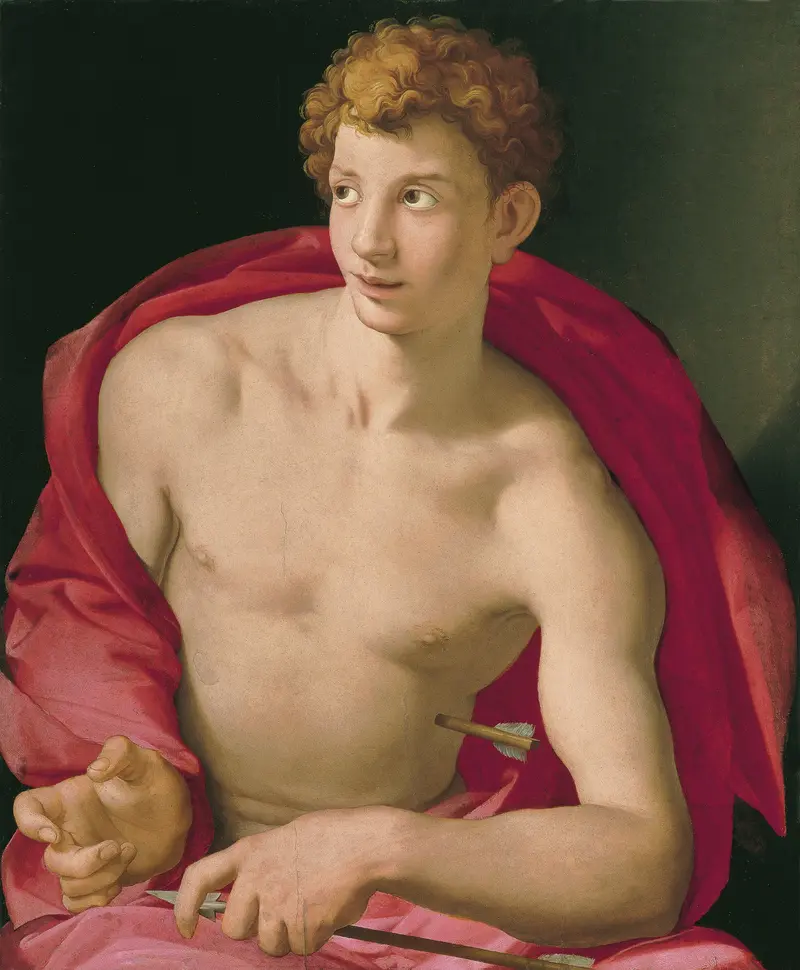
Saint Sebastian
Agnolo Bronzino





