
Portrait of Cosimo I de' Medici, Grand Duke of Tuscany — History & Facts
What first seizes the eye in this portrait is the dazzling armor, polished to a mirrored sheen and edged with a vivid red, as if the sitter has just stepped from the battlefield into the painter’s studio. The young man’s gaze is turned away, alert and slightly distant, suggesting a mind occupied with matters beyond the canvas. His hand, resting with careful poise on his helmet, introduces a note of composure and readiness—a leader prepared for both diplomacy and conflict.
The lush green sprig behind him, set against heavy drapery, hints at renewal or victory, a silent counterpoint to the cold steel. Every detail, from the intricate etching on the metal to the medallion at his throat, is a signal: this is a portrait meant to project authority, vigilance, and cultivated power. Painted around 1550, this work by Agnolo Bronzino belongs to a world where portraiture was a tool of statecraft as much as art. In mid-sixteenth-century Florence, rulers and nobles commissioned such images to assert their lineage, virtues, and ambitions—especially in the hands of a court painter like Bronzino, famed for his cool precision and psychological restraint.
The sitter, identified as Cosimo I, Grand Duke of Tuscany, stands at the intersection of Renaissance ideals and the emerging realities of absolute rule. Now part of the collection at Kassel, this portrait survives as a testament to the era’s fascination with the interplay of image and power. Look again at the face: it is not just a likeness, but a mask of leadership, carefully constructed for a world in flux.
More Artworks by Agnolo Bronzino

Eleonora Of Toledo
Agnolo Bronzino
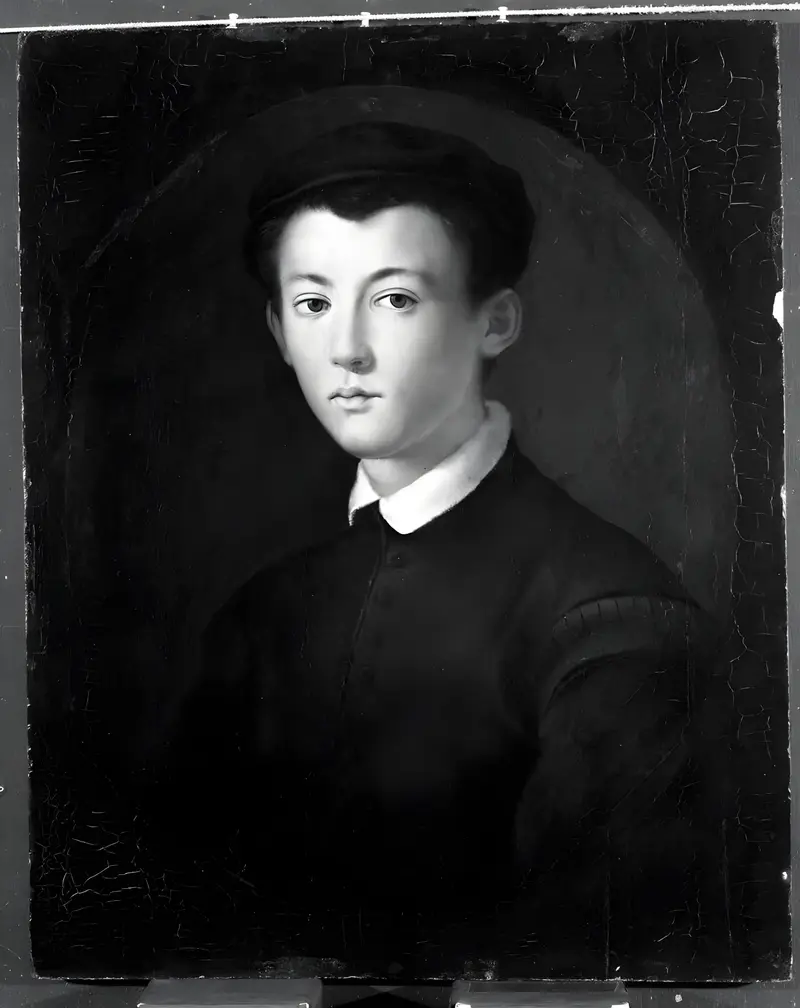
Portrait of a Young Man
Agnolo Bronzino
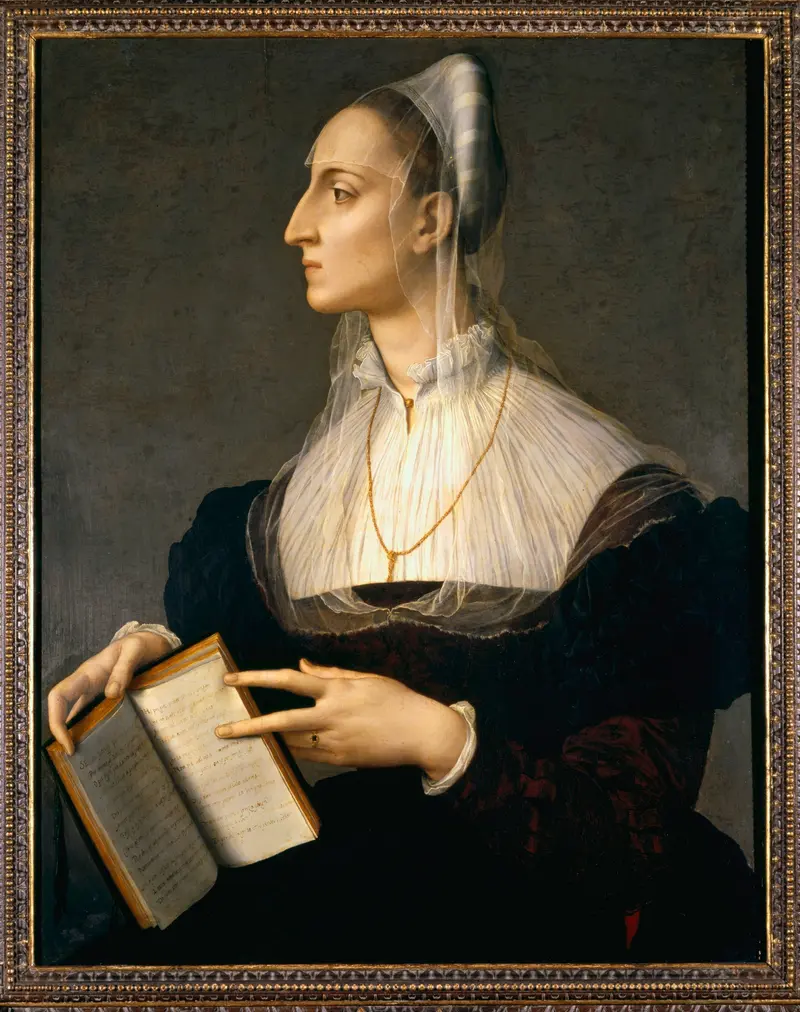
Portrait Of Laura Battiferri
Agnolo Bronzino
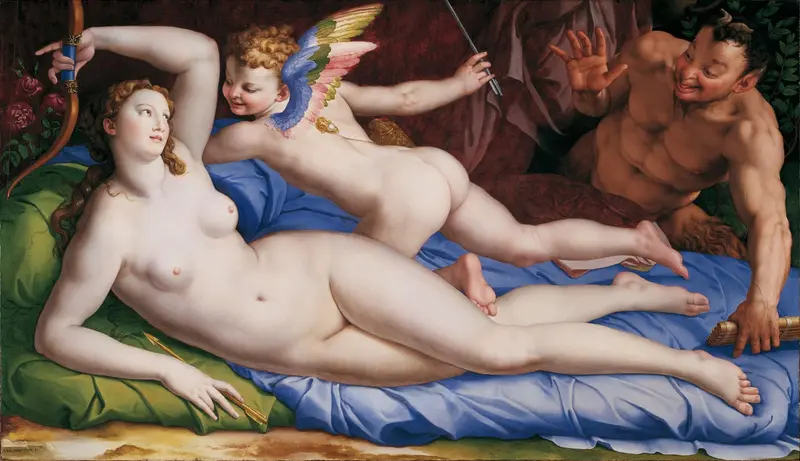
Venus, Cupid And Satyr
Agnolo Bronzino
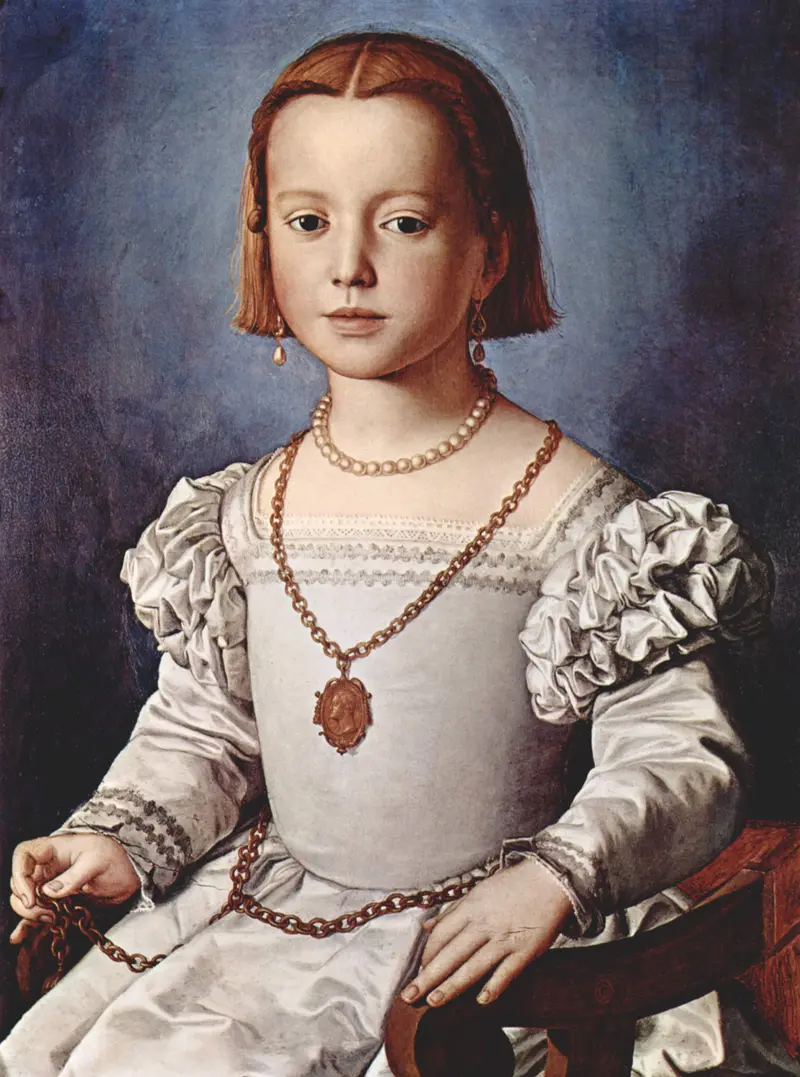
Bia Di Cosimo De‘ Medici
Agnolo Bronzino
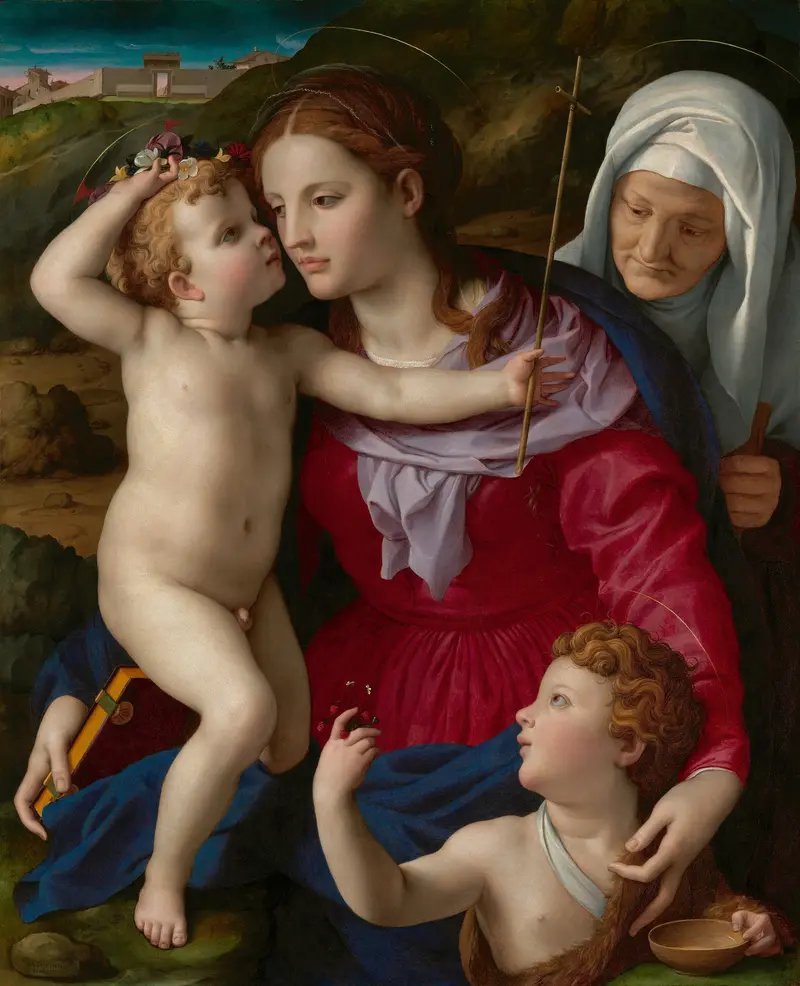
Virgin and Child with Saint Elizabeth and Saint John the Baptist
Agnolo Bronzino
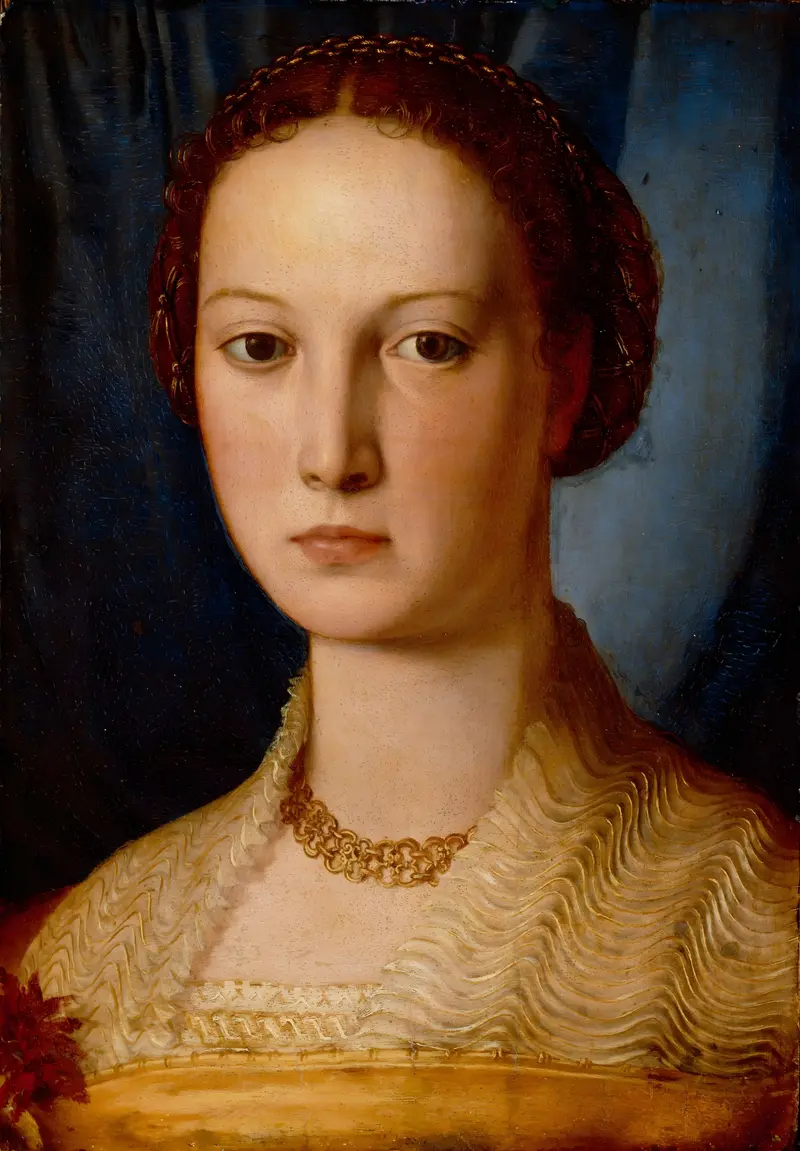
Costanza Da Sommaia
Agnolo Bronzino
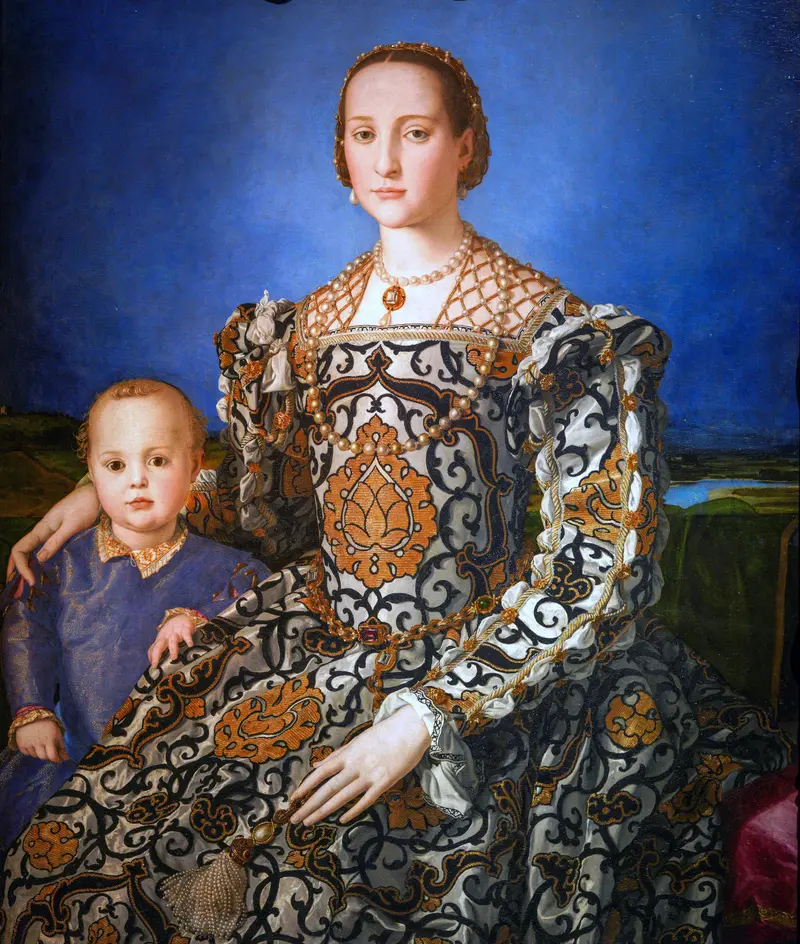
Portrait of Eleanor of Toledo with Her Son Giovanni de’ Medici
Agnolo Bronzino
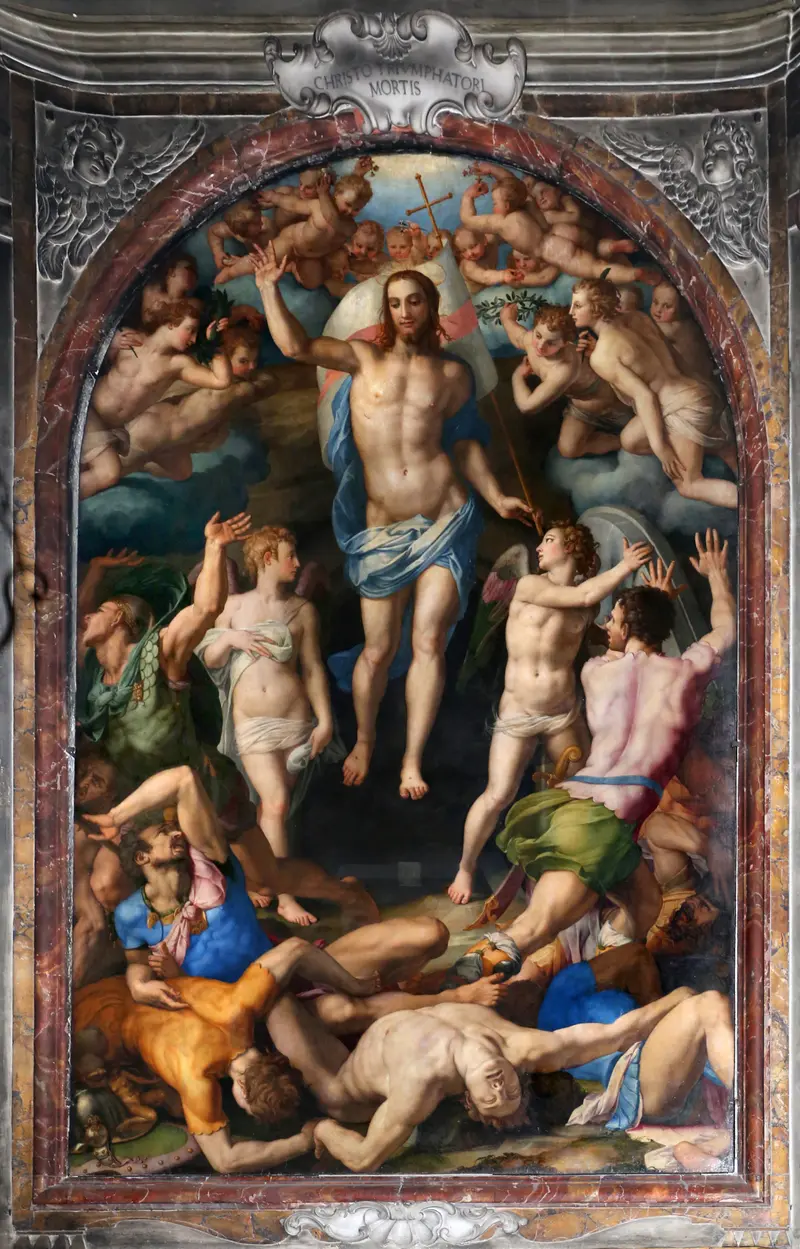
Resurrection Of Christ
Agnolo Bronzino
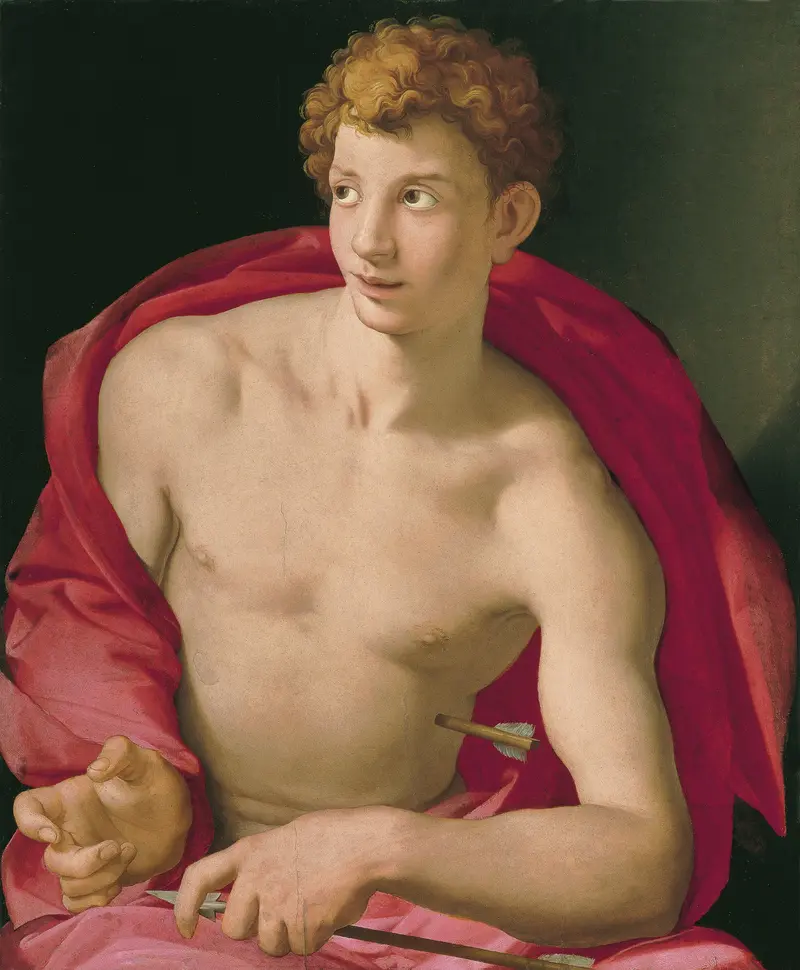
Saint Sebastian
Agnolo Bronzino





