
Portrait of Eleanor of Toledo and her son Giovanni de' Medici — History & Facts
What first strikes the eye in this portrait is the astonishing richness of pattern and texture: the dress, a marvel of gold and black brocade, commands the space with its intricate design, shimmering against a deep blue background. The woman’s gaze is calm, almost reserved, yet her presence is unmistakable—her hand resting protectively on the small boy at her side, whose own direct stare echoes hers. The pearls at her throat and the delicate netting across her chest signal wealth and status, but also a sense of order and restraint.
Every fold of fabric, every glint of jewelry, seems to have been painted to assert not just beauty, but power and lineage. The painter’s light falls evenly, giving both faces a porcelain clarity, while the dark backdrop pushes the figures forward, isolating them in a world of their own. Painted between 1544 and 1545, this work belongs to the world of sixteenth-century Florence, a time when portraiture was both an art and a declaration. Such paintings were often commissioned by elite families to assert their place in society, to record alliances, and to project dynastic continuity—here, the mother and son are united not just by blood, but by the painter’s careful choreography of gesture and gaze.
The artist, Agnolo Bronzino, was celebrated for his cool precision and the almost sculptural stillness of his sitters, hallmarks of the Mannerist style that flourished in this period. Today, the painting’s survival in the Google Arts & Culture collection allows us to step into that world, to read its codes of power and affection, and to wonder at the lives behind those steady eyes.
More Artworks by Agnolo Bronzino

Eleonora Of Toledo
Agnolo Bronzino
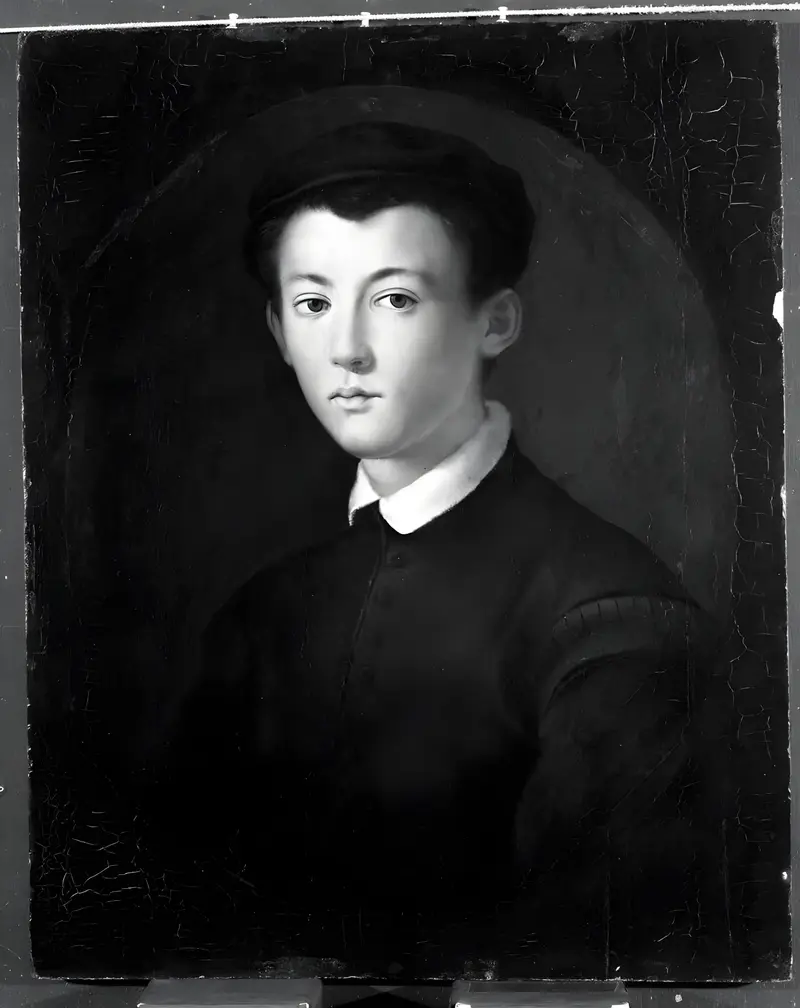
Portrait of a Young Man
Agnolo Bronzino
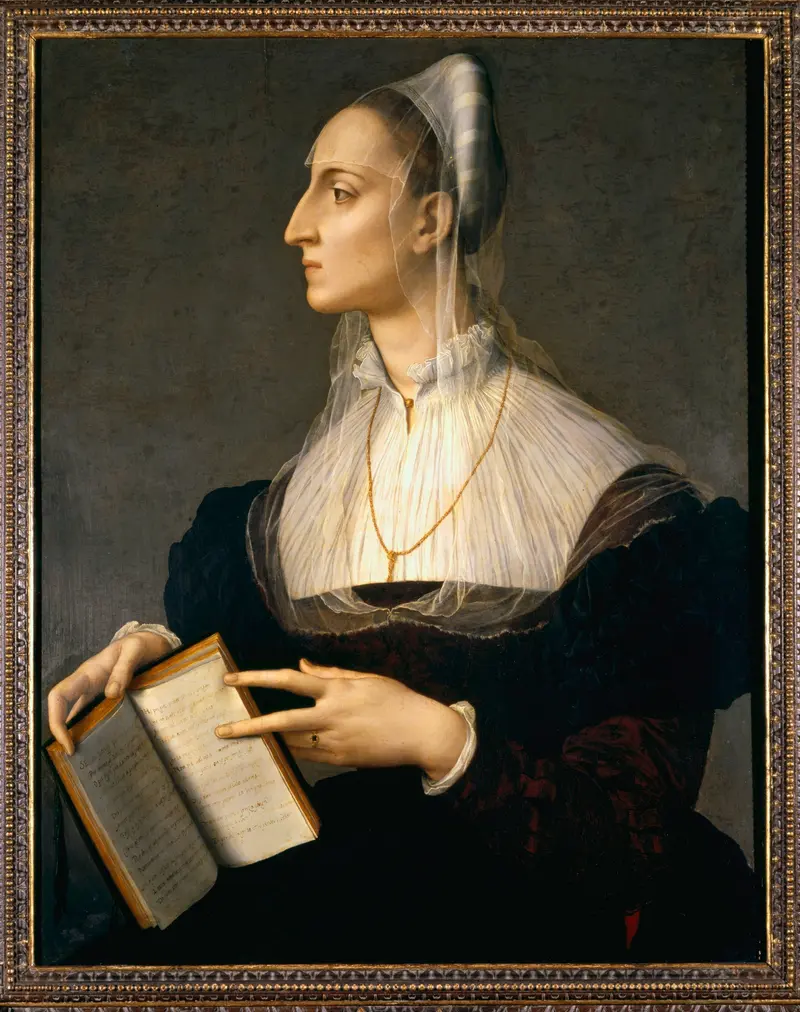
Portrait Of Laura Battiferri
Agnolo Bronzino
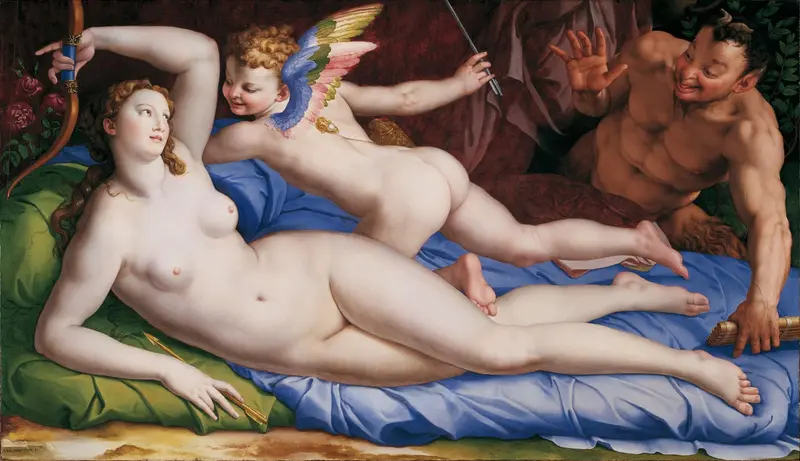
Venus, Cupid And Satyr
Agnolo Bronzino
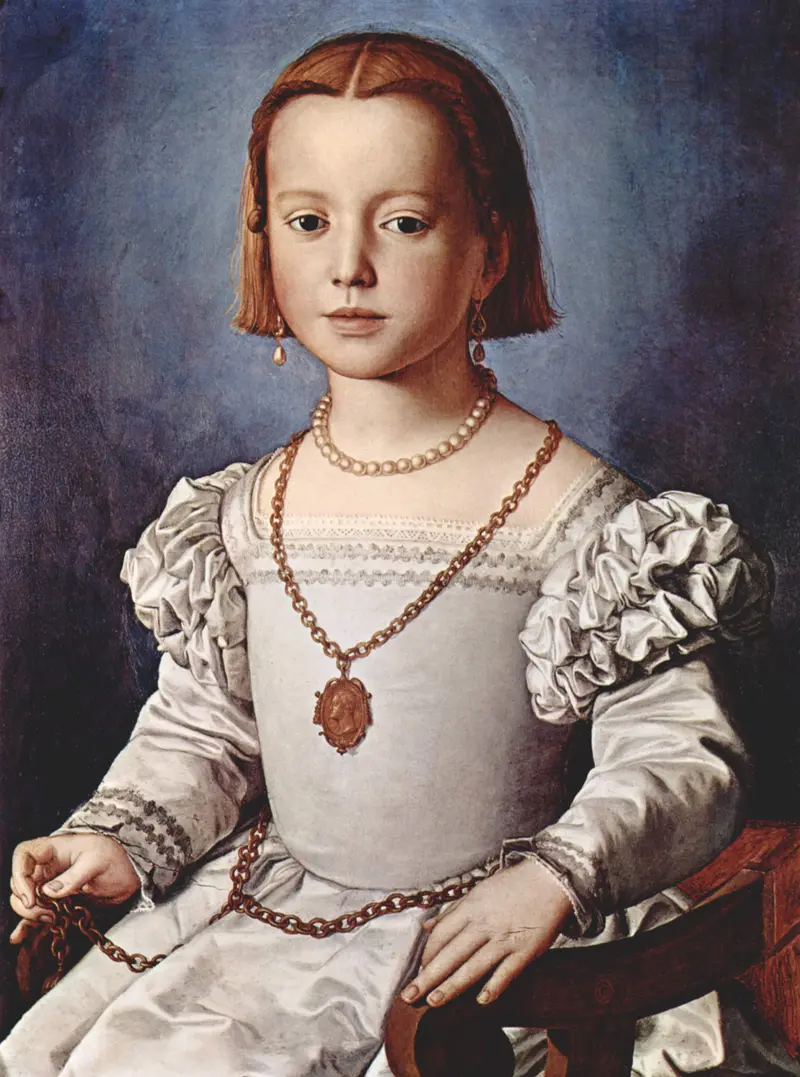
Bia Di Cosimo De‘ Medici
Agnolo Bronzino
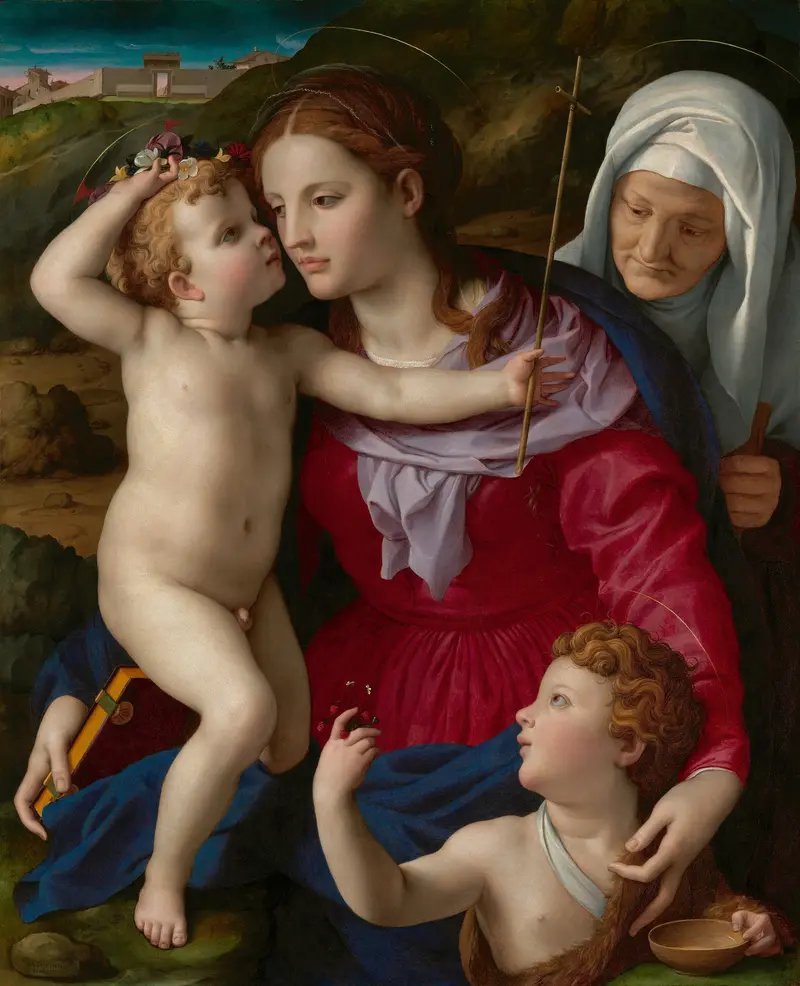
Virgin and Child with Saint Elizabeth and Saint John the Baptist
Agnolo Bronzino
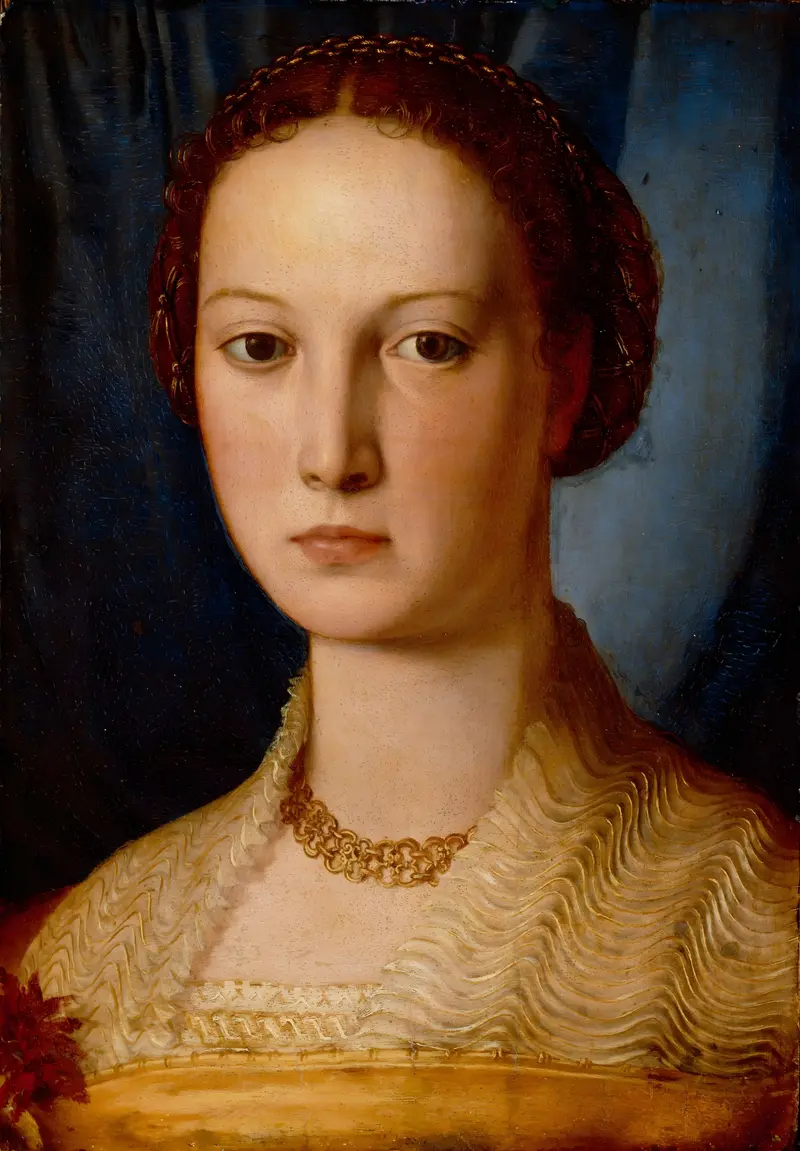
Costanza Da Sommaia
Agnolo Bronzino
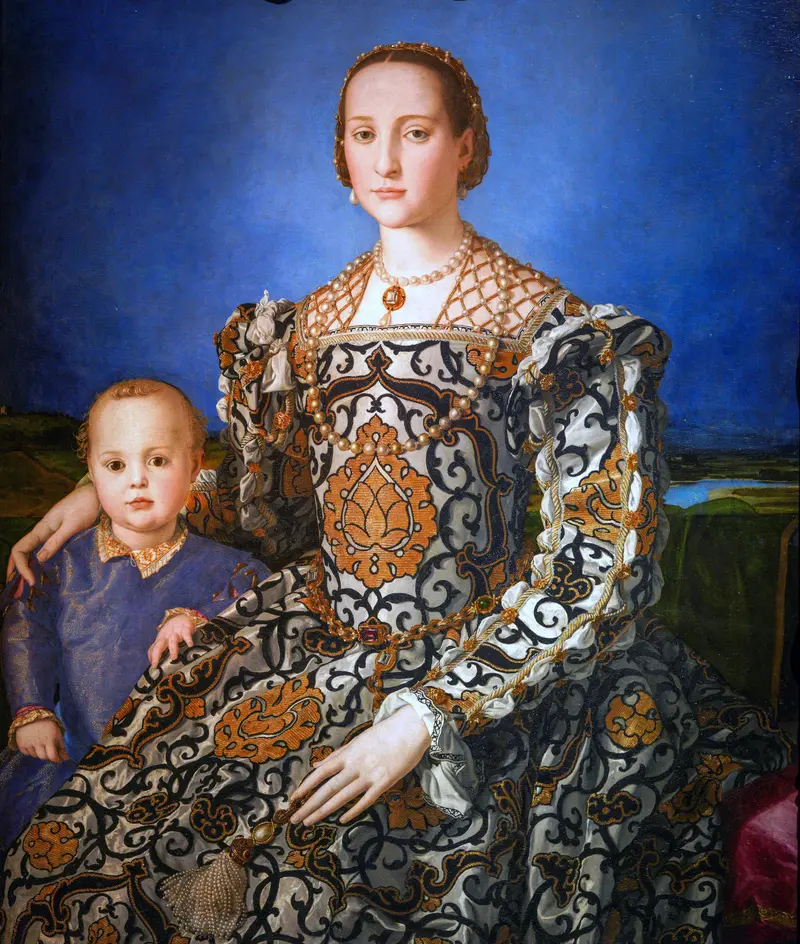
Portrait of Eleanor of Toledo with Her Son Giovanni de’ Medici
Agnolo Bronzino
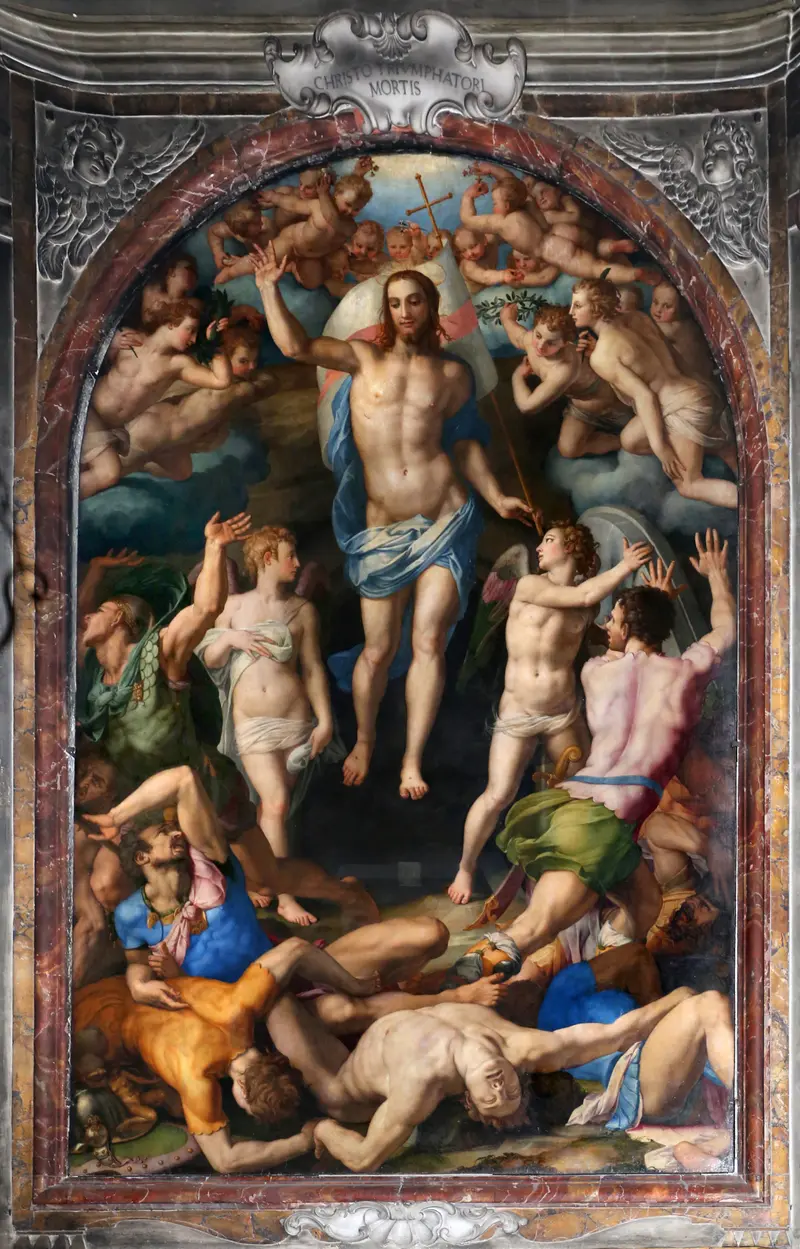
Resurrection Of Christ
Agnolo Bronzino
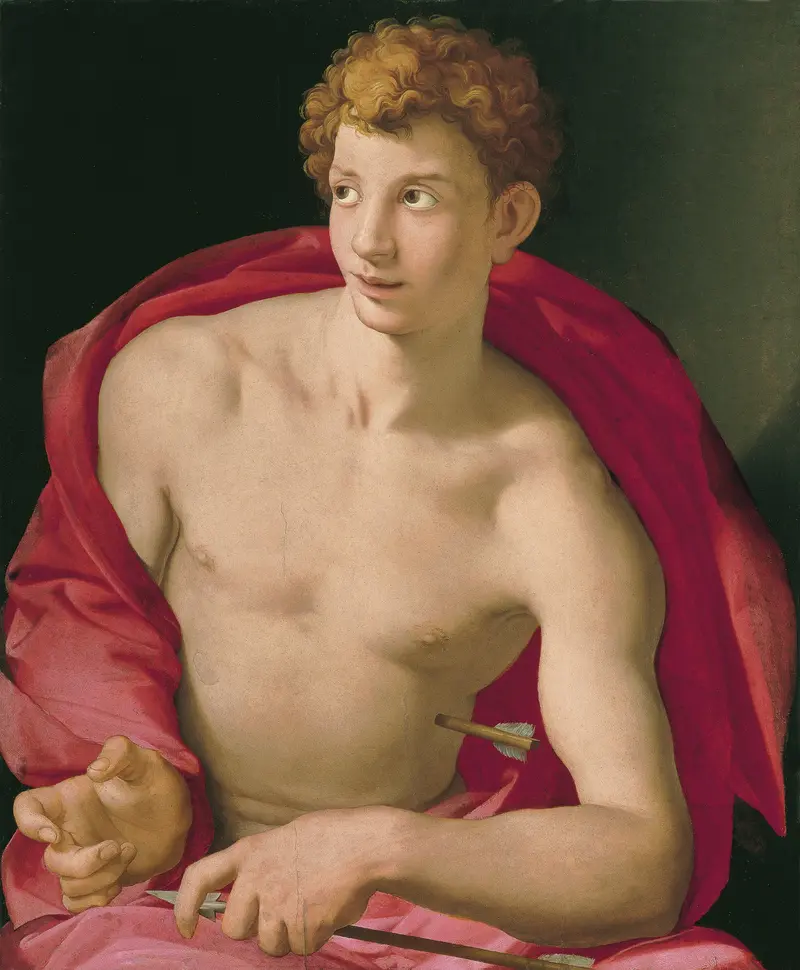
Saint Sebastian
Agnolo Bronzino





