
Portrait of Elena Pavlowski — History & Facts
In 1917, as the world outside Paris trembled under the weight of war, Amedeo Modigliani was quietly making history in his Montparnasse studio. That year, he painted Portrait of Elena Pavlowski, one of a series of striking, elongated likenesses that would become his signature. The sitter, Elena Pavlowski, was a Russian émigrée and pianist, part of the same bohemian circles as Modigliani himself.
This portrait is remarkable not only for its elegant simplicity, but also because it marks a moment when Modigliani, struggling with illness and poverty, found both inspiration and solace in the faces of friends and acquaintances. The painting stands as a testament to the artist’s ability to distill character through form, even in the most uncertain times. Elena sits upright, her slender neck and oval face rendered with the stylized elongation that defines Modigliani’s approach. Her almond-shaped eyes—one of them left hauntingly blank—invite speculation: is this a nod to the sitter’s inner world, or a deliberate choice to universalize her features? The muted palette and the gentle curve of her posture lend the portrait a quiet introspection.
Unlike the detailed psychological studies of John Singer Sargent or the lush realism of Renoir, Modigliani pares away all but the essential, focusing on the sitter’s silhouette and gaze. The result is a portrait that is both intimate and enigmatic, capturing a fleeting sense of presence rather than a fixed likeness. The early history of Portrait of Elena Pavlowski is not fully documented, typical for many of Modigliani’s works, which often passed through the hands of friends or sympathetic collectors rather than official patrons. The painting’s whereabouts for much of the twentieth century remain unclear, as is common with works from the artist’s brief but prolific Paris years.
Today, it is recognized as a key example of Modigliani’s mature style, produced during a period of intense creativity before his untimely death in 1920. The portrait’s enduring appeal lies in its delicate balance between abstraction and specificity—a hallmark of the artist’s vision that continues to captivate viewers, wherever the painting may now reside.
More Artworks by Amedeo Modigliani
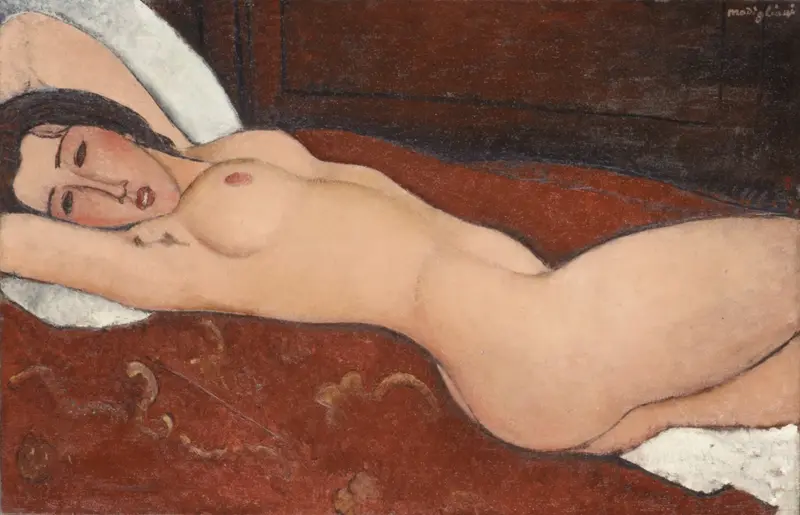
Reclining Nude
Amedeo Modigliani

Portrait Of Jeanne Hébuterne
Amedeo Modigliani

Jeanne Hébuterne
Amedeo Modigliani
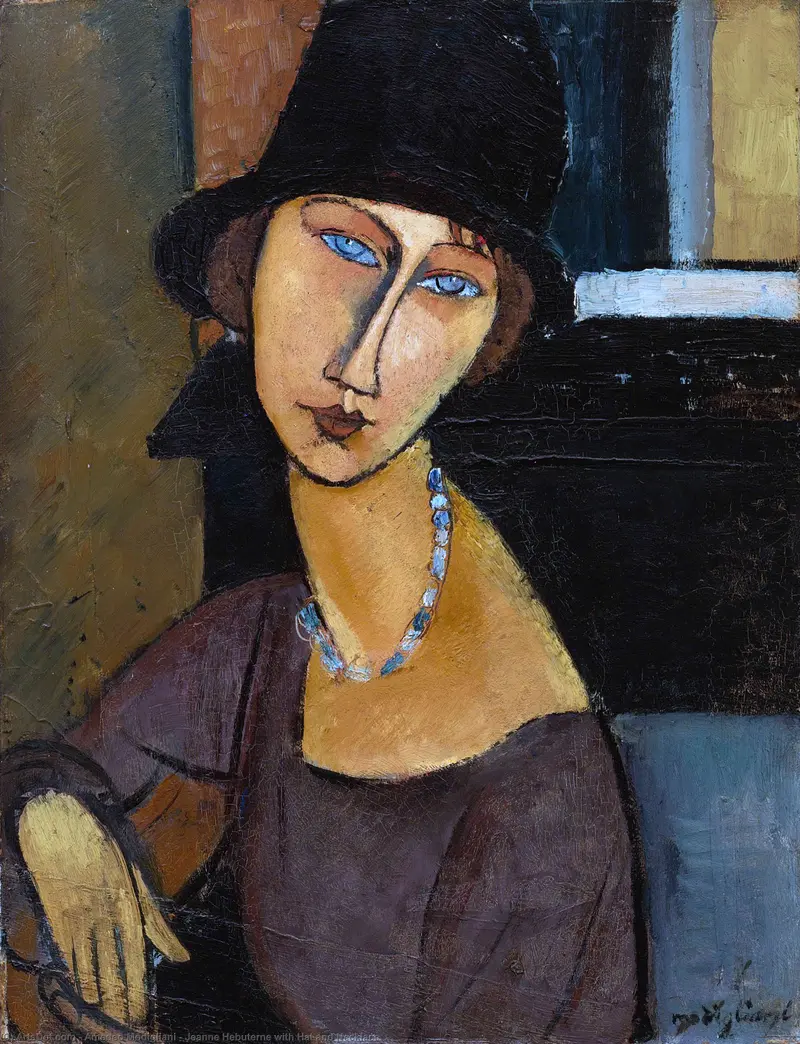
Jeanne Hébuterne with Hat and Necklace
Amedeo Modigliani
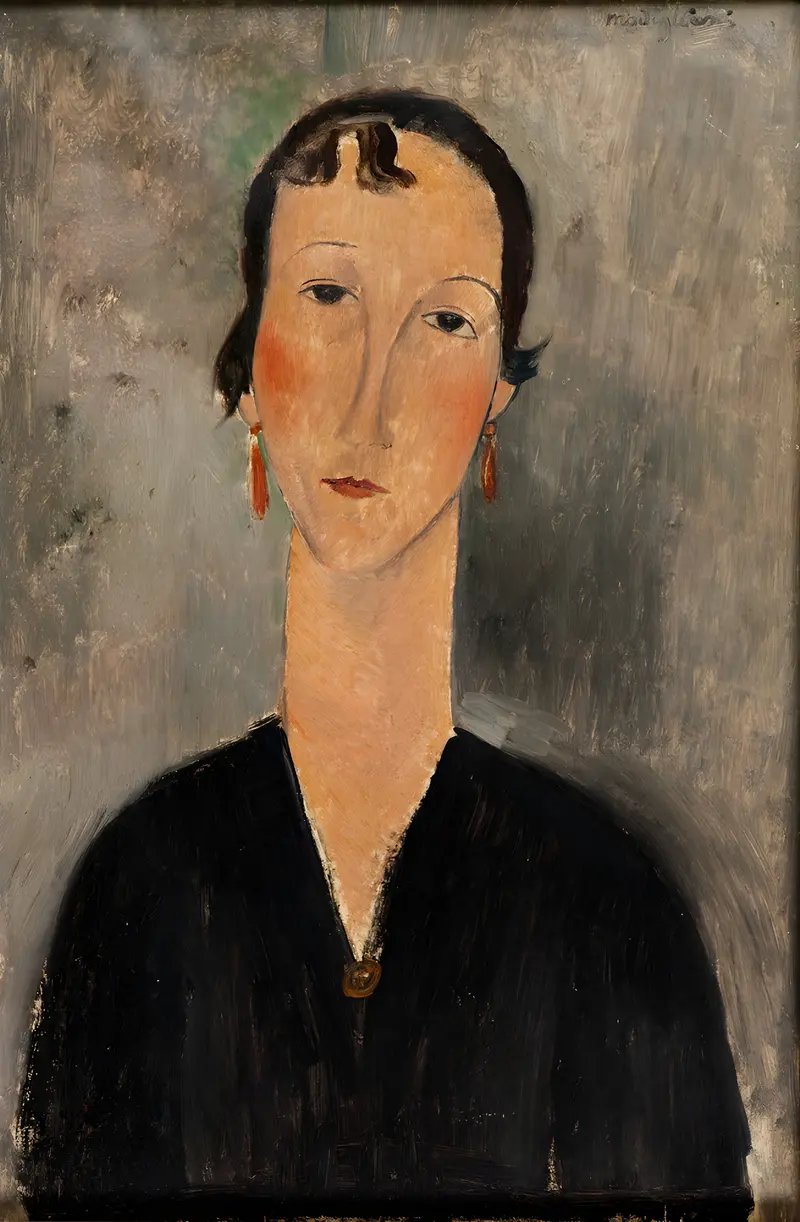
Femme aux boucles d'oreilles
Amedeo Modigliani
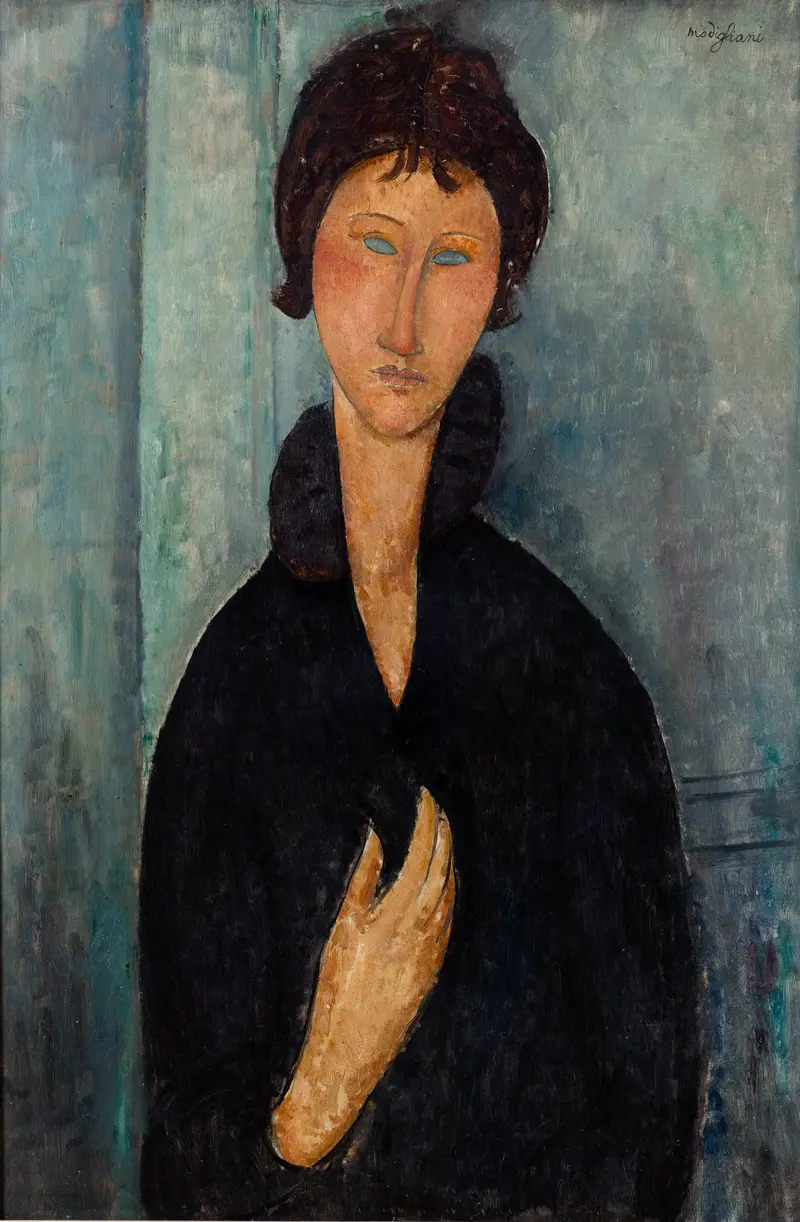
Femme aux yeux bleus
Amedeo Modigliani
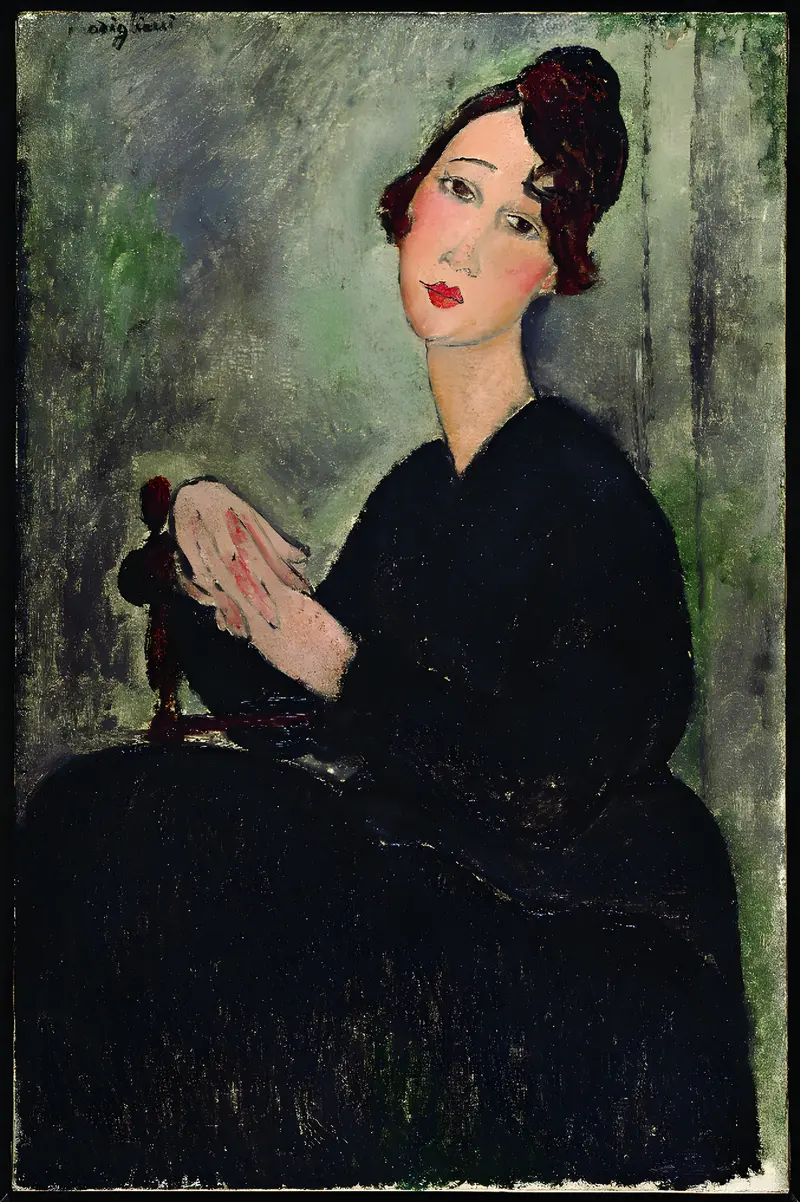
Portrait of Dedie
Amedeo Modigliani
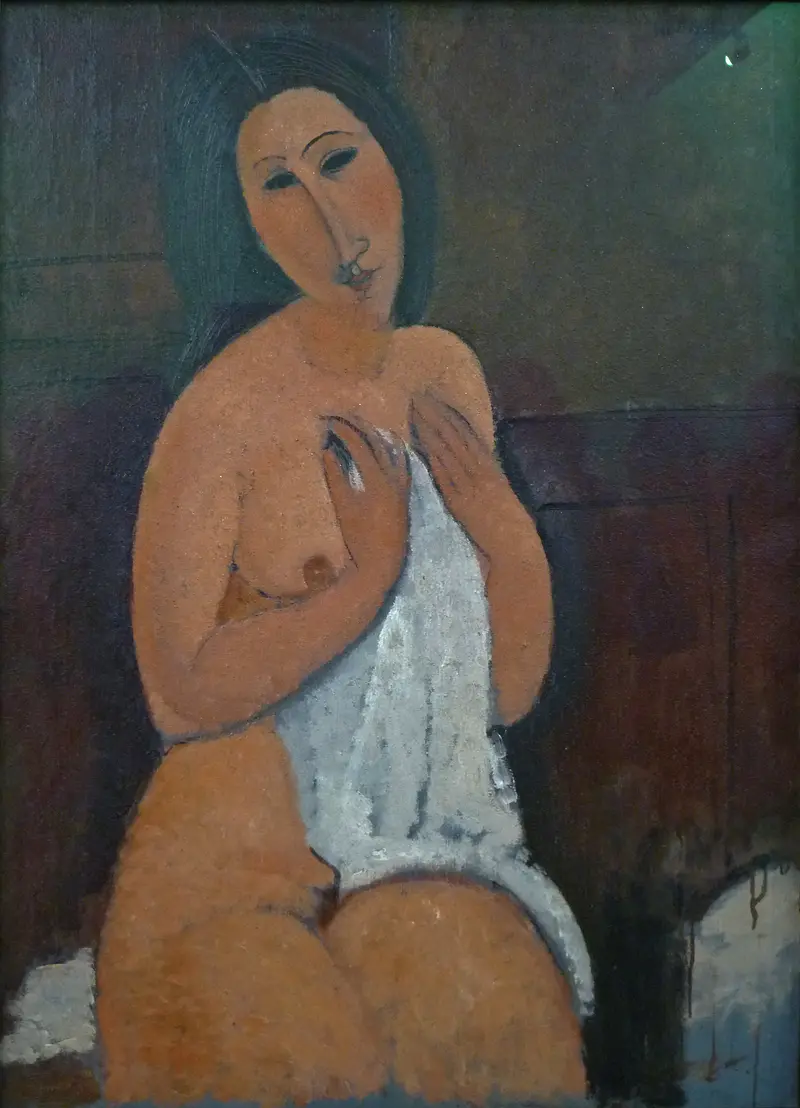
Seated nude with shirt
Amedeo Modigliani
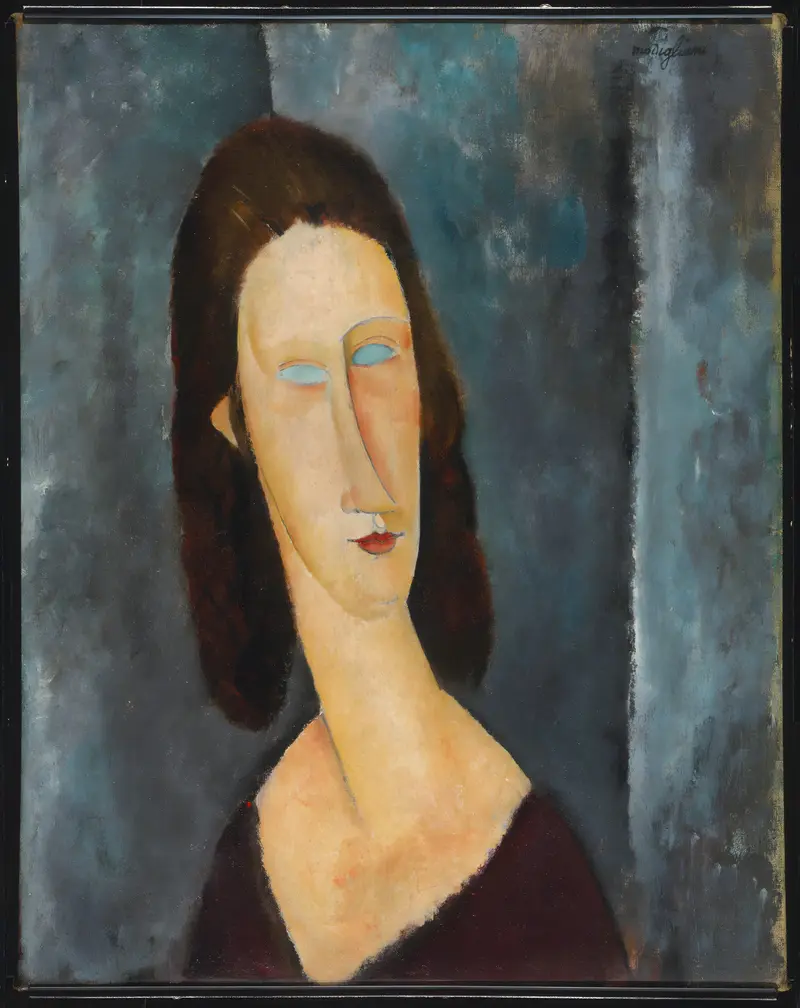
Blue Eyes (Portrait of Madame Jeanne Hébuterne)
Amedeo Modigliani
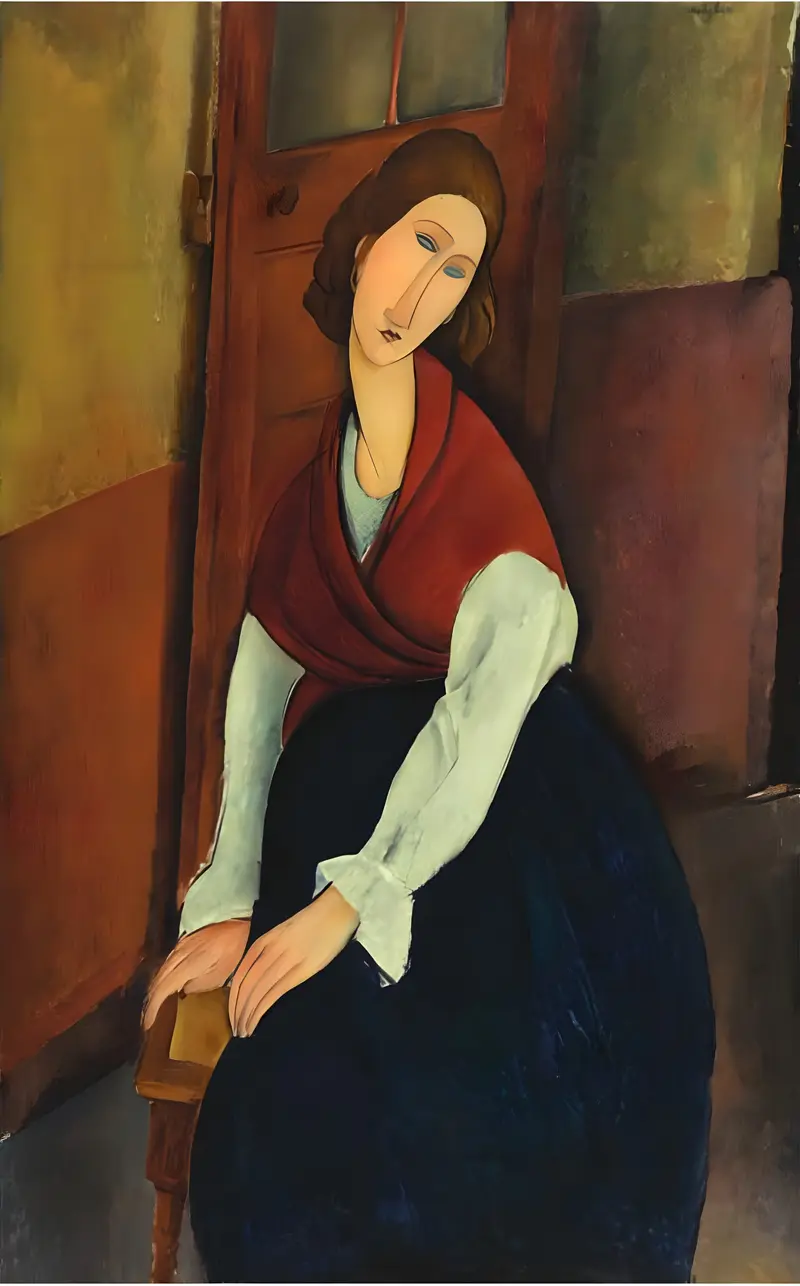
Jeanne Hebuterne in Red Shawl
Amedeo Modigliani





