
Portrait of Gerrit Verdooren (1757-1824) — History & Facts
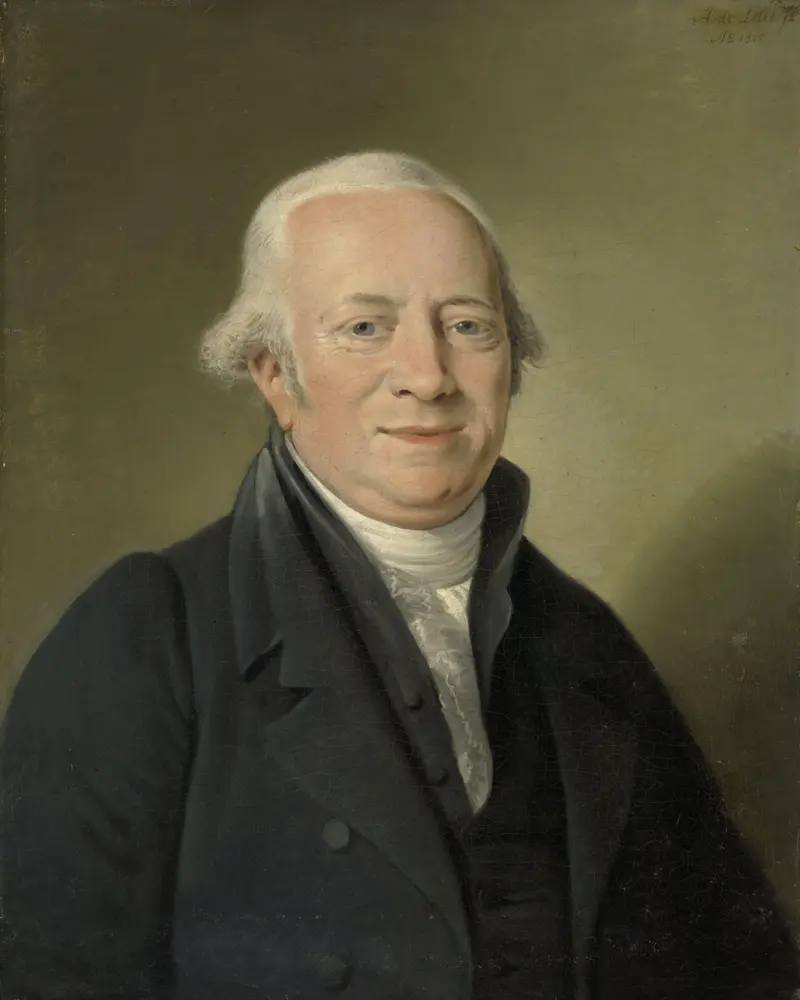
What first draws the eye in Portrait of Gerrit Verdooren is the crisp, almost sculptural clarity with which the sitter’s medals and epaulettes are rendered, their gold and white gleam set against the deep navy of his uniform. The artist, Adriaan de Lelie, has chosen a moment of calm authority: Verdooren faces us directly, his right hand tucked into his coat in a gesture that signals both command and composure, a pose familiar from portraits of statesmen and military leaders of the era. The background is kept deliberately plain, ensuring that nothing distracts from the sitter’s steady gaze and the proud insignia that mark his rank.
The flush in his cheeks and the careful modeling of his features suggest a man who has weathered both wind and responsibility, yet stands unbowed. Every detail, from the crisp white collar to the intricate gold braid, is a statement of service and status. This is a portrait born of the early nineteenth century, a time when the Netherlands was reshaping its identity after years of upheaval. Portraits like this, painted between 1814 and 1820, served not only as personal tributes but as public affirmations of loyalty and achievement—often commissioned by families or institutions eager to record their heroes for posterity.
The vice-admiral’s decorations, especially the prominent cross of the Order of the Netherlands Lion, speak to the new honors and hierarchies of a restored monarchy. Adriaan de Lelie was known for his precise, honest likenesses, and here he offers a record not just of a man, but of a moment when uniforms and medals carried the weight of a nation’s hopes. The painting now resides in the Rijksmuseum, a reminder that history is often written in faces as much as in books—look again, and the sitter’s calm meets your own.
More Artworks by Adriaan de Lelie
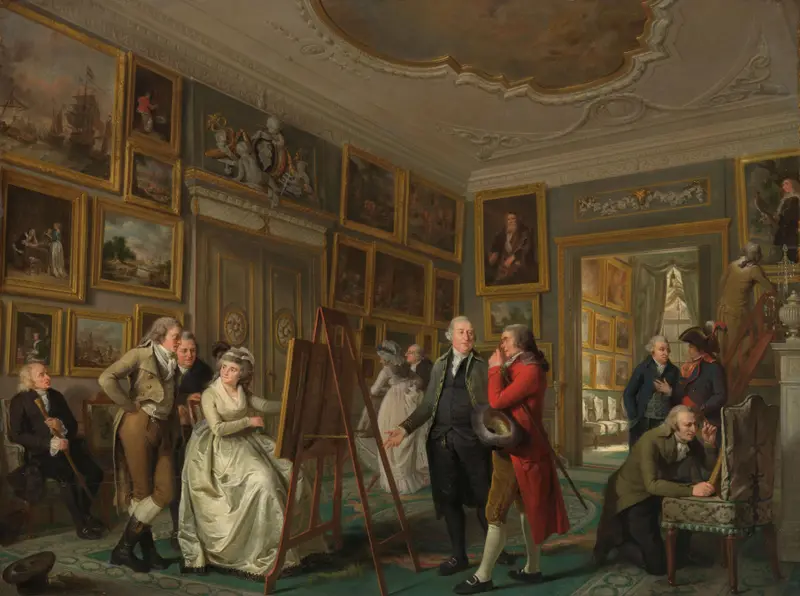
The Art Gallery of Jan Gildemeester Jansz
Adriaan de Lelie
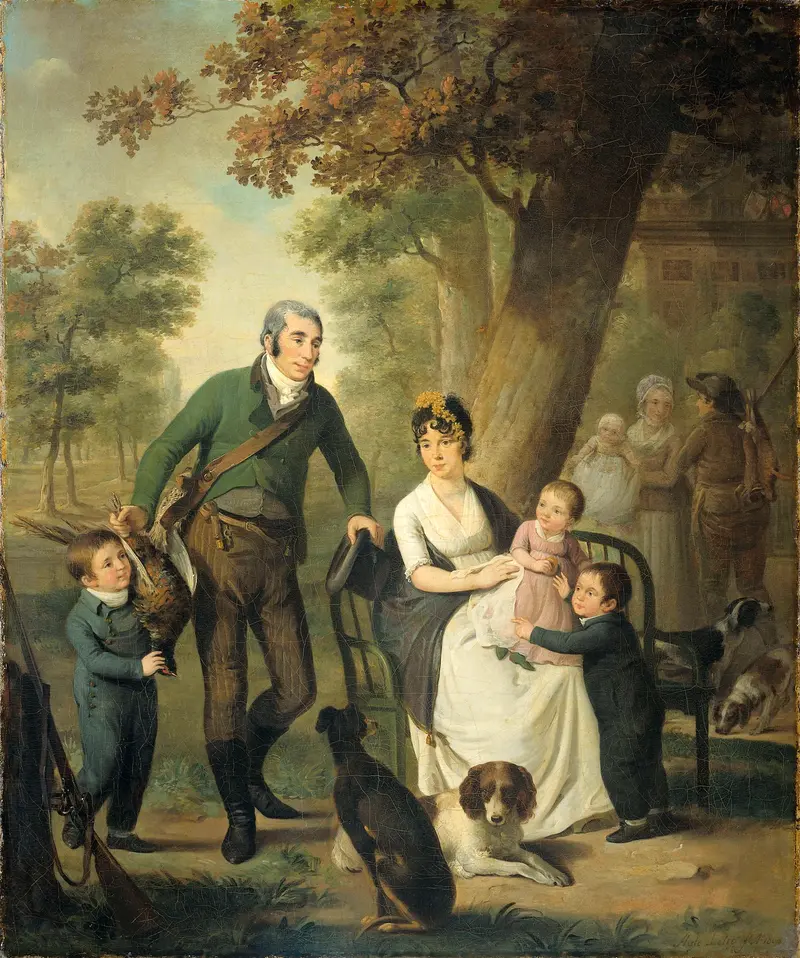
Jonkheer Gysbert Carel Rutger Reinier van Brienen van Ramerus(1771-1821), with his Wife and four of their Children
Adriaan de Lelie
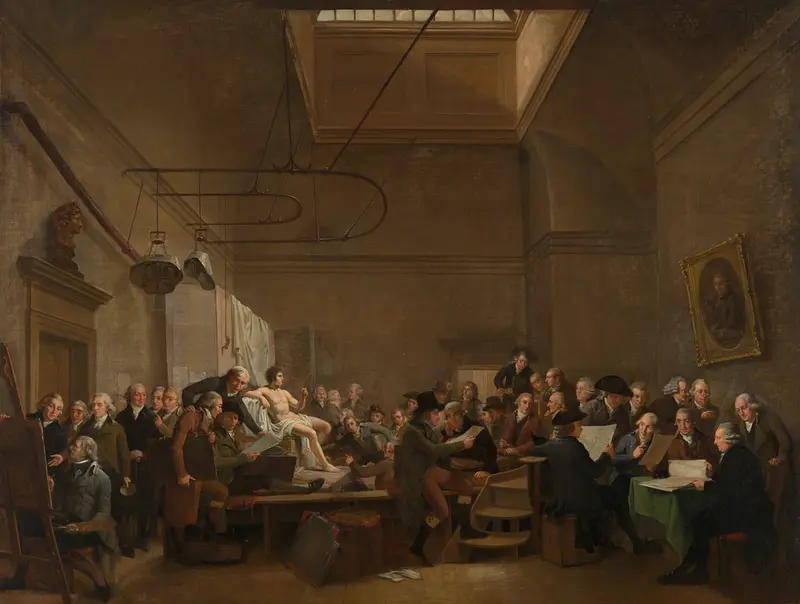
The Drawing Gallery of the Felix Meritis Society
Adriaan de Lelie
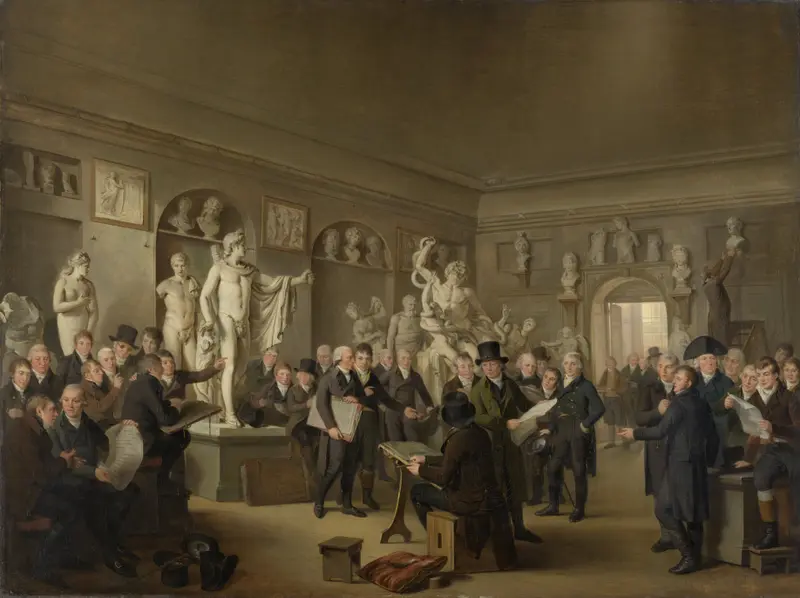
The Sculpture Gallery of the Felix Meritis Society
Adriaan de Lelie
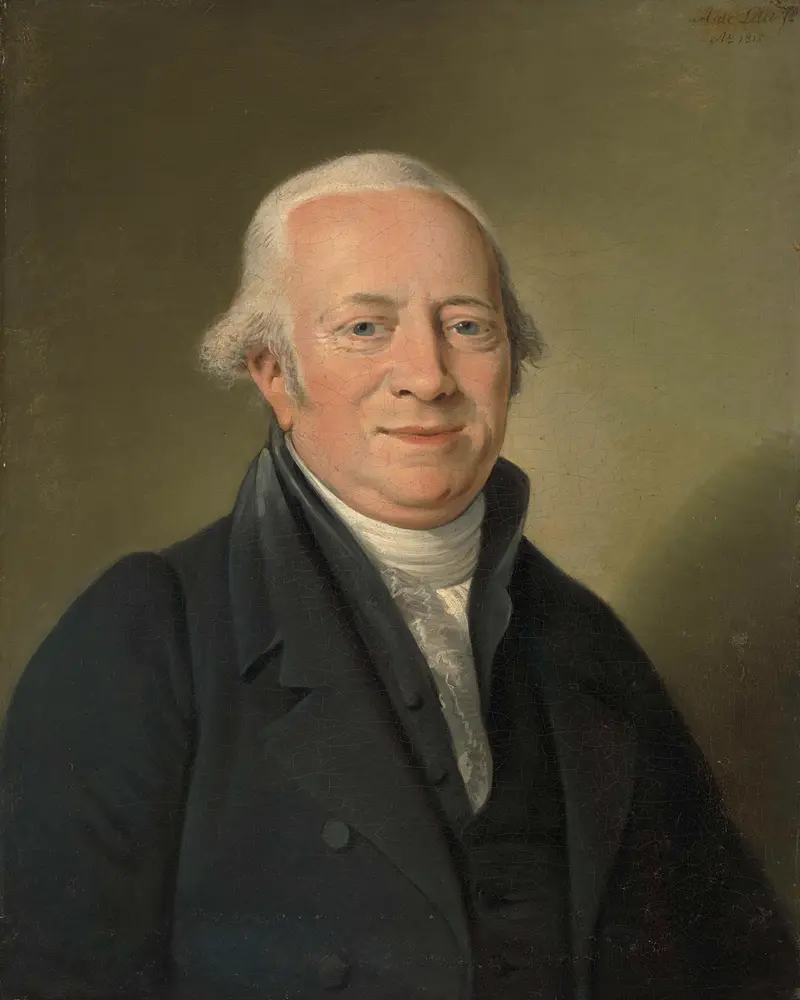
Cornelis Sebille Roos (1754-1820), Amsterdam Art Dealer and Keeper of the Nationale Konst-Gallery in Huis ten Bosch, The Hague
Adriaan de Lelie
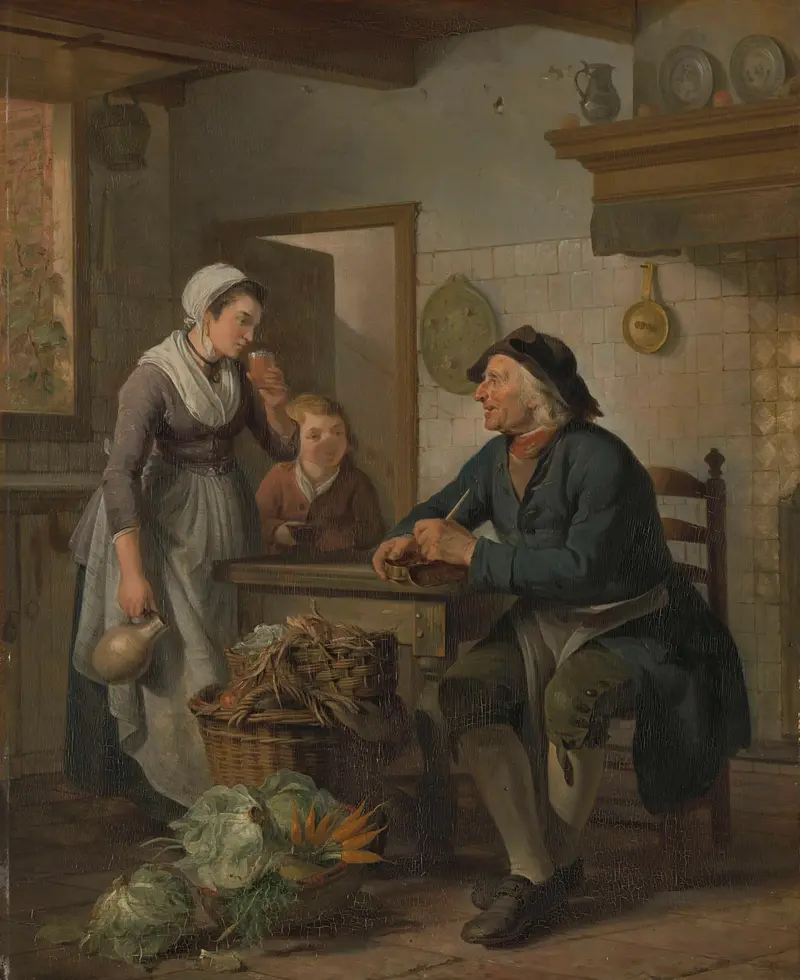
Morning Visit
Adriaan de Lelie
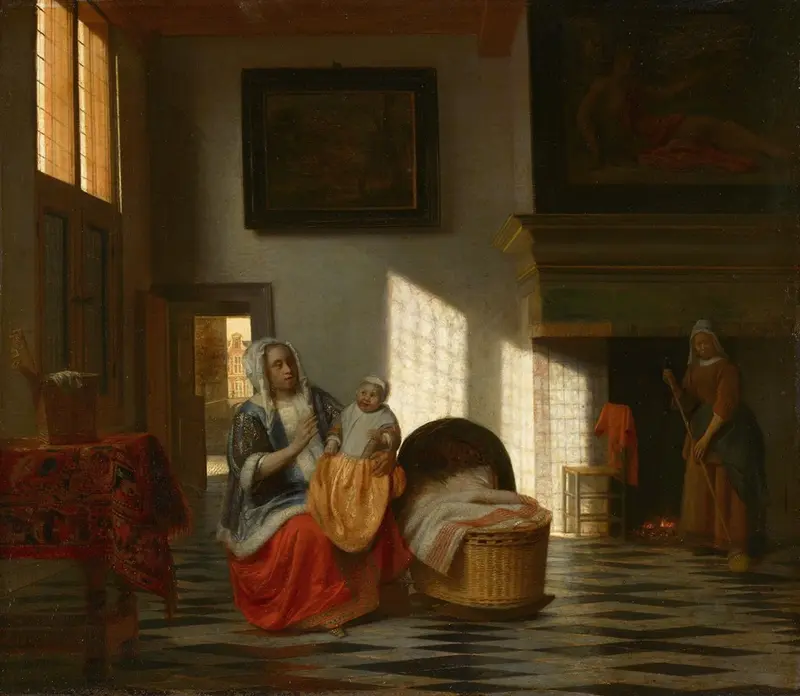
Mother and Two Children with Still Life
Adriaan de Lelie
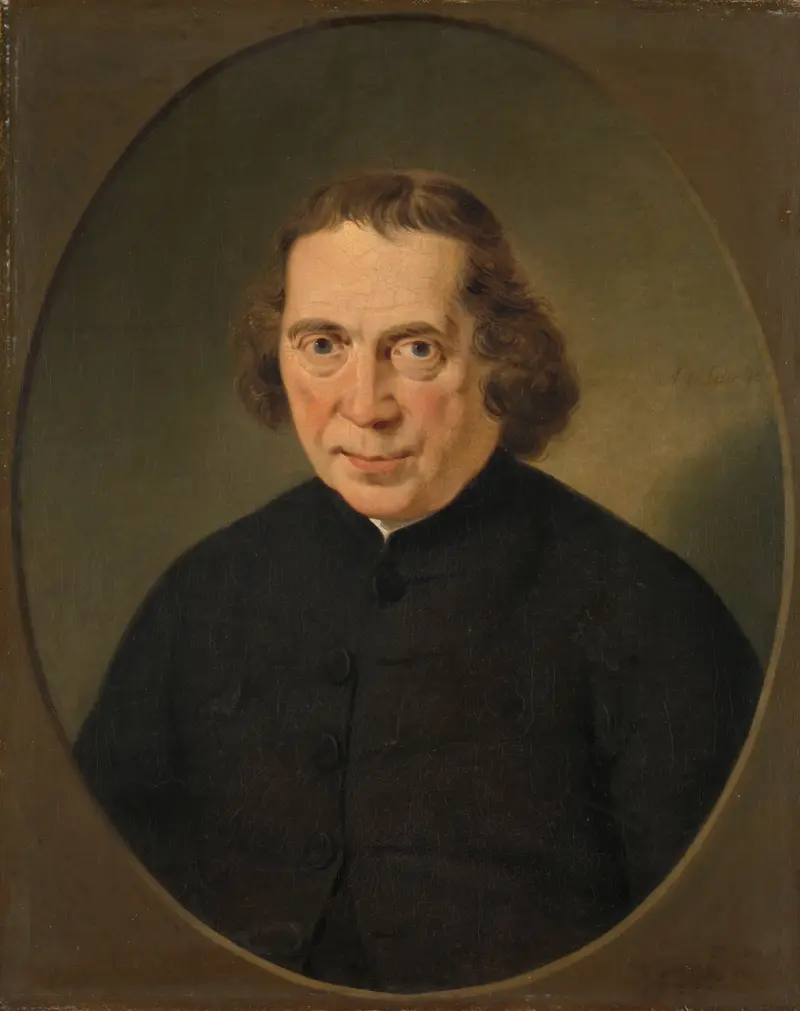
Portrait of Jan Nieuwenhuyzen
Adriaan de Lelie
Portrait of Cornelis Sebille Roos, Art Dealer in Amsterdam and Inspector of the National Konst-Gallery and the Huis ten Bosch in The Hague
Adriaan de Lelie
Musical family
Adriaan de Lelie





