
Portrait of Guidobaldo II della Rovere — History & Facts
It is the gaze that first catches you: steady, direct, and edged with a quiet confidence that seems to fill the dimly-lit space. The man stands in rich, dark attire, his clothing a latticework of black and gold that signals both wealth and martial discipline. His right hand rests lightly on a plumed helmet, while his left falls with gentle assurance on the head of a pale, powerful dog—an emblem of loyalty and status.
The sharp play of light across his face and hands draws the eye to the instruments of power and identity, while the muted background lets the figure emerge, almost as if stepping out from shadow into the viewer’s presence. Painted between 1531 and 1532, this portrait by Agnolo Bronzino belongs to a world where image was inseparable from authority. Portraits of this kind, especially in the courts of Renaissance Italy, were not mere likenesses but statements of lineage, virtue, and ambition—commissioned by noble families to assert their place in a shifting landscape of alliances and rivalries. The sitter, Guidobaldo II della Rovere, is presented as both courtier and commander, his costume and companion dog weaving together the threads of chivalry and command.
That the work was once thought to depict Ippolito de’ Medici hints at the uncertainties that can surround such images, even as they endure in collections like those catalogued by The Yorck Project. The painting invites you to look again, to weigh the details and imagine the world of power and performance it was made to serve.
More Artworks by Agnolo Bronzino

Eleonora Of Toledo
Agnolo Bronzino
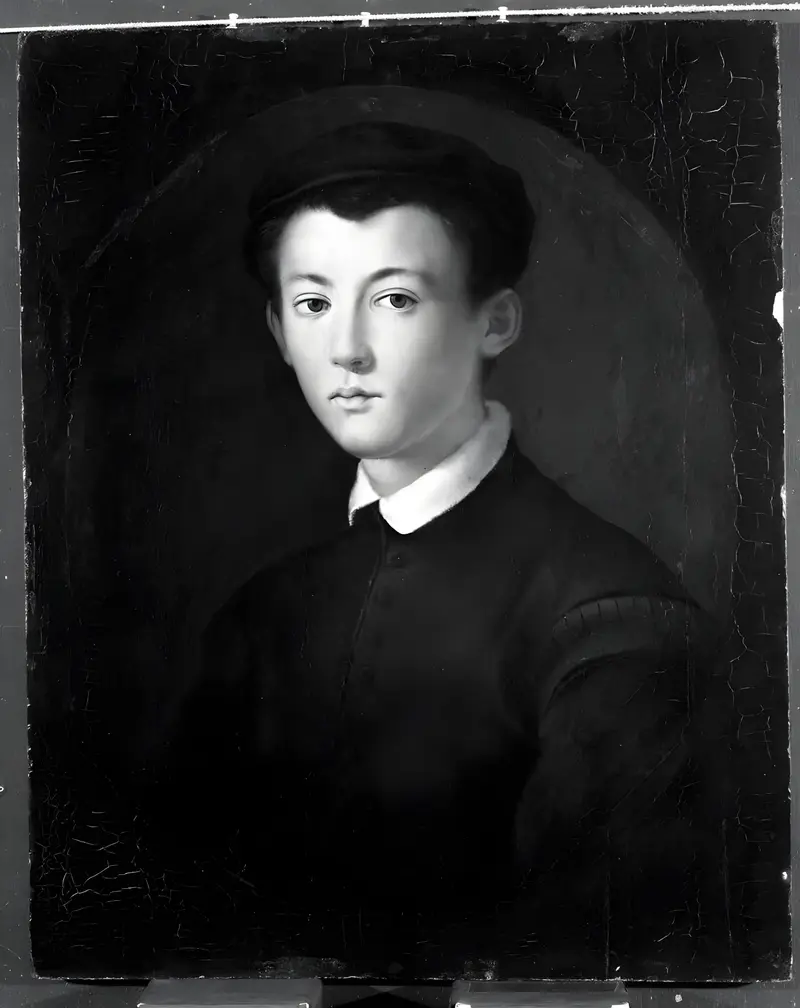
Portrait of a Young Man
Agnolo Bronzino
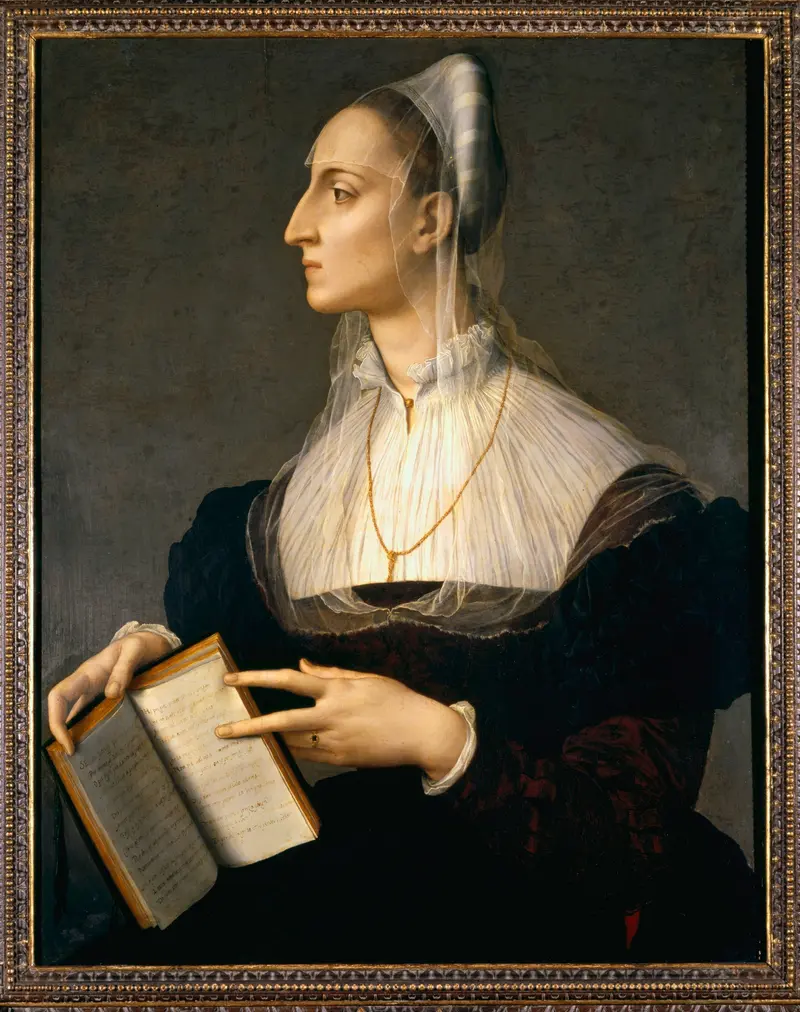
Portrait Of Laura Battiferri
Agnolo Bronzino

Venus, Cupid And Satyr
Agnolo Bronzino
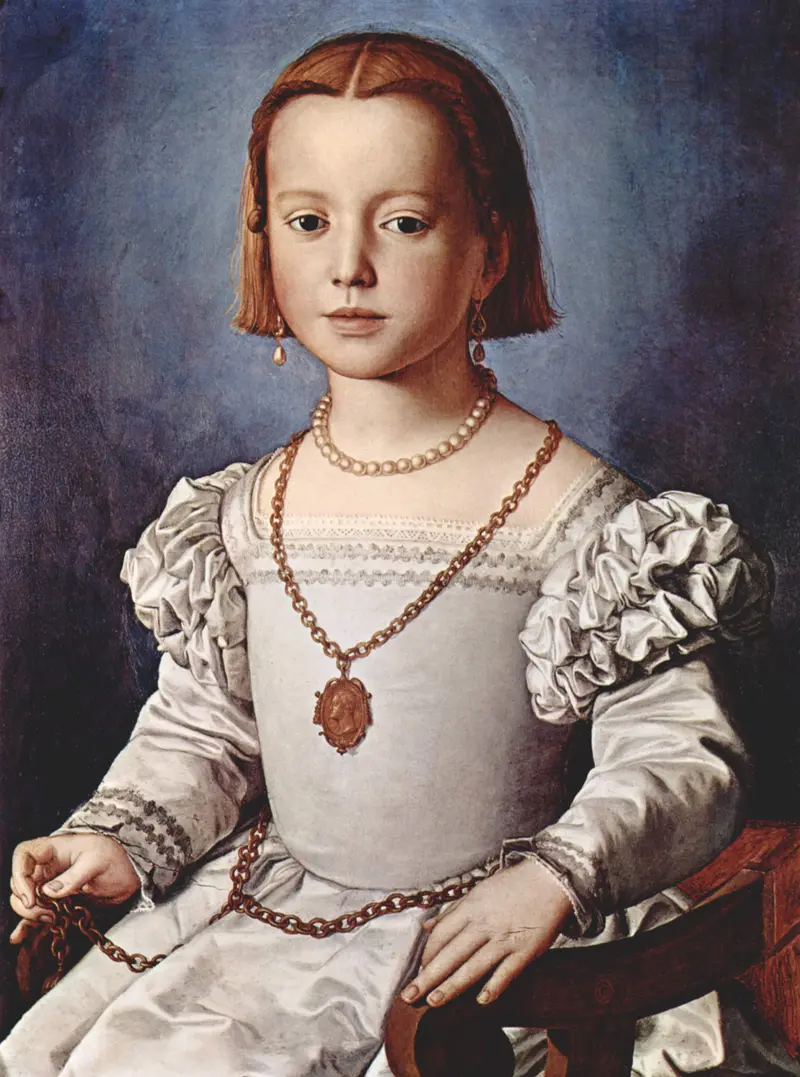
Bia Di Cosimo De‘ Medici
Agnolo Bronzino
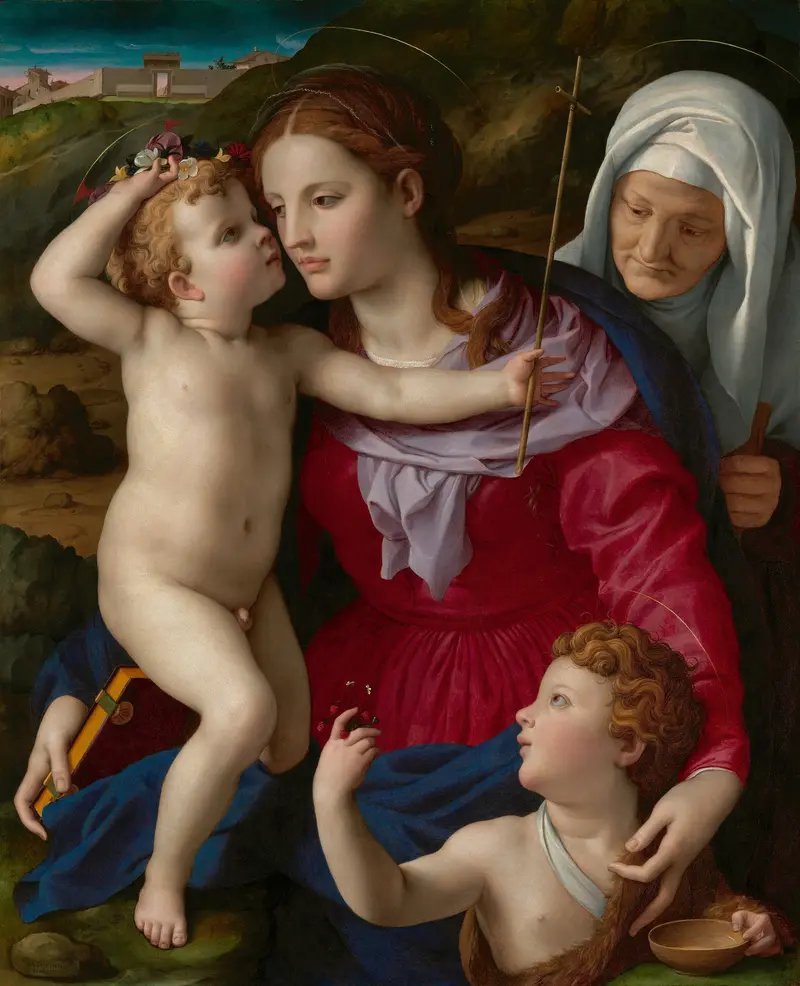
Virgin and Child with Saint Elizabeth and Saint John the Baptist
Agnolo Bronzino
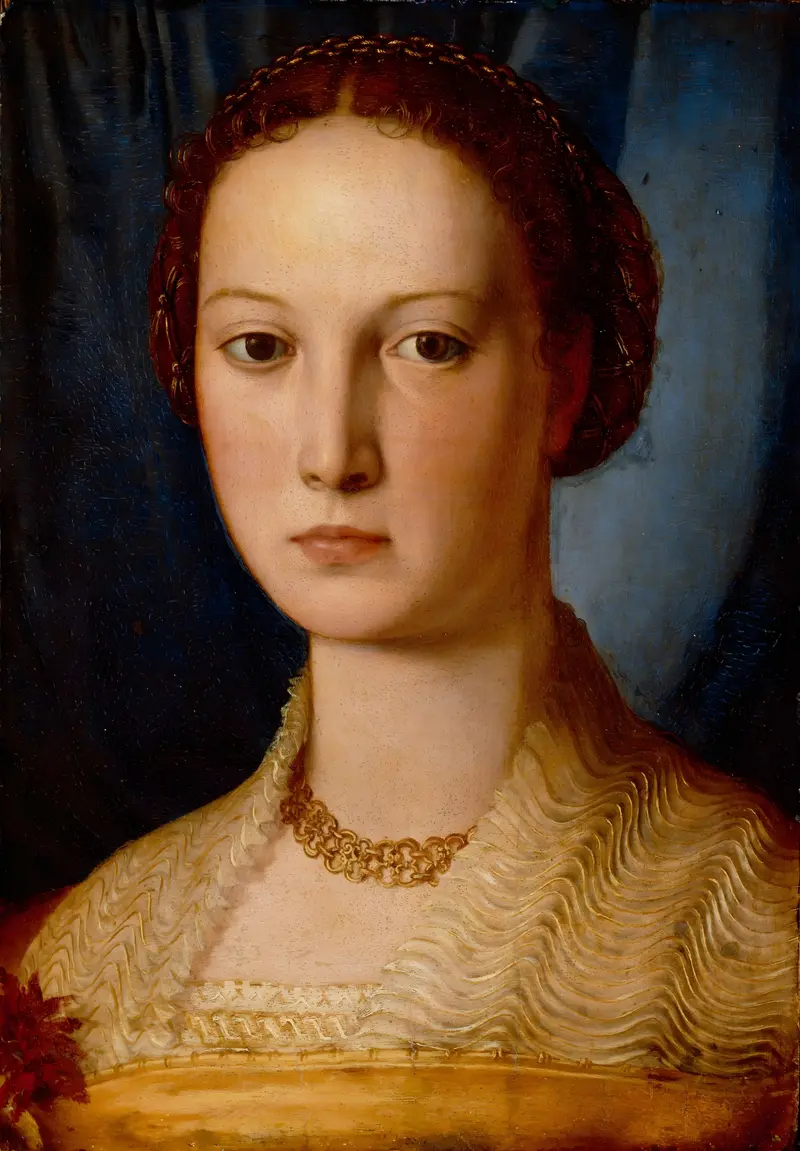
Costanza Da Sommaia
Agnolo Bronzino
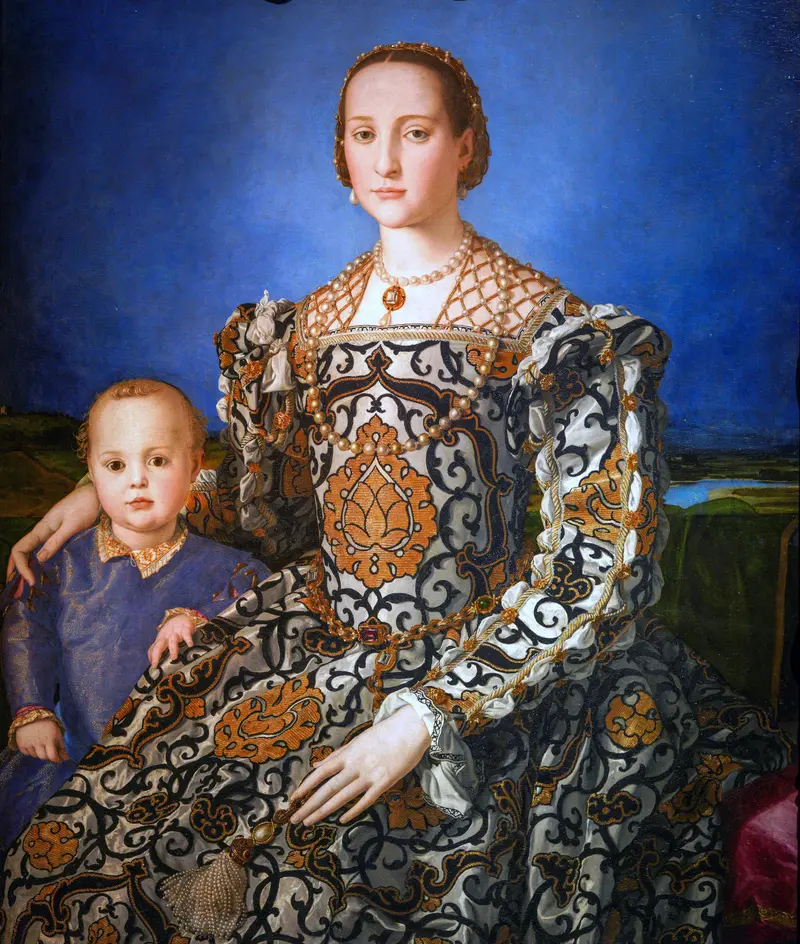
Portrait of Eleanor of Toledo with Her Son Giovanni de’ Medici
Agnolo Bronzino
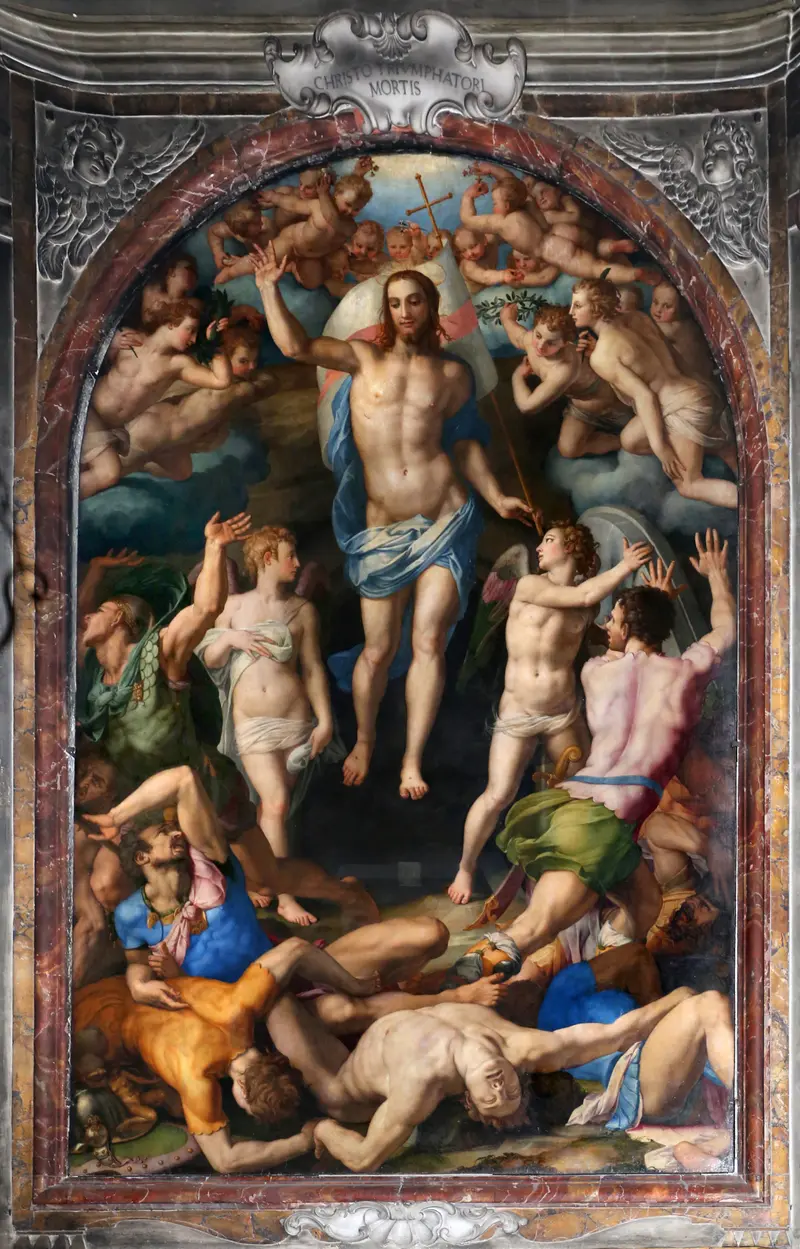
Resurrection Of Christ
Agnolo Bronzino
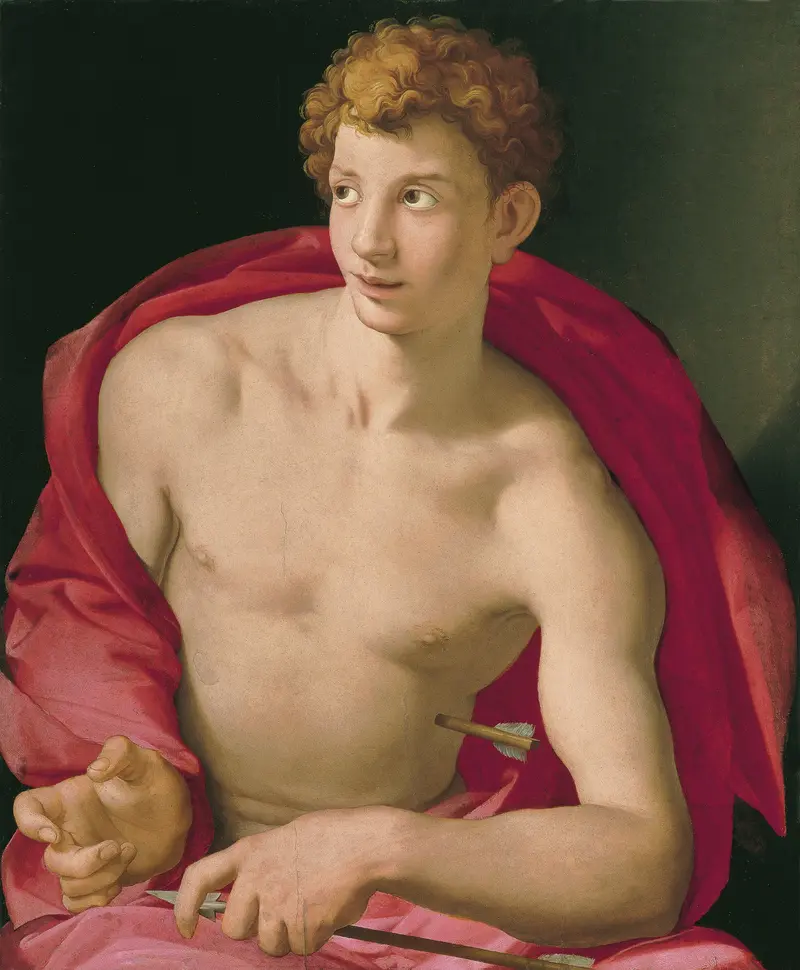
Saint Sebastian
Agnolo Bronzino





