
Portrait of Max Jacob — History & Facts
When Amedeo Modigliani painted his friend Max Jacob in 1916, he was capturing more than just a poet’s likeness—he was immortalizing a key figure of the Parisian avant-garde at a moment of personal and historical upheaval. Jacob, a writer and critic, stood at the heart of the Montparnasse circle, counted among the earliest champions of Pablo Picasso and a confidant to artists and writers who would shape modern art. The portrait is one of only a handful Modigliani made of fellow artists, and it marks a rare instance where sitter and painter were equals in the creative ferment of wartime Paris. In this work, Modigliani presents Jacob with elongated features, almond-shaped eyes, and a mask-like face—a visual language the artist developed to express inner character rather than mere appearance.
Jacob’s head tilts slightly, his gaze direct yet enigmatic, suggesting both vulnerability and strength. The muted palette and simplified forms focus attention on the sitter’s expressive face, while the absence of background detail isolates Jacob in a world of thought. Unlike Picasso’s more analytical portraits of friends, Modigliani’s approach softens and humanizes, inviting the viewer to consider the poet’s inner life rather than his public persona. The precise journey of Portrait of Max Jacob after its creation is not fully documented, but it is known that Modigliani’s portraits from this period were rarely commissioned; instead, he often painted friends and acquaintances from the Montparnasse scene.
The painting’s style marks a mature phase in Modigliani’s brief career, just before his health began to decline. Today, the portrait stands as a testament to the close-knit, creative world of early twentieth-century Paris, and to the enduring bond between painter and poet. Its current home in a major museum collection ensures that both Jacob’s and Modigliani’s legacies remain intertwined for future generations.
More Artworks by Amedeo Modigliani
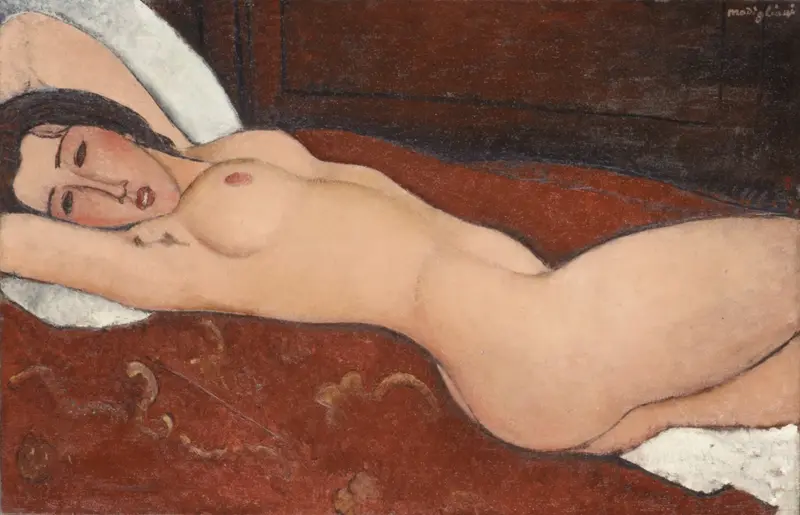
Reclining Nude
Amedeo Modigliani

Portrait Of Jeanne Hébuterne
Amedeo Modigliani

Jeanne Hébuterne
Amedeo Modigliani
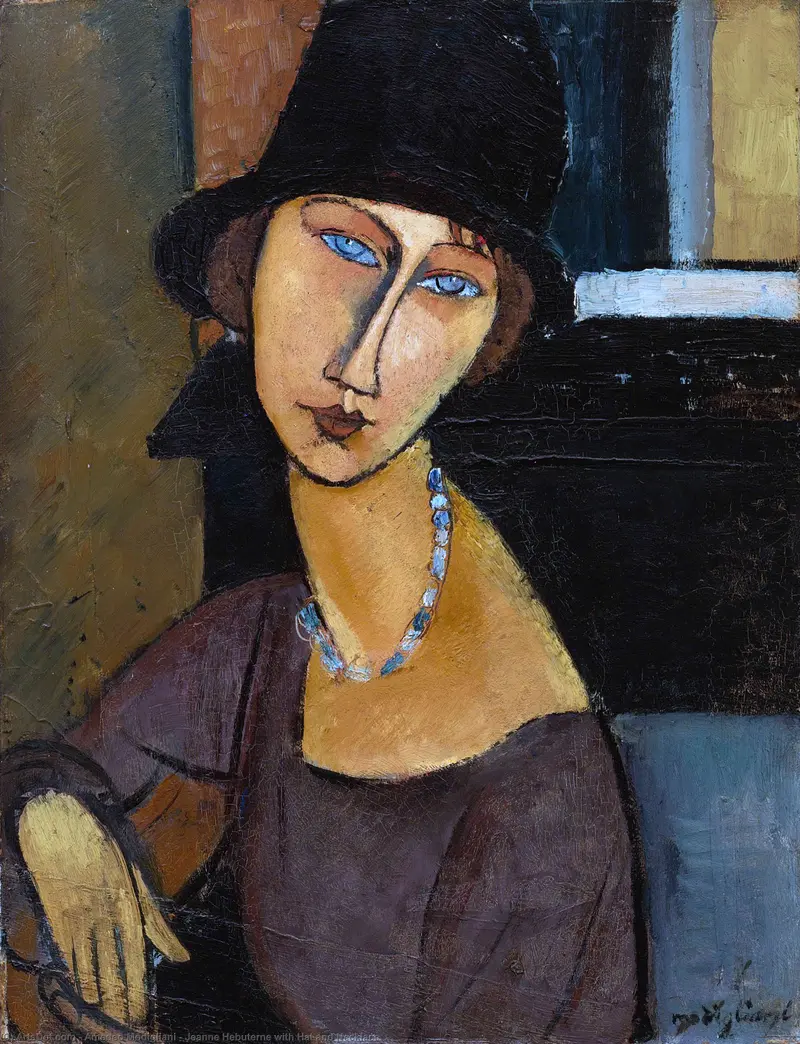
Jeanne Hébuterne with Hat and Necklace
Amedeo Modigliani
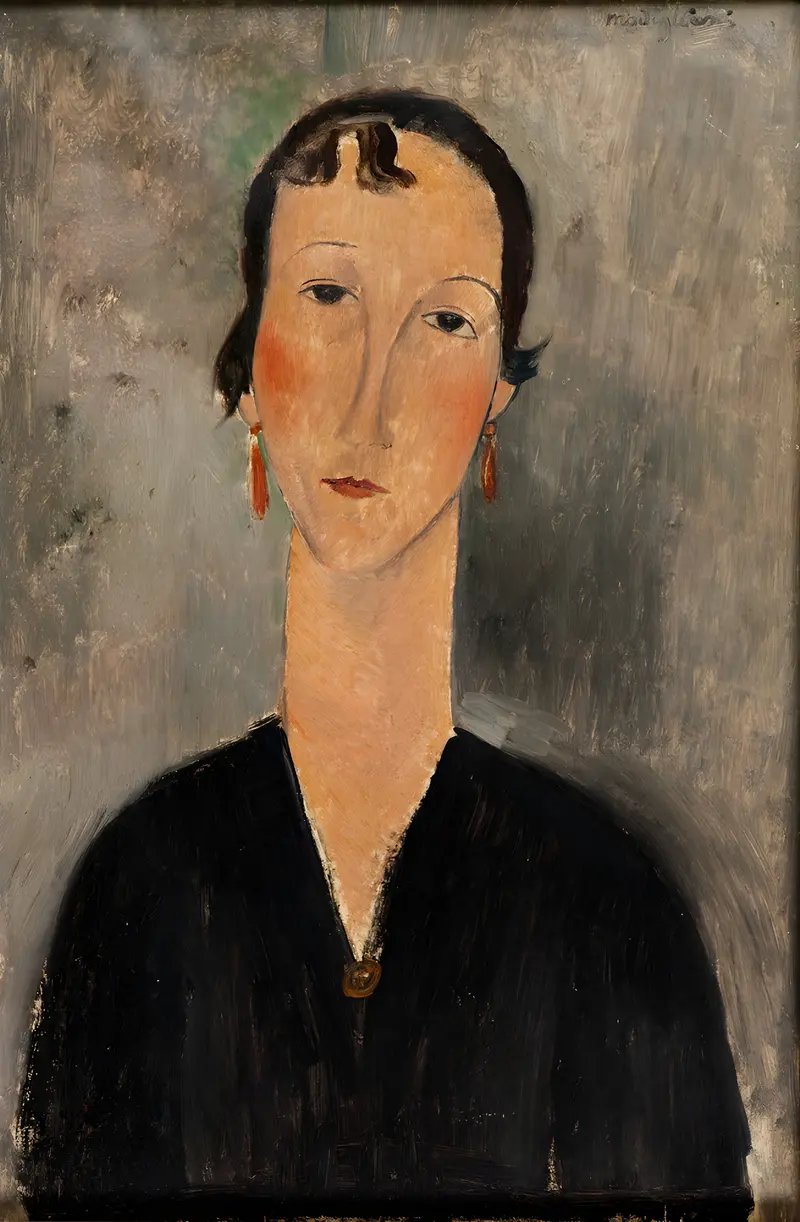
Femme aux boucles d'oreilles
Amedeo Modigliani
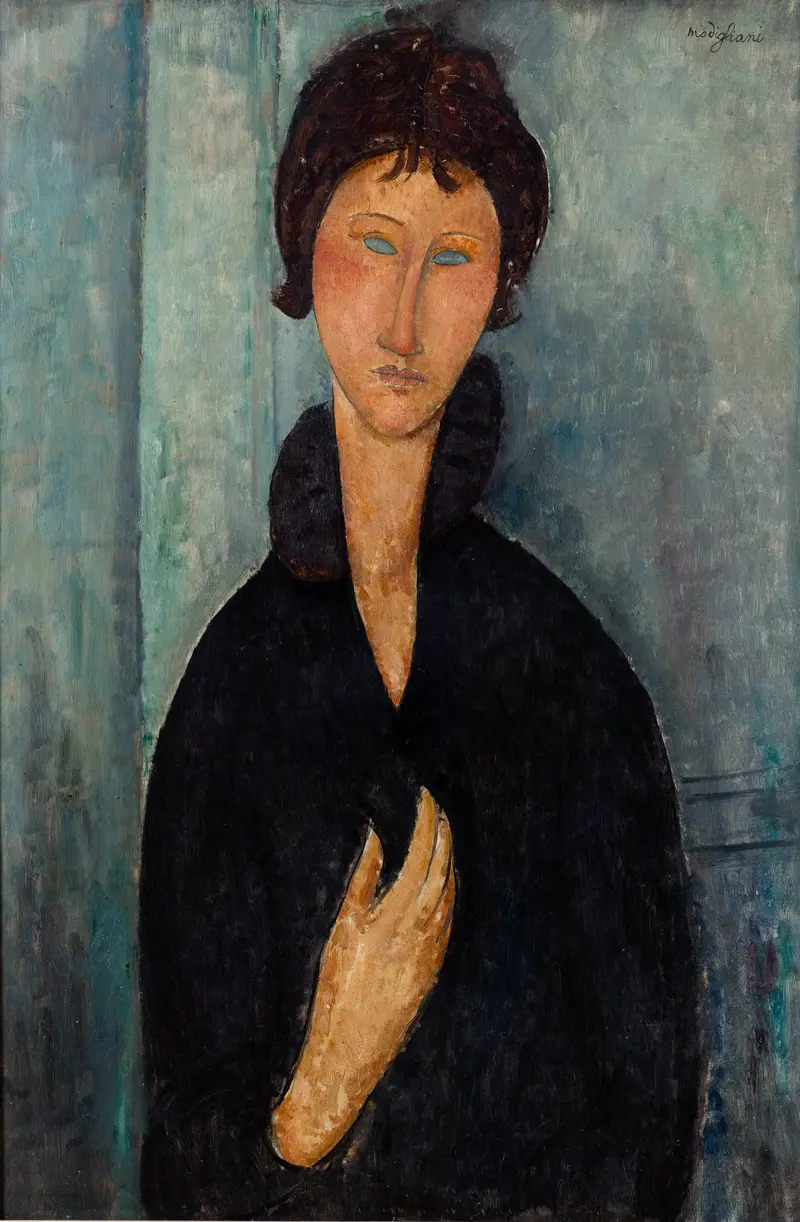
Femme aux yeux bleus
Amedeo Modigliani
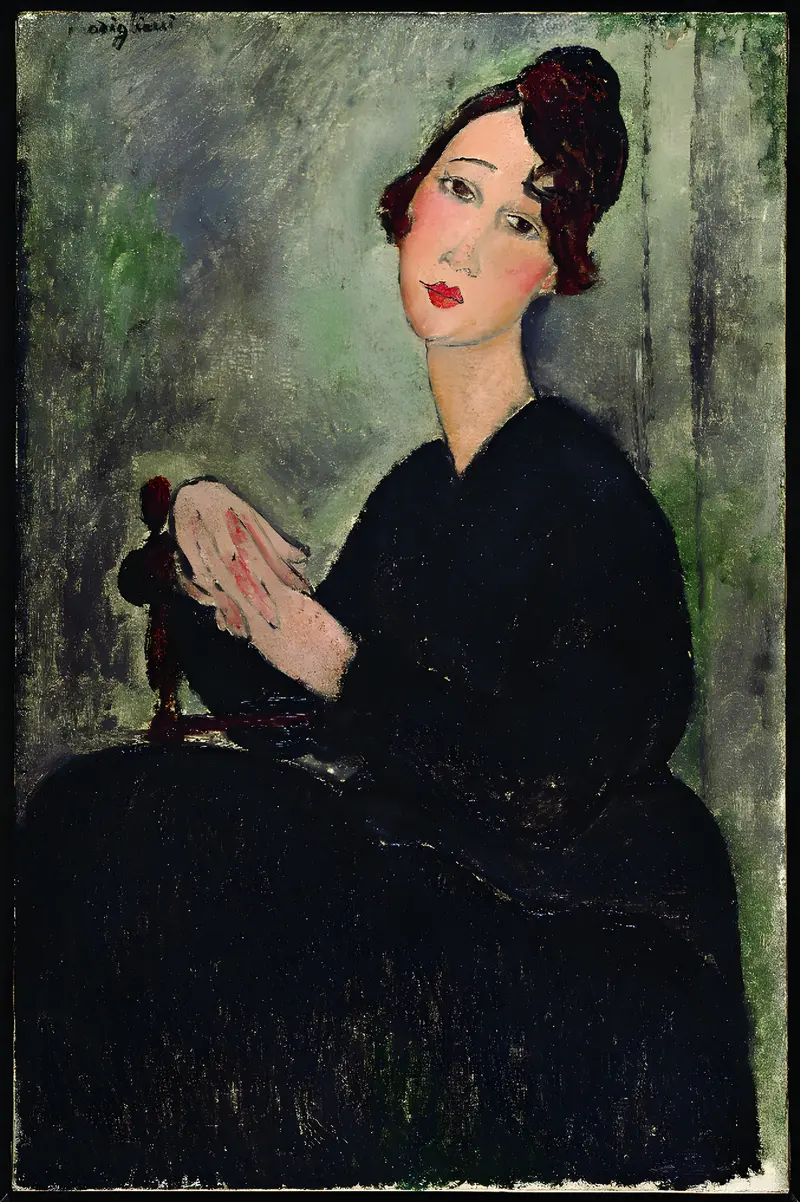
Portrait of Dedie
Amedeo Modigliani
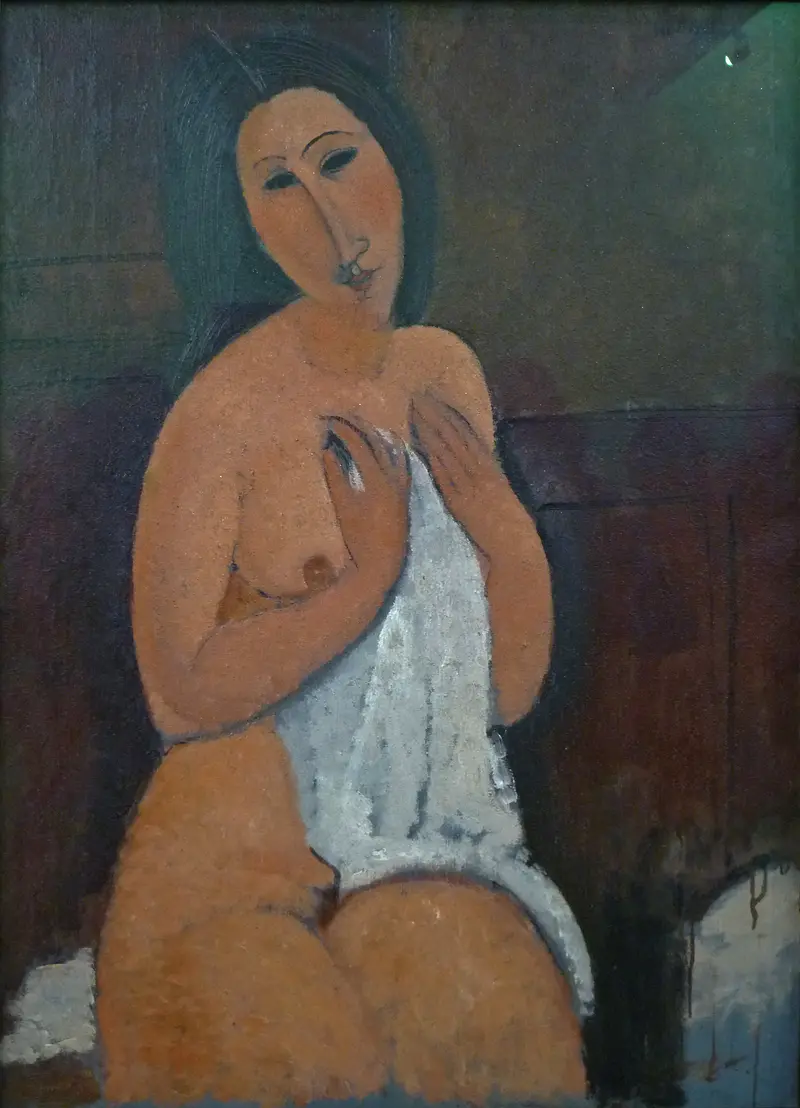
Seated nude with shirt
Amedeo Modigliani
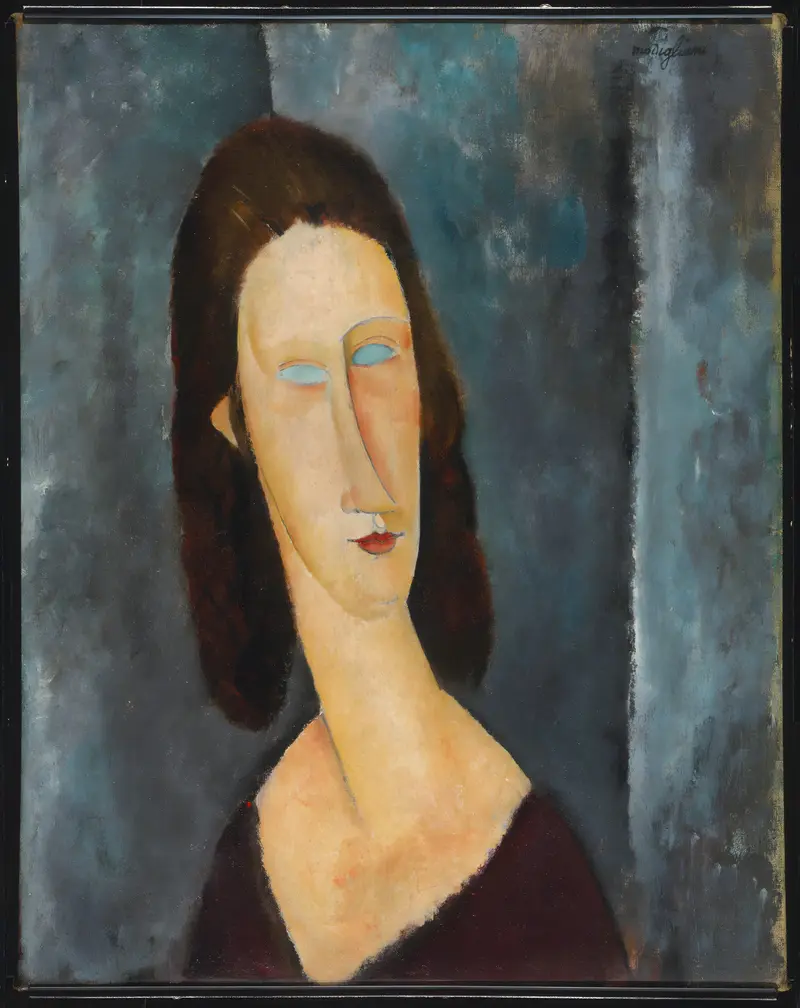
Blue Eyes (Portrait of Madame Jeanne Hébuterne)
Amedeo Modigliani
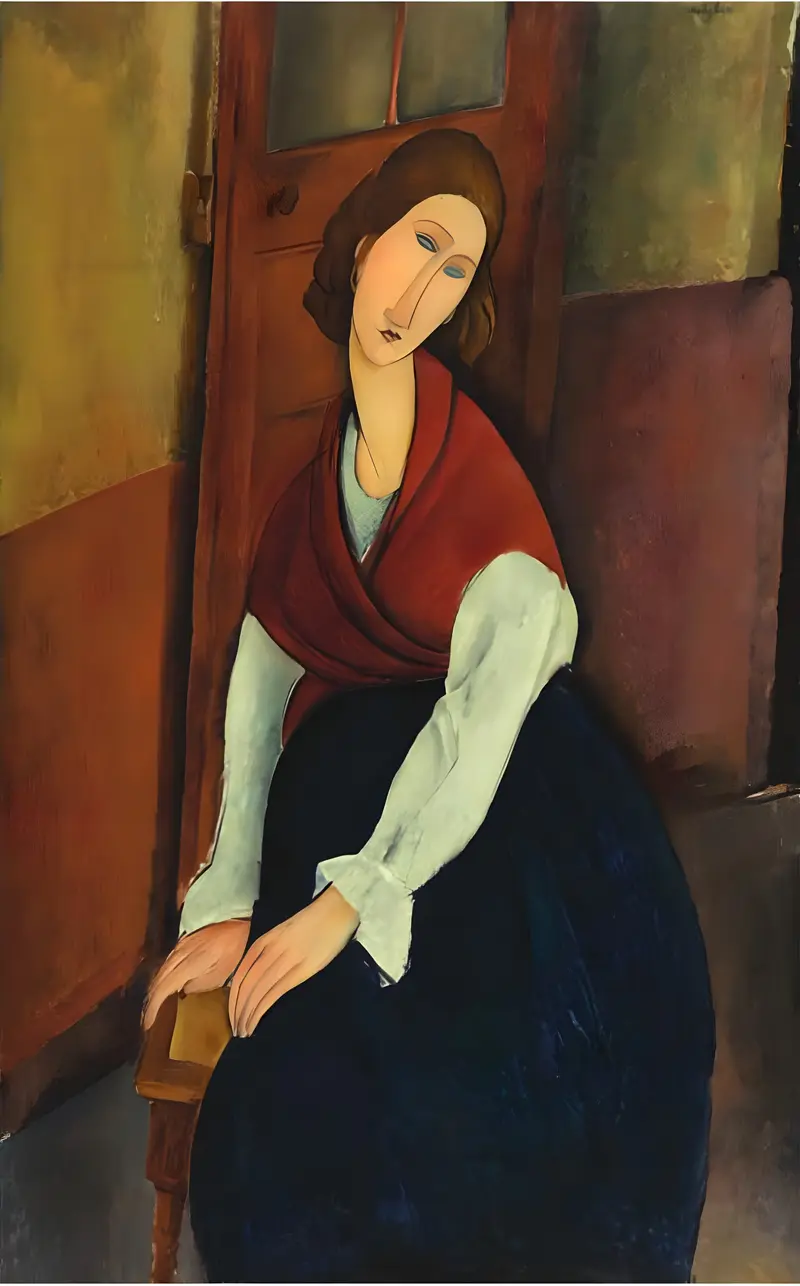
Jeanne Hebuterne in Red Shawl
Amedeo Modigliani





