
Portrait of Piero de' Medici — History & Facts
What first catches the eye in Portrait of Piero de' Medici is the subject’s unwavering, almost challenging gaze, set against a deep green background that seems to push him forward into our space. His right hand, poised at his chest, holds a small, angular object—perhaps a symbol of status or intellect—while the rich crimson garment, trimmed with gold and pearls, signals wealth and the careful self-presentation of a Renaissance elite. The light falls cleanly across his face, sharpening the features and lending a sense of immediacy, as if the sitter has just turned to meet the viewer’s eyes.
There is a quiet tension in the way his lips are pressed together and his brow is set, suggesting thoughtfulness or guardedness, a man aware of the weight of his own image. Created between around 1550 and 1570, this portrait belongs to a world where art was a tool of power and presentation, especially for the ruling families of Italy. Portraits like this, produced by artists such as Agnolo Bronzino, were commissioned to project authority, lineage, and refinement—often destined for public rooms or private studies as reminders of dynastic pride. The National Gallery now houses this work, a testament to the enduring fascination with the Medici and their era.
History has kept few traces of this specific painting’s early journey, but its presence today invites us to look closely at how identity and ambition were painted into being.
More Artworks by Agnolo Bronzino

Eleonora Of Toledo
Agnolo Bronzino
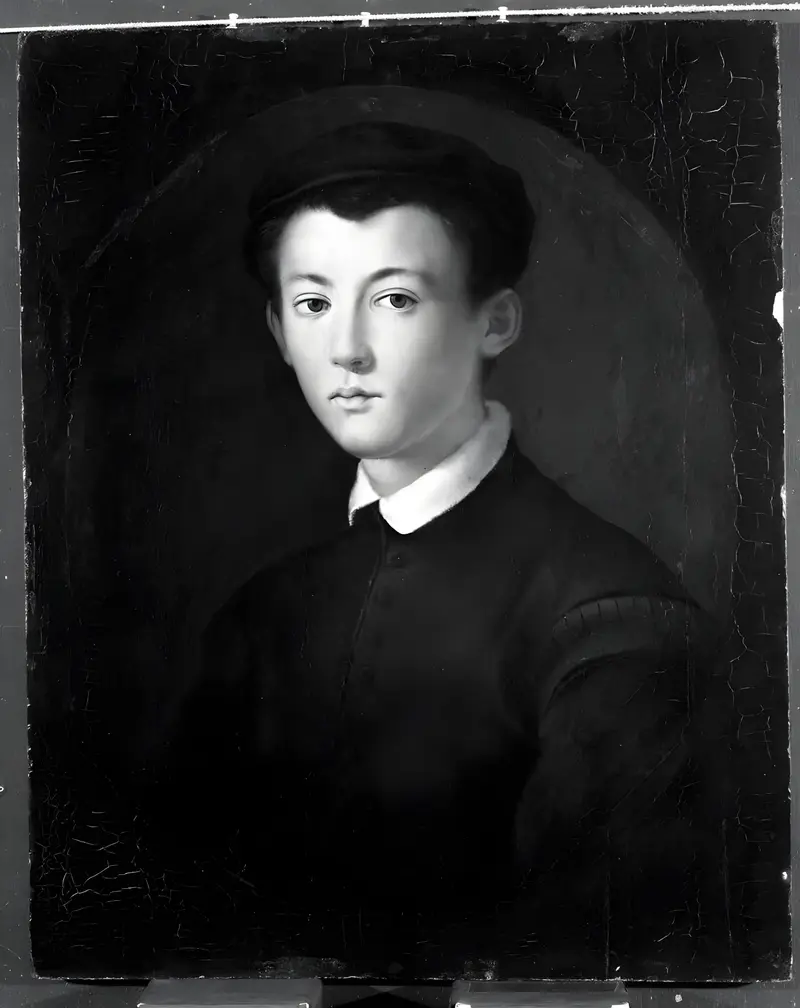
Portrait of a Young Man
Agnolo Bronzino
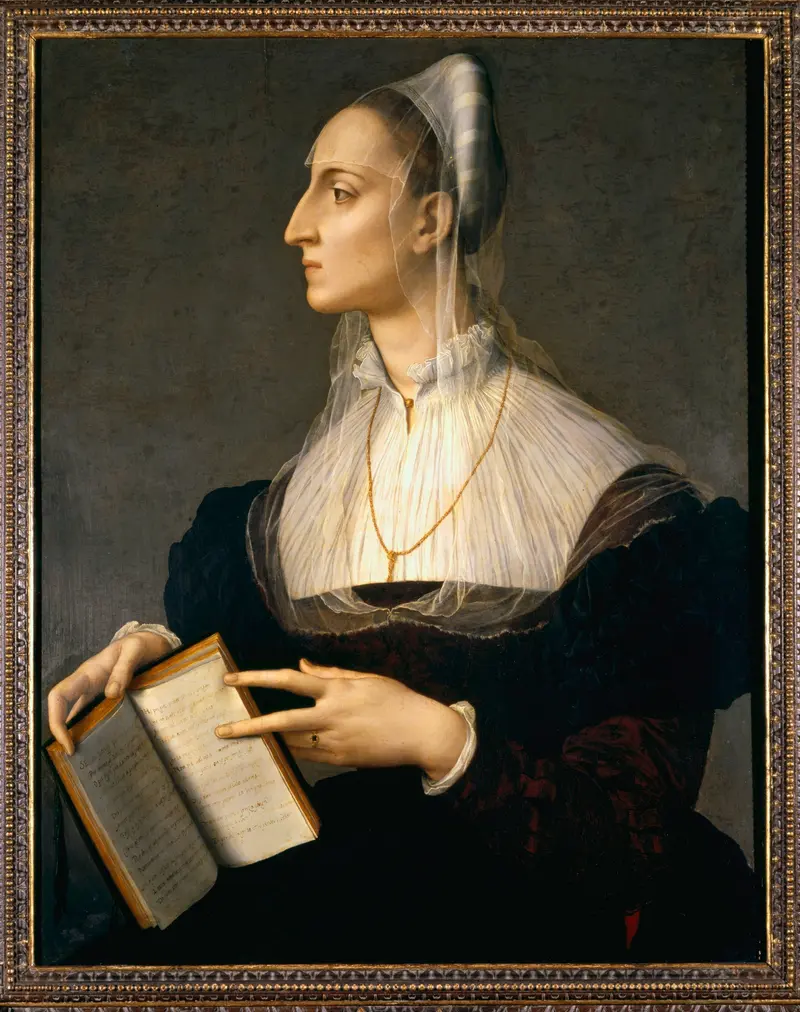
Portrait Of Laura Battiferri
Agnolo Bronzino
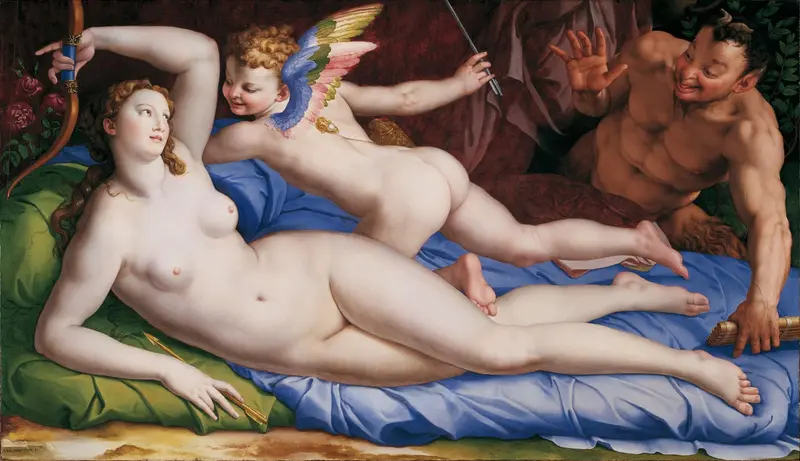
Venus, Cupid And Satyr
Agnolo Bronzino
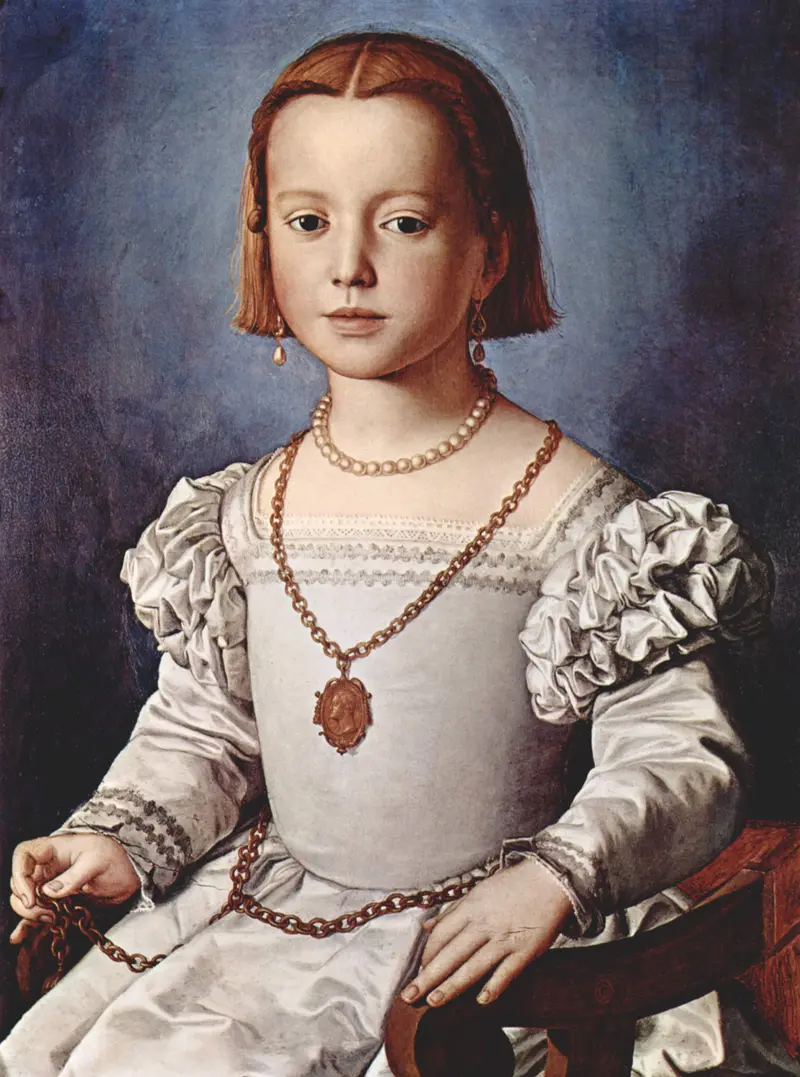
Bia Di Cosimo De‘ Medici
Agnolo Bronzino
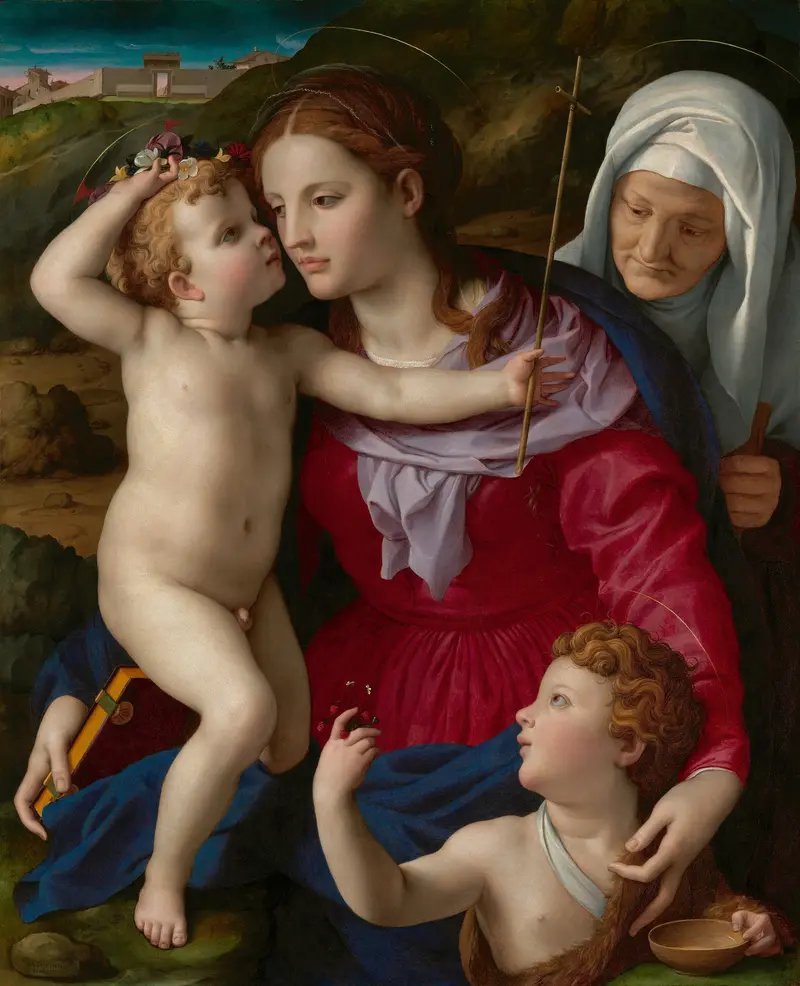
Virgin and Child with Saint Elizabeth and Saint John the Baptist
Agnolo Bronzino
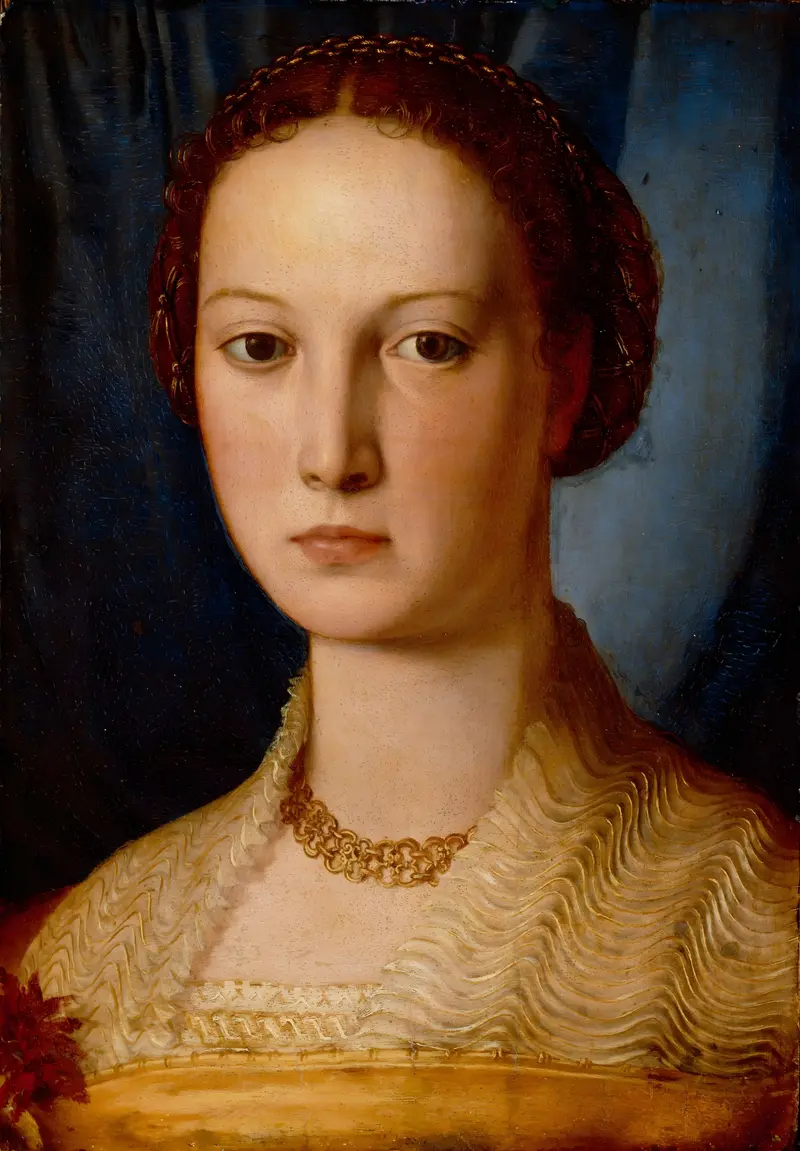
Costanza Da Sommaia
Agnolo Bronzino
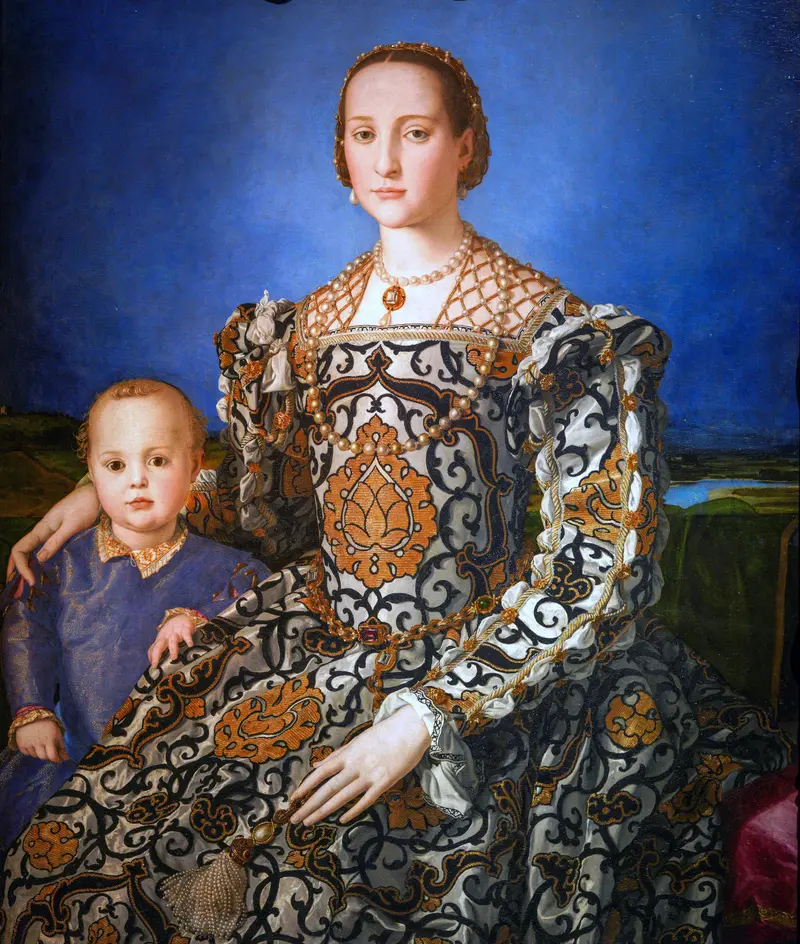
Portrait of Eleanor of Toledo with Her Son Giovanni de’ Medici
Agnolo Bronzino
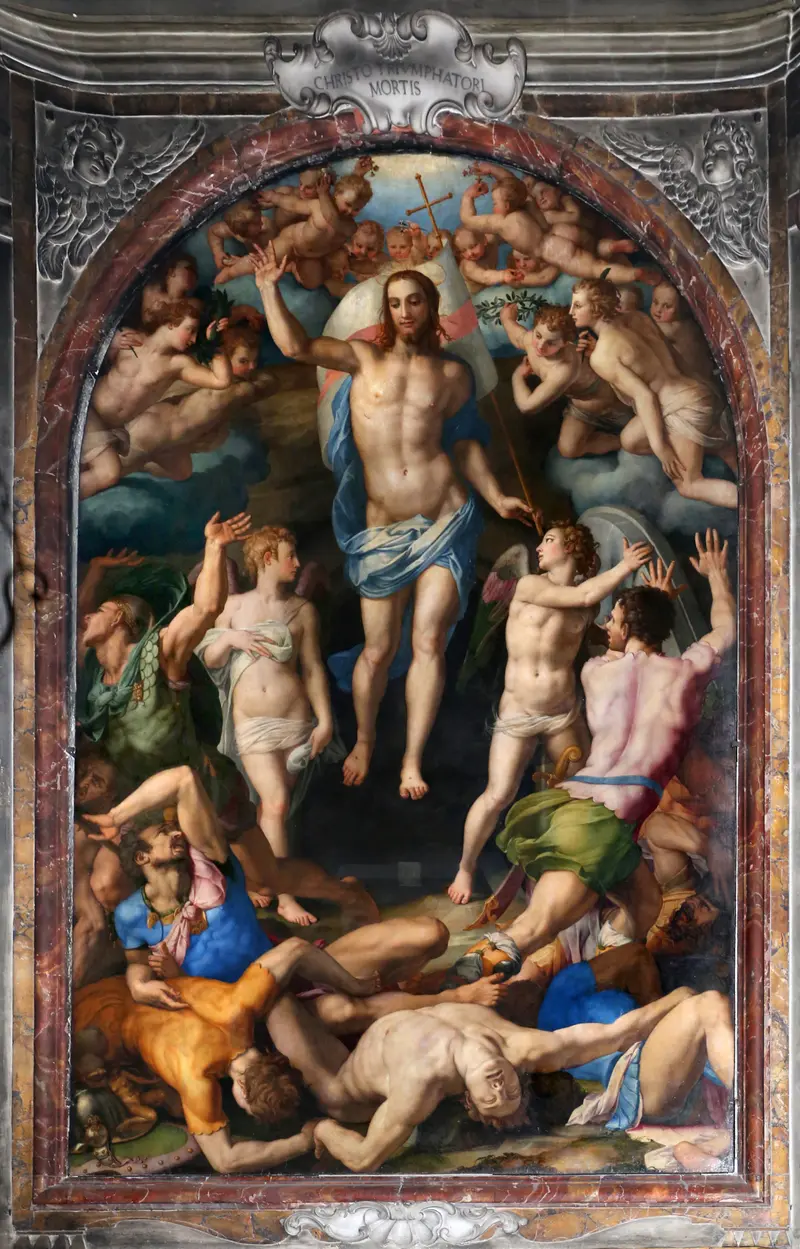
Resurrection Of Christ
Agnolo Bronzino
Saint Sebastian
Agnolo Bronzino





