
Portrait of the Poet Barend Klijn Barendsz — History & Facts
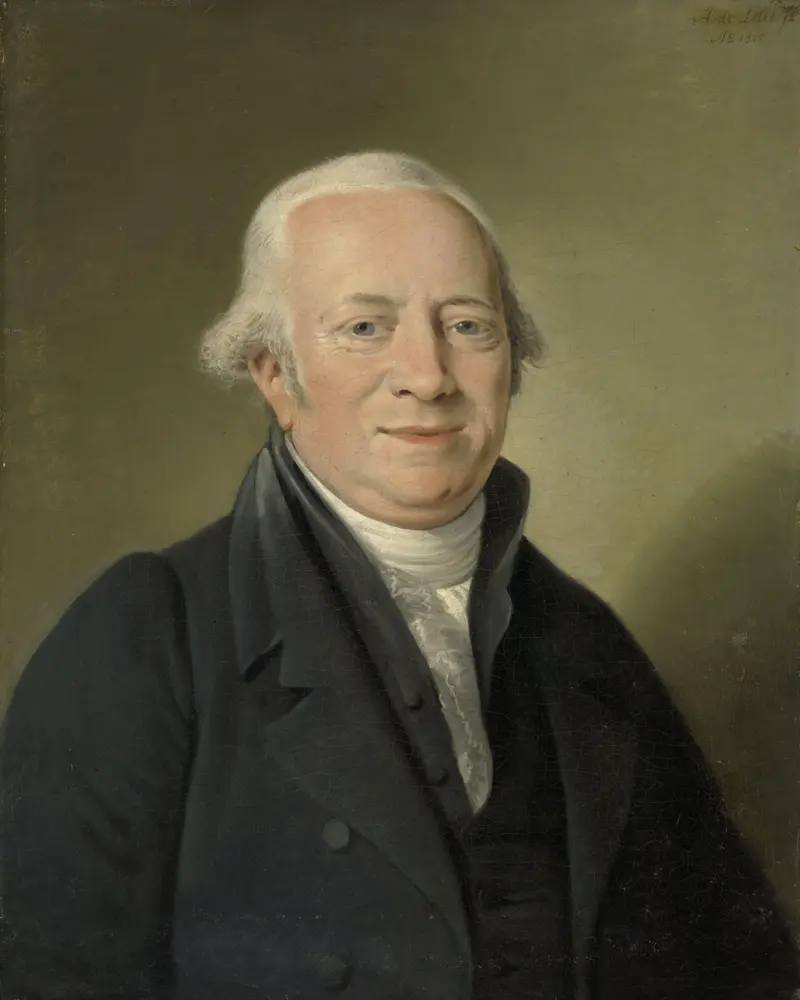
What draws the eye first in Portrait of the Poet Barend Klijn Barendsz is the quiet confidence of its sitter, crowned by a tall black hat and anchored by the steady grip on a well-worn book. The painter, Adriaan de Lelie, chooses a moment of poised reflection: Barendsz sits behind a table, his gaze meeting ours with a calm that suggests both intellect and self-assurance. The book in his hand—its title, Vondel's Poëzy, clearly legible—serves as a silent declaration of his literary allegiance, while the careful modeling of his features and the warm brown of his coat draw us into a world of early nineteenth-century Dutch letters.
The light falls gently across his face, illuminating the pale skin and hinting at the texture of his sideburns, while the background recedes into shadow, ensuring that nothing distracts from the man and his chosen token. This portrait, created in 1813, belongs to the tradition of commemorating learned men at the height of their careers, a practice that flourished in the Netherlands as the country navigated the aftermath of French occupation and the stirrings of a new national identity. Portraits like this were often commissioned by families or literary societies eager to celebrate their members’ achievements and social standing. The presence of Vondel's Poëzy—a nod to Joost van den Vondel, the Dutch Shakespeare—signals Barendsz’s place in a lineage of poets and thinkers.
While little may be recorded about the journey of this specific canvas, its inclusion in the Rijksmuseum collection roots it firmly in the cultural memory of its time. Notice how the sitter’s direct gaze and the crisp detail of his attire invite you to imagine the conversations and ambitions of a world where poetry was a calling card and a cause for pride.
More Artworks by Adriaan de Lelie
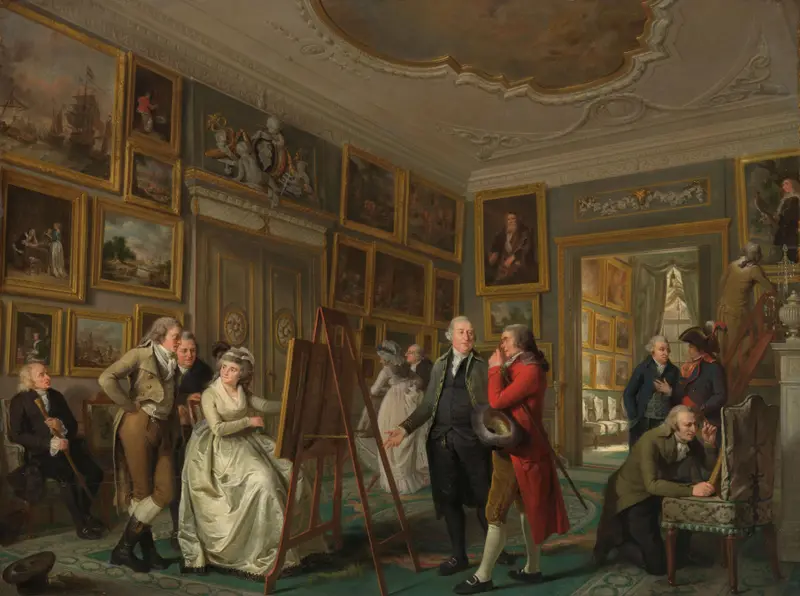
The Art Gallery of Jan Gildemeester Jansz
Adriaan de Lelie
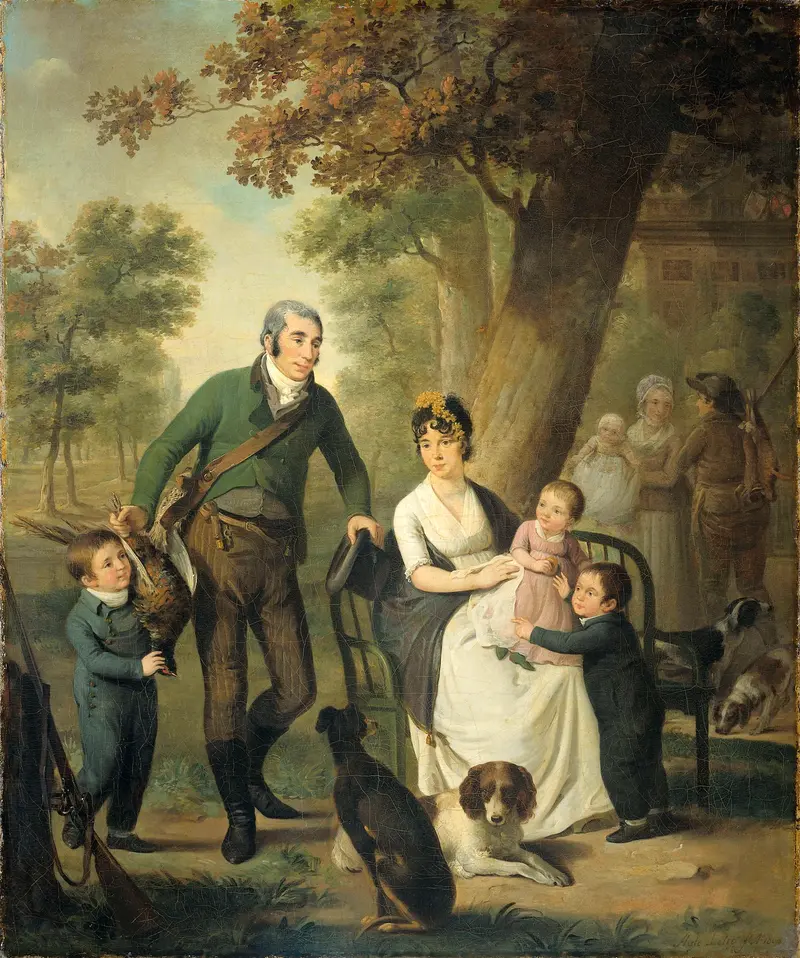
Jonkheer Gysbert Carel Rutger Reinier van Brienen van Ramerus(1771-1821), with his Wife and four of their Children
Adriaan de Lelie
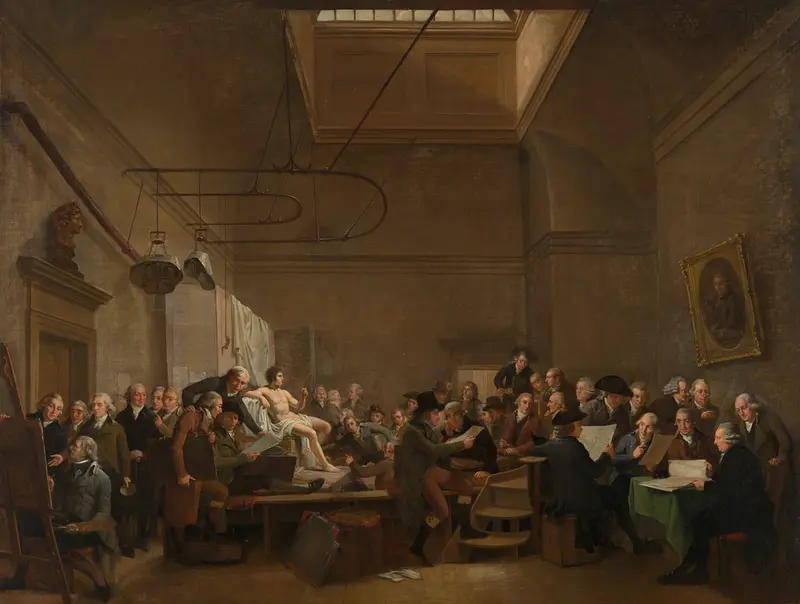
The Drawing Gallery of the Felix Meritis Society
Adriaan de Lelie
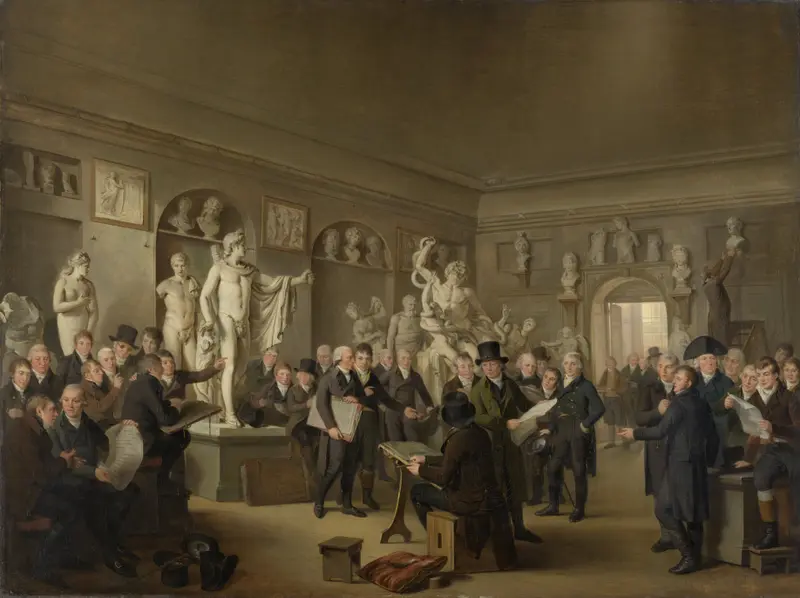
The Sculpture Gallery of the Felix Meritis Society
Adriaan de Lelie
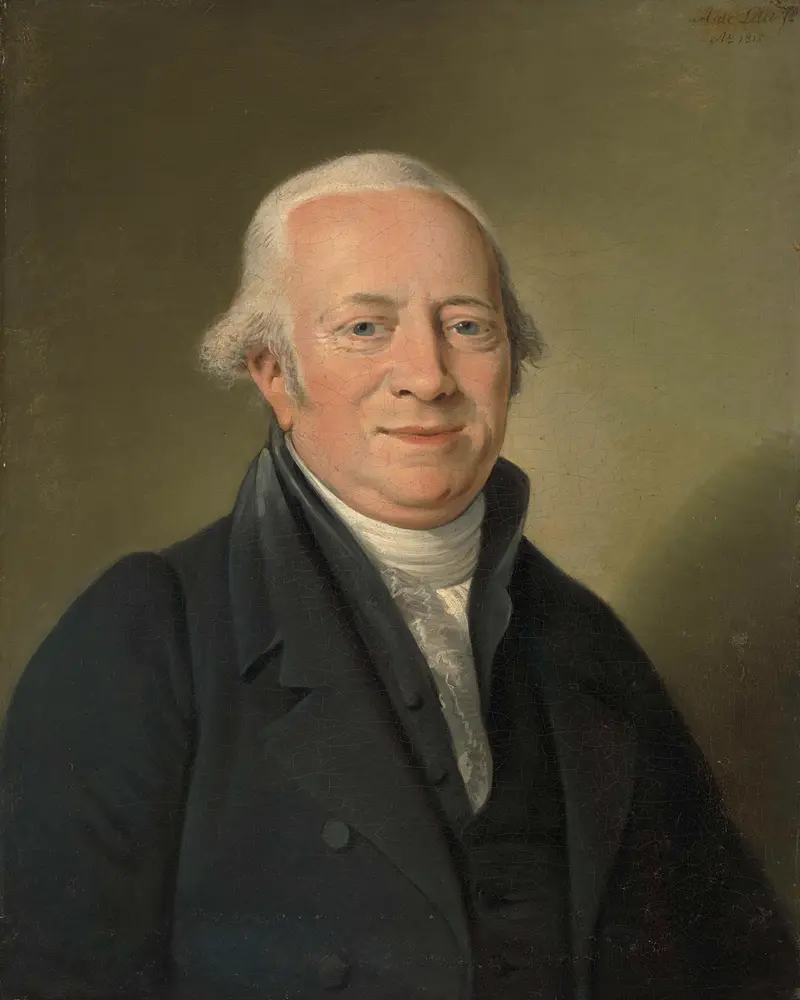
Cornelis Sebille Roos (1754-1820), Amsterdam Art Dealer and Keeper of the Nationale Konst-Gallery in Huis ten Bosch, The Hague
Adriaan de Lelie
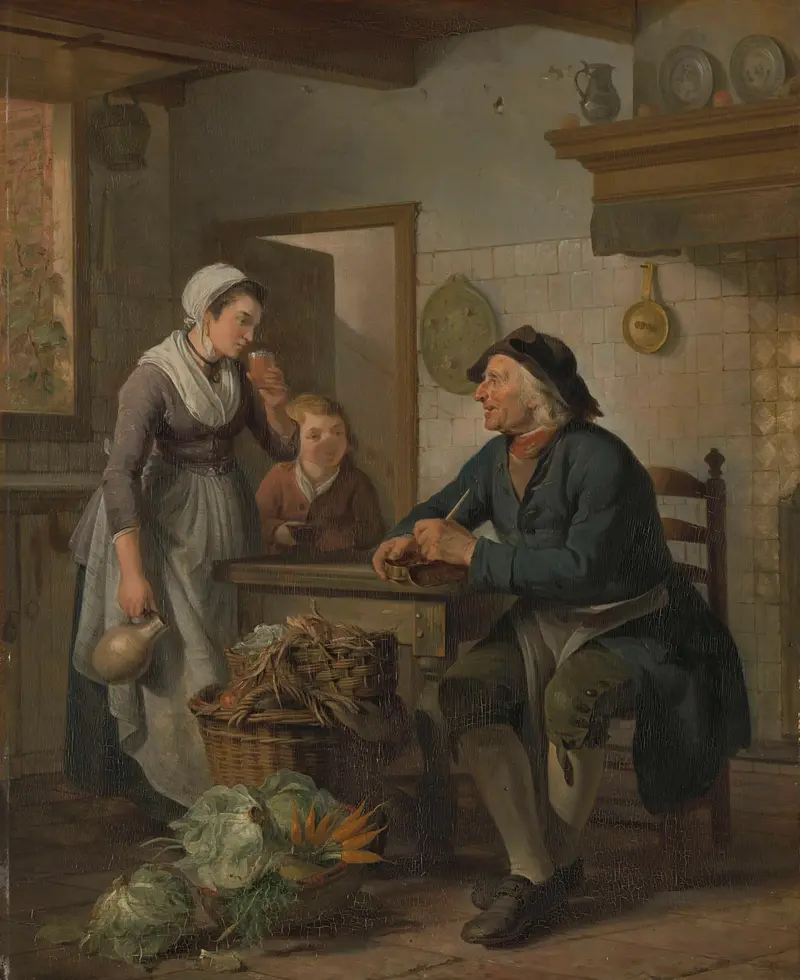
Morning Visit
Adriaan de Lelie
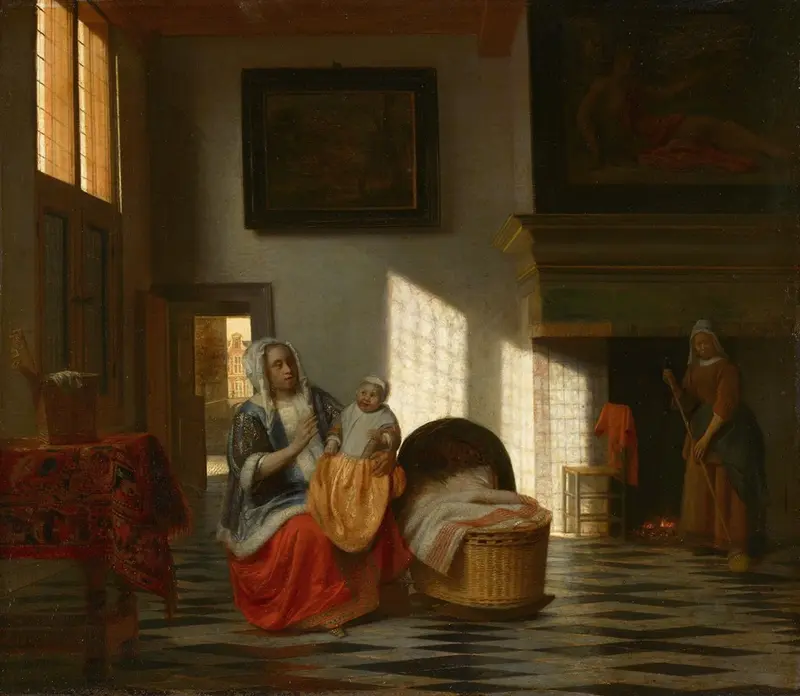
Mother and Two Children with Still Life
Adriaan de Lelie
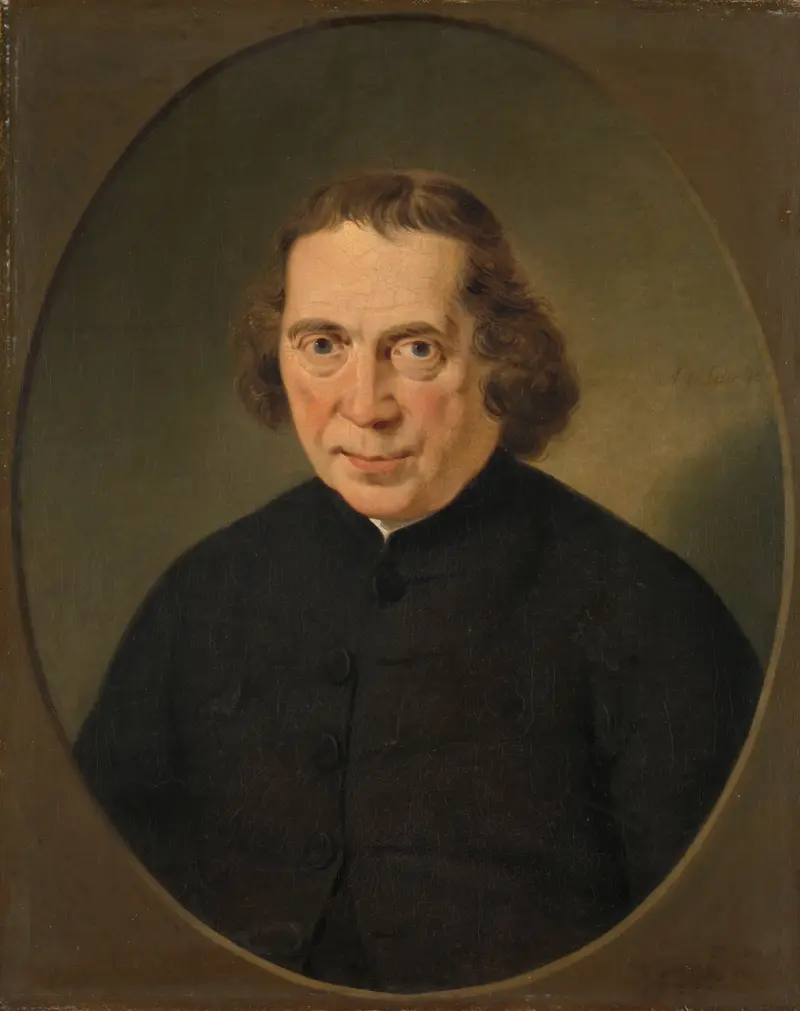
Portrait of Jan Nieuwenhuyzen
Adriaan de Lelie
Portrait of Cornelis Sebille Roos, Art Dealer in Amsterdam and Inspector of the National Konst-Gallery and the Huis ten Bosch in The Hague
Adriaan de Lelie
Musical family
Adriaan de Lelie





