
Portret van Joan Somes — History & Facts
When did color learn to lie? The very essence of hue, in this portrait, dances between truth and illusion, compelling us to question the authenticity of perception itself. Look closely at the subject’s attire; the rich, dark fabric showcases sumptuous shades of deep red and gold, inviting the viewer to trace the contours of its texture. Notice how the artist employs light to create an almost ethereal glow against the figure's skin, illuminating a warmth that seems to emanate from within. The composition is carefully balanced, with the subject poised against a dark background that heightens the vibrancy of the colors, drawing our attention to the intricacies of emotion captured in the eyes. Beneath the surface, hidden tensions unfold in this seemingly straightforward depiction.
The subtle smile suggests confidence, yet there’s a wistfulness lurking, as if the subject is caught between two worlds. The choice of colors not only reveals the wealth of the sitter but also hints at deeper societal themes of status and identity, masterfully woven into the fabric of the canvas. Each stroke invites interpretation, sparking a dialogue between viewer and subject that transcends time. Created between 1683 and 1688, this work emerged during a pivotal period in Isaac Beckett's career, marked by a fascination with the complexities of portraiture.
Working in England amidst the Baroque movement, he captured the nuances of character with a rich color palette that mirrored the evolving tastes of the era. The portrait stands as a testament to both personal and artistic growth, reflecting a society increasingly intrigued by the interplay of light, colors, and identity.
More Artworks by Isaac Beckett
Browse all →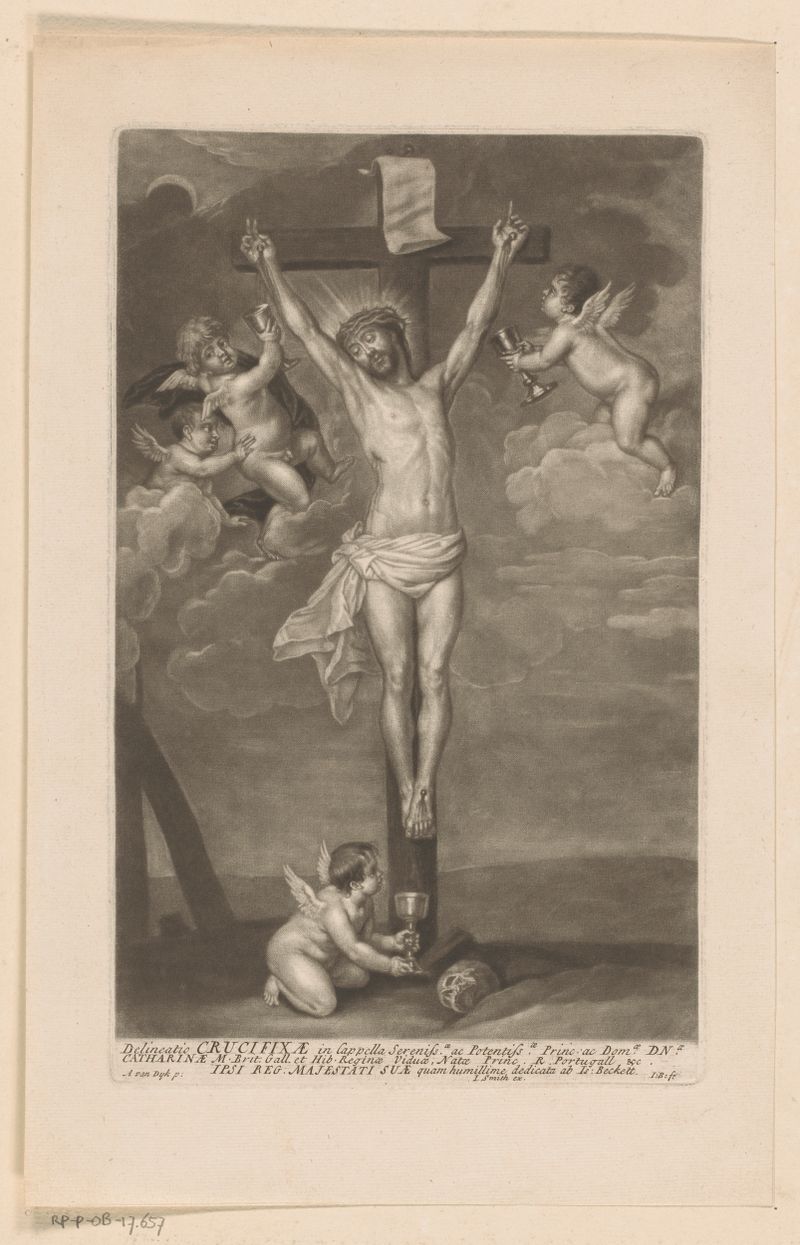
Christus aan het kruis
Isaac Beckett
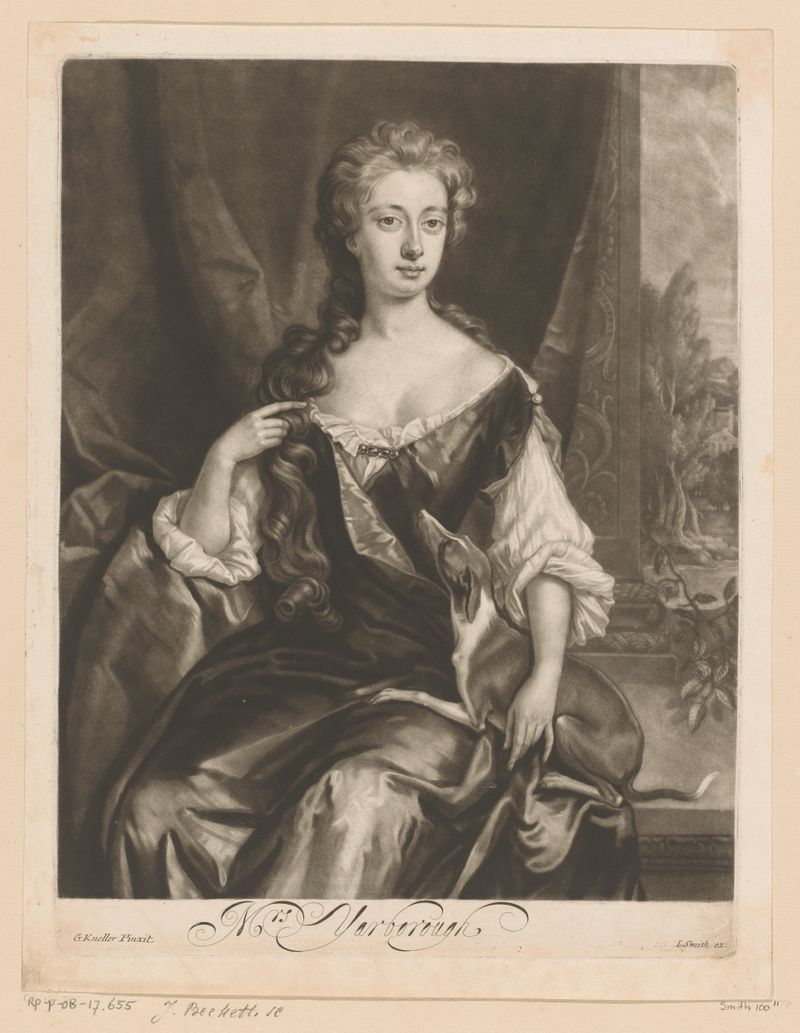
Portret van Henrietta Maria Yarborough
Isaac Beckett

Portret van Peter Lely
Isaac Beckett
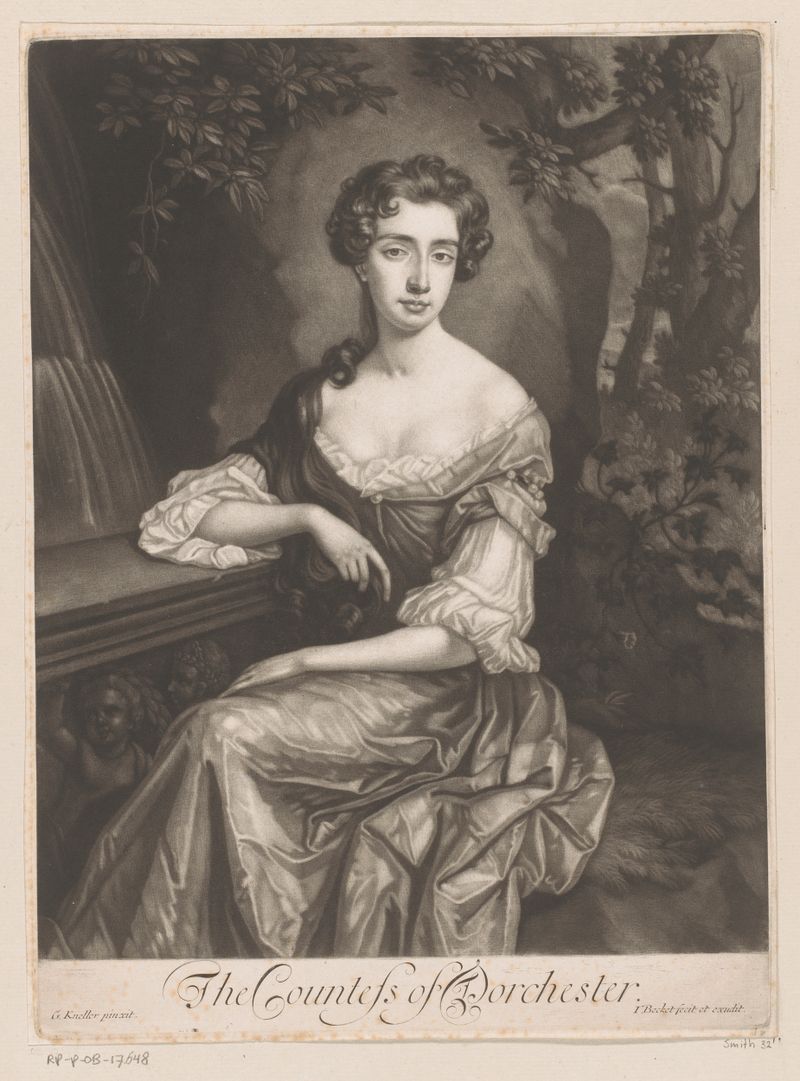
Portret van Catherine Sedley
Isaac Beckett
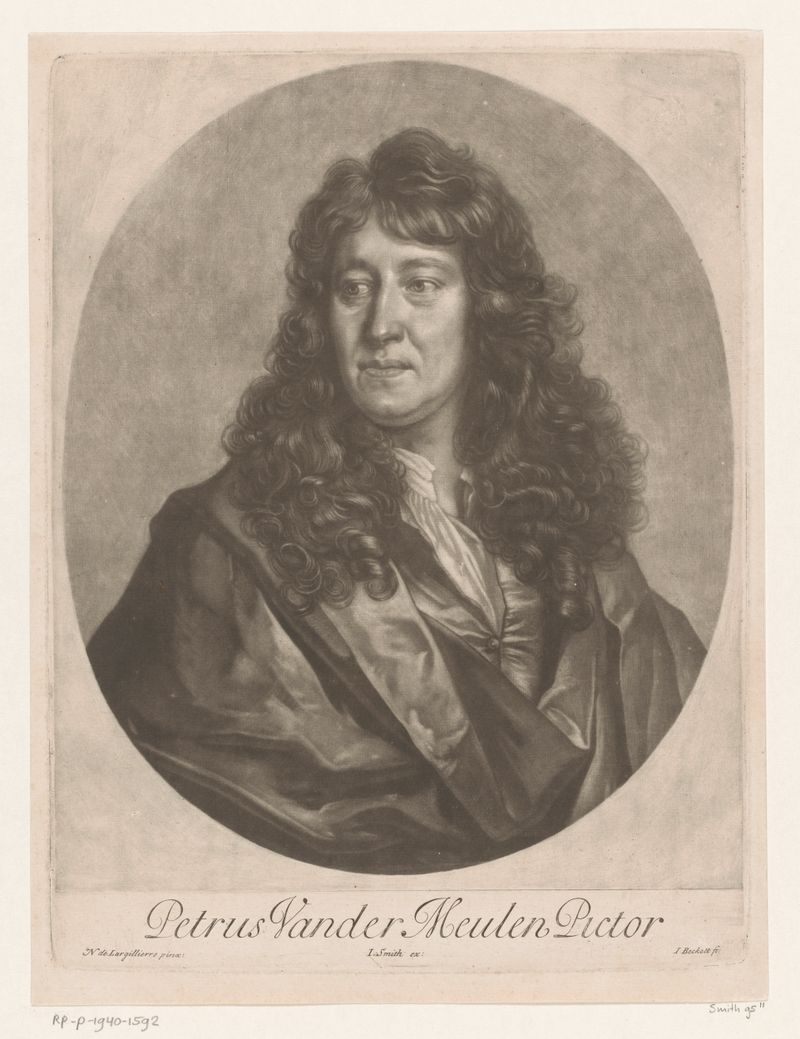
Portret van Pieter van der Meulen
Isaac Beckett
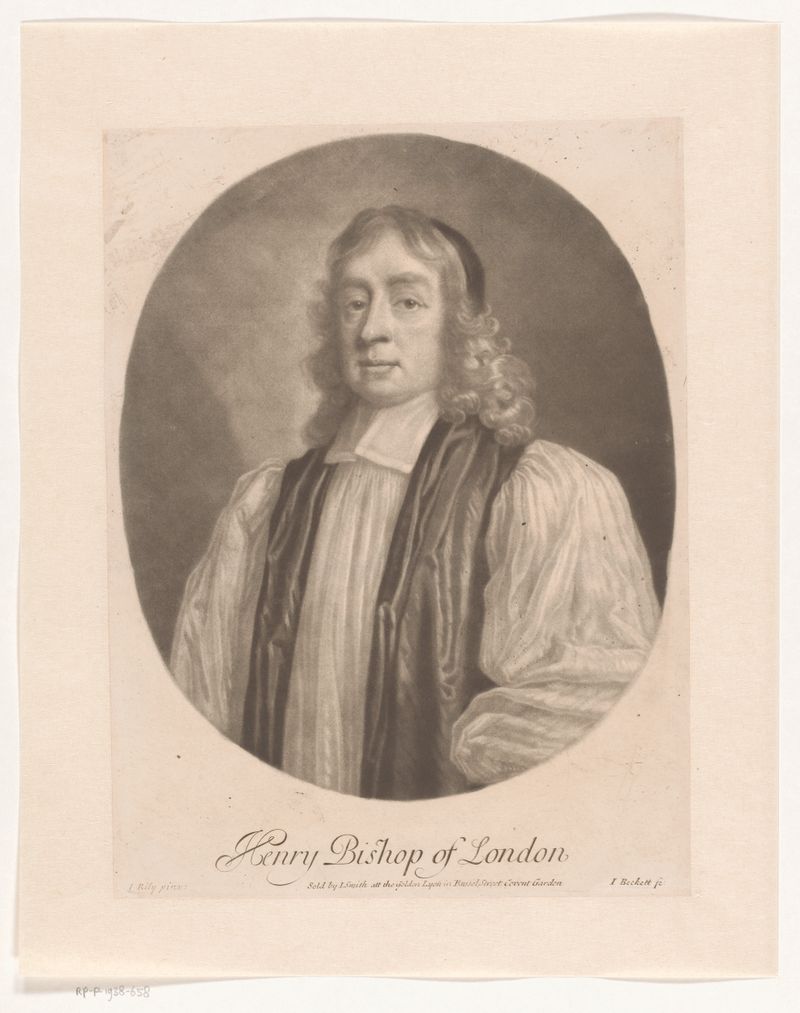
Portret van Henry Compton
Isaac Beckett

Portret van kind met hond, mogelijk Willem, hertog van Gloucester
Isaac Beckett
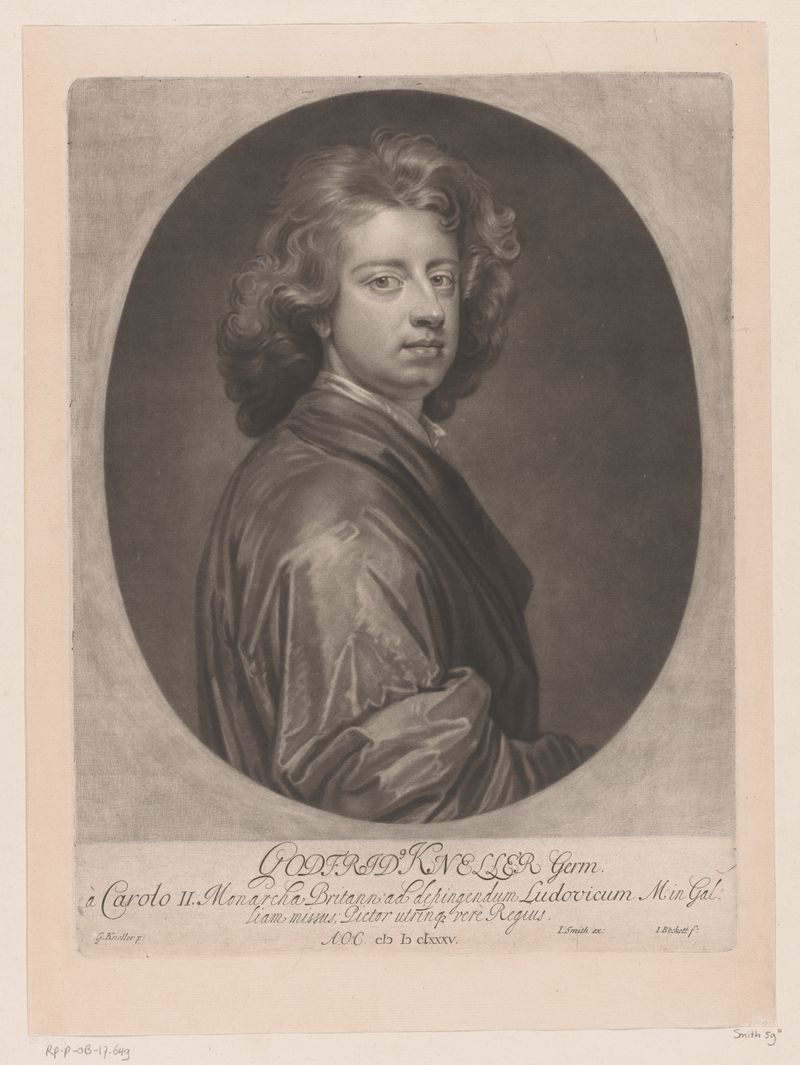
Portret van Gottfried Kneller
Isaac Beckett
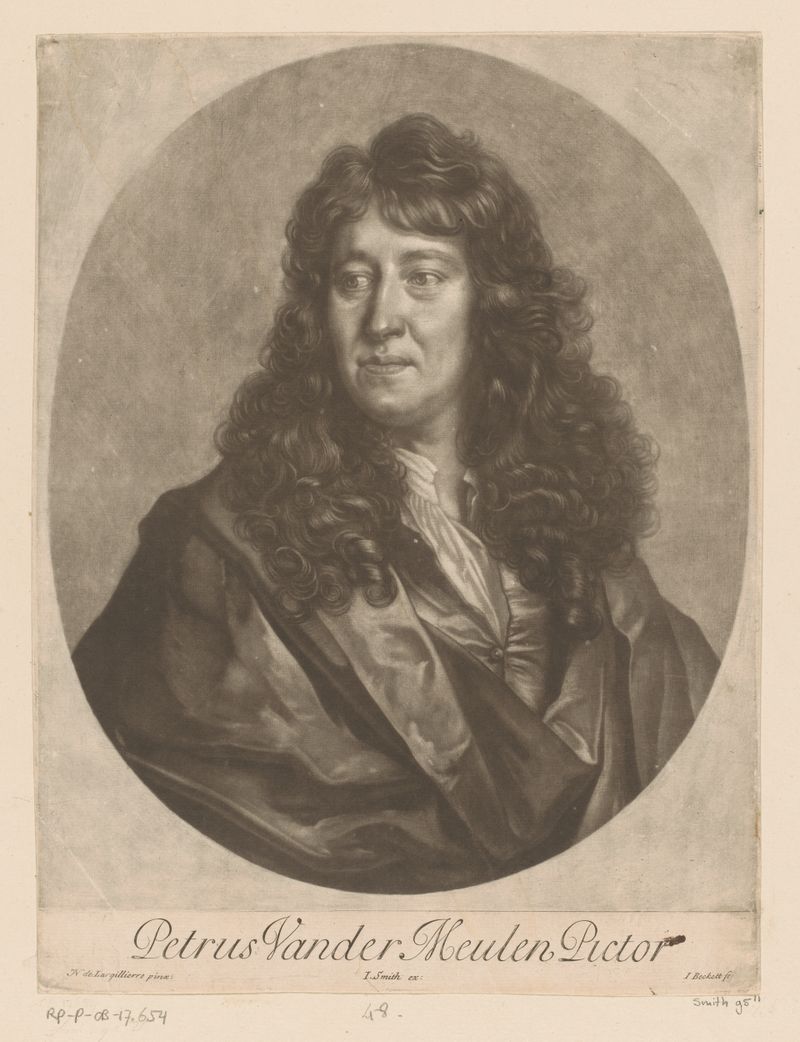
Portret van Pieter van der Meulen
Isaac Beckett

Portret van Diana Turnor
Isaac Beckett
More Portrait Art
Browse all →
Las meninas
Diego Velázquez

Self-portrait with a Bandaged Ear and Pipe
Unidentified artist

Girl with a Pearl Earring
Johannes Vermeer

The Sampling Officials of the Amsterdam Drapers’ Guild, Known as ‘The Syndics’
Rembrandt van Rijn

The Hundred Guilder Print: the man seen on the back in the lower left corner
Rembrandt van Rijn

Portrait of Dr Gachet
Vincent van Gogh