
Portret van Maria Theresia Morria — History & Facts
What first draws the eye in Portret van Maria Theresia Morria is the sitter’s quietly direct gaze, a look that seems to weigh the viewer as much as she is being weighed herself. The soft, diffused light falls across her face, picking out the gentle flush of her cheeks and the subtle sheen of her dark curls, while the ruffled white collar frames her features like a stage. The painter, Adriaan de Lelie, sets her against a muted, nearly abstract background, forcing our attention onto her expression and the interplay of textures: the crispness of the lace, the smoothness of her black dress, the warmth of the red shawl draped over her shoulder.
Each detail—the delicate gold chain, the coral necklace—signals both status and individuality, inviting us to wonder about the world behind her composed exterior. Portraits from the late eighteenth to early nineteenth centuries, such as this one, were more than mere likenesses; they were declarations of identity and aspiration, often commissioned by families eager to assert their place in a changing society. In the Dutch tradition, these works balanced restraint and intimacy, capturing both the dignity and the inner life of the sitter. Adriaan de Lelie was active during a period of shifting tastes and rising bourgeois confidence, and his portraits reflect that blend of formality and personal presence.
Today, this painting is part of the Geldersch Landschap en Kasteelen collection, a reminder of an era when portraiture was both a private treasure and a public statement. The sitter’s steady gaze still asks us to look closer, to read her story in the language of fabric, color, and poise.
More Artworks by Adriaan de Lelie
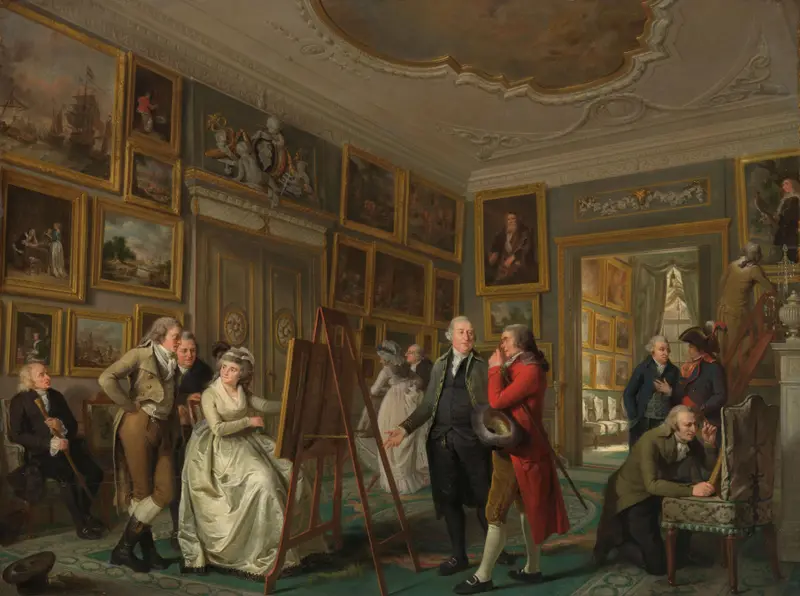
The Art Gallery of Jan Gildemeester Jansz
Adriaan de Lelie
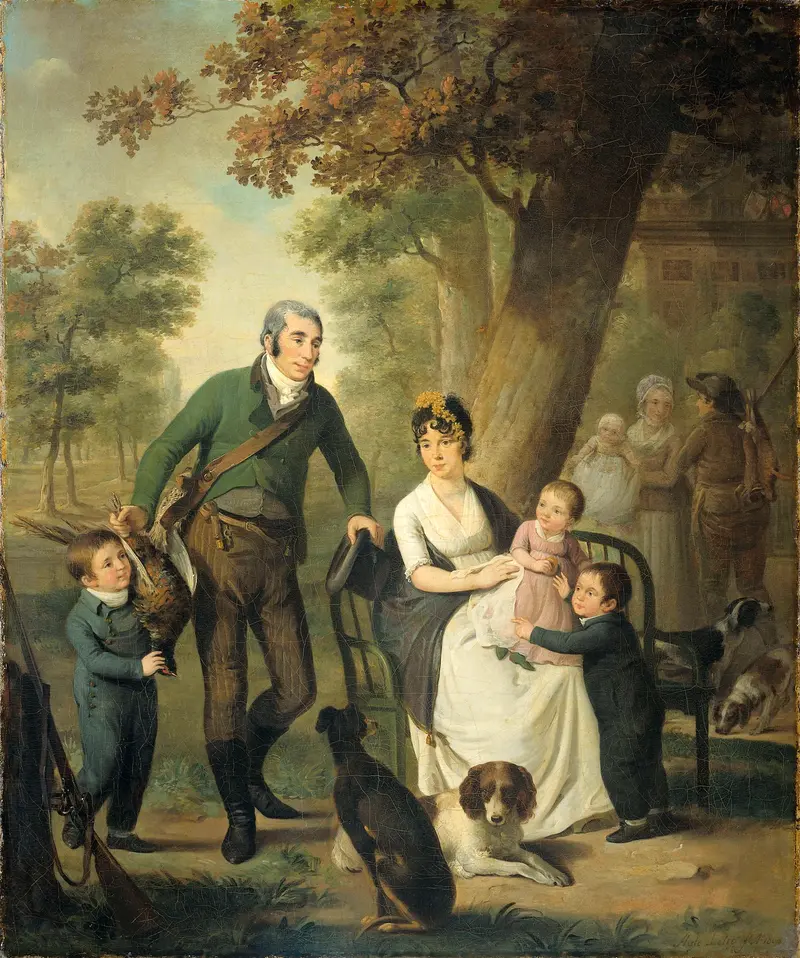
Jonkheer Gysbert Carel Rutger Reinier van Brienen van Ramerus(1771-1821), with his Wife and four of their Children
Adriaan de Lelie
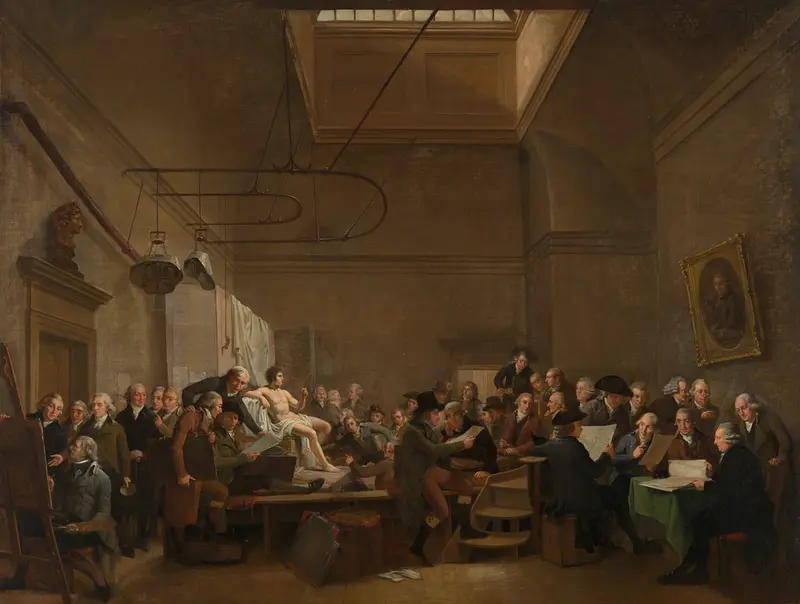
The Drawing Gallery of the Felix Meritis Society
Adriaan de Lelie
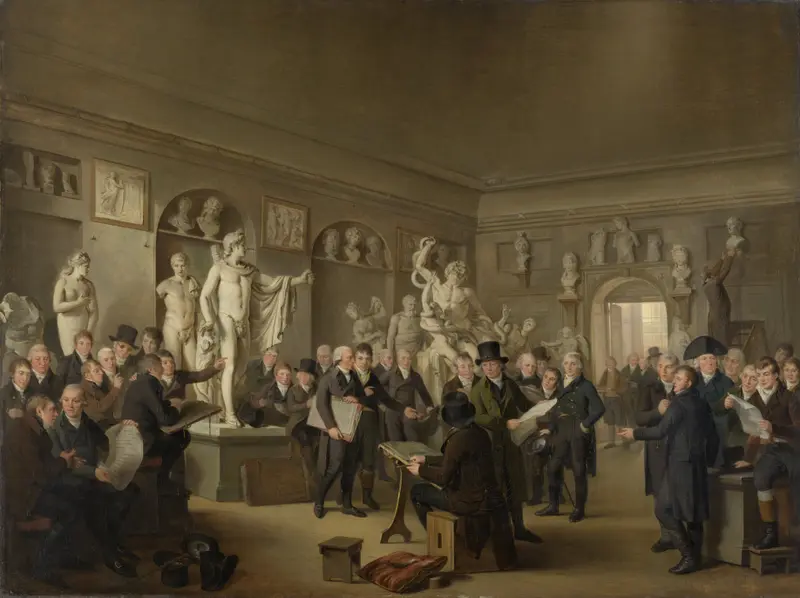
The Sculpture Gallery of the Felix Meritis Society
Adriaan de Lelie
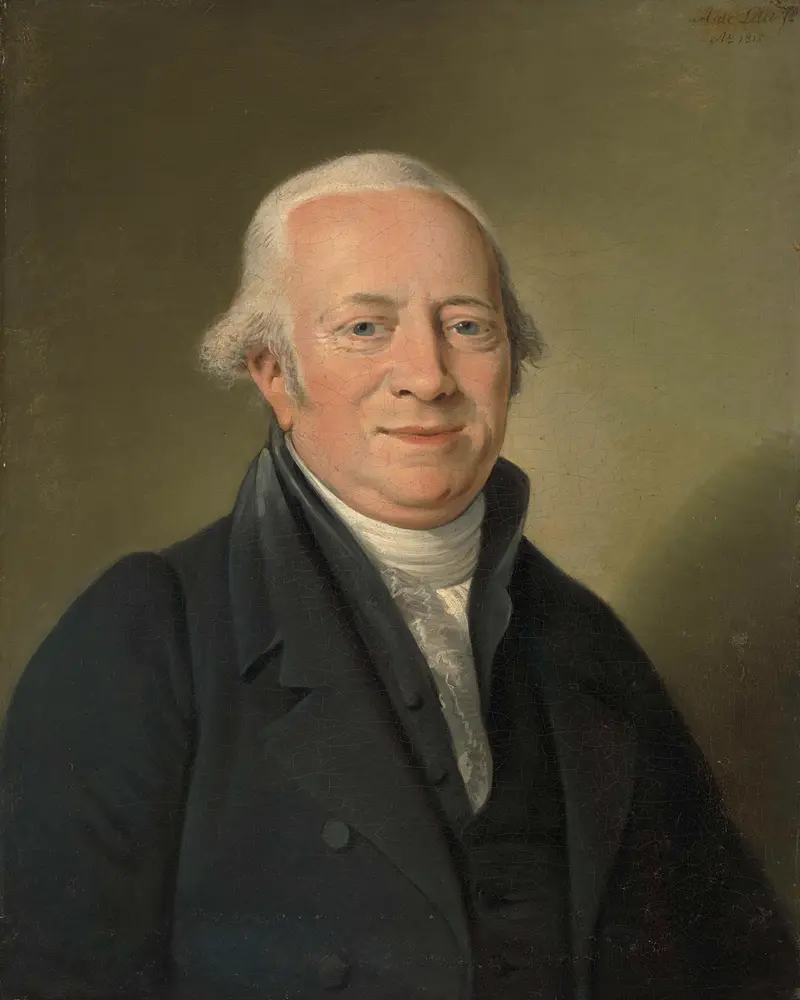
Cornelis Sebille Roos (1754-1820), Amsterdam Art Dealer and Keeper of the Nationale Konst-Gallery in Huis ten Bosch, The Hague
Adriaan de Lelie
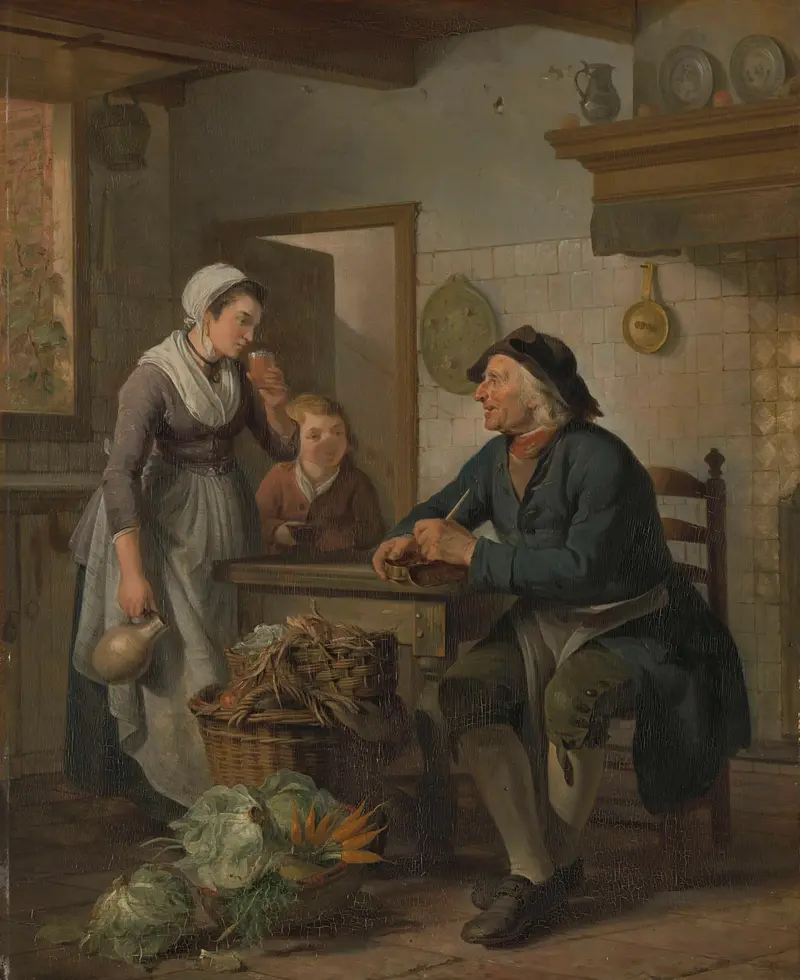
Morning Visit
Adriaan de Lelie
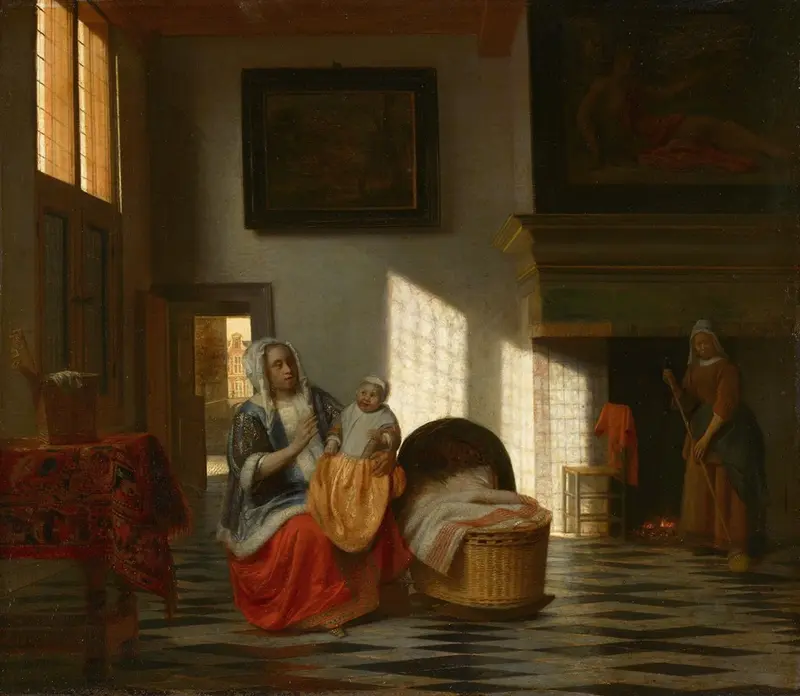
Mother and Two Children with Still Life
Adriaan de Lelie
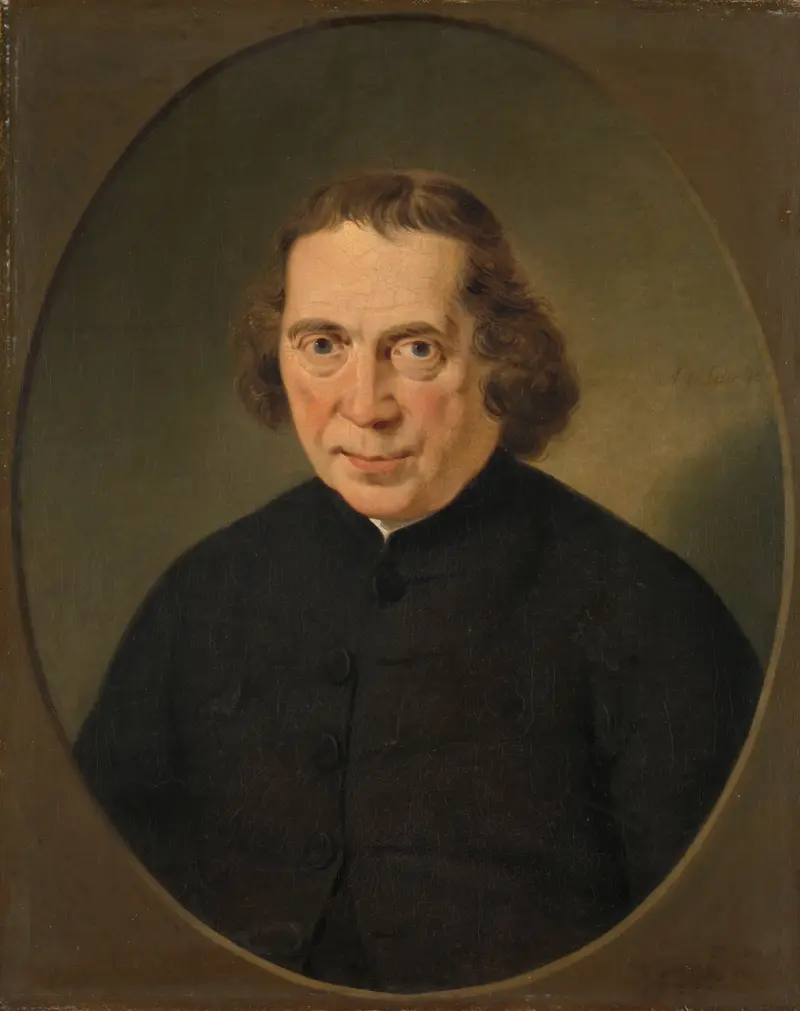
Portrait of Jan Nieuwenhuyzen
Adriaan de Lelie
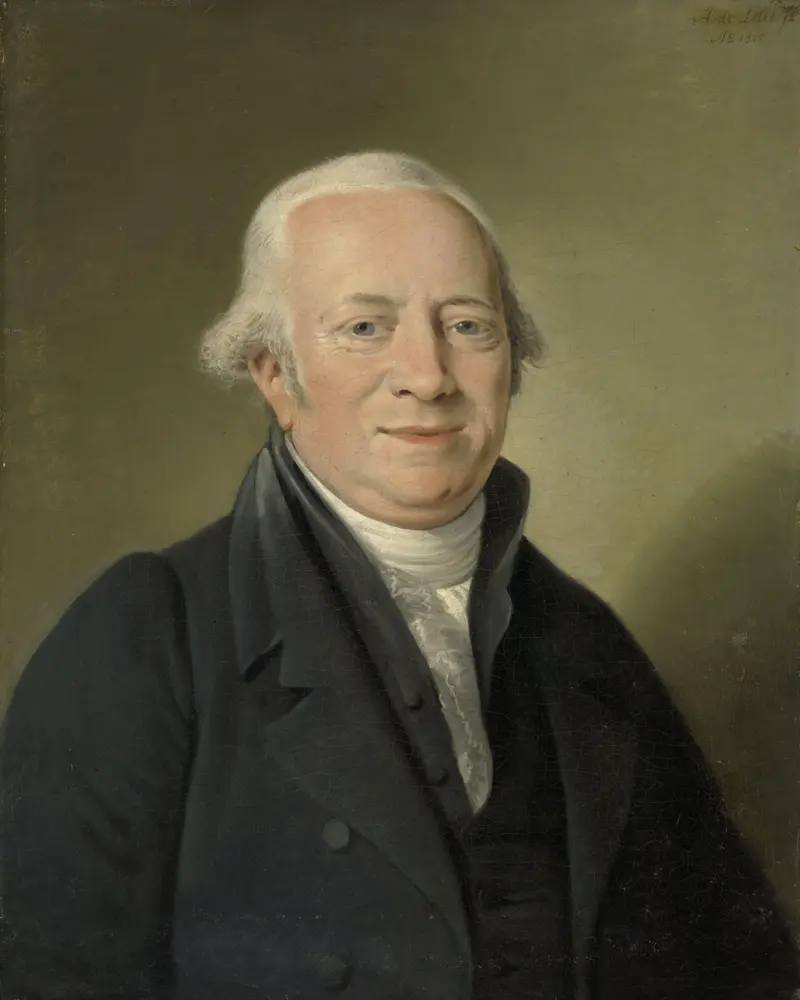
Portrait of Cornelis Sebille Roos, Art Dealer in Amsterdam and Inspector of the National Konst-Gallery and the Huis ten Bosch in The Hague
Adriaan de Lelie
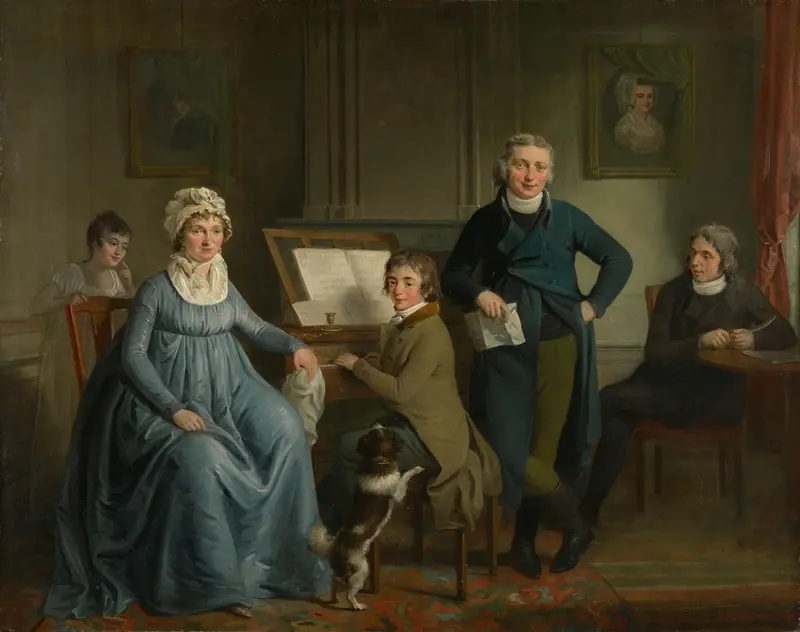
Musical family
Adriaan de Lelie





