
Pozzo San Vio — History & Facts
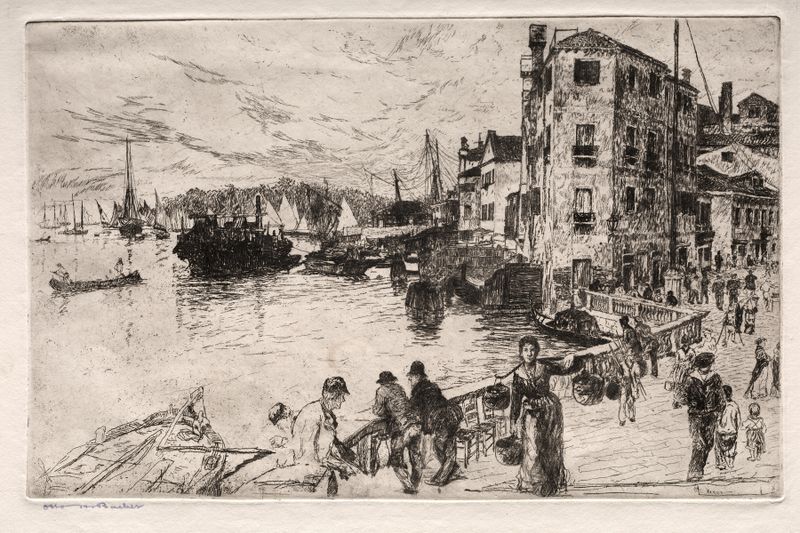
What if silence could speak through light? In Otto Henry Bacher's Pozzo San Vio, the essence of truth lingers in the quiet interplay between shadow and illumination, beckoning us to listen closely. Look to the left, where soft golden sunlight spills onto the cobblestones, creating a pathway that draws the eye into the heart of the scene. The muted earth tones envelop the viewer in a sense of warmth and familiarity, while the delicate brushwork reveals the texture of the weathered walls of the Venetian canal. Notice how the composition is framed by the arching doorway, inviting us to step into a moment suspended in time. Hidden beneath the surface, the juxtaposition of light and shadow speaks volumes about the transient nature of existence.
The warm glow contrasts sharply with the cooler tones of the water, suggesting a tension between the vibrancy of life and the quietude of solitude. This balance hints at the duality of Venice itself—its bustling energy correlating with moments of profound stillness, encapsulating a truth known only to those who pause to reflect. Bacher created this work in 1882 while living in Venice, a city that profoundly influenced his artistic vision. At the time, the world was experiencing rapid changes, yet he sought solace in the serene beauty of everyday life.
This piece exemplifies his commitment to capturing the authenticity of his surroundings, revealing his deep appreciation for both the natural and architectural essence of the city.
More Artworks by Otto Henry Bacher
Browse all →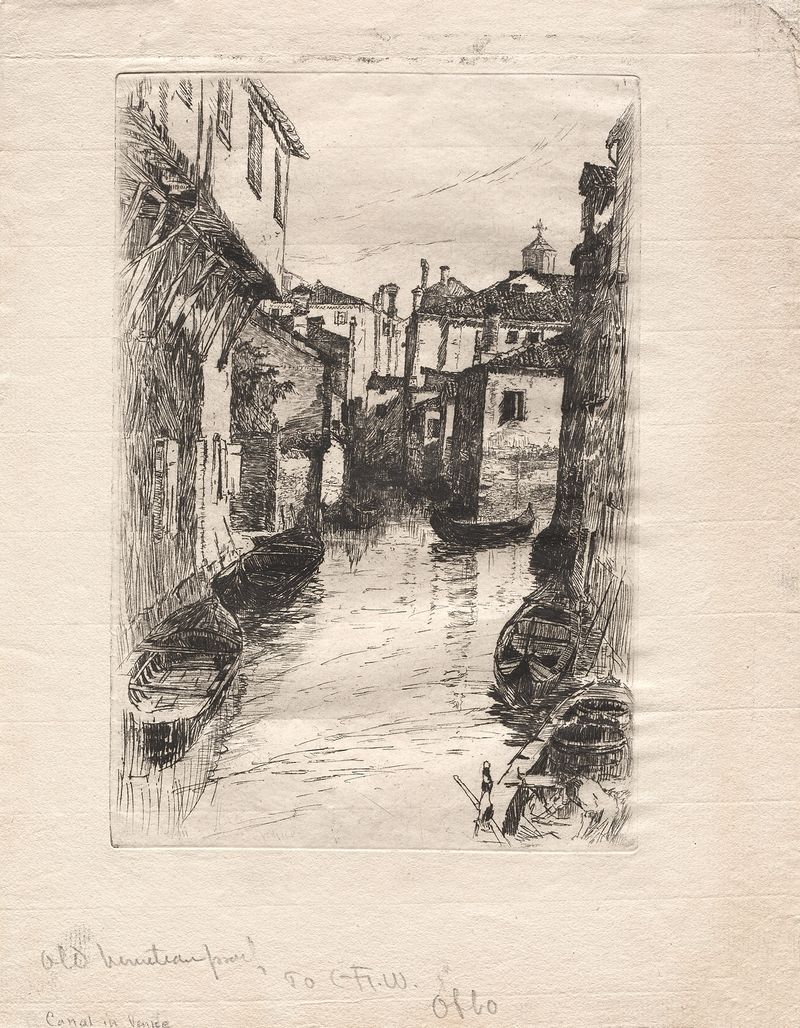
Canal in Venice
Otto Henry Bacher
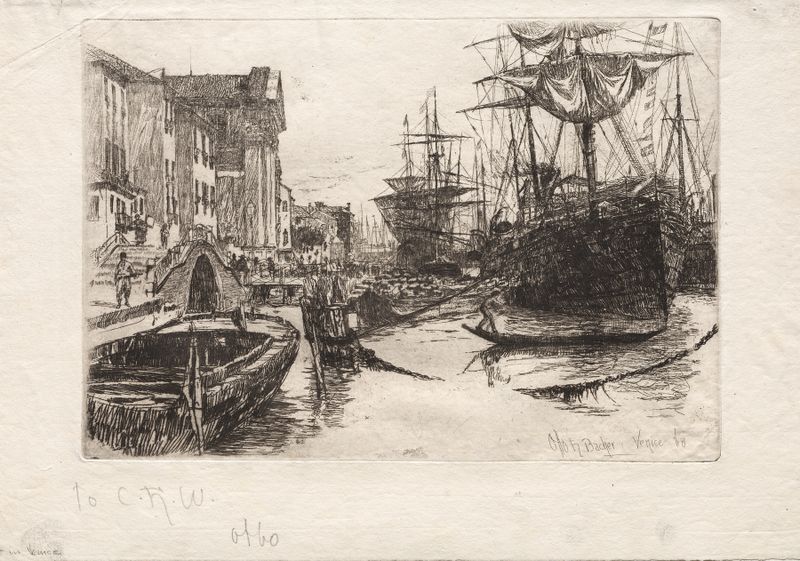
View in Venice
Otto Henry Bacher
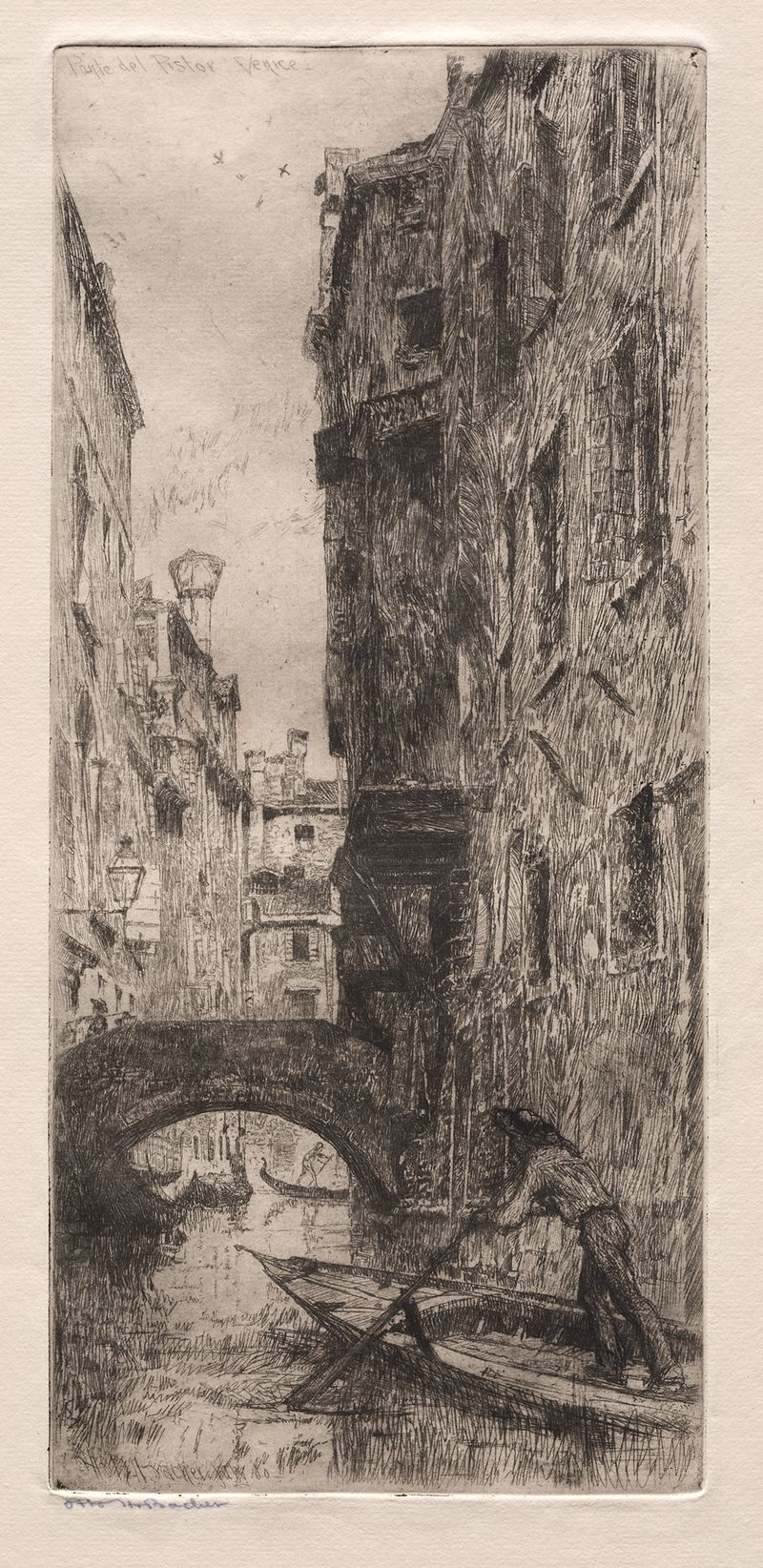
Ponte del Pistor, Venice
Otto Henry Bacher
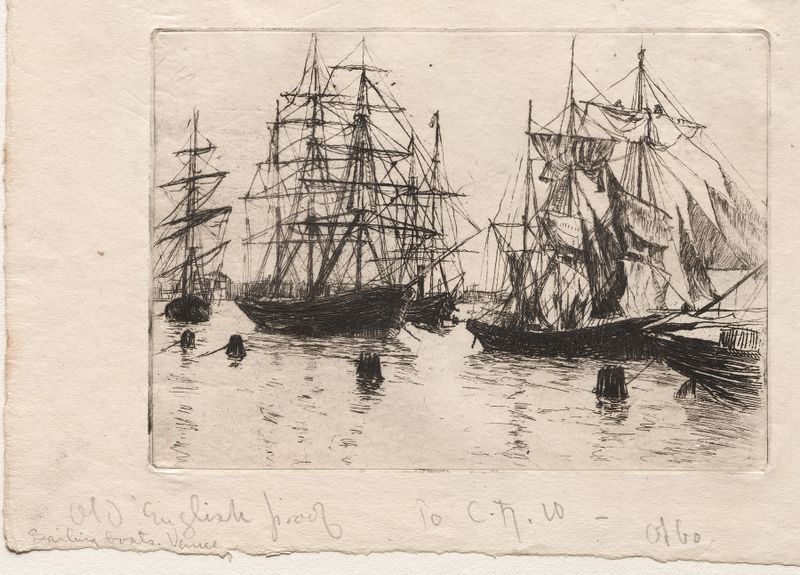
Sailing Boats, Venice
Otto Henry Bacher
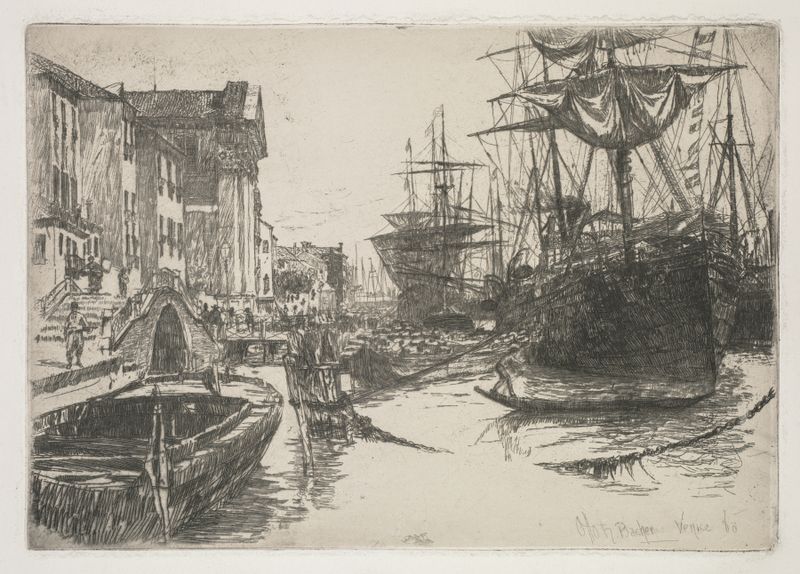
Fondamenta della Zattere
Otto Henry Bacher
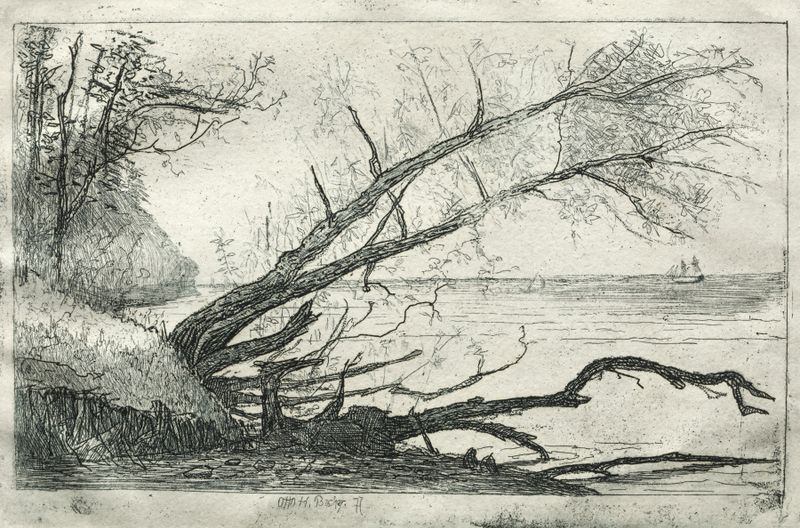
Old Sycamore
Otto Henry Bacher
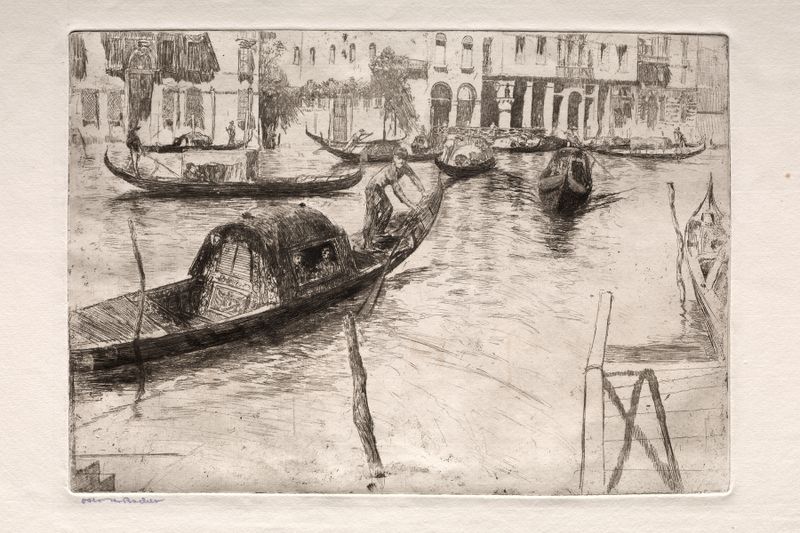
Traghetto San Felice
Otto Henry Bacher
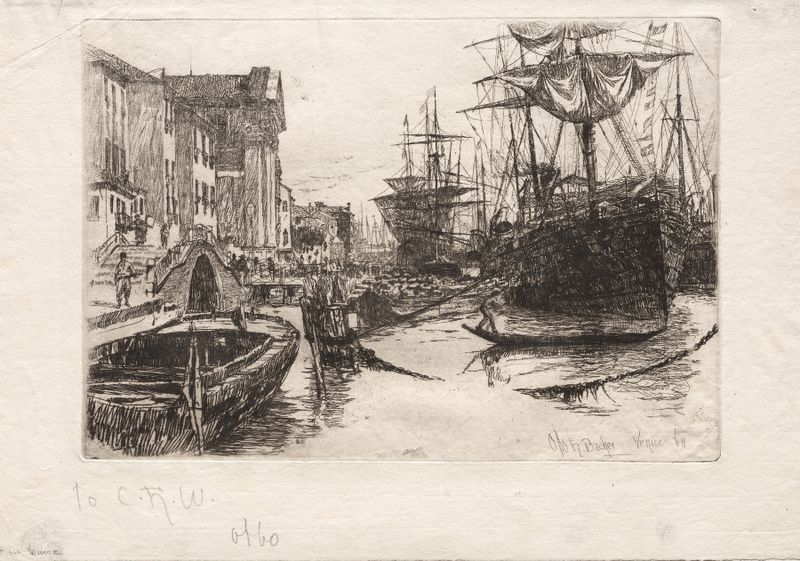
View in Venice
Otto Henry Bacher
Castello Quarters, Riva
Otto Henry Bacher
St. Clair Street, Cleveland
Otto Henry Bacher





