
Pozzo San Vio — History & Facts
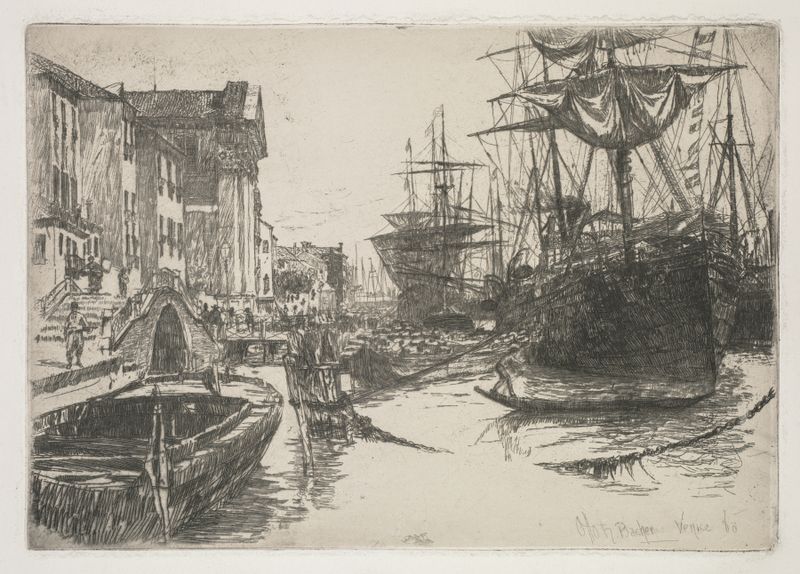
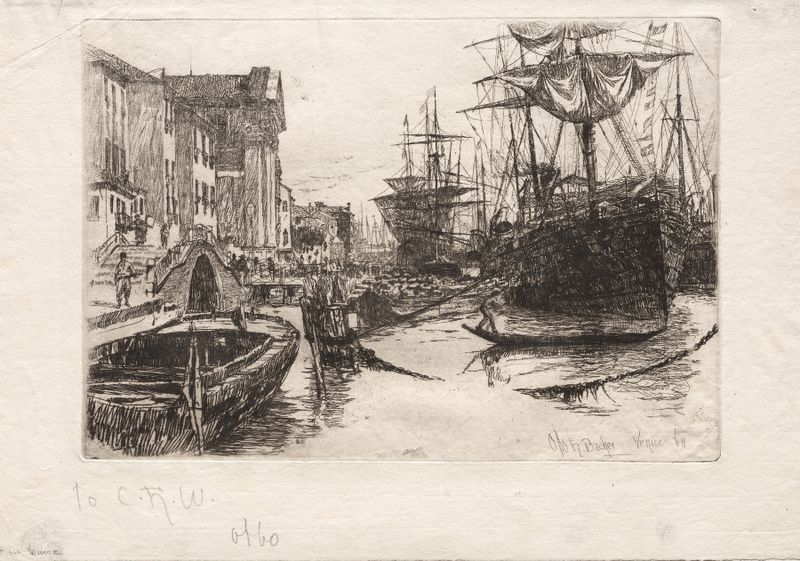
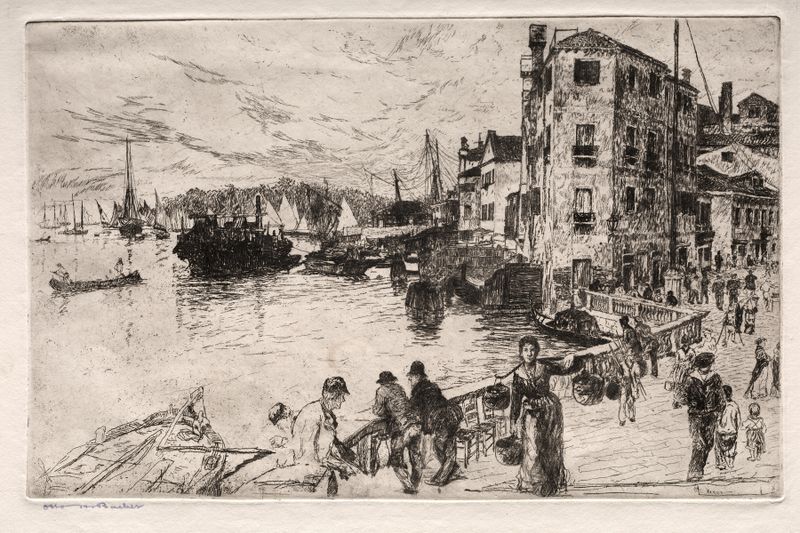
Could a single brushstroke hold eternity? This question lingers in the air, echoing the profound innocence that permeates the canvas before us. Look to the center of the painting, where the delicate interplay of light and shadow reveals a tranquil canal scene. The water, a mirror reflecting the gentle hues of twilight, invites the viewer to find solace in its stillness. Notice how the artist employs a soft palette of blues and pastel greens, capturing the ephemeral nature of dusk as it envelops the surroundings.
The brushwork is fluid and impressionistic, allowing each stroke to convey a sense of movement without losing the serene essence of the moment. As you delve deeper, the contrasts emerge—between the stillness of the water and the fleeting vibrancy of life that surrounds it. The silhouettes of softly rendered buildings stand stoically, yet their outlines are kissed by a warmth that suggests the presence of memories and stories just beyond reach. The quietness of the scene is punctuated by the promise of evening, a reminder of the innocence lost in the passage of time and the beauty that lingers in the fading light. Otto Henry Bacher painted this work in Venice in 1881, during a period marked by an artistic exploration of impressionism and a growing fascination with capturing transient moments.
At the time, he was deeply immersed in the vibrant artistic community, drawing inspiration from both his travels and the rich history enveloping the canals of the city. This painting reflects a harmonious blend of his personal experiences and the broader artistic movements that defined his era.
More Artworks by Otto Henry Bacher
Browse all →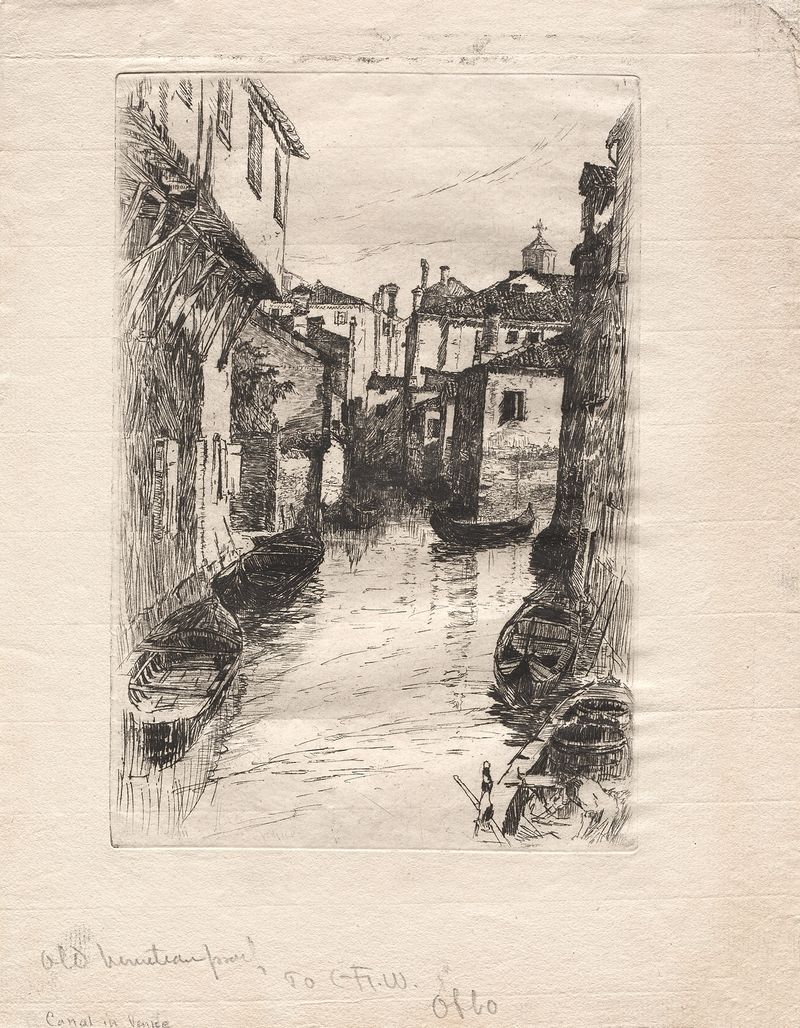
Canal in Venice
Otto Henry Bacher
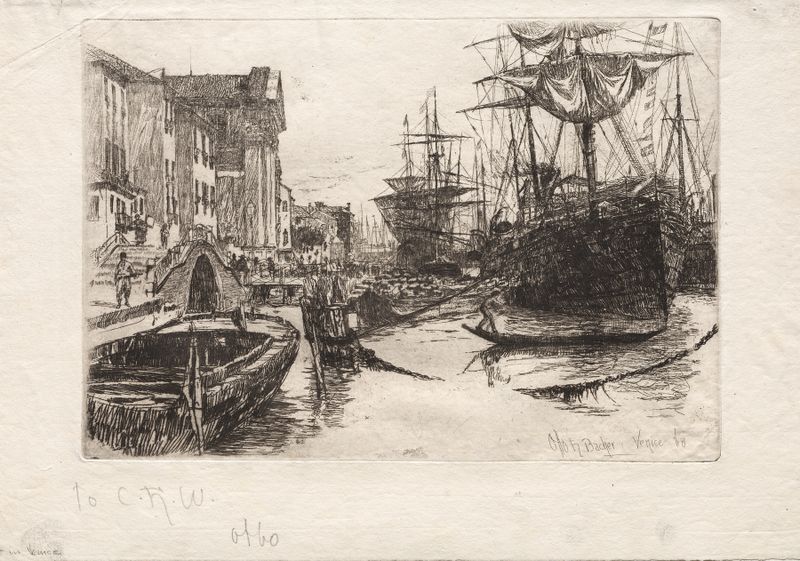
View in Venice
Otto Henry Bacher
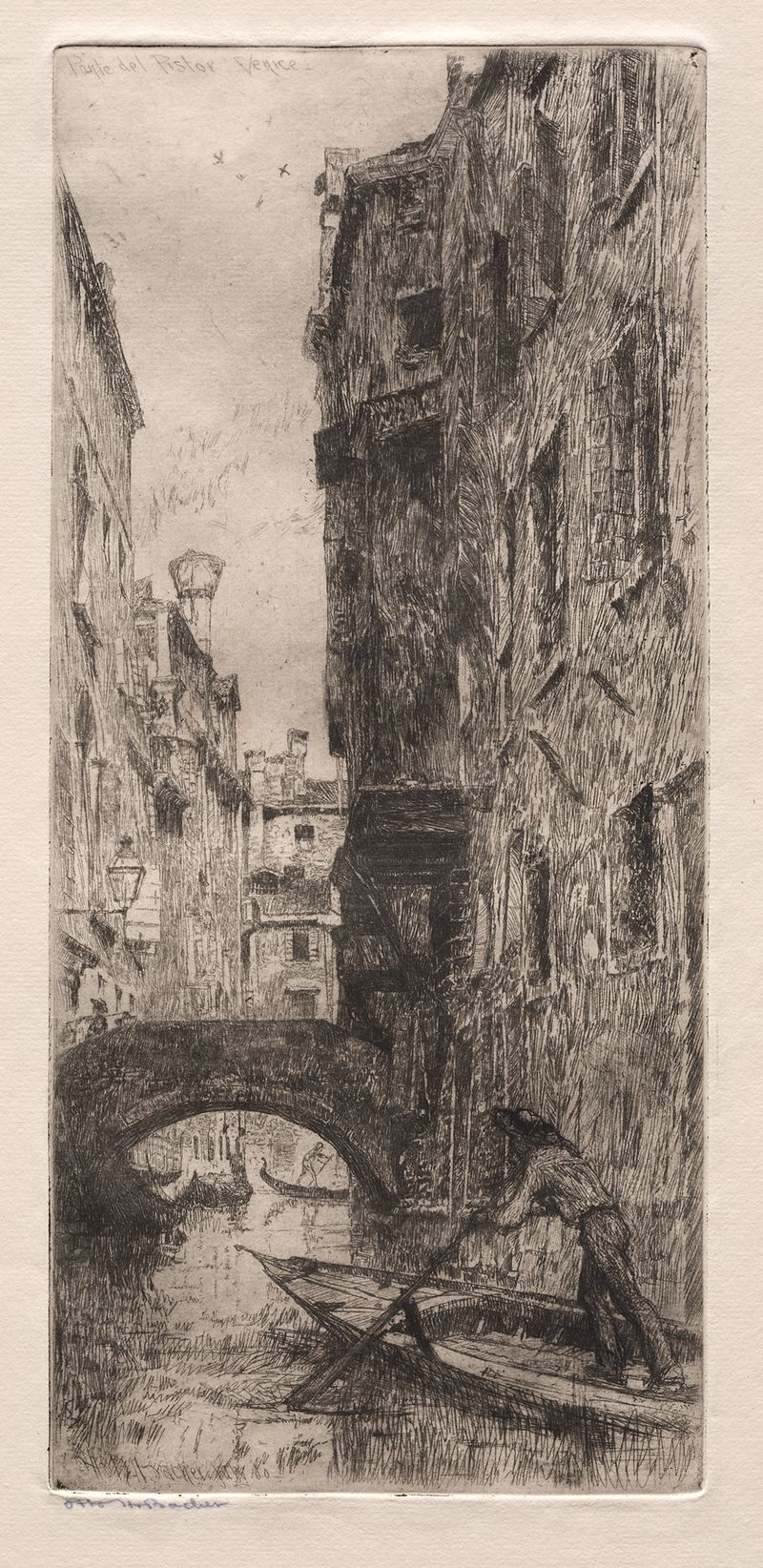
Ponte del Pistor, Venice
Otto Henry Bacher
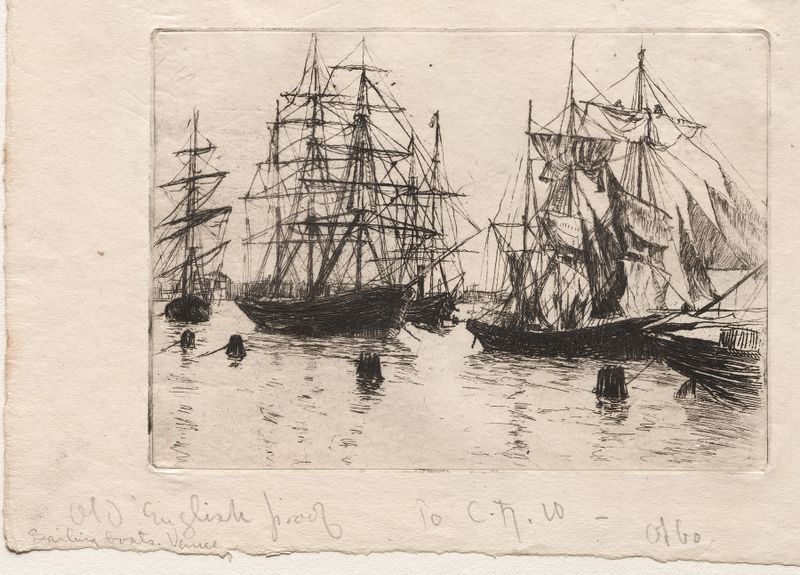
Sailing Boats, Venice
Otto Henry Bacher
Fondamenta della Zattere
Otto Henry Bacher
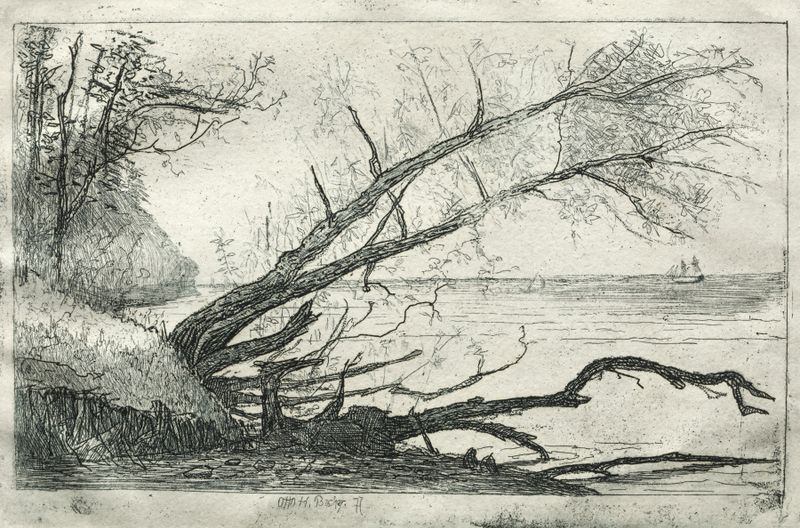
Old Sycamore
Otto Henry Bacher
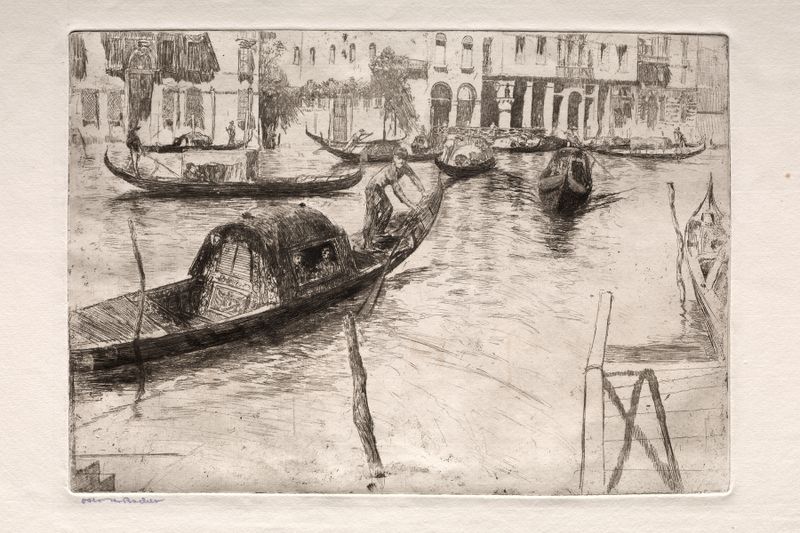
Traghetto San Felice
Otto Henry Bacher
View in Venice
Otto Henry Bacher
Castello Quarters, Riva
Otto Henry Bacher
St. Clair Street, Cleveland
Otto Henry Bacher





