Prater Landscape — History & Analysis
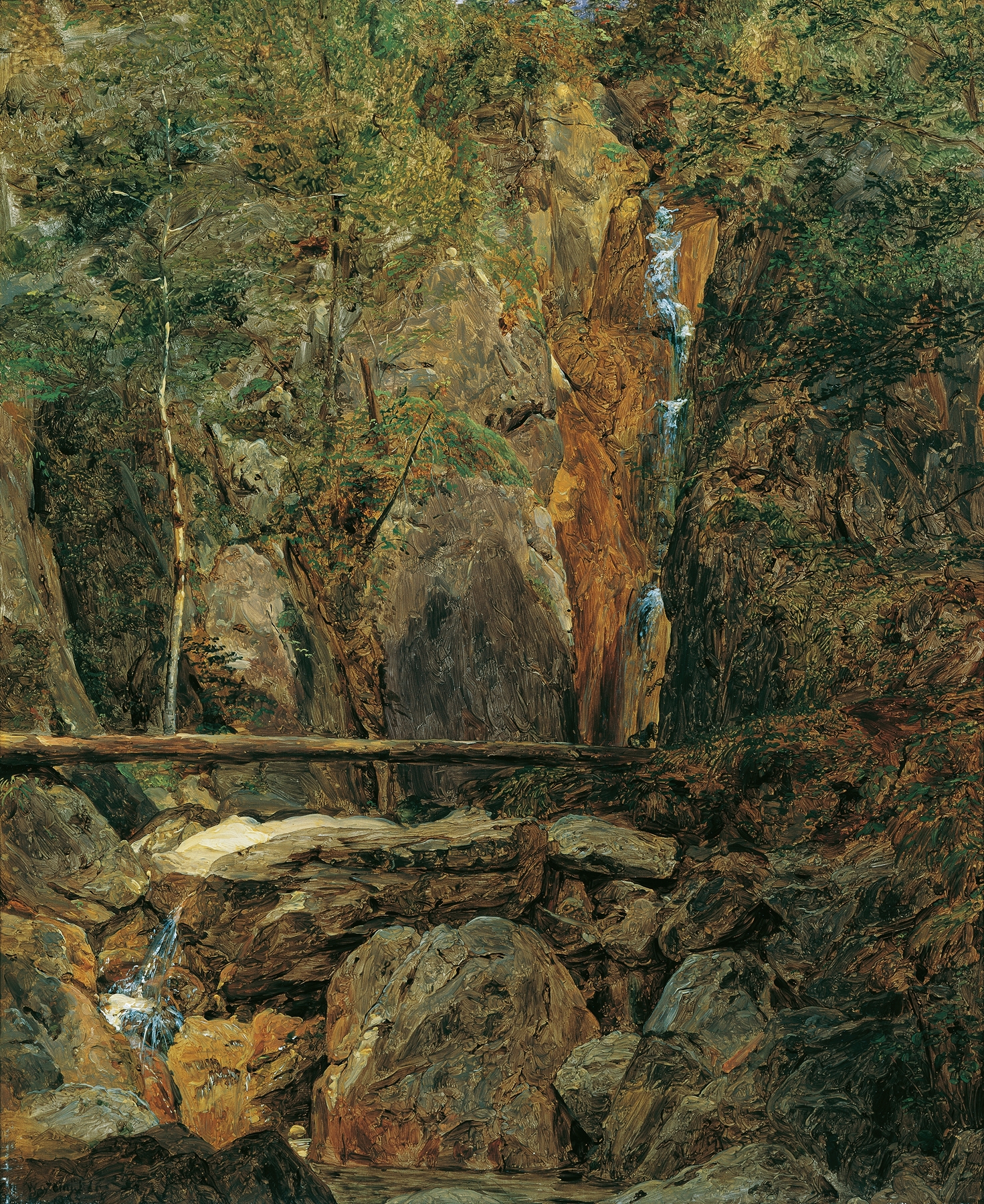
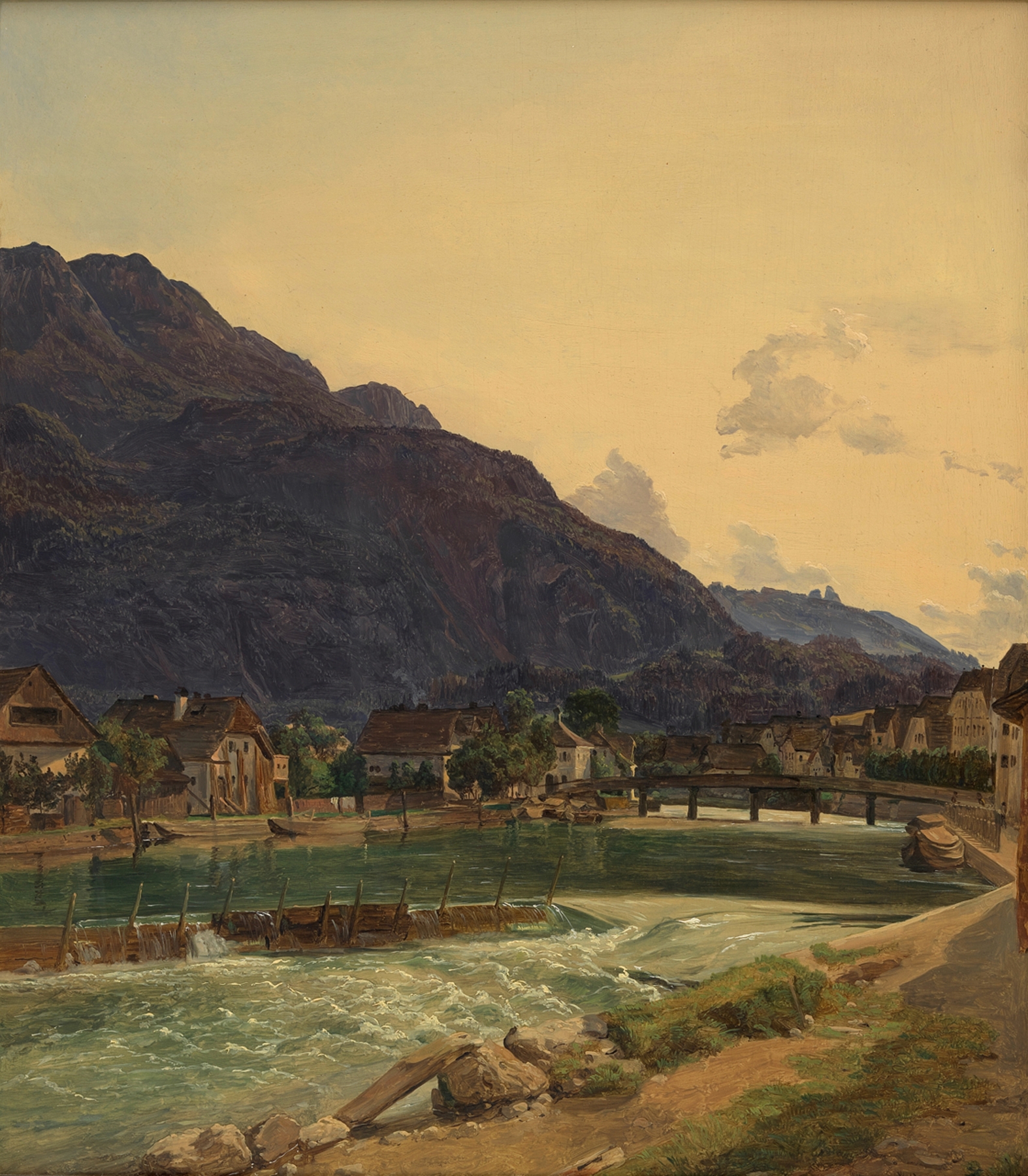
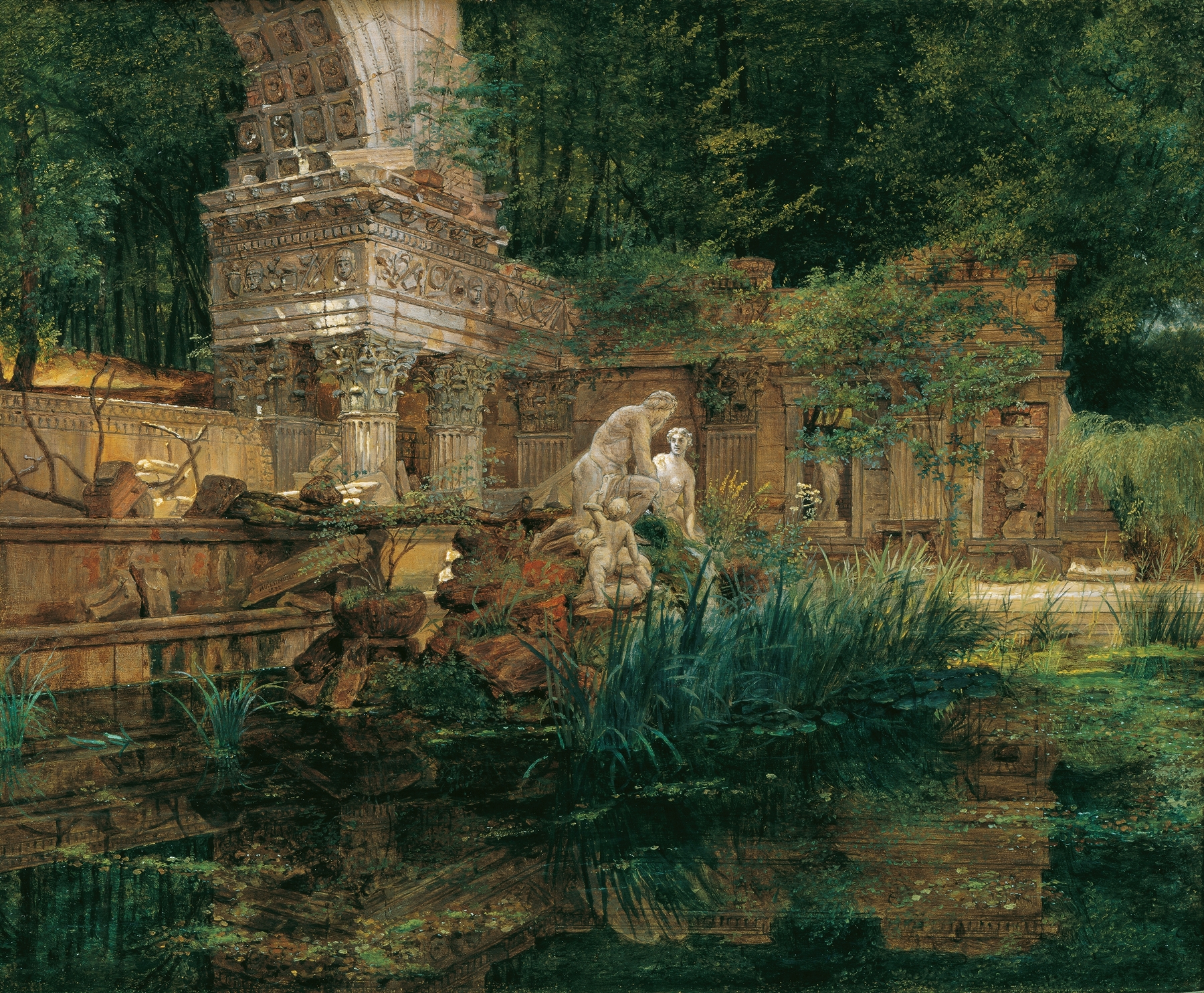
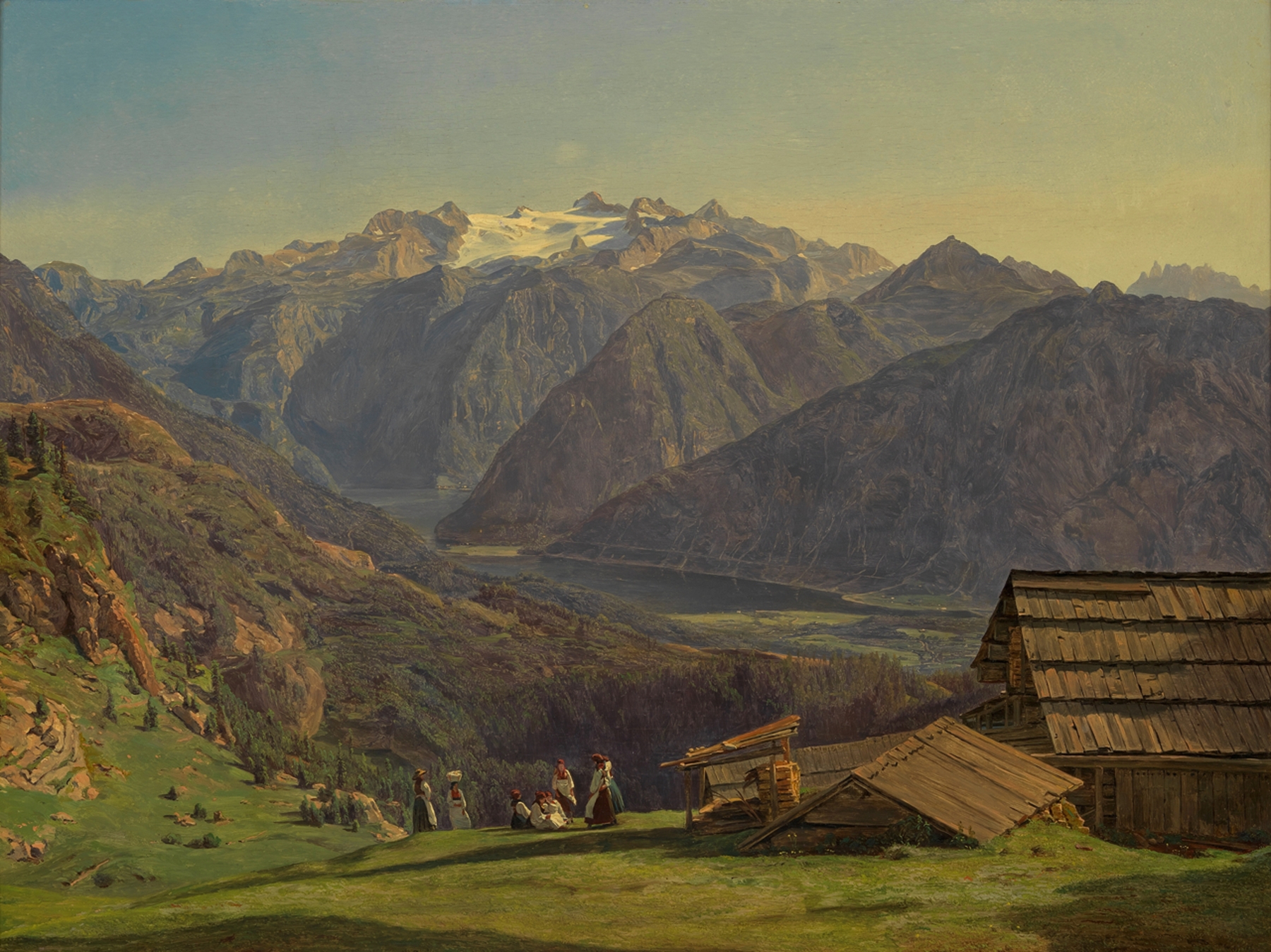
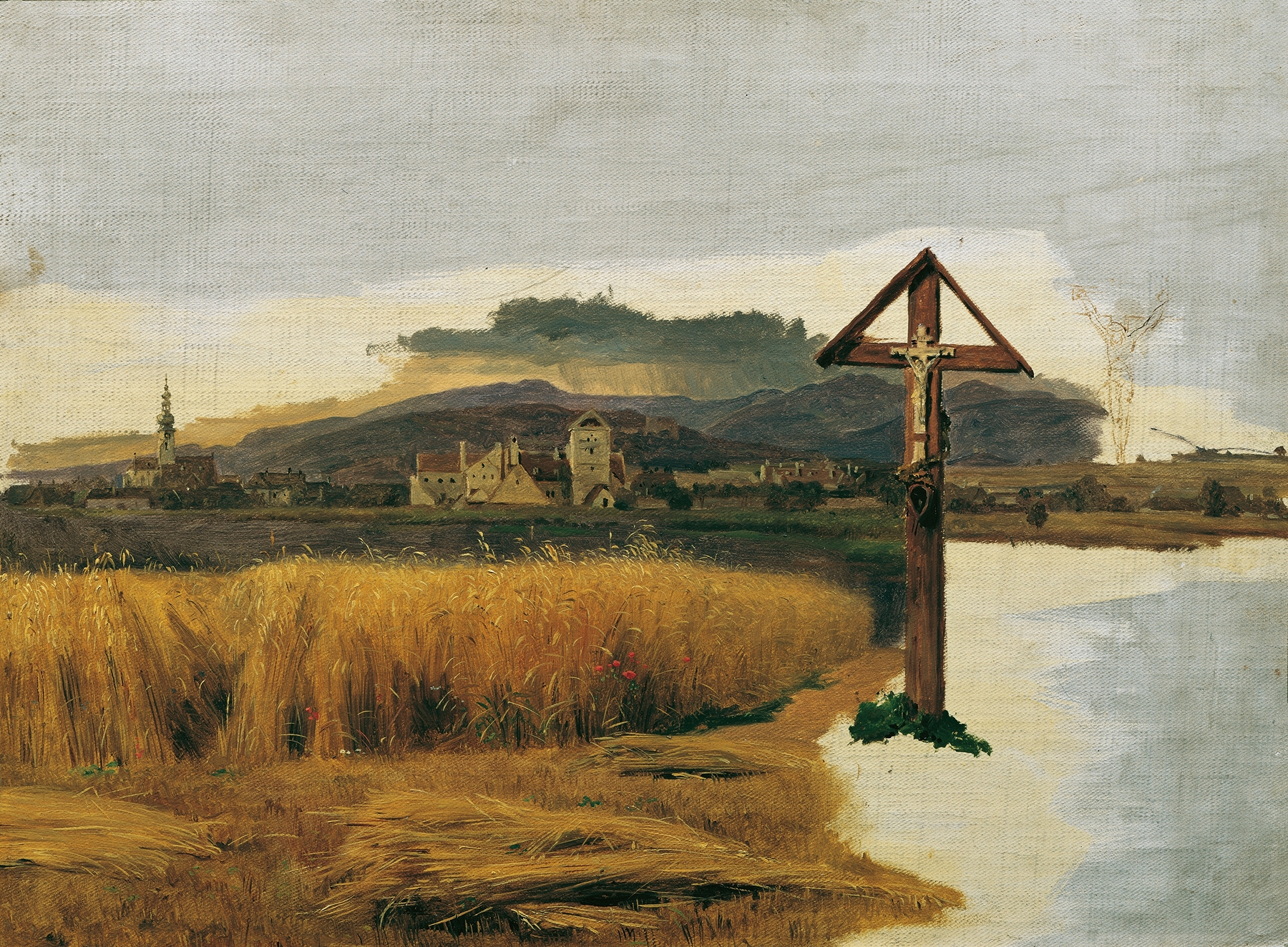
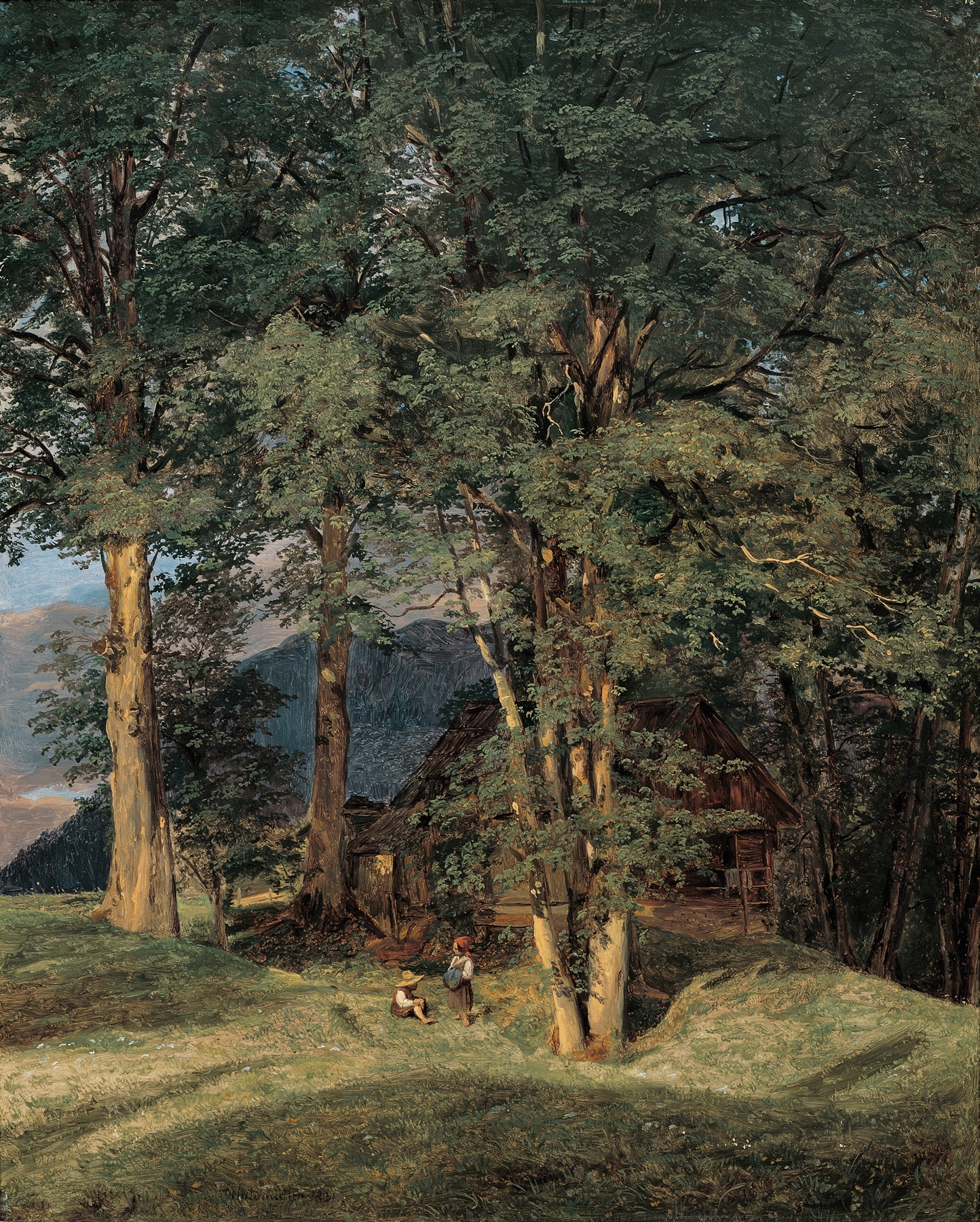
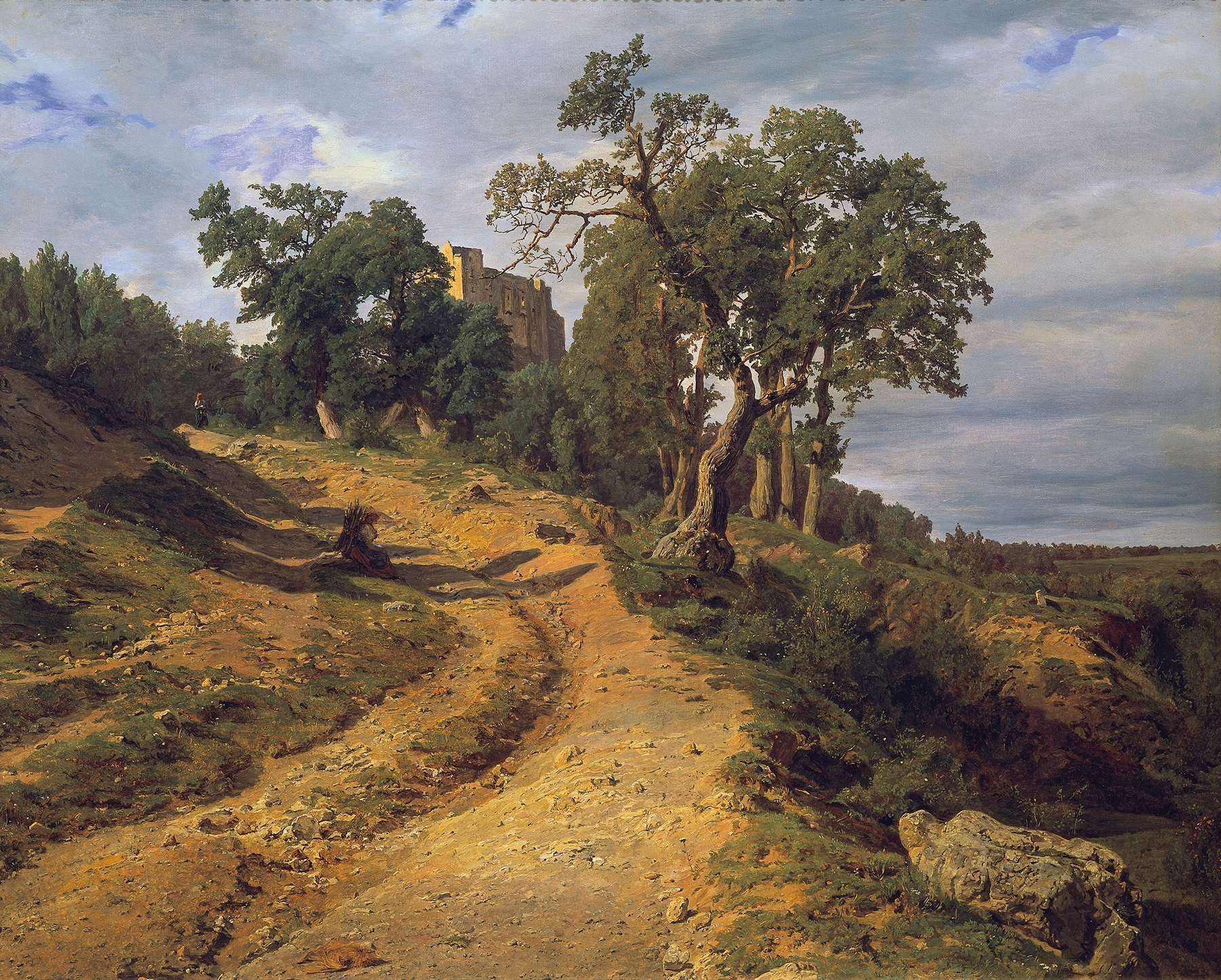
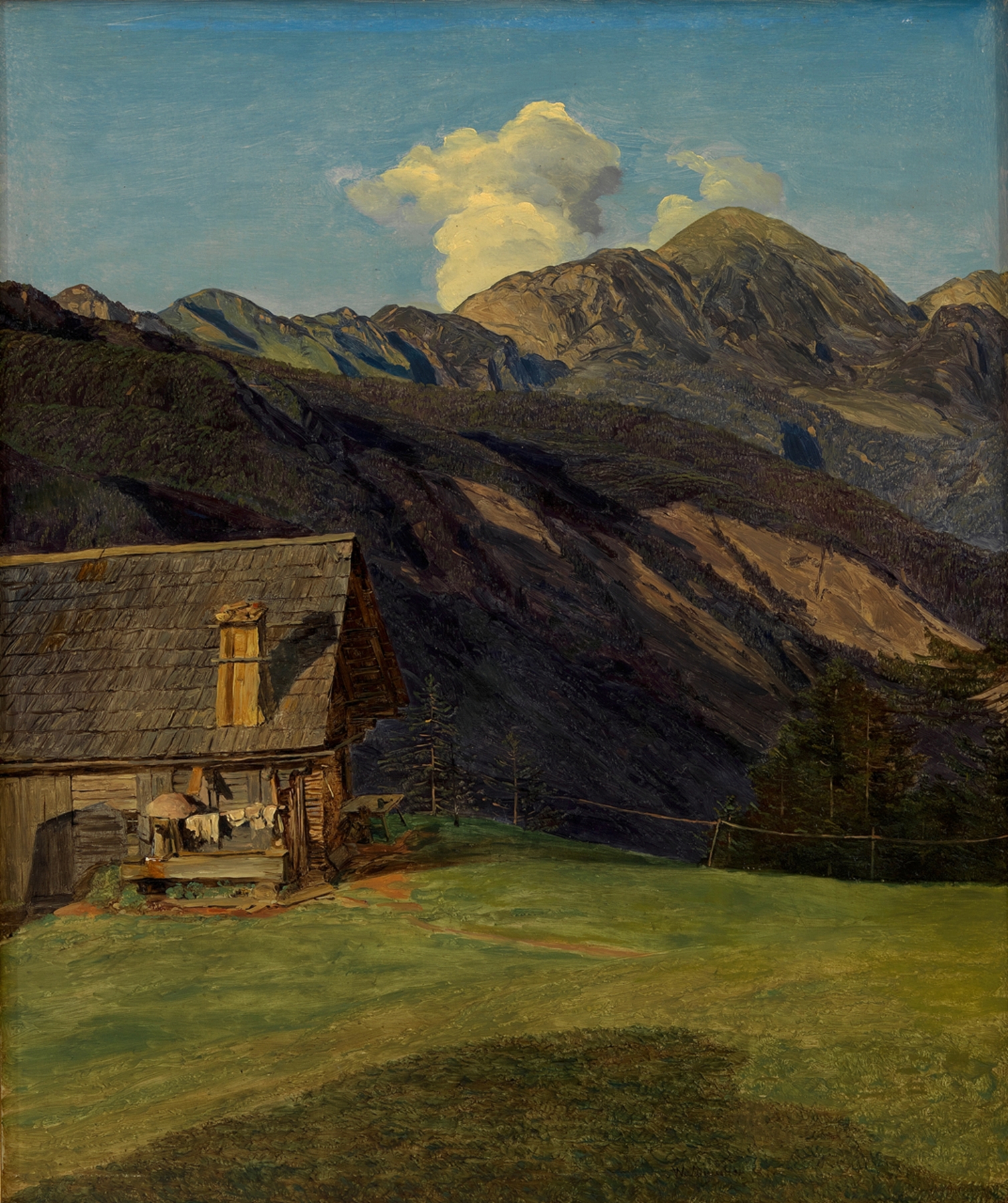
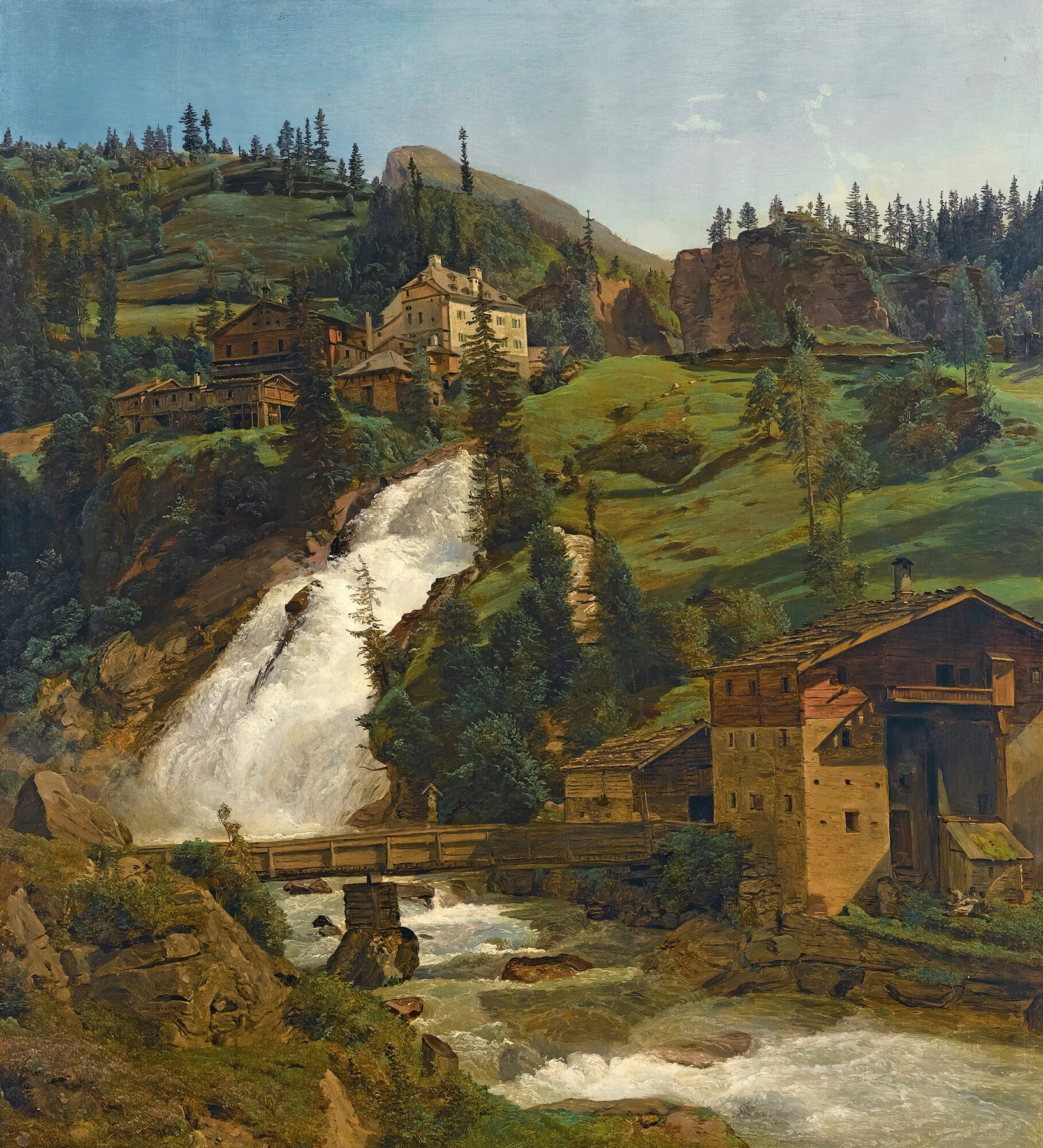
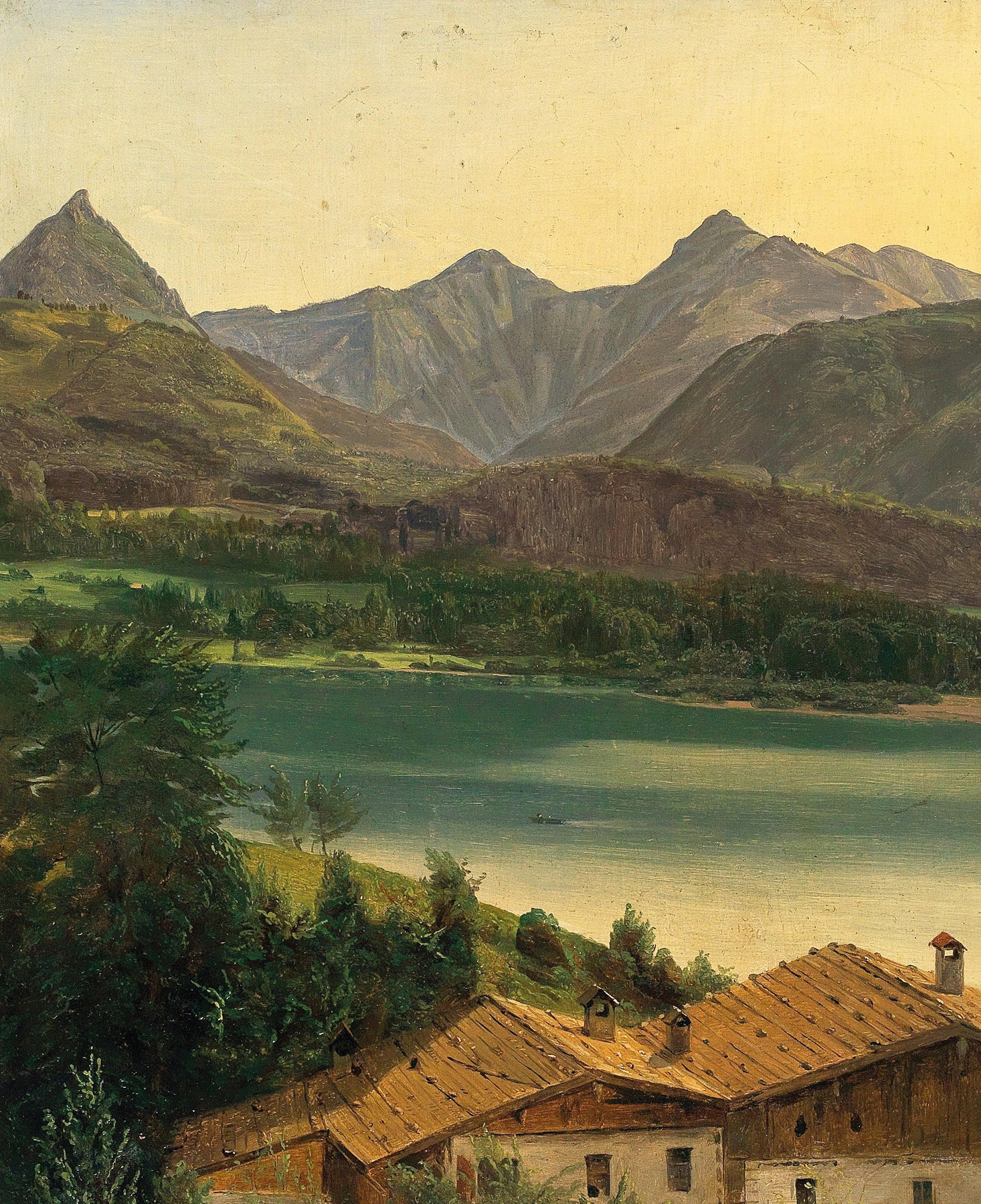
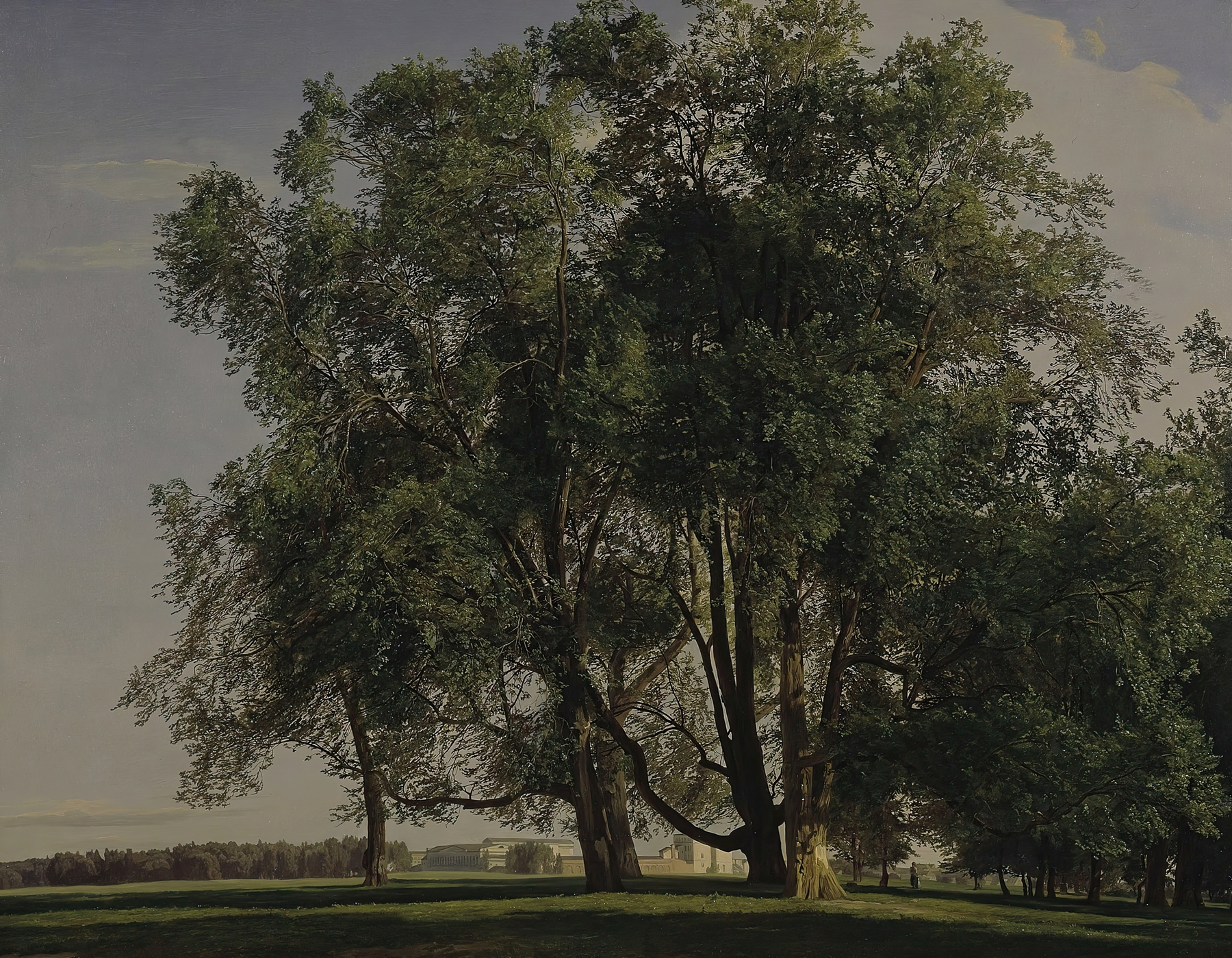
Could a single brushstroke hold eternity? In the vibrant hues and delicate strokes of this landscape, one finds not just a scene, but a palpable sense of rebirth and renewal. Focus on the lush greenery that sprawls across the canvas, drawing your eyes to the verdant fields in the foreground. Notice how the sun filters through the leaves, casting a warm glow on the vibrant grass. The carefully rendered trees stand tall and proud, their branches arching over the landscape like guardians of nature's tranquility.
The palette sings with life, each color harmonizing to evoke a serene atmosphere, while the gentle brushwork invites you to wander through this idyllic vista. Delve deeper, and you'll uncover layers of meaning beneath the surface. The interplay of light and shadow signifies the duality of nature—growth and decay intertwined in the eternal cycle of life. The distant mountains loom like sentinels, symbolizing challenges yet to be faced, while the inviting path invites contemplation of the journey ahead.
Each element is a testament to hope, reflecting a world brimming with possibilities and the promise of new beginnings. In 1830, when this landscape was created, the artist was immersed in the heart of the Biedermeier period, a time characterized by a return to nature and intimate domesticity in art. At this juncture, Waldmüller was gravitating towards a style that emphasized realism and emotional connection, aiming to convey the beauty of everyday life. This painting emerged from a personal and cultural desire to celebrate nature, echoing the sentiments of a society yearning for simplicity and authenticity amid the complexities of modernity.