
Pred Miklušovou väznicou — History & Facts
In this space where beauty meets despair, one must confront the delicate tension between light and shadow. Look to the center of the canvas where figures emerge from the darkness, their postures encapsulating a haunting stillness. Notice how the artist employs soft, muted hues contrasted with sharp, penetrating beams of light that guide your gaze, illuminating the faces that reflect both hope and resignation. The composition is meticulously balanced, evoking a sense of calm yet laden with profound emotional weight. In this work, the juxtaposition of the prison's imposing structure against the fragility of human emotion reveals the complexities of confinement.
The figures, caught in a moment of introspection, seem to embody the weight of their circumstances, as their expressions carry the silent narratives of countless stories. The artist's deliberate choice of color and form speaks to the paradox of beauty found within despair, suggesting that even in the depths of sorrow, there exists a poignant grace. Konštantín Kövári-Kačmarik painted this piece in 1913, a time when he was grappling with the socio-political upheavals of the Austro-Hungarian Empire. Living in a world rife with turmoil, he sought to explore the human condition through his art, encapsulating the emotional landscape of his era.
This artwork stands as a testament to his ability to translate personal and collective strife into something transcendent and deeply resonant.
More Artworks by Konštantín Kövári-Kačmarik
Browse all →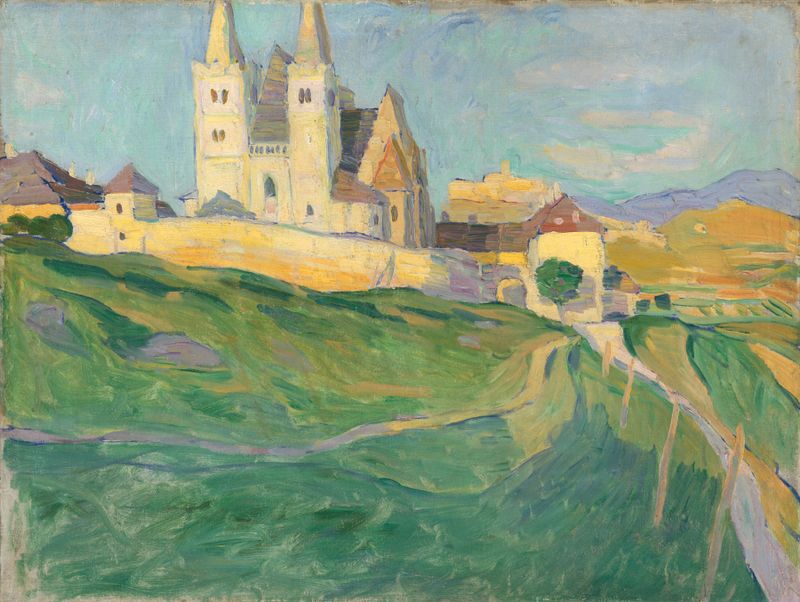
Spišská Kapitula
Konštantín Kövári-Kačmarik
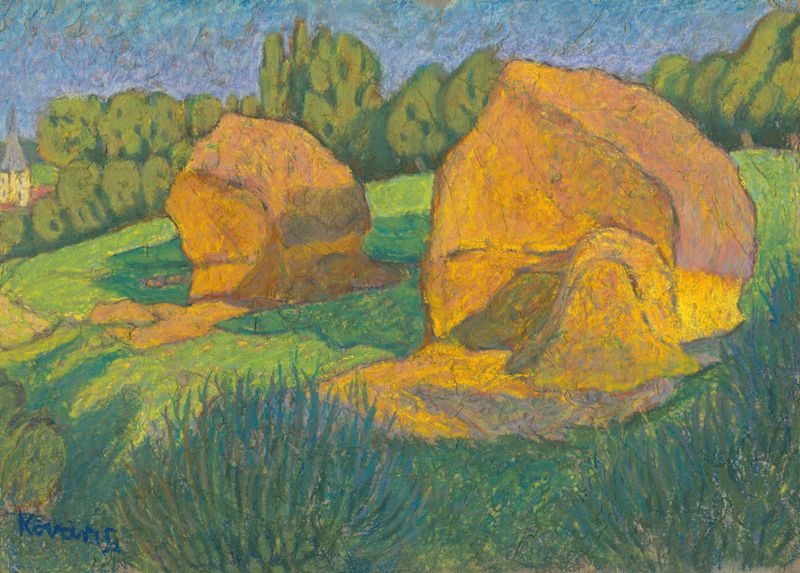
Krajina so stohmi
Konštantín Kövári-Kačmarik

Krátka ulica v Košiciach
Konštantín Kövári-Kačmarik
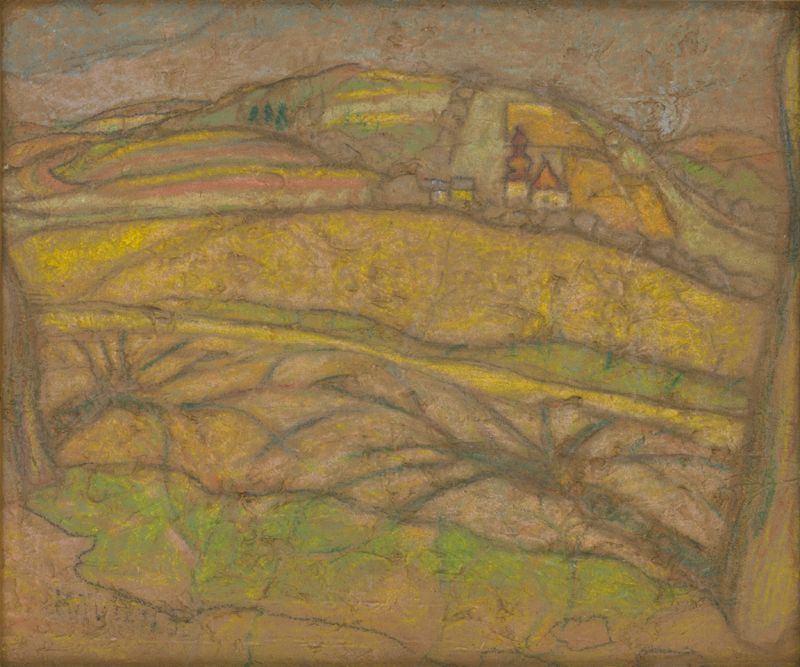
Kalvária pri Košiciach
Konštantín Kövári-Kačmarik

Ulica v Kežmarku
Konštantín Kövári-Kačmarik
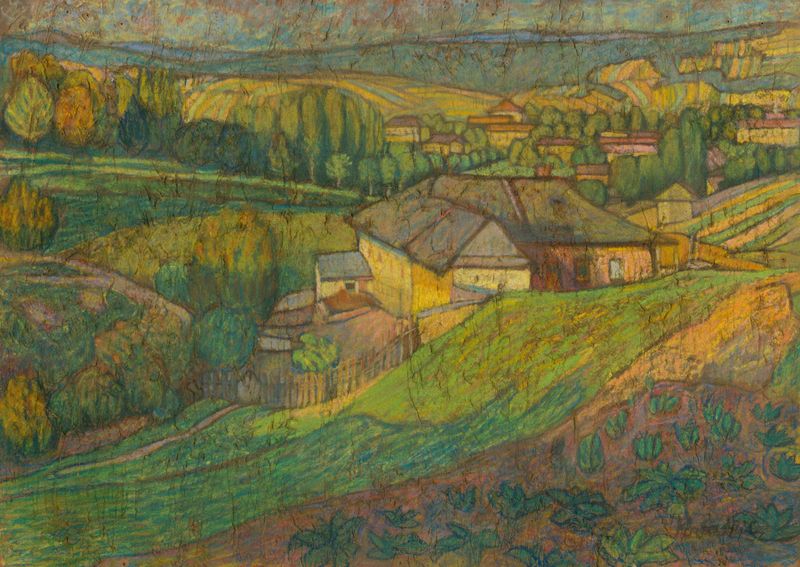
Pohľad na Kalváriu
Konštantín Kövári-Kačmarik
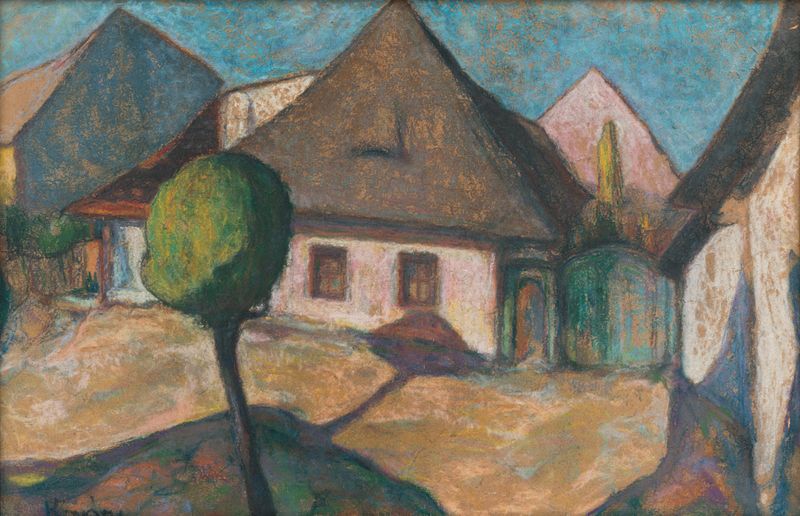
Old Košice
Konštantín Kövári-Kačmarik
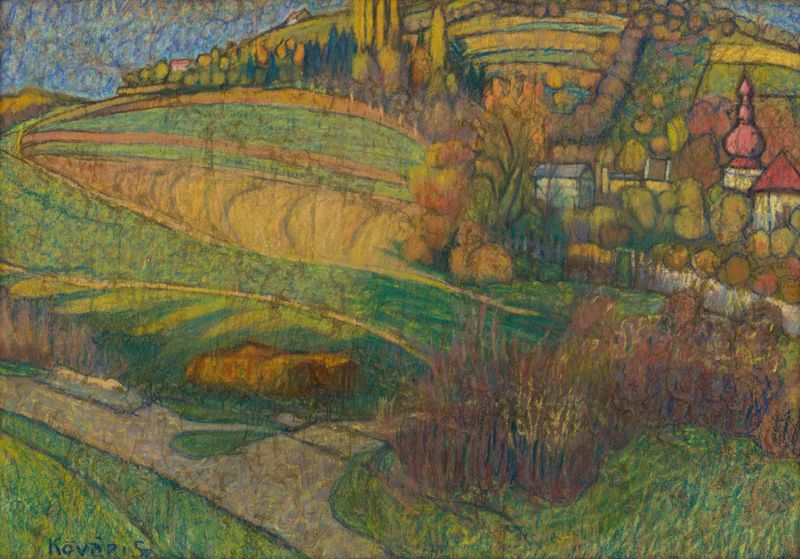
Krajina
Konštantín Kövári-Kačmarik

Krajina
Konštantín Kövári-Kačmarik
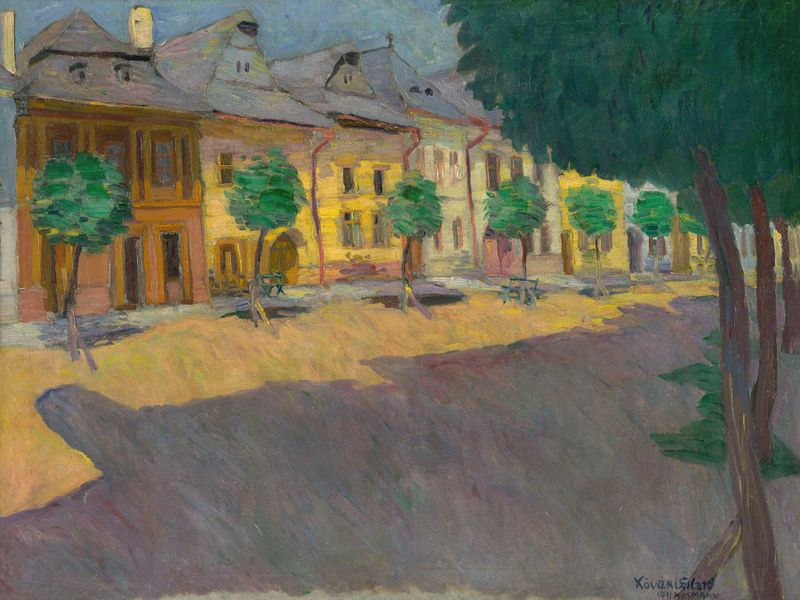
Ulica v Kežmarku
Konštantín Kövári-Kačmarik





