
Primavera — History & Facts
Did the painter know this moment would outlive them? In Primavera, the essence of spring breathes through vivid colors and delicate forms, capturing a fleeting moment of beauty that transcends time itself. Focus on the central figure, a woman draped in ethereal fabrics, her gentle pose suggesting both tranquility and grace. Notice how the soft greens and warm yellows envelop her, creating a vivid contrast against the backdrop of blooming flowers. The artist’s careful brushwork lends a rhythmic quality to the composition, inviting the viewer's gaze to travel through the lush foliage, hinting at a world both alive and serene.
Each petal seems almost to flutter, a celebration of life renewed. The interplay of light and shadow deepens the emotional pull of the painting, highlighting the tension between the ephemeral blooms and the enduring spirit of nature. The figure embodies a sense of hope and rebirth, while the contrasting darks in the surrounding foliage remind us of the inevitable cycle of life and death. This duality is not just a depiction of spring but an exploration of the transient nature of beauty itself, urging viewers to reflect on their fleeting experiences. Eliseu Visconti created Primavera in 1895 during a time when the Symbolist movement was flourishing, bridging the worlds of Impressionism and the emerging Modernist styles.
Living in Brazil, he was influenced by the rich cultural tapestry of his surroundings, simultaneously drawing inspiration from European art trends. This work reflects his deep appreciation for nature and the universal themes of renewal that resonate throughout history.
More Artworks by Eliseu Visconti
Browse all →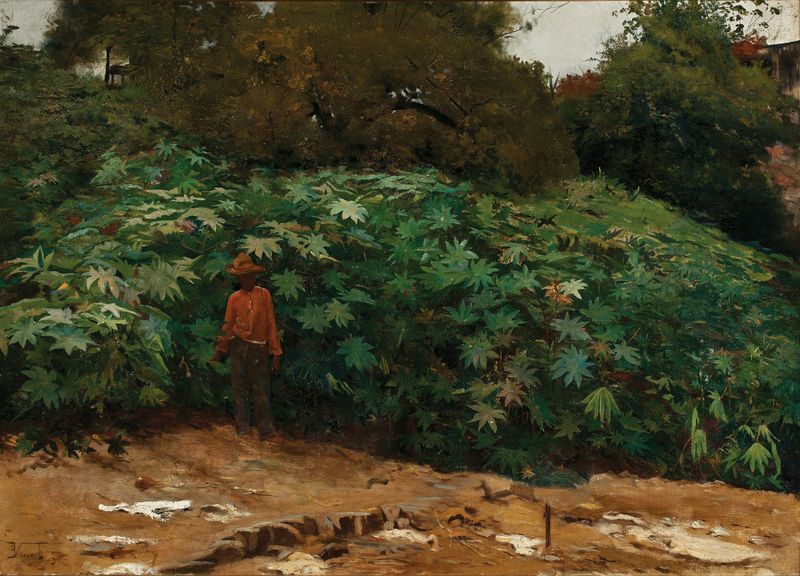
Mamoneiras – Morro de São Bento
Eliseu Visconti
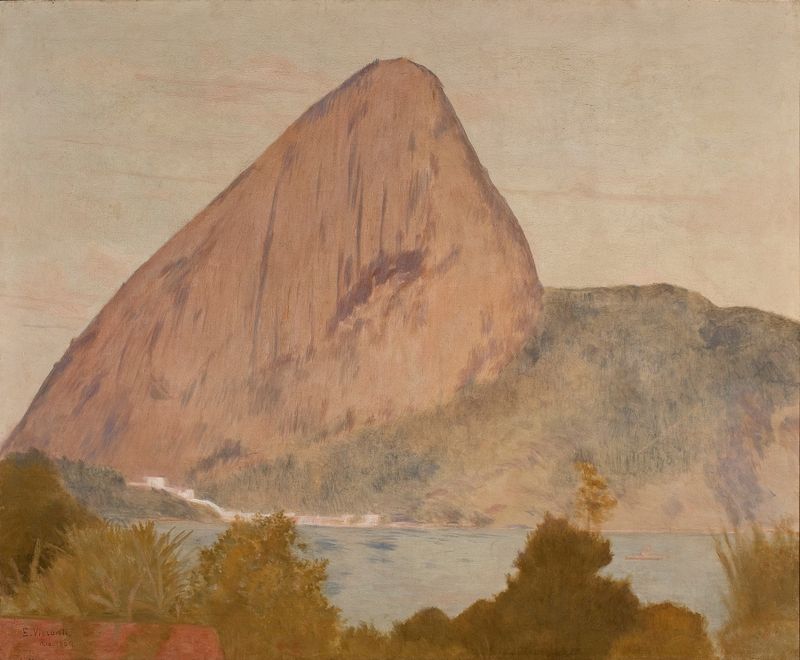
Marina com Pão de Açúcar
Eliseu Visconti

O batismo da boneca
Eliseu Visconti
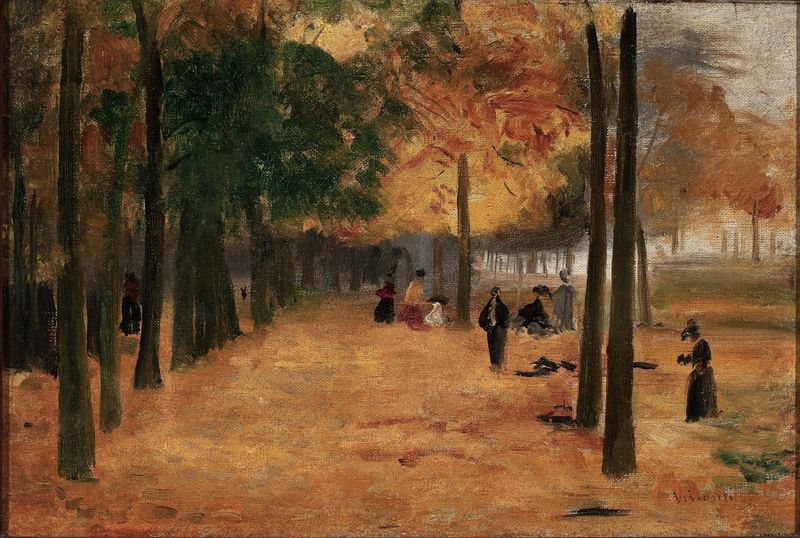
Canto de Luxemburgo (Outono)
Eliseu Visconti
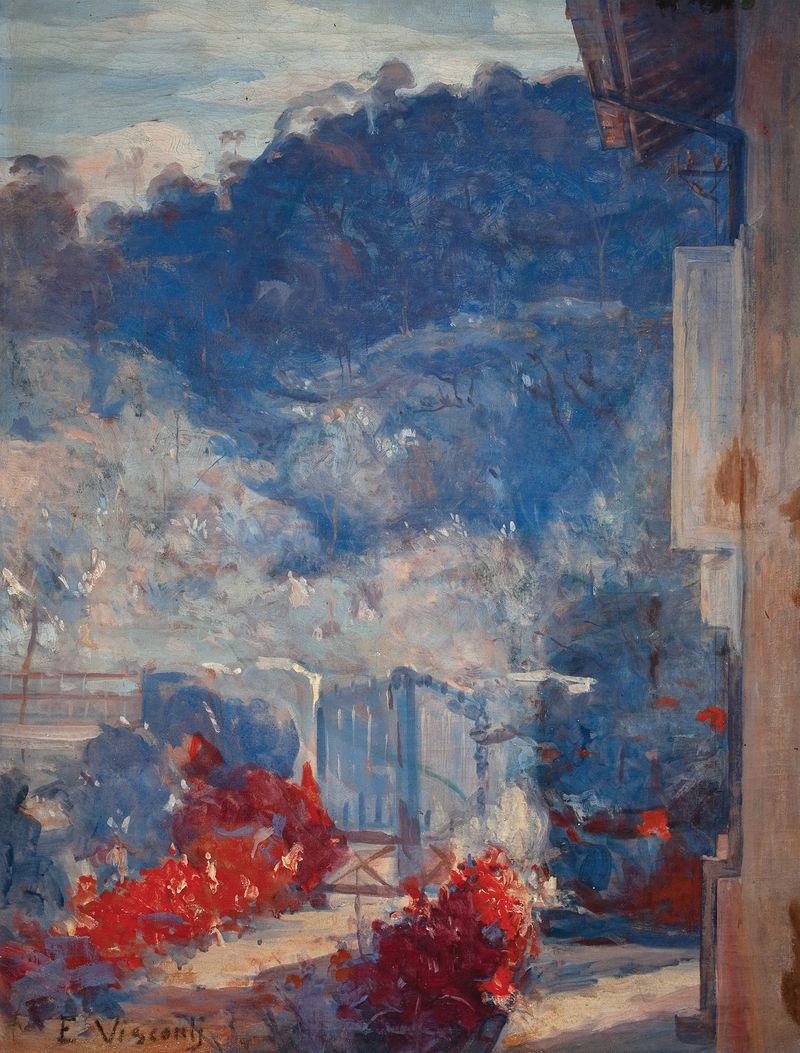
Raios de sol
Eliseu Visconti
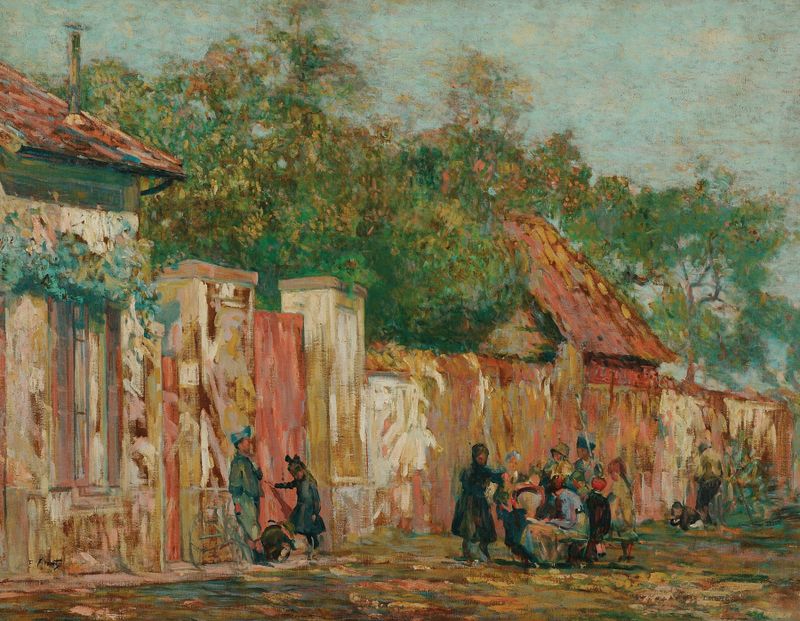
Tarde em Saint Hubert
Eliseu Visconti

Efeito matinal
Eliseu Visconti
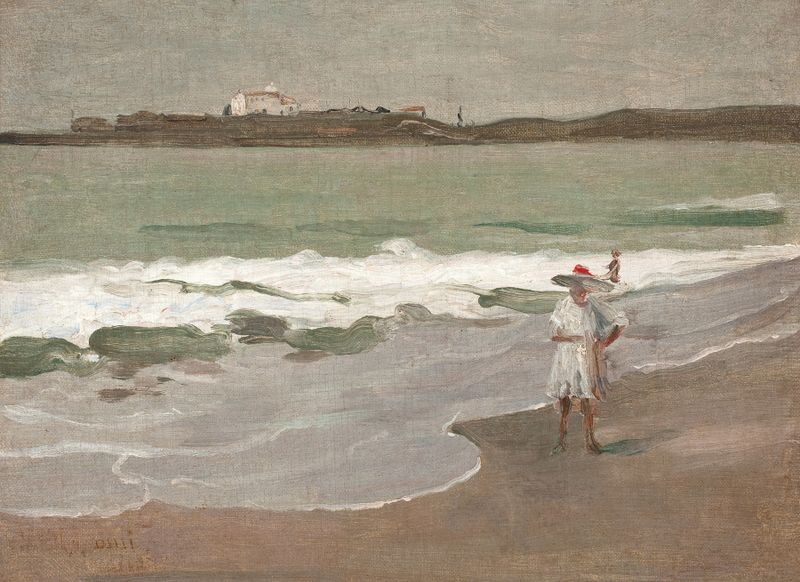
A Igrejinha (Copacabana)
Eliseu Visconti

A caminho da escola
Eliseu Visconti

Flores da rua
Eliseu Visconti





