‘Primula auricula’, Cowslips — History & Facts
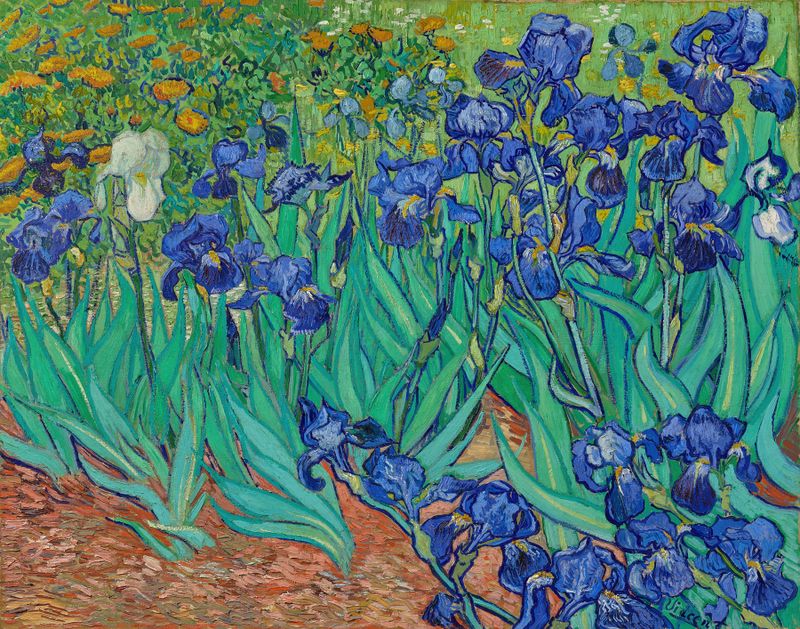
When did color learn to lie? In Primula auricula, the vibrant blooms whisper secrets of a tender past, painting nostalgia with every brushstroke. Focus first on the brilliant yellows and soft greens that seemingly vibrate with life. Notice how each petal, with its delicate, almost velvety texture, draws you in, inviting you to explore the layers of subtle hues. The artist's brushwork dances across the canvas, revealing not just flowers, but a moment, a sumptuous medley of nature's palette that feels both familiar and distant.
The warm light captures the essence of a sunlit garden, demonstrating a keen understanding of natural illumination that enhances the emotional resonance of the work. Yet, beneath the surface, this bouquet hints at transience. The positioning of the flowers, some blooming robustly while others seem to fade, speaks to the cycle of life and decay. It poses a gentle reminder of fleeting beauty and the bittersweet nature of memory.
The contrasting textures between the smooth petals and the rougher background ground the vivid blooms, suggesting a struggle between vibrancy and inevitable decline, echoing the artist's own reflections on time and loss. In 1912, when this work was created, Halm-Flechner was navigating the burgeoning modernist movement, which sought to break away from traditional representation. Living in a rapidly changing Europe, she channeled her experiences into her art, yearning for the serenity of nature amidst the chaos. This piece, emblematic of her style, reflects her ability to infuse personal history into her work, capturing the essence of a moment while resonating with a universal longing for connection and remembrance.